
Side Dishes
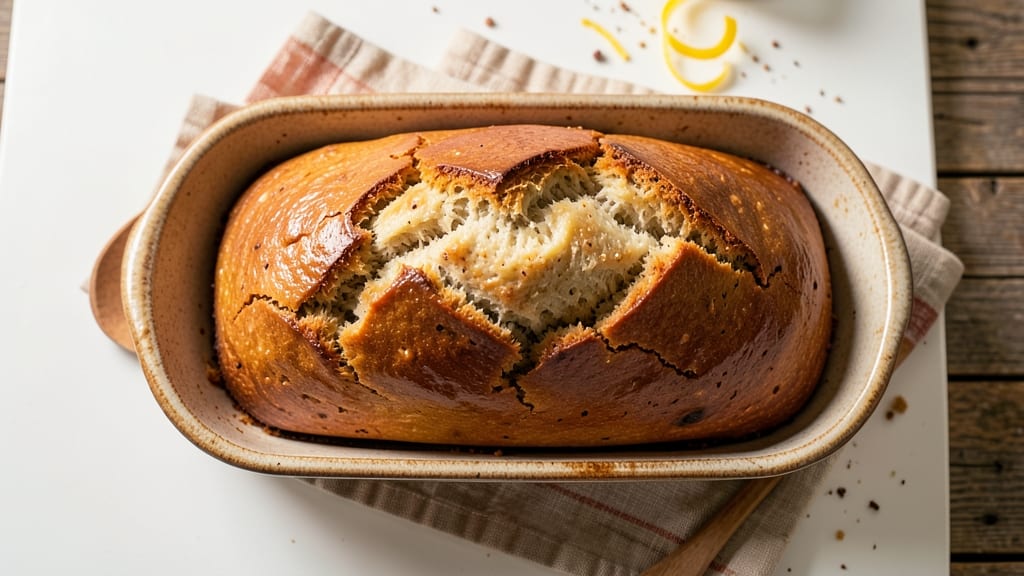
This 0 net carb bread recipe delivers the perfect keto-friendly alternative—crisp crust and airy crumb without a single gram of carbs. The secret lies in almond flour and psyllium husk, which mimic traditional bread while keeping it low-carb and satisfying.
I’ve perfected this recipe over countless batches, ensuring it’s foolproof for beginners and delicious for experienced bakers alike.
The magic happens with a blend of almond flour for richness, psyllium husk for structure, and egg whites for that signature fluffiness. Unlike dense low-carb breads, this version rises beautifully and toasts to golden perfection.
It’s ideal for sandwiches, toast, or even as a side dish—without the guilt. The texture is surprisingly close to traditional bread, making it a game-changer for keto diets.
What sets this recipe apart is its versatility. Use it for breakfast toast, sandwiches, or as a base for open-faced meals. The crust stays crispy, while the crumb remains tender and light—just like the bread you grew up with.
Best of all, it’s easy to customize with seeds, herbs, or spices to suit your taste. Let’s get baking!
This bread is a lifesaver for those following a strict keto diet, offering the comfort of bread without the carbs. With just a few simple ingredients and a little patience, you’ll have a batch of bread that’s as satisfying as it is healthy.
Ready to transform your low-carb meals? Here’s how to make it.
Ingredients for 0 net carb bread
Almond flour, psyllium husk, and egg whites create this keto bread’s magic—crisp crust and fluffy crumb, zero carbs.
| Ingredient | Amount | Notes |
|---|---|---|
| Almond Flour 🌰 | 2 ½ cups | Finely ground, unsweetened |
| Psyllium Husk Powder 🌾 | 2 tbsp | Key for structure and binding |
| Large Egg Whites 🥚 | 6 whole | Room temperature preferred |
| Warm Water 💧 | ¾ cup | Activates psyllium husk |
| Baking Powder 🧂 | 1 tsp | Aluminum-free preferred |
| Salt 🧂 | ½ tsp | Fine sea salt preferred |
| Apple Cider Vinegar 🍎 | 1 tbsp | For tangy flavor and rise |
| Xanthan Gum 🧪 | ¼ tsp | Ensures elasticity (optional) |
| Sesame Seeds 🌱 | 2 tbsp | For topping, optional |
| Extra-Virgin Olive Oil 🫒 | 1 tbsp | For greasing loaf pan |
| Garlic Powder 🧄 | ½ tsp | Enhances flavor (optional) |
| Onion Powder 🧅 | ½ tsp | For depth of flavor (optional) |
Almond flour is the star here—Bob’s Red Mill or Anthony’s Goods brands work best for fine texture. Psyllium husk powder is non-negotiable for that bread-like structure; grab it at Whole Foods or Amazon if your grocery store doesn’t carry it. The egg whites need to be room temperature for maximum volume—crack them into a bowl first while you preheat the oven. I always buy extra-virgin olive oil in bulk from Trader Joe’s—it’s worth the investment for that subtle fruity note in the crust.
No psyllium husk? Flaxseed meal at double the amount works in a pinch, though texture won’t be identical. Short on egg whites? Aquafaba (chickpea brine) at 3 tbsp per egg white saves the day. The apple cider vinegar adds tang—substitute lemon juice at the same amount if that’s what’s in your pantry. For extra flavor, toast the sesame seeds in a dry pan for 2 minutes before sprinkling. The garlic and onion powders? Only add them if you’re feeling fancy—they’re purely for taste, not structure.
This dough is sticky—don’t panic. Wet your hands slightly when handling it. Line your loaf pan with parchment paper for easy removal, and grease it well with olive oil. The bread keeps for 3-4 days in an airtight container at room temperature, or up to 1 week in the fridge. For longer storage, slice and freeze portions—it reheats beautifully in a toaster or oven. I make double batches and freeze half; nothing beats fresh keto toast first thing in the morning.
Why You'll Love This Recipe
- No Mixing Madness: I swear by this—just fold the psyllium into warm water, whisk in egg whites, and toss in almond flour. No stand mixer, no overworking, no stress. The psyllium does all the heavy lifting while I sip my coffee.
- Tastes Like Real Bread: Between us, the egg whites give it that airy crumb, while the almond flour keeps it nutty but not overpowering. Toast it? Golden and crisp. Slather it with butter? Heaven. It’s the closest thing I’ve found to wheat bread without the guilt.
- Meal Prep MVP: Honestly, this bread lasts forever in the fridge—no soggy slices here. I bake a big batch on Sunday, slice it up, and it’s my go-to for sandwiches, toast, or even croutons. Zero waste, all win.
- Budget-Friendly Staple: Almond flour and psyllium might sound fancy, but they stretch so far. One batch feeds my family for days, and I’m not exaggerating. Plus, the egg whites? Versatile enough to use in other recipes if I’m feeling extra efficient. Smart shopping, big payoff.
Step-by-step instructions for keto-friendly crust with airy, fluffy crumb
Here's how to bake bread that's zero net carbs yet light, crispy, and satisfying.
Whisk Dry Ingredients for Perfect Texture
In a large mixing bowl, combine the 2.5 cups almond flour, 2 tbsp psyllium husk powder, 1 tsp baking powder, 0.5 tsp salt, 0.5 tsp garlic powder, and 0.5 tsp onion powder. Whisk vigorously for 2 minutes until no dry spots remain. The psyllium husk needs thorough incorporation—it's what gives this bread its signature structure and chewy texture without any carbs.
I like to press the mixture through a fine-mesh sieve at this stage to break up any almond flour clumps. This ensures an even texture throughout your loaf. The dry ingredients should resemble fine, sandy flour with no visible chunks.
Incorporate Wet Ingredients for Lightness
In a separate bowl, whisk together the 6 whole large egg whites, 0.75 cup warm water, 1 tbsp apple cider vinegar, and 0.25 tsp xanthan gum. The vinegar will create a slight tang that mimics the flavor of traditional bread, while the xanthan gum adds that essential elasticity. Add this wet mixture to the dry ingredients and stir gently with a spatula until just combined—overmixing develops gluten, which we're avoiding here.
Here's the thing—this batter will look thick and gloopy, almost like cake batter. That's completely normal. The psyllium husk needs time to activate and bind everything together. Let the mixture sit for 5 minutes while you prepare your pan.
Prepare and Grease the Loaf Pan
Lightly grease an 8x4-inch loaf pan with 1 tbsp extra-virgin olive oil, making sure to coat the bottom and sides thoroughly. The oil creates a non-stick barrier that prevents the bread from sticking to the pan. I also like to sprinkle a thin layer of sesame seeds on the bottom of the pan—this adds a subtle nutty flavor and helps with release later.
While the pan is being prepared, give your batter one final stir. It should be thick but pourable. If it's too stiff, add 1-2 teaspoons of warm water to loosen it. The batter needs to flow easily into the pan for even baking.
Bake for Crispy Crust and Fluffy Interior
Preheat your oven to 350°F and place the loaf pan inside to warm for 5 minutes. This step ensures even baking from the start. Pour the batter into the prepared pan and smooth the top with a spatula. Sprinkle the remaining 2 tbsp sesame seeds evenly over the top for that classic bread-like appearance.
Bake for 50-55 minutes until the top is deep golden brown and a toothpick inserted into the center comes out clean. The bread will rise slightly during baking, but it won't puff dramatically like traditional bread. That's okay—this loaf develops its texture through the psyllium husk's unique properties. If the top browns too quickly, tent loosely with aluminum foil after 30 minutes to prevent over-browning.
Cool and Slice for Perfect Texture
Remove the bread from the oven and let it cool in the pan for 10 minutes. This resting period allows the bread to set slightly and prevents it from falling apart when you remove it. After cooling, transfer the loaf to a wire rack and let it cool completely for at least 30 minutes before slicing.
Here's where the magic happens: this bread develops its full texture as it cools. When sliced, you should see an airy, fluffy crumb with a crispy exterior that's perfect for toast. Store any leftovers in an airtight container at room temperature for up to 3 days, or freeze for longer storage. The beauty of this recipe is that it keeps well without drying out.
Pro Tips For Making 0 Net Carb Bread
- Mix the Psyllium Last: Mixing the psyllium husk powder directly into warm water first—then letting it sit for 5 minutes until it turns into a thick, gel-like paste—is the thing that matters most. I learned this the hard way after baking three batches where the bread crumbled like dry sand; the psyllium needs time to hydrate fully before it binds the almond flour properly.
- Whisk Egg Whites Stiff: Beat those large egg whites until they hold soft peaks—no need to go full meringue, but don’t skip this step. Under-whisked whites mean a dense, gummy bread; properly whipped ones give you that light, airy texture you actually want. (Yes, even if you’re impatient like me.)
- Don’t Overmix the Dough: Once you fold in the psyllium gel and egg whites, stop mixing after 20 seconds—just until everything is barely combined. Overworking the dough introduces too much air, which collapses during baking and leaves you with a sad, flat loaf. Think "gentle integration," not "whip it into submission."
- Bake Until 205°F Internally: Your bread might look done at 190°F, but pull it out at 205°F—this ensures the psyllium has fully set and the crumb is properly firm. I was skeptical until I tried it: underbaking leaves a gummy center that ruins the whole experience. Use an instant-read thermometer; trust the numbers, not your eyes.
Essential equipment for 0 net carb bread
Must-Have Mixing Tools
Start with a large mixing bowl (I use a stainless steel 5-quart bowl from OXO) for whisking dry ingredients—its smooth sides prevent clumping. A fine-mesh sieve (like the Norpro 8-inch) is essential for breaking up almond flour lumps before mixing.
For wet ingredients, a whisk (I prefer Cuisinart’s silicone-coated version) ensures smooth incorporation of egg whites and vinegar. 🥣
Loaf Pan Essentials
An 8x4-inch loaf pan is non-negotiable—Wilton’s nonstick version works perfectly, but I also use Lodge’s cast iron loaf pan for extra crispiness. Grease it thoroughly with extra-virgin olive oil (I keep a Trader Joe’s bottle on hand) and line the bottom with parchment paper for easy release.
Pro tip: Sprinkle sesame seeds on the bottom before pouring batter to enhance flavor and texture.
Baking Gear Upgrade
For even baking, a digital oven thermometer (I swear by Thermoworks’ OvenTherm) ensures your oven hits 350°F accurately—critical for this delicate recipe. A spatula (like OXO’s silicone one) helps smooth the batter into the pan without tearing the psyllium husk network.
For cooling, a wire rack (I use Amazon Basics) prevents soggy bottoms while letting air circulate for perfect texture.
Optional but Helpful
A stand mixer with whisk attachment (like KitchenAid’s 5-quart) saves time when blending wet ingredients, though hand-whisking works fine. For storage, airtight containers (I love Rubbermaid Brilliance) keep slices fresh for days.
And if you’re freezing, quart-sized freezer bags (with ZipLoc’s resealable design) prevent freezer burn while maintaining crispness when reheated. 🧊
Nutrition facts
Frequently asked questions
Can I make this bread without psyllium husk?
You can substitute psyllium husk with 2 tbsp ground flaxseed meal plus 1 tbsp extra water, but the texture will be denser and less bread-like. Psyllium husk is key for that signature chewy-yet-light crumb—it's what makes this bread rise properly without carbs. If you omit it, expect a more cake-like result.
Why does my bread turn out gummy instead of fluffy?
Overmixing the batter or underbaking are the usual culprits. Stir just until combined—don't whip like cake batter—and bake until a toothpick comes out clean (50-55 minutes at 350°F). The psyllium husk needs time to fully gel during baking. For extra fluffiness, let the bread cool completely before slicing.
How do I make this bread nut-free?
Replace the almond flour with 2.5 cups oat flour (certified gluten-free if needed) or 2.5 cups coconut flour (you'll need 1 extra egg white and 0.25 cup more water to compensate for coconut's absorbency). The texture will differ slightly, but it'll still be zero net carbs. Just be sure to measure coconut flour by weight for accuracy.
Can I use whole eggs instead of just whites?
Yes, but you'll need to adjust the recipe. Replace 6 egg whites with 3 whole eggs and 3 egg whites, or simply use 4 whole eggs and reduce the water to 0.5 cup. The yolks add richness but may make the crust slightly softer. For best texture, stick with all whites if possible.
How do I prevent the bread from sticking to the pan?
Grease your 8x4-inch loaf pan generously with olive oil and line the bottom with parchment paper cut to fit. For extra insurance, sprinkle 1 tbsp sesame seeds on the greased bottom before adding batter. The key is thorough greasing—don't skip the sides! If it still sticks slightly, the bread will release more easily when fully cooled.