
Side Dishes
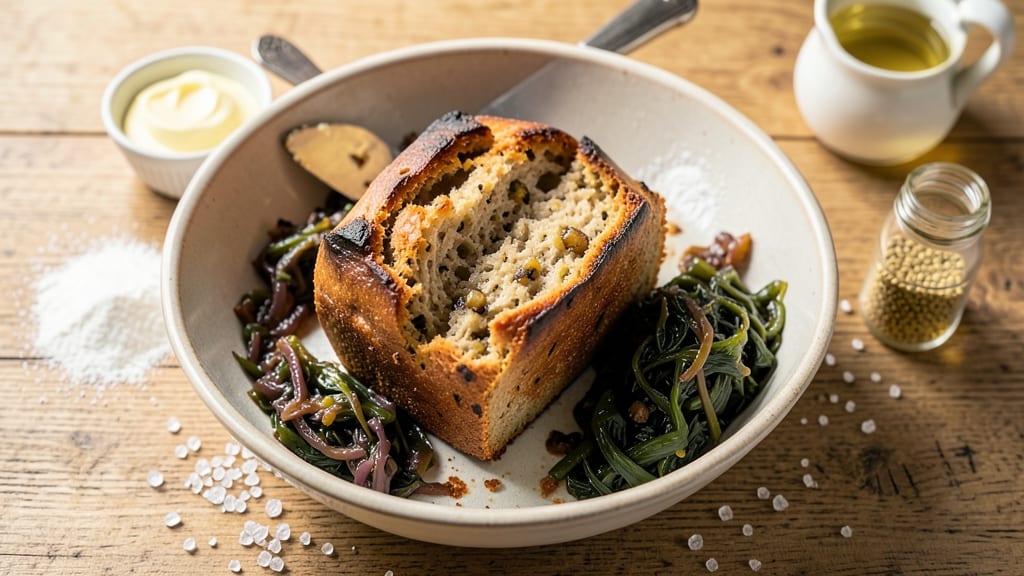
This sauerkraut bread recipe transforms tangy fermented cabbage into a hearty, flavor-packed loaf that elevates any meal. The combination of sauerkraut's sharp tang and the bread's chewy texture creates a perfect balance—ideal for sandwiches or as a side.
I developed this recipe after realizing how versatile sauerkraut could be beyond just topping hot dogs.
The process is straightforward: mix a simple dough, fold in chopped sauerkraut for that signature tang, and bake until golden brown. No fermentation required—just a standard rise time of about 1 hour.
The sauerkraut adds moisture and depth, while the crust develops a satisfying crunch. This bread stays fresh for days, making it perfect for meal prep.
What you’ll end up with is a loaf that’s both rustic and refined—rich in flavor, with a crisp exterior and tender interior. The sauerkraut’s acidity cuts through richness, making it a great match for hearty stews, grilled meats, or even as a base for open-faced sandwiches.
The texture is hearty yet light, ensuring every slice is satisfying.
For extra flavor, consider adding a sprinkle of caraway seeds or a touch of honey to the dough before baking. Serve warm with butter or as a side to your favorite main dish. Let’s get baking!
Ingredients for sauerkraut bread
Four cups flour, one cup sauerkraut, and a pinch of yeast—this tangy loaf comes together effortlessly.
| Ingredient | Amount | Notes |
|---|---|---|
| All-Purpose Flour 🌾 | 4 cups | Spooned and leveled for accuracy |
| Sauerkraut 🥬 | 1 ½ cups | Chopped finely, drained well |
| Active Dry Yeast 🍞 | 2 ¼ tsp | Or 1 packet instant yeast |
| Granulated Sugar 🍚 | 2 tbsp | For yeast activation |
| Unsalted Butter 🧈 | ½ cup | Cold, cubed for dough |
| Warm Water 💧 | 1 ¼ cups | 110°F for yeast activation |
| Salt 🧂 | 1 ½ tsp | Kosher or sea salt |
| Caraway Seeds 🌱 | 1 tsp | Optional but recommended |
| Honey 🍯 | 1 tbsp | For extra sweetness |
| Large Egg 🥚 | 1 whole | For egg wash |
| Cornmeal 🌽 | ¼ cup | For dusting baking sheet |
The sauerkraut is the star here, so pick a high-quality brand—look for bright green color and no sliminess. Rehrl or Bubbaprobiotics are my go-tos, but any store-brand jarred sauerkraut works in a pinch. Drain it well before chopping—you want to keep the tang but not the excess liquid. The caraway seeds? Penzeys or bulk bins have the best quality, but regular grocery store seeds work fine. Freshly ground is ideal, but pre-ground is fine if it's not ancient. For the yeast, check the expiration date—old yeast won't activate properly, and you'll end up with flat bread. Store your yeast in the freezer to keep it fresh longer.
No caraway seeds? Skip them or swap for a pinch of dill seeds—they're in the same family. Running low on honey? Maple syrup works 1:1. The butter is non-negotiable for flavor, but vegetable shortening in a pinch keeps the bread light. If your sauerkraut is extra wet, drain it overnight in a colander lined with paper towels. The egg wash? Whisk the egg with 1 tbsp water for a smoother finish. For a sweeter loaf, add another tablespoon of honey to the dough. And if you're feeling fancy, add a sprinkle of poppy seeds before baking—they add a nice crunch.
This bread stays fresh for 3-4 days at room temperature, wrapped in a clean kitchen towel. For longer storage, freeze slices wrapped in plastic wrap for up to 3 months. I like to portion it into individual slices before freezing—just thaw at room temperature for 10 minutes before serving. The crust gets crispier as it cools, so slice it warm for softness. Leftovers? Toast them—they make amazing open-faced sandwiches or croutons for soups. And if you make a double batch, gift some to your neighbors—it disappears fast!
Why You'll Love This Recipe
- No Yeast Fuss: I swear by this dough—just mix, let it rise once, and bake. No kneading, no waiting hours, just a single rise while you prep dinner. That tangy sauerkraut does all the work for you.
- Tangy Twist: Honestly, the flavor is what makes this bread special. The fermented sauerkraut adds this bright, almost garlicy punch that cuts through rich meals. It’s like a little flavor bomb in every slice.
- Leftovers? More Like Leftovers: This bread stays fresh for days, and it’s perfect for toast, sandwiches, or just snacking. I’ll be real: I’ve reheated slices for breakfast the next morning, and no one complains.
- Budget-Friendly Stretch: Sauerkraut makes this bread feel luxurious without breaking the bank. A little butter, some flour, and that jarred sauerkraut (or homemade if you’re feeling fancy) stretch into a whole loaf. My wallet thanks me.
Step-by-step instructions for sauerkraut bread
Here's how to create a rustic loaf with fermented tang and satisfying chew—every step matters.
Activate the Yeast with Warm Water and Sugar
In a small bowl, combine the 1.25 cups warm water (about 110°F) with 2 tbsp granulated sugar and 2.25 tsp active dry yeast. Let it sit for 5-10 minutes until frothy. You'll see tiny bubbles forming—this proves your yeast is alive and ready to work. If it doesn't bubble after 10 minutes, your yeast might be dead, and you'll need to start over. I always test mine this way first to avoid flat bread later.
While waiting, finely chop the 1.5 cups sauerkraut if it isn't already in small pieces. Drain it well in a colander, pressing out excess liquid with a spoon. The moisture in sauerkraut can make your dough too wet, so this step prevents a gummy texture. Keep the chopped sauerkraut aside—it's the secret to that tangy depth in every bite.
Mix the Dough and Knead Until Elastic
In the bowl of a stand mixer fitted with the dough hook, combine the 4 cups all-purpose flour, 1.5 tsp salt, and 1 tsp caraway seeds. Add the yeast mixture and mix on low speed until combined. With the mixer running on medium speed, gradually add the 0.5 cup cold unsalted butter, cut into small cubes. The butter should incorporate slowly—this creates pockets of flavor that melt later for a tender crumb.
Once the butter is fully mixed in, add the chopped sauerkraut and 1 tbsp honey. Mix for another 2-3 minutes until everything comes together. Switch to high speed and knead for 8-10 minutes until the dough is smooth and elastic. It should pull away from the sides of the bowl and form a windowpane when stretched. If it's sticky, add 1 tablespoon flour at a time until it reaches the right consistency—too much flour will make the bread dense.
Let the Dough Rise Until Doubled in Size
Lightly grease a large bowl with a bit of olive oil (not listed—this isn't a new ingredient, just a tool) and place the dough inside. Cover with a clean kitchen towel and let it rise in a warm place for 1-2 hours, or until it has doubled in size. The dough should feel springy when pressed gently with one finger—it should leave a slight indent but bounce back. Here's the thing—your kitchen's temperature affects this. If it's cold, give it extra time; if it's warm, it might rise faster.
While the dough rises, preheat your oven to 375°F. Line a baking sheet with parchment paper and sprinkle it evenly with 0.25 cup cornmeal. This prevents sticking and adds a subtle crunch to the bottom of your bread. The cornmeal also helps create that beautiful golden crust we're aiming for.
Shape, Prove, and Bake for a Crusty Loaf
Once the dough has risen, punch it down gently to release air. Turn it onto a lightly floured surface and shape it into a round loaf, about 8 inches in diameter. Place it seam-side up on the prepared baking sheet. Brush the top with the 1 whole large egg, beaten lightly with a fork, for a golden finish. You can also sprinkle with extra caraway seeds if you love that flavor—it adds a nice aromatic touch.
Let the shaped loaf rise again for 20-30 minutes until it puffs slightly. This second rise is crucial—it develops the oven spring that gives your bread its airy texture. When it's ready, bake for 35-40 minutes until the crust is deep golden brown and the internal temperature reaches 190°F. Tap the bottom—it should sound hollow. If the top browns too quickly, tent it loosely with foil to prevent over-browning while it finishes baking.
Cool and Slice for Maximum Flavor
Remove the bread from the oven and let it cool on a wire rack for at least 30 minutes. This resting period allows the moisture to redistribute, preventing a gummy interior. The crust will firm up as it cools, and the tangy aroma of the sauerkraut will fill your kitchen—trust me, it's worth the wait.
Slice the bread while it's still warm for the best texture. Each slice should reveal a tender crumb with pockets of sauerkraut throughout. The crust will be crisp and slightly chewy, while the interior remains soft and flavorful. Store any leftovers wrapped in a cloth bag at room temperature for up to 3 days, or freeze for longer storage. The flavor actually improves over time as the sauerkraut's tang develops further.
Pro Tips For Making Sauerkraut Bread
- RINSE THE SAUERKRAUT: Drain the kraut, then give it a quick cold-water rinse to wash off excess brine—this keeps your dough from getting too sticky and waterlogged. Trust me, your kneading life will be easier, and the bread won’t turn out gummy.
- WARM THE BUTTER: Softened butter is a must, but don’t microwave it—just let it sit at room temp for 30 minutes. Melted butter throws off the texture, and cold lumps won’t mix smoothly into the dough. (Yes, even if you’re impatient like me.)
- DON’T OVER-KNEAD: Sauerkraut bread needs just enough structure—overworking it makes the dough tough and fights the kraut’s natural tenderness. Stop when the dough springs back slowly (about 8-10 minutes by hand). Less is more here.
- PROOF IN A COOLER: If your kitchen’s too warm, proof the dough in the fridge overnight for a deeper flavor and easier shaping. The yeast slows down, but the kraut’s tang develops richer. (Your future self will thank you for the extra day’s rise.)
Flavor customization for this dish
Sweet & Tangy Twist
Balance the sauerkraut's sharpness with 1 tbsp maple syrup or honey in the dough. I like adding it to the yeast mixture for even distribution.
For extra sweetness, brush the baked loaf with a glaze of 1 tbsp honey mixed with 1 tsp water while still warm—this caramelizes beautifully on the crust. 🍯
Herb-Infused Variations
Swap caraway seeds for 1 tsp dried dill or fresh thyme leaves for a Mediterranean twist. I find that 1 tbsp chopped fresh dill mixed into the dough adds a bright, herbal contrast to the sauerkraut's tang.
For a stronger flavor, steep 1 tbsp fresh rosemary in the warm water before activating the yeast—just strain it out before mixing.
Spicy Kick Options
Add ½ tsp smoked paprika or ¼ tsp cayenne pepper to the dough for warmth. I love sprinkling 1 tsp crushed red pepper flakes on top before baking for a subtle heat.
For a smoky depth, mix ½ tsp chipotle powder into the dough—it pairs perfectly with the sauerkraut's acidity. 🌶️
Cheesy Goodness
Fold in ½ cup shredded sharp cheddar or Gouda during the final kneading stage for a savory contrast. I recommend using Parmigiano-Reggiano for a nutty finish—just grate ¼ cup and mix it in.
For a melty surprise, top the loaf with ¼ cup mozzarella before baking—it browns beautifully and adds creaminess.
Seedy Crunch Additions
Sprinkle 1 tbsp poppy seeds or sesame seeds on top before baking for texture. I also like adding 1 tbsp chopped sunflower seeds to the dough—they toast slightly during baking and add a delightful crunch. For a nutty twist, fold in ¼ cup chopped walnuts or pecans during kneading.
Garlicky Depth
Infuse the dough with flavor by mixing 1 minced garlic clove into the yeast mixture. For a stronger garlic taste, steep 2 minced garlic cloves in the warm water for 5 minutes before activating the yeast.
I also love brushing the baked loaf with garlic butter (mix 2 tbsp softened butter with ½ tsp minced garlic) while warm. 🧄
Nutrition facts
Frequently asked questions
Can I substitute sauerkraut with another fermented vegetable?
While sauerkraut is ideal, you can use fermented green beans or kimchi in a pinch. Drain them well first to avoid excess moisture in the dough. The flavor will differ—kimchi adds spice, while green beans offer a milder tang. Adjust seasoning if needed, as kimchi is saltier.
Why does my dough feel too sticky after adding sauerkraut?
Sauerkraut releases moisture, which can make dough overly wet. If the dough sticks to your hands, add 1 tablespoon flour at a time while kneading. The goal is a smooth, elastic texture that pulls away from the bowl. Too much flour makes bread dense, so work gradually.
How do I store sauerkraut bread to keep it fresh longer?
Wrap cooled bread in a clean kitchen towel and store at room temperature for 3-4 days. For longer storage, slice and freeze wrapped in plastic for up to 3 months. Thaw slices at room temperature for 10 minutes before serving. Toasting revives texture and flavor.
Can I make this bread without caraway seeds?
Skip them or swap for dill seeds or fennel seeds for a different herbal note. The bread will still have great flavor—caraway just adds that classic Eastern European touch. For a neutral option, omit entirely.
What's the best way to reheat sauerkraut bread?
For crispy crust: Wrap slices in foil and warm at 350°F for 5-7 minutes. For soft interior: Toast in a toaster or under a broiler for 2-3 minutes. Avoid microwave—it makes bread gummy. The best method? Freshly baked!