
Side Dishes
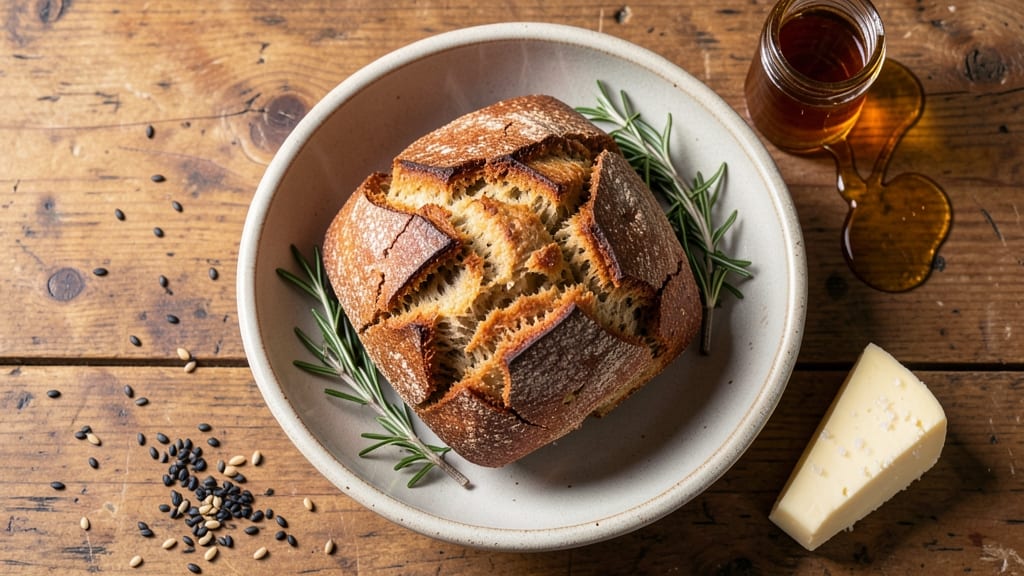
Sally's Baking Addiction Irish soda bread recipe delivers that perfect balance of buttery crust and tangy crumb in just 20 minutes—no yeast, no fuss, just pure Irish charm.
The secret lies in the traditional method of mixing dry ingredients first, then cutting in cold butter for that signature flaky texture. I've baked countless loaves since discovering this recipe, and it never fails to impress with its rustic appeal and satisfying crunch.
What makes this recipe special is its simplicity—just five core ingredients that come together with minimal effort. The bread develops its signature tang from the buttermilk, which also creates that signature tender crumb.
Unlike many quick breads, this one doesn't require kneading or waiting for yeast to rise, making it ideal for busy weeknights or last-minute gatherings.
By the time it emerges from the oven, you'll have a golden-brown loaf with a crisp crust that shatters when sliced, revealing a moist interior with pockets of airy texture.
The aroma alone will have everyone gathering around your kitchen, and the taste is pure comfort—slightly tangy, buttery, and just sweet enough to pair beautifully with butter or jam.
This recipe works perfectly as a side for soups, a snack with tea, or even a light breakfast option. The best part? It keeps well for days, making it ideal for meal prep. Let's get baking!
Ingredients for sally's baking addiction irish soda bread
Five simple ingredients transform into rustic Irish soda bread with a crisp crust and tender crumb.
| Ingredient | Amount | Notes |
|---|---|---|
| All-Purpose Flour 🌾 | 4 cups | Sifted for even texture |
| Baking Soda 🧂 | 1 tsp | Essential for rise |
| Salt 🧂 | ½ tsp | Kosher or sea salt |
| Cold Unsalted Butter 🧈 | ½ cup | Cut into small cubes |
| Buttermilk 🥛 | 1 ½ cups | Room temperature preferred |
| Honey 🍯 | 2 tbsp | For subtle sweetness |
| Freshly Ground Black Pepper 🌶️ | ¼ tsp | Enhances buttery flavor |
The flour is the backbone of this bread, so King Arthur or Gold Medal are my go-to choices—they bake up perfectly every time. For the butter, Land O'Lakes or Plugrá work beautifully, but any cold, unsalted butter will do. The key is keeping it cold until it hits the oven—this ensures that signature flaky texture. Buttermilk should be room temperature when mixing, but not warm. If you're in a pinch, substitute 1.5 cups milk plus 1 tbsp vinegar or lemon juice, let it sit for 5 minutes. The honey adds just enough sweetness to balance the tang, but don't overdo it—this isn't a dessert.
No buttermilk on hand? Plain yogurt or sour cream thinned with milk works in a bind, though the flavor will be slightly different. If you're avoiding dairy, unsweetened almond milk with 1 tbsp vinegar mimics the tang. For extra richness, swap the honey for maple syrup. The pepper might seem unusual, but it rounds out the buttery flavor beautifully—don't skip it. If you prefer a sweeter loaf, add 1 tbsp molasses or brown sugar to the dry ingredients. The bread keeps well for 3-4 days at room temperature, but it's best enjoyed fresh—wrapped in a cloth, it stays moist longer.
This bread freezes beautifully—slice it before freezing for easy toasting later. Store in an airtight container or wrapped tightly in foil for up to 1 week. For meal prep, bake two loaves and freeze one immediately. The crust stays crisp even after freezing, and the crumb remains tender when reheated. To revive, wrap in foil and warm in a 350°F oven for 5-10 minutes. Perfect for toast, sandwiches, or serving alongside soups—just like in Ireland.
Why You'll Love This Recipe
- No-Mix Magic: I swear by this recipe—just fold the cold butter cubes into the dry flour, add buttermilk, and let the baking soda do its work. No kneading, no fuss, and no waiting for dough to rise. Honestly, I’ve made it in my pajamas while scrolling through my phone.
- Buttermilk Secret: That tangy buttermilk punch? It’s what turns this into something special. The butter melts into flaky pockets while the soda bread develops a subtle, warm sweetness that’s addictive. I’ll be real: the first slice disappears faster than I can say “second helping.”
- Breakfast to Picnic: This bread is my go-to for toast in the morning, sandwiches at lunch, or even a quick snack with jam. I’ve packed it for hikes, served it at brunch, and used it to soak up soup when I’m too tired to cook. It’s the one loaf that does it all.
- Lasts All Week: A single batch keeps in my freezer for days—just toast straight from frozen. Between us, I’ve fed a crowd with half a loaf because it’s cheap to make and always welcome. Plus, the crust stays crisp even when reheated. My wallet and my guests thank me.
Step-by-step instructions for sally's baking addiction Irish soda bread
Here's the method for a rustic loaf with a crisp buttery crust and tender crumb.
Mix Dry Ingredients for Perfect Texture
In a large mixing bowl, combine the 4 cups all-purpose flour, 1 teaspoon baking soda, and ½ teaspoon salt. Sift the mixture together to aerate the flour and ensure even distribution of the leavening agent. This creates tiny air pockets that will give your bread its signature open crumb structure.
Next, add the 2 tablespoons honey and ¼ teaspoon freshly ground black pepper to the dry ingredients. Whisk everything together until thoroughly combined and no flour streaks remain. The honey will add subtle sweetness while balancing the tangy buttermilk, and the pepper enhances the buttery flavor without overpowering it.
Cut in the Cold Butter for Flaky Layers
Add the ½ cup cold unsalted butter, cut into small cubes, to the dry mixture. Using a pastry cutter or your fingers, work the butter into the flour until you achieve a coarse crumb texture with pea-sized butter pieces remaining. The cold butter is crucial—it creates steam during baking, resulting in that signature crisp crust and tender interior.
Be careful not to overwork the mixture. You're looking for a texture similar to coarse sand with visible butter pieces. If the butter starts to melt, chill the mixture for 5 minutes before continuing. This ensures proper layering when the bread bakes.
Combine with Buttermilk for Tangy Flavor
Make a well in the center of your dry mixture and pour in the 1½ cups buttermilk. Using a wooden spoon or rubber spatula, gently mix just until the dough comes together. The buttermilk's acidity reacts with the baking soda to create lift, while its tanginess becomes the signature flavor of this bread.
Once combined, turn the dough onto a lightly floured surface and knead gently for 2-3 minutes until it forms a smooth, slightly sticky ball. Avoid over-kneading—this bread relies on its rustic texture rather than a smooth, elastic dough. The dough should be soft but not wet, and it may feel slightly tacky.
Shape and Prepare for Baking
Divide the dough into 4 equal portions (about 1 cup each) and shape each into a round loaf. Place them on a baking sheet lined with parchment paper, spacing them about 2 inches apart. For that classic Irish soda bread look, make a deep cross on top of each loaf using a sharp knife, cutting almost to the bottom of the dough.
The cross serves two purposes: it allows steam to escape during baking (preventing a dense crumb) and creates that iconic visual signature. Brush the tops of each loaf lightly with a bit of cold water using a pastry brush. This helps create a crisp crust while keeping the interior tender.
Bake Until Golden and Hollow-Sounding
Preheat your oven to 425°F with a rack positioned in the middle. Bake the loaves for 18-22 minutes until they're golden brown on top and sound hollow when tapped on the bottom. The internal temperature should reach 190-195°F at the center.
Here's the thing—this bread is done when it develops that crisp crust and sounds hollow when tapped. If you cut into one too soon, the crumb will be gummy. For best results, let the bread cool on a wire rack for 10 minutes before serving. The crust will continue to crisp up as it cools, and the interior will develop that perfect tender texture.
Pro Tips For Making Sally'S Baking Addiction Irish Soda Bread
- Cut Butter Last: Add the cold butter cubes after mixing flour, baking soda, and salt—right when you pour in the buttermilk. This keeps those butter pieces bigger and more dramatic in your bread, giving you those coveted pockets of richness instead of a dry, crumbly mess. I used to toss it in early, and the butter just disappeared into the dough like it owed money.
- Measure Buttermilk Right: Use a liquid measuring cup for the buttermilk—fill it to the line, then tap the cup gently against the counter to settle the bubbles. Too little buttermilk makes the dough stiff; too much turns it into a sad, sticky puddle. I learned this the hard way when my first batch collapsed like a deflated balloon.
- Skip the Overmixing: Stir the dough just until the flour is mostly incorporated—lumps are fine. Overworking it develops gluten, and your soda bread will turn out dense instead of light and airy. Give it two quick stirs, then let the baking soda do its magic. Yes, even if you’re impatient like me.
- Preheat Pan, Not Oven: Place your baking dish in a cold oven, then turn the heat to 425°F. This gets the pan piping hot before the dough goes in, ensuring a deep golden crust instead of a pale, sad top. I was skeptical until I tried it—now I never skip this step. The crust is the thing that matters most.
Best sauces and condiments for this sally's baking addiction irish soda bread
Classic Butter Spread
Nothing beats the simplicity of unsalted European-style butter like Plugrá or Kerrygold melted over warm Irish soda bread. I like to soften 2 tablespoons of butter and brush it over freshly baked slices while still warm—this creates a crisp, golden crust that contrasts beautifully with the tender crumb.
For extra richness, mix in 1 teaspoon honey and a pinch of freshly cracked black pepper before spreading. 🧈
Sweet Jam Pairings
Traditional Irish soda bread pairs wonderfully with raspberry or blackberry jam—the tartness of the jam complements the bread's tangy buttermilk flavor. I recommend St. Dunstan's Raspberry Jam or a homemade version with 1 cup raspberries, ½ cup sugar, and a splash of lemon juice.
Spread a thin layer on warm bread for a perfect balance of sweet and savory. For a twist, try orange marmalade with a hint of cinnamon.
Creamy Cheese Options
Creamy Irish cheddar or Gouda adds a savory depth that elevates this bread. I like to slice ½-inch thick pieces of Young Irish Cheddar and layer them with a thin spread of butter.
For a vegetarian twist, try smoked Gouda—its caramelized, smoky notes pair beautifully with the bread's buttery crust. 🧀
Herb Butter Variations
Infuse your butter with fresh herbs for a gourmet touch. Mix ¼ cup softened butter with 1 tablespoon chopped chives, 1 tablespoon parsley, and a pinch of garlic powder.
Spread generously on warm bread for a bright, herbaceous flavor. For a spicy kick, add ½ teaspoon smoked paprika or a pinch of cayenne pepper to the butter mixture.
Sweet and Savory Toppings
For a breakfast or brunch twist, top your bread with thinly sliced apples tossed in 1 teaspoon cinnamon and a drizzle of honey. The warmth of the bread caramelizes the apples slightly, creating a delicious contrast.
Another favorite is crumbled bacon with a dollop of sour cream—the smoky, salty flavor cuts through the bread's richness perfectly. 🍏
Coffee and Tea Pairings
Irish soda bread is a classic companion to Irish breakfast tea or a robust dark roast coffee. The bread's buttery, tangy notes stand up well to the bold flavors of Assam tea or a French press coffee.
For a dessert-like pairing, serve with whipped cream and a sprinkle of cocoa powder—it’s a crowd-pleaser at afternoon tea gatherings.
Nutrition facts
Frequently asked questions
Why does Irish soda bread have a cross on top?
The cross serves two important purposes: it allows steam to escape during baking, preventing a dense crumb, and it creates the iconic visual signature of traditional Irish soda bread. The cuts also help the bread bake more evenly, giving it that perfect rustic appearance.
Can I make this bread without buttermilk?
Mix 1.5 cups milk with 1 tablespoon vinegar or lemon juice, let it sit for 5 minutes until thickened, and use as a substitute. For a dairy-free version, try unsweetened almond milk with the same acid addition. The tang remains, though the flavor will differ slightly.
How do I know when the bread is fully baked?
Your bread is done when it's golden brown on top and sounds hollow when tapped on the bottom. The internal temperature should reach 190-195°F. Cutting into it too soon can result in a gummy texture, so always let it cool for 10 minutes before slicing.
Can I add mix-ins like raisins or seeds?
Yes! Fold in ½ cup raisins or 1 cup mixed seeds (like sunflower or flax) with the buttermilk. For best results, soak raisins in warm water for 10 minutes first to plump them up. Keep the dough slightly sticky—overmixing will make it tough.
Why did my bread turn out dense instead of airy?
Dense bread usually means overmixing or not cutting the butter into pea-sized pieces. Keep the butter cold and work quickly—this creates steam for lift. Also, ensure your baking soda is fresh (old baking soda loses potency). For extra airiness, sift the flour before mixing.