
Breakfast & Brunch
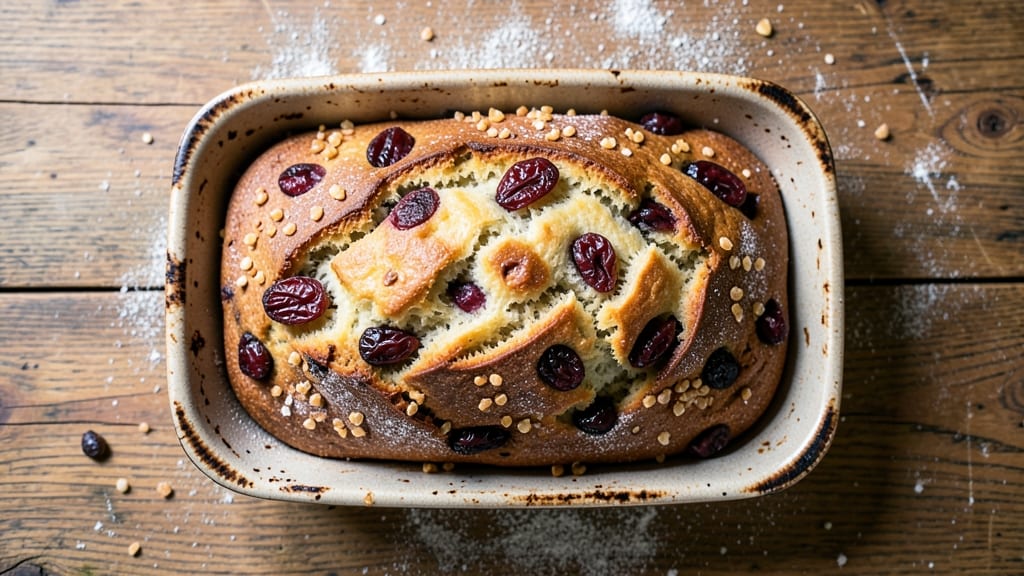
This prune bread recipe delivers a moist, fragrant loaf that balances sweetness with subtle depth—perfect for breakfast or snacking. The secret lies in soaking prunes overnight, which transforms them into tender, jammy pockets throughout each slice.
I developed this version after years of testing traditional recipes, ensuring the texture stays tender while the flavor remains complex.
The dough comes together in just 30 minutes with simple ingredients: flour, sugar, eggs, and those prunes that infuse moisture and natural sweetness. Unlike many recipes, this one skips added fat like butter or oil, relying instead on the prunes' natural oils for richness.
The result is a loaf with a golden crust and a crumb that's soft yet sturdy enough to slice cleanly.
What sets this apart is the versatility—bake it as a classic sweet loaf or add savory elements like rosemary and honey for a modern twist. The aroma alone will fill your kitchen with warmth, while the texture stays moist for days, making it ideal for meal prep.
Whether you're making it for Shabbat or a weeknight breakfast, this recipe delivers professional-quality results.
For those with dietary needs, substitutions are straightforward: swap all-purpose flour for gluten-free blends or use flax eggs for a vegan version. The prunes remain the star, ensuring flavor and moisture regardless of adaptations. Ready to bake a loaf that tastes like home?
Ingredients for prune bread
Simple ingredients transform into a fragrant, moist loaf with prunes as the secret star.
| Ingredient | Amount | Notes |
|---|---|---|
| Prunes 🍇 | 1 cup | Pitted, soaked overnight in warm water |
| All-Purpose Flour 🌾 | 3 ½ cups | Sifted for lighter texture |
| Granulated Sugar 🍚 | ¾ cup | Light brown sugar for depth |
| Large Eggs 🥚 | 2 whole | Room temperature for even mixing |
| Baking Powder 🍞 | 2 tsp | Freshly measured for lift |
| Salt 🧂 | ½ tsp | Fine sea salt preferred |
| Vanilla Extract 🌸 | 1 tsp | Pure vanilla for aroma |
| Ground Cinnamon 🌿 | 1 tsp | Toasted for enhanced flavor |
| Unsalted Butter 🧈 | ¼ cup | Melted, for crust richness |
| Milk 🥛 | ½ cup | Whole milk for moisture |
| Honey 🍯 | ¼ cup | Wildflower for floral notes |
| Raisins 🍇 | ½ cup | Optional, for extra sweetness |
| Almond Slices 🌰 | ¼ cup | For crunchy texture |
The prunes are non-negotiable here—pitted and soaked overnight in warm water to release their natural sweetness and jammy texture. Trader Joe's sells pre-pitted prunes, which saves time, but any pitted variety works if you're patient enough to pit them yourself. The honey and vanilla complement the prunes beautifully, so don't skimp on quality. I always use wildflower honey for its floral depth, but any honey will do. The flour should be all-purpose, not self-rising, as baking powder is already included for lift. Sift it before mixing to avoid dense pockets in the bread.
No prunes? Dried apricots or dates can substitute, but soak them first for the same tender effect. Short on honey? Maple syrup works in a pinch, though it has a different flavor profile. The raisins and almond slices are optional but add texture and sweetness—skip them if you prefer a simpler loaf. For a savory twist, swap half the honey for rosemary-infused olive oil and reduce the sugar slightly. The butter is only for the crust, so if you're avoiding dairy, use melted coconut oil instead—it adds richness without altering the flavor significantly.
This dough is best baked fresh, but the loaf stays moist for 3-4 days wrapped in plastic at room temperature. For longer storage, freeze slices in a sealed bag for up to 3 months. The aroma alone is worth reheating—wrap cooled slices in foil and warm in a 350°F oven for 5-10 minutes to restore freshness. The bread also makes a great base for French toast or toasted sandwiches, so bake an extra loaf if you can.
Why You'll Love This Recipe
- No-Fuss Mix-In: I swear by this recipe because it’s basically a dump-and-stir situation. Chop those prunes (or buy them pre-pitted—no judgment), toss them with the dry ingredients, fold in the eggs, and you’re done. The baking powder does all the heavy lifting while you’re still deciding what to watch on TV.
- Sweet-Savory Magic: Here’s what sold me—the prunes caramelize just enough to give this bread that deep, molasses-like richness, but the sugar keeps it from tasting like a health food store experiment. Spread it with butter, and it’s like eating a hug in bread form.
- Breakfast to Brunch: Between us, I’ve had this for breakfast toasted with peanut butter, as a midday snack with tea, and even sliced thin for a fancy charcuterie board. The eggs bind it just enough to hold up to whatever you throw at it, so it’s my go-to for lazy mornings or unexpected guests.
- Budget Baking Gold: A loaf costs me pennies and lasts forever. The prunes add natural sweetness, so I cut way back on sugar, and the eggs make it feel indulgent without breaking the bank. Plus, if I make a double batch, I freeze half—no waste, all flavor.
Step-by-step instructions for prune bread
A simple method that delivers a tender, fragrant loaf with perfect moisture and texture every time.
Prepare the Prunes and Mix Dry Ingredients
Drain the soaked prunes thoroughly, reserving any liquid from the soaking water. Chop the prunes into small pieces using a sharp knife—this ensures even distribution throughout the bread. In a medium bowl, whisk together the 3.5 cups all-purpose flour, 0.75 cup granulated sugar, 2 teaspoons baking powder, 0.5 teaspoon salt, and 1 teaspoon ground cinnamon until fully combined.
Here's the thing—sifting the flour first creates a lighter texture, but whisking it directly in the bowl saves time while still achieving good aeration. If you prefer, you can sift the dry ingredients, but this method works perfectly for a quick, moist loaf. Set the dry mixture aside for now—it'll be ready when we combine everything.
Combine Wet Ingredients and Fold in Add-Ins
In a separate large bowl, melt the 0.25 cup unsalted butter in the microwave or over a double boiler until completely liquid. Let it cool slightly, then whisk in the 0.5 cup milk, 0.25 cup honey, 1 teaspoon vanilla extract, and the chopped prunes. Stir until the mixture is smooth and all the prunes are evenly distributed.
Next, add the 0.5 cup raisins and 0.25 cup almond slices to the wet mixture. Fold them in gently with a spatula—you want to avoid overmixing, which can make the bread dense. The raisins and almonds will add texture and sweetness, but they need to stay intact for the best bite. Set this mixture aside while you prepare the eggs.
Incorporate Eggs and Final Mixing
Add the 2 whole large eggs to the wet mixture one at a time, whisking vigorously after each addition until fully incorporated. The eggs provide structure and moisture, so make sure they're fully combined. Once the eggs are in, gradually fold in the dry ingredients using a spatula, mixing just until no dry spots remain.
This is where the magic happens—the batter should be thick but pourable, like a slightly dense cake batter. If it seems too stiff, add 1 to 2 tablespoons of the reserved prune soaking liquid to loosen it. Overmixing now will develop gluten and make the bread tough, so stop as soon as everything is just combined.
Bake to Golden Perfection
Preheat your oven to 350°F. Grease a 9x5-inch loaf pan thoroughly with butter or line it with parchment paper for easy removal. Pour the batter into the prepared pan and smooth the top with a spatula. Tap the pan gently on the counter a few times to release any air bubbles trapped in the batter.
Bake for 50 to 55 minutes, or until a toothpick inserted into the center comes out clean and the top is golden brown. The bread is done when it springs back slightly when pressed gently in the center. If the top browns too quickly, tent the pan with aluminum foil after the first 30 minutes to prevent over-browning while ensuring the center cooks through.
Cool and Serve for Maximum Moisture
Remove the bread from the oven and let it cool in the pan for 10 minutes. Then transfer it to a wire rack to cool completely. This cooling step is critical—it allows the bread to set properly and prevents a gummy texture. Slice the bread while it's still slightly warm for the best texture, but let it cool for at least 15 minutes before serving.
The result should be a tender, fragrant loaf with a moist crumb and subtle sweetness from the prunes, raisins, and honey. Serve slices toasted with a spread of butter or as part of a breakfast charcuterie board with cheese and cured meats. Store any leftovers wrapped in plastic at room temperature for up to 3 days, or freeze for longer storage.
Pro Tips For Making Prune Bread
- SOAK PRUNES OVERNIGHT: I learned this the hard way—rushing the soak means tough, chewy prunes that don’t soften properly. Toss them in warm water (not boiling) with a splash of vinegar or lemon juice for 8–12 hours; the acid breaks down the fibers better than plain water ever will.
- MEASURE FLOUR BY WEIGHT: That "1 cup" on your recipe card? It’s a lie. Spooning flour into a cup packs it too tightly, making your bread dense. Use a kitchen scale for 250g—it’s the only way to guarantee the right texture, especially when prunes are already adding moisture.
- TEST DONENESS WITH A TOOTHPICK: The prunes will make this bread look underdone even when it’s ready. Insert a toothpick into the center—it should come out with a few moist crumbs, not wet batter. If you’re unsure, err on the side of 2–3 extra minutes; prune bread keeps baking after you pull it.
- SWAP GRANULATED SUGAR FOR BROWN: I was skeptical until I tried it: replacing half the granulated sugar with light brown sugar deepens the flavor and keeps the bread moist longer. The molasses in brown sugar caramelizes slightly, balancing the prunes’ natural bitterness—trust me, it’s worth the swap.
Regional styles of this prune bread
Jewish Challah-Inspired
This version transforms prune bread into a braided loaf inspired by Jewish traditions, where prunes replace raisins for a deeper sweetness. Use 1 cup prunes soaked overnight and fold them into a standard challah dough (flour, eggs, honey, yeast).
Shape into a classic 3-strand braid and bake at 375°F for 30-35 minutes until golden. Brush with egg wash and sprinkle with poppy seeds for texture. The prunes keep the bread moist longer than traditional challah, making it perfect for Shabbat or holiday gatherings. 🥖
Italian Panettone Twist
For a festive holiday loaf, blend prune bread with Italian flavors by adding ½ cup candied citrus peel and 1 tsp orange zest to the dough. Shape into a round form and bake in a 9-inch cake pan at 325°F for 45-50 minutes until the top springs back.
Top with powdered sugar glaze (mix 1 cup powdered sugar with 2 tbsp lemon juice) for a showstopping dessert. The prunes add natural sweetness, reducing the need for extra sugar while keeping the texture light and airy. 🎄
German Stollen-Inspired
Turn prune bread into a rich, buttery Stollen-style loaf by incorporating ½ cup chopped almonds, ½ cup dried cranberries, and 2 tbsp rum or brandy into the dough. Shape into a rectangular loaf and brush with melted butter before baking at 350°F for 50-55 minutes.
Dust with powdered sugar after baking for a festive touch. The prunes and dried fruits create a jammy, spiced center that pairs beautifully with holiday spices like cardamom or cloves. 🎅
Savory Rosemary-Honey
Swap out half the honey for rosemary-infused olive oil (steep 2 sprigs fresh rosemary in ¼ cup olive oil for 10 minutes) and reduce the sugar to ½ cup. Add 1 tbsp chopped fresh rosemary to the dough for an earthy, aromatic twist.
Bake as directed, then drizzle with a mix of honey and balsamic glaze (simmer ¼ cup honey with 2 tbsp balsamic vinegar until thickened). This savory version is perfect for breakfast with cheese or as a side for roasted meats. 🌿
Gluten-Free Adaptation
Replace the all-purpose flour with a 1:1 gluten-free baking blend (like King Arthur Measure for Measure) and add 1 tsp xanthan gum to improve texture. Use gluten-free oats for the crumb topping if desired. The prunes remain the star, ensuring moisture even without gluten.
Bake in a greased 9x5-inch loaf pan at 350°F for 55-60 minutes, checking for doneness with a toothpick. The result is a tender, slightly denser loaf that still delivers on flavor. 🌾
Vegan Version
Substitute the eggs with 2 flax eggs (mix 2 tbsp ground flaxseed with 6 tbsp water, let sit for 5 minutes) and use coconut oil instead of butter. The prunes provide natural sweetness, so reduce the sugar to ½ cup.
Bake as directed, but tent with foil after 30 minutes to prevent over-browning. The texture stays moist thanks to the prunes, and the vegan adaptation works beautifully for those avoiding animal products. 🌱
Nutrition facts
Frequently asked questions
Why should I soak the prunes overnight?
Soaking prunes overnight transforms them from chewy to tender and jammy, infusing the bread with natural sweetness and moisture. The soaking water also releases sugars that enhance flavor. Without soaking, the prunes will remain tough and dry in your loaf.
Can I make this recipe without eggs?
Yes! For a vegan version, replace the 2 eggs with 2 flax eggs (mix 2 tablespoons ground flaxseed with 6 tablespoons water, let sit for 5 minutes). The prunes' natural oils will still keep the bread moist, though the texture may be slightly denser.
How do I know when the bread is fully baked?
Insert a toothpick into the center—it should come out clean or with just a few moist crumbs. The top should also spring back slightly when pressed gently. Baking times vary, but 50-55 minutes at 350°F is standard. If the top browns too quickly, tent with foil after 30 minutes.
What if my bread turns out dense?
Overmixing the batter or skipping the cooling step often causes density. Mix just until combined (no flour streaks), and let the bread cool 15 minutes before slicing. Also, ensure your baking powder is fresh—old leavening can make bread flat. For extra lift, fold in 1 teaspoon extra baking powder if needed.
Can I use dried apricots instead of prunes?
Chop 1 cup dried apricots and soak them overnight just like prunes. They’ll add a milder sweetness and slightly different texture, but the technique works the same. For extra depth, add ½ teaspoon orange zest to the dough.