
Side Dishes
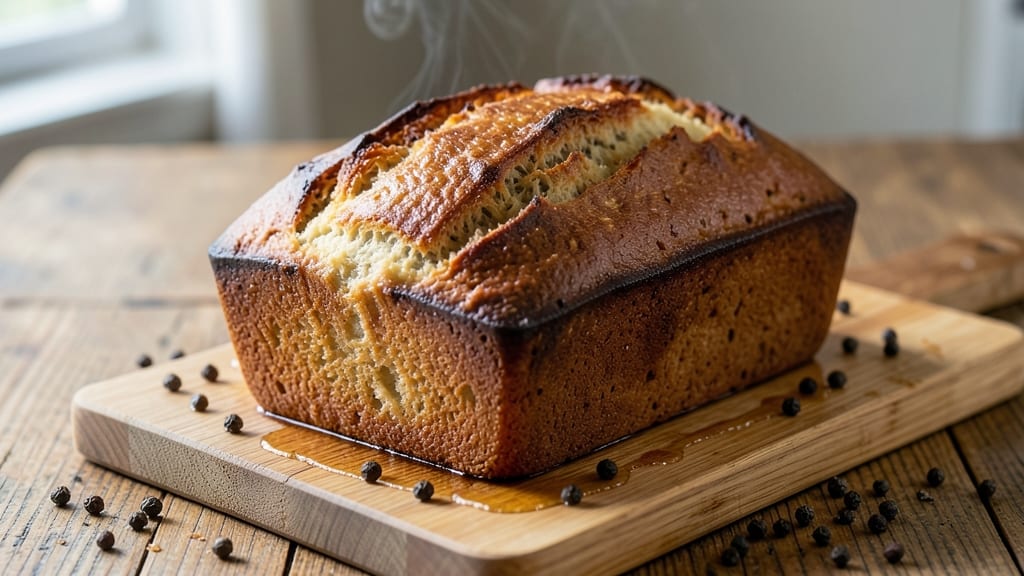
Paula Deen’s no-knead bread recipe brings that signature Southern charm to your kitchen with its golden crust and buttery swirls—no kneading required. This method transforms simple ingredients into artisanal loaves that rival bakery favorites, all while keeping the process effortless for home bakers.
The secret lies in a slow fermentation and Dutch oven baking, which creates that coveted crispy crust and tender crumb.
What makes this recipe truly special is how Paula Deen’s techniques simplify the process without sacrificing flavor or texture. You’ll mix the dough, let it rest overnight, then shape and bake it in a Dutch oven—no fancy equipment needed.
The buttery swirls add a luxurious touch, while the no-knead method ensures even beginners can achieve professional results every time.
The result is a loaf with a crispy, crackling crust and a soft, airy interior, perfumed with the rich aroma of Southern baking. The buttery swirls melt into every bite, creating a flavor profile that’s both comforting and impressive.
Whether you’re serving it fresh from the oven or toasted the next morning, this bread will become a staple in your home.
Perfect for feeding a crowd or enjoying as a side with soups and stews, this recipe scales easily and delivers restaurant-quality results with minimal effort. Let’s get started on baking bread that tastes like a Southern kitchen classic.
Ingredients for paula deen no knead bread
Simple pantry staples transform into Paula Deen's signature golden crust with buttery swirls.
| Ingredient | Amount | Notes |
|---|---|---|
| All-Purpose Flour 🌾 | 6 cups | Unbleached preferred for texture |
| Instant Yeast 🍞 | ½ tsp | Active dry works too |
| Granulated Sugar 🍚 | 1 tbsp | Enhances fermentation slightly |
| Salt 🧂 | 2 tsp | Kosher or sea salt preferred |
| Warm Water 💧 | 3 ½ cups | 110-115°F for ideal activation |
| Unsalted Butter 🧈 | ½ cup | Cold, cubed for swirls |
| Large Eggs 🥚 | 2 whole | Room temperature preferred |
| Honey 🍯 | 1 tbsp | For subtle sweetness |
| Cornmeal 🌽 | ¼ cup | For dusting Dutch oven |
| Coarse Sea Salt 🧂 | 1 tbsp | For crust enhancement |
| Ice Water ❄️ | ½ cup | For shaping dough |
The flour is the foundation—use King Arthur or Bob's Red Mill for consistent texture. Instant yeast activates faster than active dry, but if you only have active, proof it in warm water for 5 minutes first. The Dutch oven is non-negotiable for that crackling crust; Lodge or Le Creuset brands are industry standards. For the butter swirls, Land O'Lakes or Plugrah unsalted butter creates the richest flavor. Keep everything cold until shaping to prevent overmixing. The honey adds subtle sweetness that balances the salt in the crust.
No instant yeast? Active dry yeast at double the amount works, but proof it first. Short on cornmeal? Semolina or all-purpose flour substitutes fine. The ice water is crucial for handling—it helps the gluten relax during shaping. For a sweeter loaf, add 1 tbsp maple syrup to the dough. Want more flavor? Swap 1 tbsp flour for dried rosemary. The butter swirls can be made ahead and chilled for up to 24 hours—just let them soften slightly before rolling. If your Dutch oven lacks a lid, use a heavy aluminum foil ball instead.
Dough keeps 24 hours in the fridge for slower fermentation, but don't exceed 3 days—flavor peaks at 24. The shaped loaf can sit at room temp 1 hour before baking. For make-ahead convenience, freeze shaped dough up to 1 month—thaw overnight in the fridge before baking. Store baked bread in a canvas bag at room temp for 3 days or freeze up to 3 months. To revive stale bread, wrap in foil and reheat at 350°F for 10 minutes
Why You'll Love This Recipe
- No-Knead Magic: I’ll be real—this bread is the closest thing to a "set it and forget it" recipe I’ve ever used. Just mix flour, yeast, sugar, and warm water, let it rise overnight, and boom. No punching, no stress, no wondering if you overworked the dough.
- Golden Crust Secret: That little pinch of sugar in the dough? It caramelizes into a crisp, buttery crust that’s dangerously easy to devour straight from the pan. Honestly, I’ve caught myself sneaking slices just to enjoy that crunch.
- Everyday Star: Between us, this bread is my go-to for sandwiches, toast, or even a quick French dip. It’s sturdy enough for hearty fillings but soft enough to melt into buttery perfection. (Yes, even on a Tuesday night.)
- Budget Baked Treasure: A loaf costs me pennies to make—just flour, yeast, and a few minutes of my time—and it keeps for days in the freezer. I bake two loaves at a time, freeze one, and never worry about stale bread again.
Step-by-step instructions for Paula Deen's no-knead bread
Here's how to create Paula Deen's signature Southern-style bread with a crispy crust and rich buttery swirls.
Mix the Dough in a Dutch Oven
In a large Dutch oven, whisk together the 6 cups all-purpose flour, 0.5 teaspoon instant yeast, 1 tablespoon granulated sugar, and 2 teaspoons salt. Create a well in the center and pour in the 3.5 cups warm water. Stir with a wooden spoon until a shaggy dough forms.
Here's the thing—this dough doesn't need kneading, but you'll want to let it rest for 1 hour at room temperature. Cover the Dutch oven loosely with plastic wrap and let the dough hydrate. You'll notice it becomes less sticky and more cohesive as it develops gluten naturally.
Add Butter and Eggs for Richness
After the initial rest, cut the 0.5 cup unsalted butter into small cubes and distribute them evenly over the dough. Crack the 2 whole large eggs into the center and gently fold them in with a spatula, letting the eggs spread through the dough. Drizzle the 1 tablespoon honey over the top and fold it in as well.
This is where the bread gets its signature Southern flavor—don't skip the butter and honey. Cover the Dutch oven again and let the dough rest for another 1 hour. You'll see the dough rise slightly and the butter begin to soften and distribute throughout.
Shape and Prepare for Baking
Lightly dust a clean surface with the 0.25 cup cornmeal. Turn the dough out onto the surface and gently shape it into a round loaf about 8 inches in diameter. Place it seam-side up in the Dutch oven, which should still be on your countertop.
Here's a pro tip: Sprinkle the 1 tablespoon coarse sea salt evenly over the top of the dough. This creates that beautiful crust enhancement Paula Deen is known for. Cover again and let the dough rise for 1 hour or until it's puffy and nearly doubled in size.
Bake with Steam for Maximum Crust
Preheat your oven to 375°F with the Dutch oven inside for 30 minutes. This step ensures even heat distribution and proper steam development for that crackly crust. Carefully remove the Dutch oven from the oven using oven mitts.
Bake the bread for 30 minutes with the lid on, then remove the lid and bake for another 15 minutes until the crust is deep golden brown and sounds hollow when tapped on the bottom. You'll know it's done when the internal temperature reaches 190°F.
Cool and Serve
Remove the bread from the Dutch oven and place it on a wire rack to cool completely. This resting period is crucial—it allows the steam to escape and prevents a gummy interior. Real talk: trying to cut warm bread will give you sad, dense slices.
Once cooled, slice the bread to reveal those beautiful buttery swirls throughout. The crust should be crispy enough to stand up to butter or jam, while the interior remains soft and tender. Serve warm with honey butter or enjoy it fresh from the oven with a pat of that same butter you used in the dough.
Pro Tips For Making Paula Deen No Knead Bread
- MEASURE WATER PRECISELY: Paula Deen’s recipe calls for warm water—110°F (43°C) is ideal, but most people eyeball it. Use a thermometer or test it by dipping your wrist in; if it feels like bathwater (not scalding), you’re good. Too hot kills the yeast, too cold makes it sluggish. I learned this after my first loaf took three hours to rise.
- STIR THE DOUGH VIGOROUSLY: Don’t just mix the flour and water—get aggressive for 2 minutes. You’re not kneading, but you’re breaking up gluten strands so the bread stays soft. Use a wooden spoon and scrape the bowl’s sides like you’re mad at it. My lazy attempts always resulted in dense, chewy loaves.
- LET IT RISE UNTIL DOUBLED: The recipe says "1–2 hours," but stop checking after 45 minutes. If it hasn’t puffed noticeably by then, cover it again and wait. A rushed rise = flat bread. I once pulled mine out at 50 minutes because I had a dinner guest arriving—big mistake. The loaf was sad and dense.
- USE A DUTCH OVEN OR CAST-IRON SKILLET: If you don’t have a Dutch oven, a heavy cast-iron skillet works—just preheat it longer (30 minutes). The goal is steam and even heat. I skipped this once and ended up with a crusty top and gummy bottom. Trust me, the extra 10 minutes of preheating saves your bread.
Perfect pairings for this paula deen no knead bread
Butter Spreads
Paula Deen’s buttery swirls deserve a spread that complements their richness. My go-to is Southern-style honey butter—mix ½ cup softened unsalted butter with 2 tbsp honey and 1 tsp lemon zest.
Spread generously on warm slices for a sweet-savory balance. For a savory twist, try garlic-herb butter with 2 minced garlic cloves, 1 tbsp chopped parsley, and a pinch of salt. 🧈
Jam Pairings
Sweet jams cut through the bread’s buttery richness beautifully. Peach preserves or fig jam add a fruity contrast that’s pure Southern comfort. I recommend Smucker’s or Bonne Maman for quality.
For something more unique, try blackberry bourbon jam—the alcohol enhances the berry flavor while adding depth. Spread thinly to let the bread’s texture shine.
Cheese Boards
Turn your bread into a centerpiece with a Southern-inspired cheese board. Pair slices with sharp cheddar, creamy brie, and smoked gouda. Add pickled okra or spicy pepper jelly for tangy contrast.
For a Paula Deen touch, include peanut brittle or pecan pralines—the nutty crunch balances the bread’s buttery richness. 🧀
Soup Companions
This bread excels with hearty soups. Butternut squash soup with a drizzle of cream and toasted pecans is a match made in heaven. For something lighter, try tomato basil soup with a sprinkle of Parmesan cheese.
The bread’s crust soaks up the broth perfectly, while the buttery swirls add a luxurious touch to every spoonful.
Breakfast Pairings
Start your day with this bread as a breakfast staple. Top slices with scrambled eggs and crispy bacon, or make French toast using the bread itself. For a Southern brunch, serve with sausage gravy—the buttery swirls melt into the creamy sauce.
A drizzle of maple syrup adds a touch of sweetness that’s pure comfort. 🍳
Wine & Coffee
Sip a bold red wine like Cabernet Sauvignon or Zinfandel to complement the bread’s richness. For coffee lovers, a strong dark roast with a splash of cream enhances the buttery flavors.
If you prefer something lighter, dry Riesling pairs surprisingly well with the honey and salt balance. Avoid sweet wines—they’ll overpower the bread’s crust.
Nutrition facts
Frequently asked questions
Why does Paula Deen's recipe use a Dutch oven?
The Dutch oven traps steam during baking, creating that signature crispy crust while keeping the interior tender. It mimics artisanal bakery conditions in your home oven. Without it, the crust may turn out too soft or uneven.
Can I make this bread without a Dutch oven?
Yes, but expect a slightly different texture. Use a heavy oven-safe pot with a tight-fitting lid or create a makeshift steam chamber with foil. Bake on the middle rack for 45-50 minutes with the lid on, then remove for 10-15 minutes to crisp the top. The crust won't be as crackly, but the bread will still be delicious.
What if my dough doesn't rise overnight?
Check your yeast first—it should be fresh (test by mixing with warm water and sugar; it should bubble in 5-10 minutes). If the dough is still flat after 12 hours, let it rest another 2-3 hours at room temperature. Cold kitchens slow fermentation, so move the dough to a warmer spot (like near the oven with light on).
How do I store leftovers?
Wrap cooled bread in a canvas bag or foil and store at room temperature for 3 days. For longer storage, freeze slices wrapped in plastic for up to 3 months. To revive, reheat at 350°F for 10 minutes or toast until crispy. Never refrigerate—it dries out the bread faster.
Can I add herbs or cheese to the dough?
Fold in 1 tbsp dried rosemary or ½ cup shredded cheddar with the butter swirls. For extra flavor, swap 1 tbsp flour for garlic powder. Just reduce any added moisture (like milk) to maintain the dough's consistency. The buttery swirls will still shine through.