
Desserts
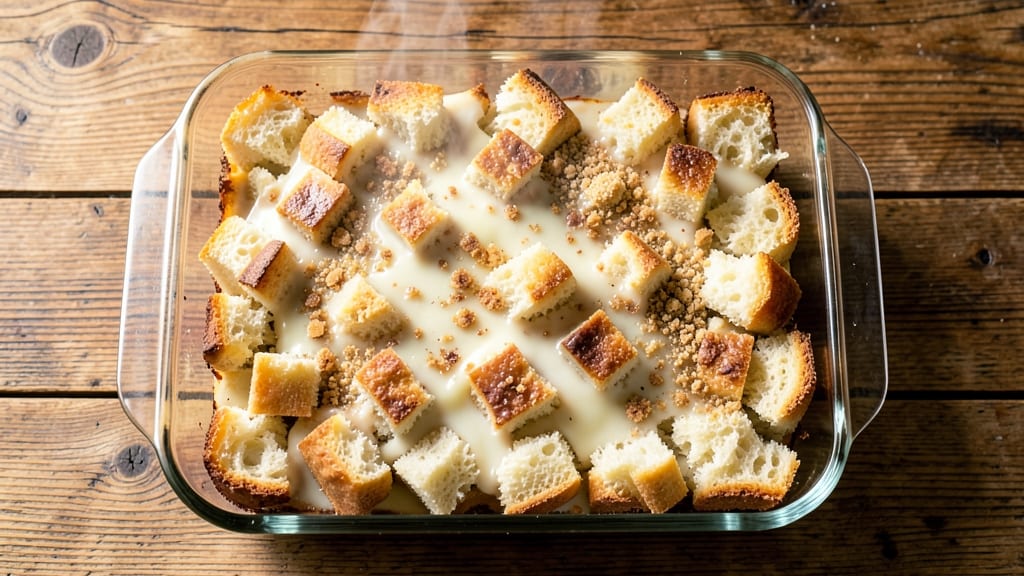
Paula Deen's bread pudding recipe delivers that signature Southern comfort food experience—buttery vanilla swirls wrapped in a golden, crispy top that cracks just enough to reveal the creamy custard beneath.
I've recreated this classic dessert using her precise technique, where day-old bread transforms into a rich, velvety pudding with a perfect balance of sweetness and texture. The secret lies in the slow baking process and a touch of cinnamon that enhances every bite.
What makes this recipe special is how it combines simple ingredients—bread, eggs, milk, and vanilla—to create something extraordinary. Unlike many bread puddings that turn out dense or soggy, this version achieves a light, custardy center with that coveted crispy crust.
The swirls of vanilla-infused cream add a luxurious touch that feels like a restaurant dessert in your own kitchen.
By the time it emerges from the oven, you'll have a dessert that's warm, inviting, and impossible to resist—the kind that disappears quickly when served with vanilla ice cream or whipped cream.
The aroma alone will have everyone gathering in the kitchen, and the first bite delivers that perfect contrast of crispy top and creamy interior.
This recipe is versatile enough for holidays or weeknight cravings, and the technique ensures foolproof results every time. Let's get started on creating your own Southern-style bread pudding masterpiece.
Ingredients for paula deen bread pudding
Twelve simple ingredients transform into Paula Deen's signature Southern dessert masterpiece.
| Ingredient | Amount | Notes |
|---|---|---|
| Day-Old White Bread 🍞 | 12 cups | Crusts removed, cubed into 1-inch pieces |
| Large Eggs 🥚 | 6 whole | Room temperature for even baking |
| Whole Milk 🥛 | 3 cups | Full-fat for optimal creaminess |
| Granulated Sugar 🍚 | 1 ½ cups | White sugar preferred for classic flavor |
| Unsalted Butter 🧈 | ¾ cup | Melted, full-fat for rich flavor |
| Pure Vanilla Extract 🍯 | 2 tbsp | High-quality, not imitation |
| Ground Cinnamon 🌿 | 1 tsp | Freshly ground for optimal aroma |
| Salt 🧂 | ½ tsp | Diamond Crystal kosher preferred |
| Heavy Whipping Cream 🥛 | 1 ½ cups | Full-fat, chilled for swirls |
| Powdered Sugar 🍚 | ¼ cup | For topping, optional but recommended |
| Vanilla Ice Cream 🍦 | 1 ½ cups | For serving, premium brand recommended |
The bread is non-negotiable—day-old white loaves yield the best texture. Sourdough or brioche works beautifully, but avoid rye or whole wheat, which can make the pudding dense. Most grocery stores carry day-old bread in the bakery section, but if you're short, toast stale bread for 10 minutes at 350°F to revive it. For the butter, Land O'Lakes or Plugrá brands deliver consistent quality, and always use full-fat to achieve that signature Southern richness. The cinnamon should be freshly ground—pre-ground loses potency quickly, and the aroma is crucial for that authentic Paula Deen flavor profile.
No vanilla extract? Vanilla bean paste works equally well, or scrape seeds from a split vanilla bean. Short on heavy cream? Half-and-half plus 1 tbsp melted butter mimics the texture. The powdered sugar topping is optional but adds that signature crunch—Domino brand is finely milled for perfect dusting. For the ice cream, Breyers or Häagen-Dazs provide the creamy base that complements the warm pudding perfectly. If you're making this ahead, prepare the custard mixture up to 24 hours early and refrigerate—flavors meld beautifully overnight.
This dessert reheats beautifully—just 10 minutes at 325°F restores that warm, inviting texture. Store leftovers in an airtight container for up to 4 days in the refrigerator, though it's best enjoyed within 2 days for optimal crispiness. For make-ahead convenience, assemble the pudding in a baking dish and refrigerate overnight, then bake straight from the fridge (add 10-15 minutes to baking time). The aroma alone will have your kitchen smelling like a Southern bakery, and the contrast of warm custard with cold ice cream makes every bite unforgettable.
Why You'll Love This Recipe
- No Waste Magic: I swear by this trick—toss in day-old bread instead of wasting it. The eggs and milk soak it up like a dream, turning stale slices into something rich and golden. Honestly, it’s my go-to for using up those forgotten loaves lurking in the back of the pantry.
- Buttery Sweet Bliss: That golden crust? Pure caramelized butter and sugar working their magic. The custardy center stays soft, while the edges get just crisp enough to shatter—like biting into a hug from Paula Deen herself. (Yes, even on a Tuesday night.)
- Crowd-Pleaser Always: Serve it warm for breakfast, reheated for dessert, or cold with ice cream—it works everywhere. My kids fight over seconds, and my husband’s coworkers always ask for the recipe. Not the prettiest, but the taste makes up for it every time.
- Budget Breakthrough: Eggs, milk, bread, sugar, butter—basic pantry staples that won’t break the bank. I make this for a family of five for under $10, and it stretches into leftovers that taste just as good the next day. My secret weapon for feeding everyone without stress.
Step-by-step instructions for Paula Deen's bread pudding recipe
Here's the method that delivers that signature crispy top and velvety vanilla swirls every time.
Prepare the Bread and Whipped Cream Swirls
Tear the 12 cups day-old white bread into 1-inch cubes, removing crusts as directed. Arrange half of the bread cubes in a greased 9x13-inch baking dish, pressing down gently but not compacting too tightly. This creates space for the custard to penetrate fully.
In a separate chilled bowl, whip the 1.5 cups heavy whipping cream to stiff peaks using a stand mixer. Fold in the 0.25 cup powdered sugar and 2 tbsp pure vanilla extract until smooth. Spoon dollops of this mixture over the bread layer in the dish, then top with the remaining bread cubes. Press down lightly—this ensures even distribution of the cream when baked. The swirls will become visible as they melt and spread during baking.
Mix the Custard and Assemble the Pudding
In a large mixing bowl, whisk together the 6 whole large eggs, 3 cups whole milk, 1.5 cups granulated sugar, 1 tsp ground cinnamon, and 0.5 tsp salt until completely smooth. The mixture should be pale yellow with no visible streaks of flour or egg. This is your custard base, and its consistency is critical—it should be thin enough to pour but thick enough to coat the bread thoroughly.
Pour the custard evenly over the bread and cream mixture in the baking dish. Gently press down on the bread to ensure it absorbs the custard completely. Let the assembled pudding sit at room temperature for 20-30 minutes before baking. This resting period allows the bread to soak up the custard without becoming soggy too quickly, resulting in a more uniform texture.
Bake to Golden Perfection
Preheat your oven to 350°F. Melt the 0.75 cup unsalted butter in a small saucepan over low heat, then pour it evenly over the assembled pudding. The butter will create a rich, golden crust on top while adding depth of flavor throughout.
Bake for 45-50 minutes, until the top is deep golden brown and the edges are set. The center should still appear slightly jiggly—this indicates it's fully cooked but not overbaked. If the top browns too quickly, tent the dish with aluminum foil to prevent burning while allowing the center to finish baking. The internal temperature should reach 190°F when measured with an instant-read thermometer.
Add the Vanilla Ice Cream Swirls and Serve
Once the pudding is removed from the oven, let it cool for 10 minutes. Using a spoon or a small ice cream scoop, create swirls in the warm pudding by pressing down 1.5 cups vanilla ice cream into the top layer. The residual heat from the pudding will cause the ice cream to melt slightly, creating those signature marbled swirls that make this dessert so special.
Serve immediately while warm, allowing guests to experience the contrast of the crispy top, creamy custard, and cool ice cream swirls. Each bite should deliver a balance of buttery richness, vanilla sweetness, and a hint of cinnamon warmth. For an extra touch, dust with additional powdered sugar or a sprinkle of ground cinnamon before serving.
Pro Tips For Making Paula Deen Bread Pudding
- Cube Bread Evenly: Use a serrated knife and cut the day-old bread into 1-inch cubes—no smaller, no larger. I learned this the hard way: uneven cubes mean uneven baking, and some will stay doughy while others turn to cardboard. A bench scraper helps speed this up, but don’t rush it.
- Soak Bread Properly: Pour the warm milk-egg mixture over the bread cubes and let them sit for at least 10 minutes before baking. I used to skip this, thinking it was a waste of time, but the bread ends up dry and crumbly. The longer it soaks (up to 15 minutes), the richer the texture.
- Butter the Dish Well: Generously butter a 9x13-inch baking dish—every inch, including the sides—and sprinkle a thin layer of sugar on the bottom. This isn’t just for flavor; it prevents sticking and gives that classic Paula Deen caramelized crust. Skip this, and you’ll be scrubbing burnt bits later.
- Bake at 350°F, Not Higher: Stick to the 350°F mark—any hotter, and the top burns before the center sets. I’ve seen people crank it up to 375°F for faster results, but the pudding turns dense and the custard separates. Patience here makes all the difference.
Troubleshooting perfect results
Soggy Bottom Fix
If your bread pudding turns out too dense or soggy, the issue is usually over-soaking or under-baked custard. To prevent this, press down on the bread cubes gently but firmly when assembling—they should hold their shape but still absorb liquid.
For extra insurance, bake the pudding for 5-10 minutes longer than the recipe suggests, checking for a firm center with an instant-read thermometer at 190°F. I also recommend using day-old bread—fresh bread absorbs too much liquid too quickly, leading to a watery texture. 💡
Uneven Baking
Uneven browning often happens when the oven isn't properly preheated or the pudding isn't distributed evenly. Always preheat your oven for at least 15 minutes before baking. If the edges brown too quickly, tent the dish with aluminum foil after 30 minutes to protect them while the center finishes cooking.
For a foolproof approach, I use a 9x13-inch dark baking dish—the darker color absorbs heat better, ensuring even cooking. Rotate the dish halfway through baking if you notice one side browning faster.
Custard Too Thin
A runny custard usually means the eggs and milk weren't mixed thoroughly enough or the baking time was insufficient. Whisk the custard until it's completely smooth with no visible streaks—this ensures even cooking.
If your mixture still seems too thin, add 1 tablespoon cornstarch to the custard before pouring it over the bread. For extra stability, I sometimes add 2 tablespoons all-purpose flour to the custard mixture, which helps thicken it during baking without altering the flavor. 🥄
Swirls Disappearing
The vanilla cream swirls can lose their definition if the pudding isn't hot enough when you add them. Press the ice cream into the pudding only after it's been out of the oven for 10 minutes—this ensures the top is still warm enough to create those signature marbled patterns.
For a more dramatic effect, use a spoon to gently drag the ice cream through the custard in a zigzag motion. If the swirls still disappear, try using whipped cream instead of ice cream—it melts more slowly and creates cleaner lines.
Bitter Aftertaste
A bitter or metallic taste often comes from overcooked eggs or using old eggs. Always use fresh, room-temperature eggs for the best flavor. If you're unsure about egg freshness, whisk them with the milk first—this helps distribute any potential off-flavors.
To prevent overcooking, remove the pudding from the oven as soon as the edges are set and the center is just slightly jiggly. Let it rest for 10 minutes before serving—this allows the flavors to settle and the custard to set properly. 🌟
Crust Too Soft
A soft or pale crust usually means the butter wasn't melted enough or the oven temperature wasn't hot enough. Melt the butter over low heat until it's completely liquid but not browned—this ensures even distribution over the pudding.
For a crispier crust, broil the pudding for 1-2 minutes at the very end of baking, keeping a close eye to avoid burning. I also recommend brushing the top with an extra 1 tablespoon melted butter right before broiling for that golden, crackly finish.
Nutrition facts
Frequently asked questions
Can I use any type of bread for this recipe?
Paula Deen's original recipe works best with day-old white bread—it absorbs the custard perfectly without getting soggy. For variations, try challah, brioche, or Texas toast (thick-cut white bread) for extra richness. Avoid dense breads like rye or whole wheat, as they can make the pudding heavy. If you're short on day-old bread, lightly toast stale bread for 10 minutes at 350°F to revive it.
Why does the recipe call for room-temperature eggs?
Room-temperature eggs whip and emulsify better, creating a smoother custard with no lumps. Cold eggs can cause the custard to curdle or separate during baking, leading to a grainy texture. Simply take the eggs out of the fridge 30 minutes before mixing. If you're in a hurry, place them in warm water for 5 minutes to speed up the process.
Can I make this bread pudding ahead of time?
Prepare the custard mixture up to 24 hours ahead and refrigerate it. Assemble the pudding in the baking dish, cover, and refrigerate overnight. When ready to bake, add 10-15 minutes to the baking time (bake straight from the fridge). The flavors deepen overnight, and the texture remains perfect. For serving, simply reheat at 325°F for 10 minutes to restore that warm, inviting quality.
What if I don’t have vanilla ice cream for the swirls?
No problem! Use whipped cream for cleaner swirls that melt more slowly, or try vanilla pudding mixed with whipped cream for extra richness. For a dairy-free option, blend 1 cup frozen vanilla yogurt until smooth and press it into the warm pudding. The key is to add the swirls when the pudding is still warm (10 minutes out of the oven) to create that signature marbled effect.
How do I store leftovers without drying out the pudding?
Store leftovers in an airtight container in the refrigerator for up to 4 days. To reheat, cover the pudding with aluminum foil and warm at 325°F for 10-15 minutes. For extra moisture, drizzle a little heavy cream or milk over the top before reheating. Avoid microwaving—it can make the crust rubbery. For best results, enjoy within 2 days for that perfect crispy-top texture.