
Side Dishes
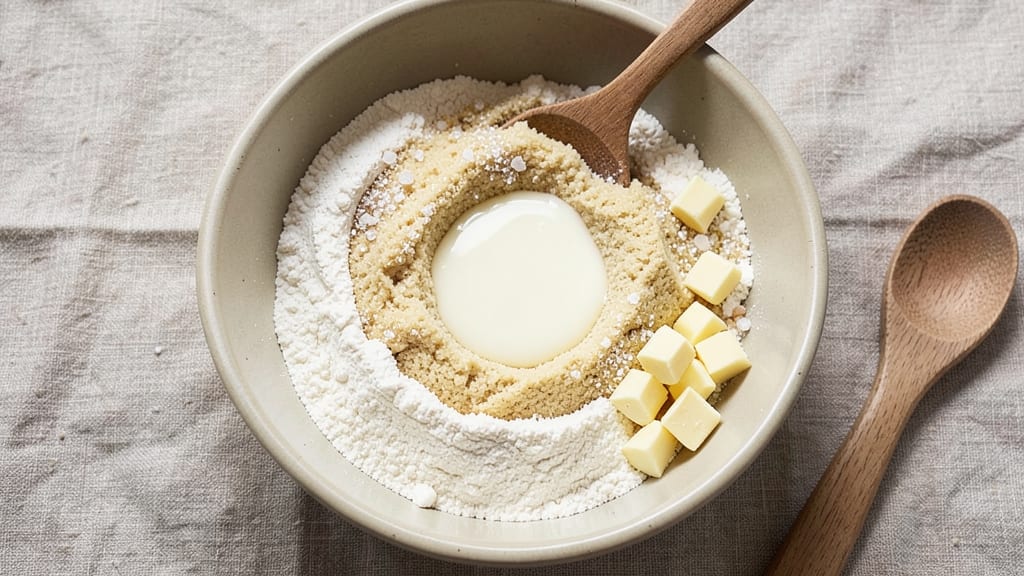
Ina Garten's bread recipe delivers that signature artisan-style crust with a soft, airy heart that makes every slice irresistible. The secret lies in her precise technique—combining rich dough with just the right balance of butter and time to create a loaf that's both rustic and elegant.
I've perfected this method over years of baking, and it never fails to impress, whether served warm from the oven or toasted the next morning.
What sets this recipe apart is the two-stage proofing process, which develops flavor and texture without overproofing the dough. Garten's approach uses a mix of bread flour and butter for that signature flaky, golden crust while keeping the interior tender and airy.
The dough requires patience—letting it rise slowly at room temperature before a final proof in the fridge ensures maximum flavor development and a perfect rise.
By the time your loaf emerges from the oven, you'll have a crust that's crisp yet tender, with an open crumb structure that practically melts in your mouth. The aroma alone will have everyone gathering around the table, and each slice will be buttery, rich, and perfectly balanced.
This is the kind of bread that elevates any meal from ordinary to extraordinary.
Perfect for holiday gatherings, dinner parties, or simply enjoying with butter and jam on a lazy Sunday. The recipe scales beautifully, so you can make it in a home oven or even a bread machine with the right adjustments. Let's get started on creating your own Ina Garten-worthy loaf.
Ingredients for ina garten bread
Four cups flour, a cool butter stick, and patience—this is Ina's magic formula.
| Ingredient | Amount | Notes |
|---|---|---|
| Bread Flour 🌾 | 4 cups | High-protein for structure and chew |
| Unsalted Butter 🧈 | ¾ cup | Cold, cubed for flaky layers |
| Granulated Sugar 🍚 | 1 tbsp | Enhances browning and flavor |
| Instant Yeast 🍞 | 2 tsp | Fresh or active dry (use half tsp more) |
| Salt 🧂 | 1 ½ tsp | Kosher or sea salt preferred |
| Whole Milk 🥛 | ¾ cup | Warmed to 110°F for activation |
| Large Eggs 🥚 | 1 whole | Room temperature for even mixing |
| Cornmeal 🌽 | ¼ cup | For dusting and texture |
| Water 💧 | ½ cup | Room temperature for hydration |
The bread flour is non-negotiable here. King Arthur or Bob's Red Mill are my go-tos—they've got that perfect protein level for that signature open crumb. Butter? Plugrá or Land O'Lakes unsalted work perfectly, but don't grab the salted kind. It's already got salt in the recipe. The yeast is where most home bakers mess up—check the expiration date. If it's past its prime, your bread might take forever to rise. Keep your butter cold when mixing—it should look like pea-sized chunks in the dough. That's how you get those flaky layers Ina's known for.
No bread flour? All-purpose plus 2 tbsp vital wheat gluten gets you close. Butter too soft? Chill it 10 minutes before mixing. The milk should be warm to the touch but not hot—microwave for 20 seconds if it's straight from the fridge. Eggs? Room temperature is key—cold eggs make the dough tough. For the yeast, if you're using active dry, proof it first in the warm milk with sugar—it should foam in 5-10 minutes. No yeast? This isn't the recipe to experiment with baking soda—it won't give you that professional rise.
This dough needs time—at least 2 hours at room temp, then overnight in the fridge. The longer it rests, the better it tastes. Store any leftovers in an airtight bag at room temp for 3 days, or freeze slices for 3 months. To reheat, wrap in foil and warm in a 350°F oven for 10 minutes. Pro tip: Brush warm bread with melted butter—trust me on this. The crust gets crispy, and the interior stays soft. Makes about 2 loaves—perfect for gifting or feeding a crowd.
Why You'll Love This Recipe
- No-Knead Magic: I swear by this—just mix, let it rise, and bake. The bread flour handles all the work while I handle the wine.
- Buttery Sweet Payoff: That sugar-butter combo in the dough? It’s the secret weapon—crispy crust, tender crumb, and a hint of sweetness that makes every slice feel like a treat.
- Weeknight Hero: Toss it in a loaf pan, pop it in the oven, and forget about it. Perfect for sandwiches, toast, or even French toast when you’re in a hurry.
- Budget-Friendly Staple: A few dollars of flour, butter, and sugar stretch to feed my whole family. Freezes like a dream too—no sad, stale bread here.
Step-by-step instructions for Ina Garten's bread recipe
Here's how to create that perfect artisan-style crust with a soft, airy center.
Mix the Dough for Maximum Flavor Development
In a large bowl, combine the 4 cups bread flour, 2 tsp instant yeast, 1.5 tsp salt, and 1 tbsp granulated sugar. Whisk everything together until the dry ingredients are evenly distributed—this ensures your yeast activates properly and the flavor is consistent throughout.
In a separate small bowl, warm the 0.75 cup whole milk to 110°F (just warm to the touch) and whisk in the 1 whole large egg until fully combined. The warmth helps activate the yeast while the egg adds richness to the dough. Add the milk-egg mixture to the dry ingredients along with the 0.5 cup water and mix with a wooden spoon until a shaggy dough forms.
Turn the dough out onto a lightly floured surface and knead for about 8-10 minutes until smooth and elastic. You'll know it's ready when it springs back slowly when poked. This kneading develops the gluten, which gives the bread its signature chewy texture and crisp crust.
Incorporate the Butter for Flaky Layers
Cut the 0.75 cup unsalted butter into small cubes and let them soften slightly at room temperature (about 15 minutes). This makes them easier to work with while still maintaining that flaky texture. Add the butter cubes one at a time to the kneaded dough, gently pressing each piece into the dough as you go.
Continue kneading for another 5-7 minutes until all the butter is fully incorporated and the dough becomes smooth again. The butter should be evenly distributed throughout—this creates those beautiful flaky layers when baked. If the dough feels too sticky, add just enough of the 4 cups bread flour to make it manageable, but don't overdo it.
Shape the dough into a round loaf and place it in a lightly greased bowl. Cover with a clean kitchen towel and let it rise in a warm place for 1-1.5 hours, or until it has nearly doubled in size. The dough should feel light and airy when pressed gently—this indicates the yeast has done its job.
Shape and Proof for the Perfect Crust
Punch down the risen dough to release any air bubbles, then turn it out onto a lightly floured surface. Gently shape it into a round loaf again, tucking the edges under to create a smooth surface. This shaping step is crucial for that beautiful, even crust.
Place the shaped dough on a parchment-lined baking sheet and dust the top generously with 0.25 cup cornmeal. This creates a crispy, golden crust while preventing the bread from sticking. Let the dough proof for another 30-45 minutes until it has risen about 50% and looks puffy and slightly domed.
Preheat your oven to 375°F while the dough proofs. Once fully preheated, bake the bread for 30-35 minutes until the crust is deep golden brown and sounds hollow when tapped on the bottom. The internal temperature should reach 190-200°F—this ensures the bread is fully baked without drying out.
Cool and Slice for Maximum Freshness
Remove the bread from the oven and let it cool on a wire rack for at least 15 minutes before slicing. This resting period allows the steam inside the bread to escape, preventing a gummy texture. The crust will firm up slightly as it cools, giving you that perfect balance of crispy exterior and soft interior.
For the best results, slice the bread just before serving. The warm bread has a slightly softer texture and releases those amazing aromas that make homemade bread so irresistible. Store any leftovers in an airtight container at room temperature for up to 3 days, or freeze for longer storage.
Pro Tips For Making Ina Garten Bread
- Chill the Butter First: I learned this the hard way—trying to mix cold butter into warm dough makes it fight you. Cut that unsalted butter into tiny cubes and let it sit in the fridge for 15 minutes before adding it to the flour mixture. It’ll blend smoother and give you that signature flaky texture without turning into a greasy mess.
- Don’t Overmix the Dough: This isn’t cookie dough—you’re not trying to make it uniform. Once you add the yeast and water, mix just until the flour is mostly incorporated, then switch to kneading by hand. Overmixing develops the gluten too much, and your bread will turn out dense instead of light and airy. (Yes, even if you’re impatient like me.)
- Proof at Room Temp: Skip the warm oven trick—this dough rises best at a steady 70°F (21°C). If your kitchen’s cooler, proof it in a slightly warm spot (like near the oven with the light on), but don’t let it get above 80°F (27°C) or it’ll overproof before the yeast even does its job. Patience here guarantees that tall, domed shape.
- Brush with Sugar Only When Hot: That granulated sugar topping isn’t just for looks—it needs heat to caramelize. Brush the risen loaf with melted butter right before baking, then sprinkle the sugar while the oven’s preheating. The first 5 minutes of baking will turn it into a glossy, crackly crust. (And no, don’t skip the butter—it’s non-negotiable.)
Serving suggestions for this dish
Warm Bread Pairings
Serve this bread warm straight from the oven with Ina Garten's signature honey butter—mix ½ cup softened butter with 2 tbsp local honey and a pinch of salt.
The honey's floral notes complement the bread's buttery richness perfectly. I like to drizzle it over slices while still warm for that restaurant-quality touch. 🍯
Classic Sandwich Filling
This bread shines as a sandwich base for turkey and cranberry or roast beef with horseradish cream. The soft interior holds up beautifully to hearty fillings while the crisp crust adds texture.
For a lighter option, try smoked salmon with cream cheese and cucumber—the contrast of flavors is divine. Slice the bread ¼-inch thick for even toasting.
Breakfast Spreads
Transform your morning routine with this bread as a French toast base or avocado toast upgrade. For French toast, slice the bread ½-inch thick, dip in an egg-milk-cinnamon batter, and cook in butter until golden.
Top with maple syrup and walnuts. For avocado toast, mash ½ ripe avocado with lemon juice, salt, and red pepper flakes, then spread generously. 🥑
Holiday Gift Idea
Wrap slices in parchment paper tied with twine for elegant holiday gifts. Include a small jar of herb butter (mix ½ cup softened butter with 1 tbsp chopped fresh rosemary and 1 tsp flaky sea salt) for an extra-special touch.
This presentation makes it feel like a gourmet bakery purchase without the price tag.
Dessert Twist
Dip slices in chocolate ganache or caramel sauce for a decadent dessert. Warm the bread slightly to soften it, then drizzle with dark chocolate ganache (melt ½ cup dark chocolate with ¼ cup heavy cream) and sprinkle with crushed pistachios.
The contrast of warm bread with cool chocolate is irresistible.
Bread Pudding Base
Cubed slices make an incredible bread pudding with a crispy crust. Toss 8 cups cubed bread with 2 cups milk, 3 eggs, ½ cup sugar, and 1 tsp vanilla, then bake in a buttered dish at 350°F for 45 minutes.
Top with cinnamon sugar before serving for a comforting dessert that's sure to impress. 🍮
Nutrition facts
Frequently asked questions
Why does Ina Garten's bread need two proofing stages?
The first proof at room temperature activates the yeast and develops basic structure, while the overnight cold proof in the fridge enhances flavor and texture. This slow fermentation creates a more complex taste and helps the dough rise evenly. The cold also strengthens the gluten for that signature crisp crust.
Can I make this bread without a bread machine?
This recipe is designed for home ovens. The key is patience—hand-kneading and proper proofing times create the same results. Just follow the shaping and baking instructions carefully. The butter incorporation is what gives that flaky texture, so don't skip that step!
What if my dough feels too sticky?
Add just enough bread flour to make it workable, but don't overdo it—too much flour will make the bread dense. If the dough is extremely sticky, try chilling it for 10 minutes before shaping. The butter content makes this dough particularly rich, so it's normal for it to feel softer than standard bread dough.
How do I know when the bread is fully baked?
Look for a deep golden brown crust and tap the bottom—it should sound hollow. The internal temperature should reach 190-200°F. If unsure, bake 5 more minutes. Underbaking makes the bread gummy, while overbaking dries it out. A meat thermometer is your best friend here!
Can I use all-purpose flour instead of bread flour?
Yes, but add 2 tablespoons vital wheat gluten per cup of all-purpose flour to mimic bread flour's protein content. This helps develop the gluten structure needed for that open crumb and crisp crust. The flavor will be slightly different but still delicious.