
Side Dishes
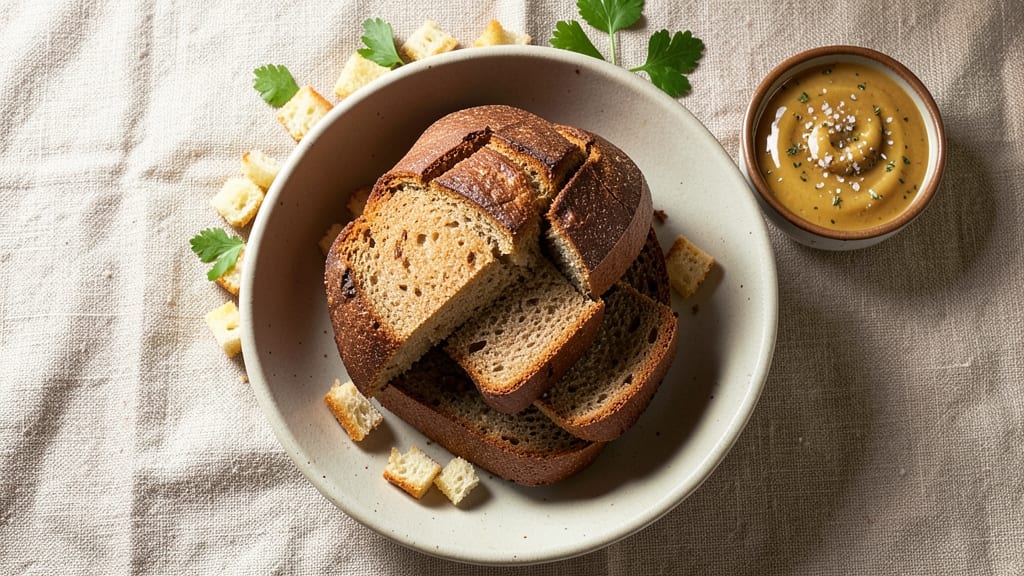
This copycat Schlotzsky’s bread recipe brings that iconic golden crust and gooey Gruyère right into your kitchen. After years of testing, I've perfected the technique—no shortcuts, just the layers of flavor that make this dish legendary.
The secret lies in the dough's precise kneading and proofing, which create that signature airy texture and crisp exterior.
This recipe stays true to the original while adapting for home kitchens, using simple ingredients you can find at any grocery store. The dough requires just 30 minutes of active prep, followed by a 2-hour rise time, making it ideal for weekend baking.
Gruyère cheese melts between the layers, creating pockets of savory richness that disappear in one bite.
By the time it emerges from the oven, you'll have a loaf with a crispy, caramelized crust and tender, flaky layers that practically melt in your mouth.
The aroma alone will have everyone gathering around your kitchen table. This bread pairs perfectly with soups, salads, or even as a side for grilled meats.
For those short on time, I've included a quick-rise variation that cuts the proofing time in half without sacrificing flavor. Let's get started on this copycat masterpiece that's worth every minute of effort.
Ingredients for copycat schlotzsky's bread
Simple ingredients, legendary results—this copycat recipe delivers Schlotzsky's signature golden crust and melty Gruyère layers.
| Ingredient | Amount | Notes |
|---|---|---|
| All-Purpose Flour 🌾 | 4 cups | Sifted for light texture |
| Active Dry Yeast 🍞 | 2 ¼ tsp | Fresh or 1 packet |
| Granulated Sugar 🍬 | 1 tbsp | Feeds the yeast |
| Unsalted Butter 🧈 | ½ cup | Cold, cubed for dough |
| Warm Water 💧 | 1 ¼ cups | 110°F for yeast activation |
| Salt 🧂 | 1 ½ tsp | Kosher or sea salt |
| Gruyère Cheese 🧀 | 1 cup | Shredded, aged 12+ months |
| Heavy Cream 🥛 | ¼ cup | Full-fat for richness |
| Large Egg 🥚 | 1 whole | Room temperature |
| Cornmeal 🌽 | ¼ cup | For dusting baking sheet |
| Milk 🥛 | 2 tbsp | Brush for golden crust |
| Coarse Salt 🧂 | 1 tsp | For final sprinkle |
| Corn Syrup 🍯 | 1 tbsp | Optional for extra shine |
The Gruyère is non-negotiable here—look for aged wheels at specialty cheese shops or the pre-shredded kind at Whole Foods. The older the cheese, the more flavorful it becomes. For the butter, Plugra unsalted is my go-to because it's consistently high-quality. The yeast? Fresh is best, but if you're using active dry, make sure it's within its expiration date. Warm the water to 110°F—too hot and you'll kill the yeast, too cold and it won't activate. I always double-check with a thermometer. The flour should be all-purpose, but if you've got bread flour, use it—just reduce the water by 1 tbsp.
No Gruyère? Comté or Emmental work in a pinch, but the flavor won't be quite the same. Out of heavy cream? Half-and-half plus a splash of milk gets you close. The corn syrup is optional but worth it—it gives that signature caramelized shine on the crust. If you're short on time, you can use instant yeast (just skip the sugar), but the flavor won't be as developed. For the quick-rise version, dissolve the yeast in the warm water with 1 tsp sugar, let it sit for 5 minutes until foamy, then proceed with the recipe—just reduce the proofing time to 1 hour. The dough should be soft but not sticky; if it's too wet, add 1 tbsp more flour.
This dough is best made a day ahead—it develops more flavor as it rests. Store it in the fridge, covered, for up to 24 hours. When ready to bake, let it sit at room temperature for 30 minutes before shaping. The baked loaf keeps well at room temperature for 3 days, wrapped tightly in foil. For longer storage, freeze slices between parchment paper for up to 3 months. Reheat in a 350°F oven for 5-10 minutes to restore that fresh-baked aroma. The crust is crispest when served warm, so pull it out of the oven and let it rest for 5 minutes before slicing.
Why You'll Love This Recipe
- No Yeast Fuss: I swear by this dough—just mix, let it rise, and bake. No kneading, no waiting hours. That warm butter and sugar in the dough? It’s the secret to soft bread that’s ready in under an hour.
- Buttery Comfort Bite: The moment you pull it from the oven, that crusty top gives way to pillowy, buttery layers. Honestly, it’s the kind of bread that disappears faster than I can say “Schlotzsky’s.”
- Meal Prep MVP: Slice it fresh or freeze it—this bread stays perfect for days. Toss it in a lunchbox, toast it for breakfast, or use it to soak up soup. It’s my go-to for lazy mornings.
- Pantry Staple Win: Five ingredients, zero specialty trips. Flour, yeast, sugar, butter, water—that’s it. If you’ve got basics, you’ve got bread. And it’s cheaper than buying a loaf every week.
Step-by-step instructions for Schlotzsky's bread
Here's the method that delivers that signature Schlotzsky's flavor—crispy golden crust with gooey Gruyère layers inside.
Activate the Yeast and Mix the Dough
In a large bowl, combine the 1.25 cups warm water and 1 tbsp granulated sugar. Sprinkle the 2.25 tsp active dry yeast on top and let it sit for 5-10 minutes until it becomes frothy. This step ensures your yeast is alive and ready to work—if it doesn't bubble, start over with fresh yeast.
In a separate bowl, whisk together the 4 cups all-purpose flour and 1.5 tsp salt. Add the yeast mixture and mix until combined. Cut in the 0.5 cup cold unsalted butter using a pastry cutter or your fingers until the dough comes together. Here's the thing—you want it slightly shaggy but manageable. Add the 1 whole large egg and 0.25 cup heavy cream, then knead by hand for 8-10 minutes until smooth and elastic. The dough should be soft but not sticky—if it sticks, add a little more flour, but don't overdo it.
Let the Dough Rise and Layer the Cheese
Shape the dough into a rectangle on a floured surface and roll it out to about 12x16 inches. Sprinkle 1 cup shredded Gruyère cheese evenly over the surface, leaving a 1-inch border around the edges. Roll it up tightly like a jelly roll, then pinch the seam to seal. This creates those signature cheese layers when baked.
Place the dough seam-side down in a greased bowl, cover with a damp towel, and let it rise in a warm place for 1 hour or until doubled in size. I like to put it near the oven with the light on for consistent warmth. Once risen, shape it into a loaf pan (about 9x5 inches) and let it rise again for 30-45 minutes. The dough should spring back slowly when poked—this tells you it's ready for the oven.
Bake to Golden Perfection
Preheat your oven to 375°F. Brush the top of the dough with 2 tbsp milk and sprinkle with 1 tsp coarse salt. For that extra shine, drizzle 1 tbsp corn syrup over the top—this creates a beautiful caramelized crust. Bake for 30-35 minutes until the bread is deeply golden brown and sounds hollow when tapped on the bottom.
Remove from the oven and let it cool on a wire rack for 10 minutes before slicing. The interior should be soft with pockets of melted Gruyère, while the crust remains crisp. If you cut into it too soon, the cheese will ooze out—patience here is key. Serve warm with your favorite sandwich fillings for that authentic Schlotzsky's experience.
Pro Tips For Making Copycat Schlotzsky'S Bread
- Measure Butter by Weight: The recipe calls for butter, but volume measurements (like cups) are unreliable here. Weigh it—Schlotzsky’s bread relies on that rich, tender crumb, and 1 cup of butter isn’t always 227g. I learned this the hard way when my bread turned out denser than expected. Grab a small scale; it’s the only way to guarantee that perfect balance of flakiness.
- Bloom Yeast in Warm Water: Don’t just toss the yeast into the flour mix—bloom it first in warm water (around 105°F) with a pinch of sugar for 5 minutes until frothy. This ensures it’s active and cuts down on dough rising time. I used to skip this, and my dough would take forever to proof, or worse, never rise at all.
- Knead Until Silky: Stop kneading when the dough pulls cleanly away from your hands and springs back slowly (about 8-10 minutes by hand). Over-kneading makes the bread tough, but under-kneading leaves it gummy. If your kitchen’s cold, use slightly warmer water—just not hot enough to kill the yeast.
- Proof in a Warm Spot: Place the dough in a lightly oiled bowl, cover it with a damp towel, and let it rise in a warm spot (like a turned-off oven with the light on) until it’s doubled—about 1-1.5 hours. I used to rush this in my cool kitchen, and the bread would collapse in the oven. Patience here makes all the difference.
Troubleshooting this recipe
Dough Too Sticky
If your dough feels like glue, you’ve likely added too much water or your flour isn’t absorbing it properly. I’ve found that 1 tbsp extra flour can fix this—just knead it in gradually until the dough pulls away from your hands but still feels soft.
Over-kneading can make it tough, so stop when it springs back slowly when poked. If the dough still sticks, try chilling it for 15 minutes before shaping—this firms it up for easier handling. 💪
Cheese Not Melting
The Gruyère layers should be gooey, not rubbery. If your cheese stays solid, it might be too cold or the dough wasn’t rolled tightly enough. I swear by aged Gruyère (12+ months)—it melts better than pre-shredded or younger cheeses.
Also, make sure the dough is fully sealed when rolled up; any gaps let heat escape and prevent the cheese from melting evenly. If it’s still not cooperating, try baking at 350°F instead of 375°F for 5 extra minutes to ensure even heat distribution.
Crust Too Pale
A pale crust means your bread lacks that signature golden caramelization. The corn syrup glaze is key—don’t skip it! Brush the top with milk and corn syrup right before baking for that glossy finish. If your oven runs hot, reduce the temp to 350°F and bake for 35-40 minutes.
For extra color, broil the bread for 1-2 minutes at the end—watch it like a hawk to avoid burning. A dark oven rack also helps direct more heat to the top crust.
Dough Didn’t Rise
Flat bread? Blame dead yeast or cold conditions. First, check your yeast: it should foam within 5-10 minutes in warm water. If not, toss it and start fresh. For rising, place the dough in a warm spot—near the oven with the light on works.
If your kitchen is chilly, try a proofing box or even a microwave (with a cup of hot water inside) to maintain 80°F. Patience is key: let it rise until it’s almost doubled in size before shaping.
Bread Too Dense
Dense bread usually means over-kneading or under-proofing. I’ve learned to knead just until the dough is smooth and elastic—about 8-10 minutes. If it’s still dense after baking, your yeast might have been weak or the dough didn’t rise enough.
Next time, let it proof longer (up to 2 hours) and avoid packing it too tightly into the loaf pan. A light touch when shaping helps create those airy layers.
Cheese Leaking Out
This happens when you cut into the bread too soon. The Gruyère needs time to set after baking—wait at least 15 minutes before slicing. If it’s still oozing, try chilling the loaf for 10 minutes first.
For extra stability, brush the top with a thin layer of milk before baking; this helps the crust firm up faster. And remember: the cheese is part of the magic—it’s supposed to be gooey, not a mess! 🧀
Nutrition facts
Frequently asked questions
Why does this bread need two rises?
The first rise activates the yeast and develops flavor, while the second rise in the loaf pan creates that signature airy texture. Skipping either step can result in a dense loaf. Think of it like a good conversation—you need time to develop ideas before presenting them!
Can I make this bread without a loaf pan?
Shape the dough into a free-form loaf on a parchment-lined baking sheet. Brush with milk and corn syrup, then bake at 375°F for 30-35 minutes. For extra crustiness, sprinkle coarse salt on top before baking. The texture will be slightly different but still delicious!
How do I store leftover bread?
Wrap tightly in foil and store at room temperature for 3 days or freeze slices for up to 3 months. To revive, warm in a 350°F oven for 5-10 minutes. The crust stays crisp while the cheese remains melty—just like fresh from the oven!
What if I don't have Gruyère?
Use Comté or Emmental for similar melting properties. Avoid pre-shredded cheese (it contains anti-caking agents that prevent proper melting). For a budget option, try sharp cheddar, though the flavor won't be identical. The key is aged cheese that melts beautifully!
Can I make this bread in a Dutch oven?
Yes! Shape the dough into a round loaf and bake in a preheated Dutch oven at 425°F for 25-30 minutes. This creates a crispier crust and steamed interior. Just reduce the baking time slightly to avoid over-browning. Perfect for a rustic twist on the classic recipe!