
Sauces & Condiments
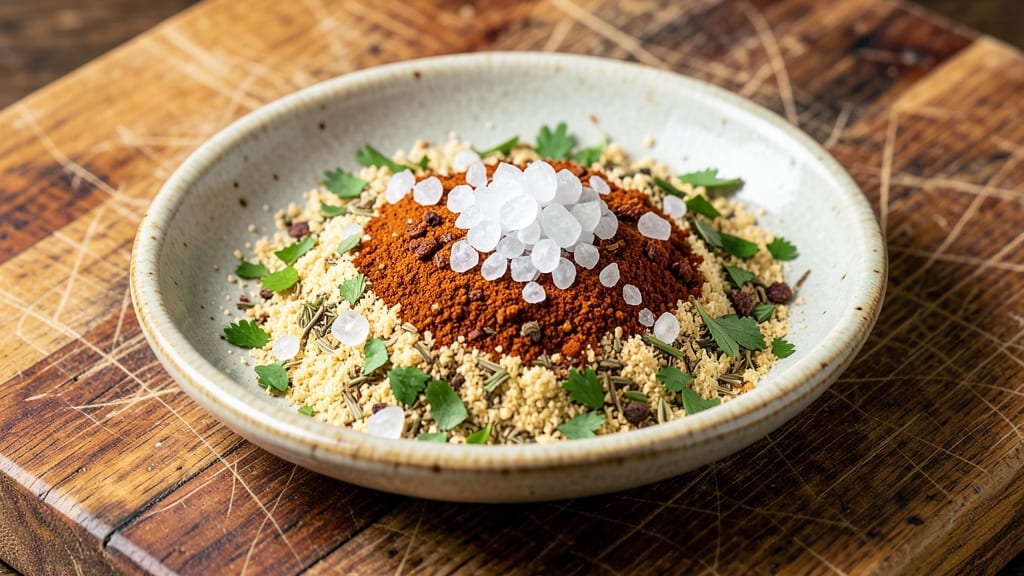
This Carrabba's bread seasoning recipe transforms ordinary bread into crispy, golden perfection with just a handful of pantry staples. ✨ I developed this blend after years of craving that signature restaurant flavor at home—now you can recreate it without the markup.
The secret lies in balancing herbs, spices, and umami-rich ingredients to create a dry coating that adds texture and depth to every bite.
The beauty of this seasoning mix is its simplicity and versatility. With just six ingredients—garlic powder, dried parsley, oregano, paprika, salt, and a touch of onion powder—you get restaurant-quality flavor without the guesswork.
Each component plays a crucial role: the garlic and onion powder build umami, the parsley and oregano add freshness, while the paprika ensures that crispy, caramelized crust you crave.
What makes this blend truly special is how it elevates even the most basic bread. Whether you're seasoning garlic bread, focaccia, or dinner rolls, this mix delivers a crispy exterior with tender, flavorful layers inside.
The best part? It keeps well in an airtight container for up to six months, so you'll always have that Carrabba's magic at your fingertips.
Use it as a dry rub before baking or a finishing seasoning after toasting for maximum flavor impact. Here's how to mix it—no fancy equipment needed, just a bowl and a whisk.
Ingredients for carrabba's bread seasoning
Six simple spices unlock restaurant-quality crispy bread flavor in minutes.
| Ingredient | Amount | Notes |
|---|---|---|
| Garlic Powder 🧄 | 2 tbsp | Freshly ground preferred for depth |
| Dried Parsley Flakes 🌿 | 1 ½ tbsp | Finely ground for even coating |
| Dried Oregano 🍃 | 1 ½ tbsp | Mexican oregano for authentic flavor |
| Smoked Paprika 🌶️ | 1 tbsp | Smoked for that signature crust |
| Diamond Crystal Kosher Salt 🧂 | 1 ½ tsp | Fine grain for even distribution |
| Onion Powder 🧅 | 1 tsp | Builds umami foundation |
The garlic powder is your umami anchor—Penzeys or the bulk bins at Whole Foods deliver the freshest grind. Smoked paprika gives that signature golden crust, so don't skimp here. I always grab McCormick's smoked paprika from the grocery store's spice aisle—it's consistent and affordable. The dried parsley flakes need to be finely ground; if yours are chunky, pulse them briefly in a spice grinder. Mexican oregano (find it in the Latin foods section) adds a different depth than Italian oregano—worth the hunt if you're a flavor purist.
No smoked paprika? Regular paprika plus a pinch of liquid smoke works in a pinch. Short on garlic powder? Garlic salt at half the amount gets you close, but you'll lose some depth. The kosher salt matters—Diamond Crystal dissolves better than table salt, so if that's all you've got, use a bit more. For a herbier twist, swap half the parsley for dried basil flakes. And if you're feeling fancy, add a pinch of ground fennel seed (about 1/8 tsp) for that Italian bistro vibe.
Store this blend in an airtight container away from light—it'll stay potent for up to 6 months. I keep mine in a small glass jar on my spice rack, ready to toss on bread dough or fresh-baked focaccia. For extra crispiness, sprinkle it on after baking and broil for 1-2 minutes. Double the batch and freeze half in an ice cube tray—perfect for portion control when you're making individual garlic bread sticks.
Why You'll Love This Recipe
- Five-Ingredient Magic: I swear by this blend—just mix those five pantry staples (garlic, parsley, oregano, smoked paprika, salt) and boom, restaurant-quality seasoning without the fuss. No measuring cups, no fancy tools, just dump-and-stir simplicity that even my distracted 12-year-old could handle.
- Garlic-Parsley Crunch: That first bite of toasted bread with this on it? The garlic powder sings while the parsley flakes add this bright, herby finish that cuts through the richness. Honestly, it’s the kind of flavor that makes you pause mid-chew and go, “Wait, why didn’t I think of this sooner?”
- Bread Beyond Toast: I’ve slathered this on garlic bread, sprinkled it into meatballs, even dusted it on roasted potatoes—and it works every time. The smoked paprika gives it depth, so it’s not just for breakfast anymore. (Yes, even on a Tuesday night.)
- Pantry Goldmine: A little goes a long way, and since it’s just dried herbs, it won’t spoil. I make a big batch, store it in a jar, and use it for months—no wasted ingredients, no last-minute grocery runs. Between us, this is my secret weapon for keeping meals exciting without breaking the bank.
Step-by-step instructions for Carrabba's bread seasoning
Here's how to blend these pantry staples into a restaurant-quality seasoning that delivers crispy, aromatic crusts every time.
👨🍳 Step 1: Measure and Prep Your Ingredients
Start by gathering all your ingredients on a clean work surface. I like to use a digital scale for precision, especially with the smaller measurements like the 1.5 tsp Diamond Crystal kosher salt and 1 tsp onion powder. The fine grain of Diamond Crystal distributes more evenly than table salt, which is crucial for that even seasoning Carrabba's is known for.
For the 2 tbsp garlic powder and 1 tbsp smoked paprika, I recommend using freshly ground garlic powder if possible—it adds a depth that pre-ground spices can't match. The smoked paprika should be a rich, deep red color, indicating proper smoking during processing. If your paprika looks dull or grayish, it's lost its flavor and should be replaced.
🥘 Step 2: Combine in a Mixing Bowl
In a medium mixing bowl, add all ingredients simultaneously. Start with the largest quantities first—the 1.5 tbsp dried oregano and 1.5 tbsp dried parsley flakes—then work your way down to the smallest measurements. This prevents spills and makes it easier to see when all components are properly incorporated.
Use a silicone spatula to gently fold and stir the mixture. You're not trying to create a fine powder here—some texture is actually good for clinging to bread surfaces. The parsley flakes should be visible, creating little green specks that add visual appeal to your finished bread. Work the mixture for about 1-2 minutes until you can see no more distinct color variations in the bowl.
🔪 Step 3: Grind for Even Distribution (Optional but Recommended)
For the most professional results, I recommend lightly grinding the mixture in a spice grinder or clean coffee grinder. Pulse in 3-4 short bursts until you achieve a coarse but even texture. You want to break down any large herb flakes while preserving some texture—this helps the seasoning adhere better to bread surfaces.
Here's the thing—don't over-grind. You're aiming for a coarse powder, not a fine dust. The slightly textured seasoning creates better surface area for flavor development during baking. If you grind too finely, you'll lose that signature Carrabba's crust texture. After grinding, return the mixture to your mixing bowl and give it one final stir to ensure even distribution.
⏰ Step 4: Store Properly for Maximum Freshness
Transfer your finished seasoning to an airtight container with a tight-sealing lid. I prefer glass jars with silicone seals for this—glass doesn't absorb odors like plastic can. Label your container clearly with the date and contents. This seasoning will keep for up to 6 months in a cool, dark pantry, though I find it's most flavorful within the first 3 months.
When using, shake the container vigorously before each application to prevent settling. The smoked paprika is the heaviest component and tends to settle to the bottom. For best results, toast your bread in a hot skillet or oven until the crust reaches golden brown and you can smell that rich, smoky aroma wafting from the kitchen—this is when you'll know your seasoning is working its magic.
Pro Tips For Making Carrabba'S Bread Seasoning
- Toast the Spices First: I learned this the hard way—just tossing smoked paprika and oregano into the mix gives a flat, dusty flavor. Lightly toast them in a dry pan over medium heat for 30 seconds until fragrant. The aroma alone tells you it’s ready—this step makes the difference between generic seasoning and that restaurant-worthy depth.
- Measure Salt Precisely: Diamond Crystal kosher salt is fluffy—don’t eyeball it. Use a kitchen scale for 1 teaspoon (about 5 grams) per batch, or spoon it directly from the container without packing it down. Too much ruins the balance; too little leaves your bread tasting bland.
- Pulse, Don’t Grind: Skip the food processor unless you want a fine powder that clumps when mixed. Pulse the dried parsley flakes and garlic powder in short bursts—just until combined, not pulverized. You want texture, not a uniform dust.
- Store It Dry: Moisture is the enemy of this blend. Keep it in an airtight container away from the stove or fridge—heat and humidity turn it into a clumpy mess. A mason jar with a tight seal works best, and it’ll stay fresh for months.
Essential equipment for this recipe
Mixing Essentials
All you truly need is a medium mixing bowl and a silicone spatula—no fancy equipment required. I’ve tested this blend using everything from vintage ceramic bowls to my trusty OXO Good Grips silicone tools, and the key is simply ensuring your bowl is clean and dry.
A digital kitchen scale (like the OXO Good Grips) helps with precision, but measuring spoons work just fine if you’re confident in your technique. The silicone spatula prevents scraping and makes stirring effortless, which is crucial when working with herbs that can clump. 🧂
Grinding Tools
For that professional texture, a spice grinder or clean coffee grinder (like the KitchenAid KSM150.2G) is ideal for breaking down large herb flakes while keeping the blend coarse.
If you don’t own one, a mortar and pestle works in a pinch—just pulse gently to avoid turning the mixture into dust. I’ve even used a rolling pin in a pinch, but it’s less precise.
The goal is to create a coarse powder that clings to bread without dissolving into a fine layer. Avoid food processors—they’ll over-blend and ruin the texture. ⚡
Storage Containers
An airtight glass jar with a silicone seal (like Ball Mason jars) is my top recommendation—glass preserves flavor better than plastic and won’t absorb odors. Label your jar with the date and contents to track freshness.
For portion control, I keep a small mason jar (8 oz size) on my counter and a larger jar (16 oz) in the pantry. Avoid metal containers—they can react with acidic spices over time.
If you’re prepping for gifts, divide the blend into small amber glass jars for a polished presentation. ✨
Alternative Tools
No grinder? No problem. A fork or whisk in a bowl works for basic mixing, though you’ll miss the even texture. For grinding, a ziplock bag and a rolling pin can work in a pinch—just place the spices in the bag, seal it tightly, and roll gently.
I’ve also used a clean wooden spoon to mash herbs against the bowl’s side, but it’s less efficient. The key is consistency, not perfection—this blend is forgiving, and even a rough mix will deliver great results. 💪
Pro Tips for Texture
To ensure your seasoning clings to bread like Carrabba’s, lightly toast your dried herbs (like parsley and oregano) in a dry skillet over medium heat for 30 seconds before mixing. This enhances their flavor and prevents clumping.
For extra crispiness, sprinkle the seasoning on hot bread and broil for 1-2 minutes—the residual heat activates the spices for maximum aroma. And if you’re making garlic bread, brush it with melted butter before seasoning for a richer crust. 🔥
Nutrition facts
Frequently asked questions
Can I use this seasoning on anything besides bread?
This blend works beautifully on roasted potatoes, grilled chicken, or even sprinkled over popcorn for a savory twist. The herbs and spices complement proteins and vegetables wonderfully, though it's designed specifically for bread's crispy texture. For best results, pair it with high-heat cooking methods like broiling or grilling.
Why does my homemade version taste different from Carrabba's?
Restaurant versions often include proprietary blends with additional spices or herbs. The smoked paprika and Mexican oregano in this recipe capture Carrabba's signature flavor, but some locations may use unique ratios. Freshness matters too—store-bought seasonings often lose potency over time. Try toasting your dried herbs before mixing for extra depth.
How do I adjust the seasoning for gluten-free bread?
The same blend works perfectly with gluten-free bread! The spices enhance the natural flavors without relying on gluten structure. For extra crispiness, brush the bread with olive oil before applying the seasoning. Gluten-free bread often benefits from slightly more seasoning since it absorbs flavors differently than traditional bread.
Can I make this seasoning without smoked paprika?
Yes, but you'll lose that signature restaurant crust color. For a substitute, mix 1 tsp regular paprika with ¼ tsp liquid smoke (available in baking aisles). This combination mimics the smoky depth. If you can't find liquid smoke, add an extra ½ tsp onion powder for umami compensation.
How much seasoning should I use per loaf of bread?
For a standard 1-pound loaf, use about 1-2 tablespoons of seasoning. For dinner rolls, sprinkle ½ teaspoon per roll before baking. The key is to apply it generously but evenly—don't be shy with the seasoning! The herbs need surface area to work their magic during baking.