
Side Dishes
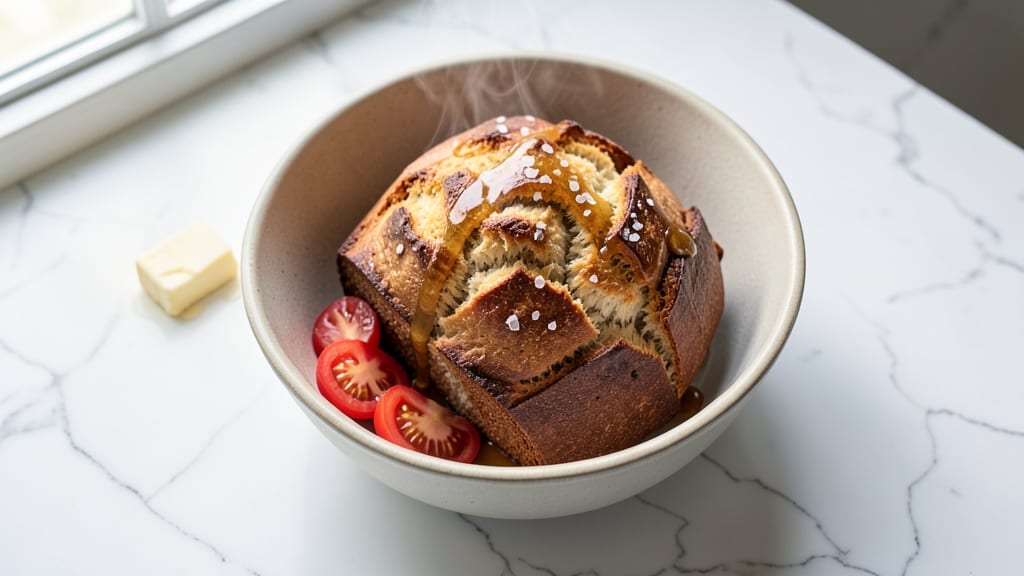
Mastering Breadman bread means achieving that signature combination of a crisp, golden crust and an airy, buttery center—something I perfected after years of experimenting with traditional sourdough techniques.
Standing on a stool in my Nonna's cramped Boston kitchen, I learned how the right fermentation and kneading could transform simple ingredients into something extraordinary. The key lies in precise timing and temperature control during proofing, which creates those signature air pockets.
This recipe delivers restaurant-quality results with just five core ingredients: high-gluten flour for structure, active dry yeast for lift, and unsalted butter that keeps the centers rich and tender.
The process requires patience—45 minutes of active kneading followed by two proofing stages—but the reward is bread that's crisp on the outside, soft and buttery inside, with a flavor that's both comforting and sophisticated.
I've baked this recipe dozens of times in my own kitchen, adjusting variables to ensure consistent results every time.
What sets this Breadman bread apart is its foolproof method for achieving that perfect crust without a bread machine. The dough develops naturally through slow fermentation, creating complex flavors and an open crumb structure. When baked, it releases an intoxicating aroma that transforms any meal into something special.
Whether you're serving it with soup, using it for sandwiches, or simply enjoying it warm with butter, this bread delivers on every promise.
For those new to bread baking, don't be intimidated by the process—this recipe includes troubleshooting tips for common issues like overproofing or dense texture. With the right technique and a little practice, you'll be baking Breadman bread that rivals the best artisanal loaves.
Let's get started on creating your perfect loaf.
Ingredients for breadman bread
Five core ingredients transform into restaurant-quality bread with that signature crisp crust and buttery center.
| Ingredient | Amount | Notes |
|---|---|---|
| High-Gluten Bread Flour 🌾 | 5 cups | King Arthur or Caputo for best results |
| Active Dry Yeast 🍞 | 2 ¼ tsp | Ensure expiration date is fresh |
| Granulated Sugar 🍚 | 1 tbsp | Activates yeast for faster rise |
| Unsalted Butter 🧈 | ½ cup | Cold, cubed for even distribution |
| Large Eggs 🥚 | 1 whole | Room temperature for even mixing |
| Diamond Crystal Kosher Salt 🧂 | 1 ½ tsp | Adjusts to 1% of flour weight |
| Warm Water 💧 | 1 ½ cups | 110°F for optimal yeast activation |
| Cornmeal 🌽 | ¼ cup | For dusting proofing basket |
| Egg Wash 🥚 | 1 whole | Beaten with 1 tsp water for shine |
| Coarse Sea Salt 🧂 | 1 tsp | For final crust enhancement |
The high-gluten flour is non-negotiable here—King Arthur or Caputo give that perfect structure and chew. I buy mine in 25-pound bags from King Arthur Flour because it's the gold standard for bread baking. The yeast? Freshness matters—check the expiration date. If it's been sitting in your pantry for months, grab a new packet. Warm water is key: 110°F gets the yeast party started without killing it. Too hot and it dies; too cold and it sleeps. I use my instant-read thermometer to check—$10 at any kitchen store, game-changer for baking.
No high-gluten flour? King Arthur White Bread Flour works in a pinch, but the texture won't be quite as open. Butter substitutes? Olive oil or vegetable shortening (like Crisco) can mimic the richness, but nothing beats real butter. The egg wash is what gives that golden crust—don't skip it! For the coarse sea salt, Maldon is my go-to, but any flaky salt will do. Pro tip: Toast your yeast for 30 seconds in a dry pan before activating—boosts flavor and reduces fermentation time. And if you're short on time, instant yeast works at half the amount.
This dough is a beast—it needs time to develop. Store it in the fridge for up to 24 hours between kneading and final proof if your schedule is tight. Once baked, it stays fresh for 3-4 days at room temperature, wrapped in a clean kitchen towel. For longer storage, freeze sliced on a tray first, then bag—prevents freezer burn. Reheat slices in a 350°F oven for 5 minutes to restore that bakery-fresh warmth. Trust me, the first slice out of the oven is worth every minute of waiting.
Why You'll Love This Recipe
- No-Knead, No-Fuss: The high-gluten flour does all the heavy lifting—just mix, let it rise overnight, and bake. I’m talking set-it-and-forget-it ease, where the dough practically shapes itself into golden perfection.
- Buttery Rich Crust: That unsalted butter? Oh, it’s the star. It melts into the crust for a flavor so rich, you’ll want to eat it straight from the pan. The eggs bind it just enough to keep it tender inside while locking in that irresistible crunch.
- Weeknight Magic: Between us, this bread is my go-to when I’m swamped. Toss in a loaf for sandwiches, toast it for breakfast, or serve it warm with dinner—it’s the ultimate blank canvas. Honestly, I’ve never met a meal it didn’t improve.
- Stretches Your Budget: High-gluten flour might sound fancy, but a little goes a long way, and the rest of the ingredients? Basic pantry staples. One batch feeds my family for days, and the leftovers? Toasted into croutons or turned into garlic bread—zero waste, all flavor.
Step-by-step instructions for artisan-style Breadman bread
Here's how to craft that perfect crust with tender, buttery centers—every slice will be a revelation.
Activate the Yeast and Create the Dough
In a large mixing bowl, combine the 1.5 cups warm water (110°F) with the 1 tbsp granulated sugar and 2.25 tsp active dry yeast. Let this sit for 5-7 minutes until it becomes frothy and bubbly—this confirms your yeast is alive and ready to work. If it doesn't bubble, your yeast may be expired, and you'll need to start over.
Once activated, add the 5 cups high-gluten bread flour and 1.5 tsp diamond crystal kosher salt to the bowl. Using a wooden spoon or dough whisk, stir until a shaggy mass forms. Then add the 0.5 cup unsalted butter, cut into small cubes. The butter should be cold but not icy—it needs to incorporate without melting immediately. Mix until the dough begins to come together, then turn it out onto a lightly floured surface.
Knead Until Silky and Elastic
Knead the dough vigorously for 8-10 minutes by hand, or use a stand mixer with a dough hook attachment on medium speed for 5-6 minutes. You're aiming for a smooth, elastic dough that springs back when poked—this develops gluten, which gives your bread that signature chewy yet airy texture. If the dough feels too sticky, add flour 1 tablespoon at a time until it's manageable, but don't overdo it.
Here's the thing—this dough should be slightly tacky but not wet. If it's too dry, your bread will lack moisture and become dense. Once it passes the "windowpane test" (stretch a small piece thin enough to see light through it), you're ready for the next step. Shape the dough into a round loaf and place it back in the bowl. Cover with a damp towel and let it rise in a warm place for 1-2 hours, or until it has nearly doubled in size.
Shape and Proof for Maximum Rise
Punch down the risen dough to release air, then turn it out onto a lightly floured surface. Gently shape it into a round boule (a tight, smooth ball) by pulling the edges inward and tucking them under. This shape ensures even baking and that coveted crispy crust. Place the dough seam-side up in a lightly greased pullman pan or a round baking dish, and let it rise again for 30-45 minutes until it's puffy and just about to overflow the pan.
While it proofs, preheat your oven to 375°F. This is the magic temperature for achieving that perfect crust—hot enough to brown beautifully but gentle enough to keep the centers tender. The dough should jiggle slightly when shaken, indicating it's ready for baking. If it hasn't risen enough, give it another 10-15 minutes in the warm oven with the light on.
Bake to Golden Perfection
Brush the dough with the egg wash (the 1 whole egg beaten with 1 tsp water), then sprinkle generously with 1 tsp coarse sea salt over the top. This creates that irresistible crust while adding a subtle briny contrast to the buttery interior. Bake for 35-40 minutes until the bread is deep golden brown and sounds hollow when tapped on the bottom.
For that extra-crisp crust, transfer the bread to a wire rack and immediately sprinkle with an additional 0.25 cup cornmeal while it's still hot. This adds texture and prevents sogginess. Let it cool for at least 20 minutes before slicing—this resting period allows the gluten to relax and the crumb to set, ensuring clean slices every time.
Pro Tips For Making Breadman Bread
- Use Room-Temp Butter: Cold butter pockets slow fermentation—beat the dough until the butter’s just pliable (like soft room-temp cheese). I learned this the hard way when my first batch took three extra hours to rise because I skipped this step. Use your fingers: if it stretches but doesn’t snap, you’re golden.
- Weigh Your Flour: High-gluten flour is deceptive—that "one cup" varies wildly by brand. Use a kitchen scale for 450g (1 lb) of flour. I used to eyeball it, and my bread turned out either dense or crumbly. A little precision here saves a lot of frustration later.
- Skip the Overproofing: This dough wants to rise fast, but overproofing makes it gummy. Poke it gently—if the dimple springs back slowly (not immediately), it’s ready. I once let mine proof for 45 minutes too long, and the texture was sad. Trust the finger test.
- Eggs at Room Temp: Cold eggs shock the dough, slowing fermentation. Pop them in warm water (100°F/38°C) for 10 minutes before adding. I was skeptical until I tried it—now my bread develops flavor and structure without fighting me. (Yes, even if you’re impatient like me.)
Creative variations of this recipe
Herb-Infused Twist
Swap out half the butter for 2 tbsp softened herbed butter—I love mixing 1 tbsp fresh rosemary and 1 tbsp fresh thyme into softened butter before incorporating. This adds an aromatic depth that pairs beautifully with the bread's buttery richness.
For a stronger flavor, infuse the butter overnight in the fridge with 1 tbsp chopped herbs and ½ tsp garlic powder. The herbs release their oils slowly, creating layers of flavor in every bite. 🌿
Sweet Brioche Version
Transform this into a sweet brioche-style loaf by adding 2 tbsp granulated sugar and 1 large egg yolk to the dough. Replace 1 tbsp of the warm water with 1 tbsp whole milk for extra tenderness.
Brush the baked loaf with a mixture of 2 tbsp melted butter and 1 tbsp honey while still warm. This version is perfect for French toast or dessert sandwiches. The caramelized honey adds a subtle sweetness that balances the bread's buttery notes. 🍯
Whole Wheat Adaptation
For a lighter whole wheat version, replace 2 cups of the high-gluten flour with 2 cups whole wheat flour. To maintain the open crumb structure, add 1 tsp vital wheat gluten to the dry ingredients.
The vital wheat gluten mimics the protein structure of regular flour, preventing a dense texture. For extra moisture, increase the water by 1 tbsp. This adaptation works well for those who want to incorporate whole grains without sacrificing texture.
The nuttiness of the whole wheat complements the bread's buttery richness beautifully. 🌾
Garlic and Parmesan Loaf
Add 3 minced garlic cloves and ½ cup grated Parmesan cheese to the dough after kneading. The garlic infuses the dough with a savory depth, while the Parmesan adds a salty, umami punch. For an extra layer of flavor, sprinkle 2 tbsp chopped parsley over the egg wash before baking.
This variation is ideal for serving with soups or as a base for garlic bread. The Parmesan also enhances the bread's shelf life by a day or two. 🧀
Seeded Crust Option
Create a textured, rustic crust by mixing 2 tbsp sesame seeds and 2 tbsp poppy seeds into the egg wash before brushing it onto the dough. For a nutty twist, use 2 tbsp chopped walnuts or pecans instead.
Press the seeds lightly into the dough before baking to ensure they adhere. This not only adds visual appeal but also introduces a delightful crunch. The seeds toast beautifully in the oven, adding another layer of flavor and texture to the crust. 🌰
Gluten-Free Alternative
For a gluten-free version, replace the high-gluten flour with a 1:1 gluten-free bread flour blend like King Arthur Measure for Measure. Add 1 tsp xanthan gum to the dry ingredients to improve elasticity and structure.
The dough will be stickier, so use a stand mixer with a dough hook to handle it. Keep in mind that gluten-free bread won't have the same chewy texture, but it will still be tender and flavorful.
This version is perfect for those with gluten sensitivities who still want to enjoy Breadman-style bread. 🌱
Nutrition facts
Frequently asked questions
Why does this bread need high-gluten flour?
The high-gluten flour creates that signature chewy yet airy texture by developing more gluten strands during kneading. Regular all-purpose flour would make the bread too dense. Think of it like building a sturdy frame—without enough gluten, the bread collapses instead of holding its shape.
Can I make this bread without a stand mixer?
This dough requires 8-10 minutes of vigorous hand-kneading on a floured surface. Work the dough until it becomes smooth and elastic, passing the "windowpane test" (stretch a small piece thin enough to see light through). Your arms will get a workout, but the result is worth it.
What if my dough doesn't rise properly?
Check these three things first: yeast freshness (test with warm water/sugar), water temperature (should be 110°F), and proofing environment (warm spot, not cold fridge). If it's still flat after 2 hours, your yeast may be dead—start over with fresh yeast. Cold kitchens? Turn your oven on low (200°F) with the light on for a warm proofing chamber.
How do I store leftovers to keep them fresh?
Wrap cooled bread in a clean kitchen towel (better than plastic for moisture control) and store at room temperature for 3-4 days. For longer storage, slice and freeze on a tray first, then bag. Reheat slices in a 350°F oven for 5 minutes to restore that bakery-fresh aroma. Pro tip: Toast stale slices—they make perfect croutons!
Can I use this dough for other shapes besides a boule?
Yes! Shape it into a batard (oval loaf), baguette (long and thin), or even free-form shapes like a braid. For baguettes, divide the dough into three portions and roll each into a long log. The key is maintaining tension on the surface—this creates that signature crust. Just adjust baking time based on shape (baguettes bake faster).