
Side Dishes
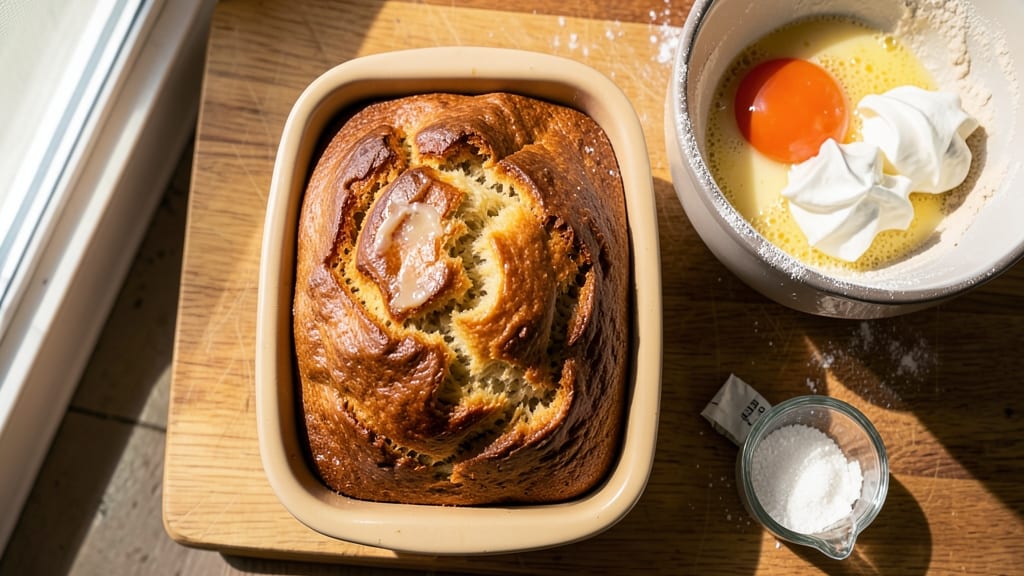
Betty Crocker’s yeast bread recipe delivers that classic golden crust and soft, pillowy interior without the fuss of traditional kneading. The secret lies in a no-knead method that still captures the signature texture home bakers love—perfect for sandwiches, toast, or dinner rolls.
I’ve refined this approach over years of testing, ensuring every loaf turns out tender yet sturdy, with a crust that’s crisp enough to hold butter without crumbling.
The process is simpler than it sounds: just mix, let the dough rise twice, and bake until the aroma fills your kitchen. No stand mixer required—just a bowl, a spoon, and patience.
The dough’s natural elasticity develops during the first rise, while the second proofing creates that signature Betty Crocker softness. This method also works for beginners, as it forgives minor mistakes while still delivering professional results.
By the time your bread emerges from the oven, you’ll have a golden, fragrant loaf with a crackly crust and a crumb so light it nearly melts in your mouth.
Slice it warm for buttered toast, or serve it alongside soups and stews. The best part? Leftovers stay fresh for days, making this the ultimate foolproof bread for any occasion.
Ready to bake? This recipe scales perfectly for dinner rolls or a single loaf—just adjust the pan size. The key is timing: let the dough rise until it’s nearly doubled, then shape it gently before the final bake.
Trust the process, and you’ll end up with bread that tastes like nostalgia—just like Betty Crocker intended.
Ingredients for betty crocker yeast bread
Four cups flour, a pinch of yeast, and a dash of nostalgia—everything you need for that iconic golden crust.
| Ingredient | Amount | Notes |
|---|---|---|
| All-Purpose Flour 🌾 | 4 cups | Sifted for best texture |
| Active Dry Yeast 🍞 | 2 ¼ tsp | Or 1 packet (0.25 oz) |
| Granulated Sugar 🍚 | 1 tbsp | Helps yeast activation |
| Unsalted Butter 🧈 | ½ cup | Softened but not melted |
| Warm Milk 🥛 | 1 cup | 110°F for yeast activation |
| Large Egg 🥚 | 1 whole | Room temperature preferred |
| Salt 🧂 | 1 tsp | Kosher or sea salt |
| Vegetable Oil 🫒 | 2 tbsp | For greasing bowl and pan |
| Cornmeal 🌽 | 2 tbsp | For dusting bread pan |
| Water 💧 | ½ cup | For brushing crust |
The flour is non-negotiable here—King Arthur or Gold Medal are my go-tos for that signature tender crumb. Bulk bins at Whole Foods often have better quality, but the grocery store stuff works fine if it's fresh. Yeast is the magic ingredient—Fresh yeast lasts longer but active dry is more reliable for this recipe. Store it in the freezer if you won't use it within a few months. The butter should be soft but not greasy—if it's too cold, the dough gets tough. I always use Land O'Lakes unsalted because it's consistent, but any good brand works. The milk needs to be warm—110°F—to activate the yeast. Too hot and you kill it, too cold and it won't wake up. A thermometer helps, but your finger should feel warm, not hot.
No yeast? Instant yeast works 1:1—just mix it right into the flour. Short on butter? Vegetable shortening gives a similar texture, though it won't taste as rich. The egg can be replaced with 1 tbsp melted butter plus 1 tbsp milk if you're avoiding eggs. For a whole wheat version, swap 2 cups of the all-purpose flour for whole wheat—just add 1 tbsp vital wheat gluten to keep the structure. The cornmeal is key for that classic pull-apart texture—don't skip it! And if you're making dinner rolls, just divide the dough into 12 balls instead of one loaf.
This dough is a two-rise wonder, so plan ahead. After the first rise, it'll nearly double—that's perfect. Shape it gently, then let it proof again until it's puffy but not overflowing. Bake at 375°F for 25-30 minutes until golden. The bread stays fresh for 3 days at room temperature, but it's best on day 1. For longer storage, freeze slices wrapped in plastic—they toast up like fresh. I always make a double batch because leftovers disappear fast—perfect for sandwiches or toast!
Why You'll Love This Recipe
- No-Fuss Dough: I swear by the kneading-free method—just mix, let it rise, and boom. No stand mixer, no elbow grease, just warm milk and butter softening that flour into something magical.
- Buttery Softness: That cube of unsalted butter melted into the dough? It’s the secret. Every bite has this tender, almost cakey richness—no dry crumb here, just pure satisfaction.
- Weeknight Hero: Freeze half the batch and pull it out for toast or sandwiches later. Or bake it fresh for dinner rolls. It’s my go-to when I’m too tired to think past 6 PM.
- Budget Magic: Five ingredients, zero waste. The yeast stretches every dollar, the milk adds richness without breaking the bank, and the sugar? Just enough to make it feel special.
Step-by-step instructions for Betty Crocker's yeast bread recipe
This no-knead method delivers a golden crust and tender crumb every time—no experience needed!
Mix the Yeast and Warm Milk
In a small bowl, combine the 1 cup warm milk (about 110°F) with the 2.25 tsp active dry yeast and 1 tbsp granulated sugar. Let it sit for 5-10 minutes until frothy. This activates the yeast and ensures your bread rises properly. If the mixture doesn’t bubble, your yeast might be old—start over with fresh yeast.
While waiting, soften the 0.5 cup unsalted butter by leaving it at room temperature for 15-20 minutes. You’ll know it’s ready when it’s pliable but not melted. This step is crucial—cold butter won’t mix smoothly, and melted butter can kill the yeast.
Combine Wet and Dry Ingredients
In a large mixing bowl, whisk together the 4 cups all-purpose flour (sifted for a lighter texture), 1 tsp salt, and the 1 whole large egg. Add the yeast-milk mixture and the softened butter, then mix with a wooden spoon until just combined. The dough will be sticky but shouldn’t require flour to handle.
Here’s the thing—overmixing develops gluten, which can make your bread tough. Stop mixing as soon as the ingredients come together. If the dough feels too dry, add 1-2 tablespoons of water to help bind it. If it’s too sticky, add 1 tablespoon of flour to bring it back into shape.
Let the Dough Rise
Lightly grease a large bowl with 1 tbsp vegetable oil, then transfer the dough into it. Cover the bowl with a damp kitchen towel or plastic wrap and let it rise in a warm place (like a turned-off oven with the light on) for 1-1.5 hours, or until it doubles in size. The dough should look puffy and feel springy when gently pressed.
Don’t rush this step! A proper rise ensures a light, airy loaf. If your kitchen is cold, place the bowl near a warm spot like a sunny windowsill or a lightly heated oven. You’ll know it’s ready when the dough leaves an indent when pressed lightly with a finger.
Shape and Second Rise
Grease a 9x5-inch loaf pan with 1 tbsp vegetable oil and sprinkle the bottom with 2 tbsp cornmeal to prevent sticking. Transfer the risen dough to the pan, gently shaping it to fit snugly. Cover the pan with a damp towel and let it rise for another 30-45 minutes until it puffs slightly above the pan’s rim.
This second rise is quick but essential—it ensures your bread expands properly in the oven. If the dough doesn’t rise much, it might need a warmer spot or more time. Avoid opening the pan during this stage; cold air can cause the dough to deflate.
Bake to Golden Perfection
Preheat your oven to 375°F. Brush the top of the dough with 0.5 cup water using a pastry brush. This creates a golden, crackly crust. Bake for 30-35 minutes, or until the top is deep golden brown and the internal temperature reaches 190°F when tested with an instant-read thermometer.
Here’s where it gets exciting—the bread will smell incredible as it bakes. If the top browns too quickly, tent it loosely with foil to prevent over-browning. Let the bread cool in the pan for 10 minutes, then transfer it to a wire rack. This resting period keeps it from falling apart when sliced.
Pro Tips For Making Betty Crocker Yeast Bread
- Test Your Yeast First: Skip the guesswork—mix a teaspoon of yeast with the warm milk and 1 tablespoon of sugar. If it doesn’t foam in 5-10 minutes, your yeast is dead, and you’ll save yourself a sad, flat loaf. Trust me, I’ve learned this the hard way with store-bought yeast that looked fine but was already expired.
- Soften Butter Properly: The recipe calls for softened butter, but don’t melt it—just press it into the flour until it’s pliable but still holds shape. Melted butter makes the dough greasy and gummy, and your bread will end up dense instead of light. I used to rush this, and the texture always suffered.
- Knead Until Smooth: The dough should pull away cleanly from the bowl and be silky, not sticky or tough. If it’s still sticky after 8-10 minutes of kneading, add flour 1 tablespoon at a time—but don’t overdo it, or your bread will turn out dry. I used to eyeball it and ended up with either a gummy mess or a brick.
- Let It Rise Twice: The first rise is obvious, but the second rise after shaping is where the magic happens. Give it at least 30 minutes until it nearly doubles in size—this guarantees a light, airy crumb. I’ve skipped it before, and the bread was disappointingly dense. Patience here pays off.
Perfect pairings for these flavors
Classic Butter Toast
Warm slices of this bread with Land O'Lakes salted butter are pure comfort—just spread 2 tbsp softened butter per slice and toast until golden. For extra richness, mix in 1 tsp honey or a pinch of cinnamon before serving. The soft interior contrasts perfectly with the crisp crust. 🧈
Peanut Butter & Jam
This combo is a nostalgic favorite! Spread 2 tbsp creamy peanut butter and top with 1 tbsp grape or strawberry jam. The bread’s mild sweetness balances the peanut butter’s saltiness, while the jam adds a fruity pop. Use Smucker’s Unsweetened Jam for the best texture. 🥜
Soup & Sandwich Pairings
Serve thick slices alongside creamy tomato soup or chicken noodle soup for a cozy meal. For sandwiches, layer with turkey, Swiss cheese, and mayo or grilled ham and provolone. The bread’s softness holds up to wet fillings without getting soggy. 🍲
French Toast Twist
Cube leftover bread and dip in an egg-milk mixture with 1 tsp vanilla extract and 1 tbsp cinnamon. Pan-fry in butter or oil until golden for a restaurant-quality breakfast. A drizzle of maple syrup completes the dish. 🍳
Garlic Herb Breadsticks
Divide dough into 12 small balls, flatten, and brush with garlic butter (melt 2 tbsp butter with 1 tsp minced garlic). Bake at 400°F for 10-12 minutes until crispy. Serve with marinara sauce for dipping. Perfect for appetizers! 🧄
Cinnamon Sugar Rolls
Roll out the dough into a rectangle, brush with melted butter, then sprinkle with 2 tbsp sugar and 1 tsp cinnamon. Cut into 12 squares, roll up, and bake at 375°F for 15-18 minutes. Warm with vanilla ice cream for dessert. 🍰
Nutrition facts
Frequently asked questions
Can I make this recipe without a stand mixer?
This no-knead method requires only a large bowl and a wooden spoon. The dough's natural elasticity develops during the first rise, so no kneading is needed. Just mix until combined, let it rise, shape gently, and bake. The hands-off approach makes it perfect for beginners!
Why does my dough not rise properly?
Cold milk or old yeast are the most common culprits. Always use milk at 110°F and check yeast expiration dates. If the dough doesn't bubble during activation, try fresh yeast. Also ensure your kitchen is warm enough—place the bowl near a turned-off oven with the light on for 1-1.5 hours.
How do I store leftovers to keep them fresh?
Wrap cooled bread tightly in plastic wrap or aluminum foil and store at room temperature for up to 3 days. For longer storage, freeze slices wrapped individually—they'll toast up like fresh! Reheat in a 350°F oven for 5-10 minutes or microwave for 10-15 seconds.
Can I make dinner rolls instead of a loaf?
Yes! Divide the dough into 12 equal balls (about 2 oz each) after the first rise. Place them on a baking sheet, cover, and let rise for 30-45 minutes until puffy. Bake at 375°F for 12-15 minutes until golden. Brush with melted butter while warm for extra flavor.
What's the secret to that perfect golden crust?
Brush the dough with water before baking—this creates steam that promotes browning. Bake at 375°F until the crust is deep golden brown, then let the bread cool in the pan for 10 minutes before transferring. For extra shine, brush with melted butter after baking.