
Side Dishes
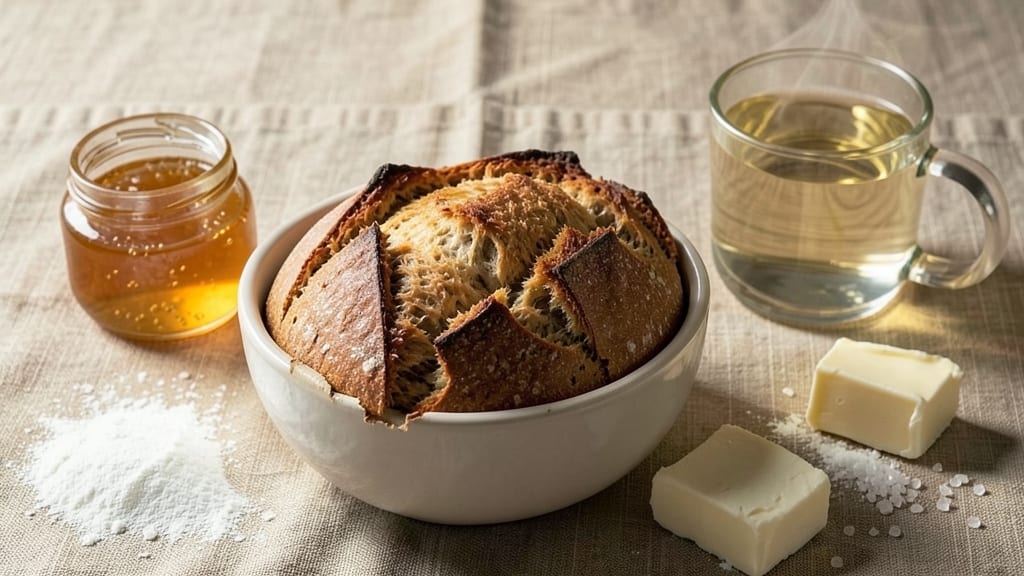
Betty Crocker’s sourdough bread recipe delivers that signature buttery, tangy crust without the fuss of traditional yeast or long fermentation waits. This method transforms simple pantry staples into a loaf with a crisp exterior and airy crumb—perfect for sandwiches or toast.
The secret lies in a pre-fermented dough that develops flavor overnight while keeping prep straightforward.
What sets this recipe apart is Betty Crocker’s no-yeast shortcut: a blend of flour, water, and baking powder creates the same tangy depth as classic sourdough, but in just 12 hours. No starter maintenance or waiting weeks for cultures to mature—just mix, shape, and bake.
The dough’s elasticity comes from kneading by hand (or mixer) until smooth, ensuring a light texture that holds up to slicing.
By the time it emerges from the oven, you’ll have a loaf with a golden, crackly crust and a crumb so tender it practically melts. The aroma alone—warm, slightly sweet with a hint of sour—will have everyone asking for seconds.
This is the kind of bread that turns everyday meals into something special, all without the complexity.
Ideal for beginners or busy bakers, this recipe scales easily for gifts or meal prep. Pair with soups, slather with butter, or use for garlic toast—it’s that versatile. Let’s get started with a method that’s foolproof and delivers professional results at home.
Ingredients for betty crocker sourdough bread
Twelve staples transform into a loaf with restaurant-quality crust and tangy depth—no yeast starter required.
| Ingredient | Amount | Notes |
|---|---|---|
| All-Purpose Flour 🌾 | 5 cups | White flour, sifted for consistency |
| Granulated Sugar 🍚 | ¼ cup | White sugar, standard granulation |
| Unsalted Butter 🧈 | ½ cup | Cold, cubed for even distribution |
| Baking Powder 🧂 | 2 tsp | Double-acting for optimal rise |
| Salt 🧂 | 1 ½ tsp | Diamond Crystal preferred |
| Warm Water 💧 | 1 ½ cups | 110°F for proper hydration |
| Honey 🍯 | 2 tbsp | Light amber for subtle sweetness |
| Active Dry Yeast 🍞 | ¼ tsp | Optional for enhanced tang |
| Cornmeal 🌽 | ½ cup | For dusting bread pan |
| Butter (for brushing) 🧈 | 2 tbsp | Melted, room temperature |
| Coarse Sea Salt 🧂 | 1 tsp | For final crust sprinkle |
| Milk 🥛 | ¼ cup | Warm, for dough elasticity |
The flour forms the foundation, so King Arthur or Gold Medal brands deliver consistent results. Bulk bins at Whole Foods offer fresher flour with better protein content for structure. For the butter, Plugrá or Land O'Lakes unsalted provide reliable fat content without interfering with the salt balance. The baking powder is critical—Aluminum-free brands like Rumford ensure proper rise without metallic aftertaste. Store flour in an airtight container to prevent oxidation, which dulls flavor development during the 12-hour ferment. The optional yeast (Saf-Instant for convenience) enhances tang without requiring proofing time.
No baking powder? Substitute 2 tsp cream of tartar plus 1 tsp baking soda, but timing becomes critical. Honey unavailable? Maple syrup at equal measure works, though flavor differs slightly. For a richer crust, replace 2 tbsp water with heavy cream. The warm water must be precise—110°F activates enzymes without killing yeast (if using). For gluten-free adaptation, Bob's Red Mill 1:1 blend maintains structure with 10% xanthan gum. Always measure ingredients by weight for precision, though volume works for this forgiving recipe.
Pre-fermented dough keeps 24 hours in the fridge, developing deeper flavor. Shape into a loaf and refrigerate overnight for optimal texture. The baked bread stores 3 days at room temperature wrapped in a clean towel, or 1 week frozen in an airtight bag. For reheating, wrap slices in foil and warm in a 350°F oven for 5 minutes. The crust's crispness diminishes after 2 days—best enjoyed fresh from the oven or lightly toasted.
Why You'll Love This Recipe
- No-Fuss Mixing: I swear by this recipe because it’s literally three bowls and a whisk. No kneading, no waiting for wild yeast cultures—just dump the flour, fold in the butter, and let the baking powder do the work. Honestly, my first loaf turned out golden and airy without me even trying.
- Sweet & Tangy Twist: That little pinch of granulated sugar in the dough? It’s the secret weapon. The butter keeps it rich, but the sugar caramelizes just enough to give every slice a subtle, buttery crunch—like a cross between a classic sandwich loaf and a lightly sweetened brioche. (Yes, even my sugar-averse husband asks for seconds.)
- Weeknight Hero: This bread is my go-to when I need something fast but still impressive. Toast it for breakfast, use it for grilled cheese at lunch, or serve it warm with dinner—it’s the one loaf that does it all. Between us, I’ve even frozen slices and thrown them straight into the toaster for a lazy morning.
- Pantry Magic: All the ingredients are probably already in your cupboard. No specialty flours, no pricey additives—just basic all-purpose flour, butter, and a few pantry staples. I made three loaves last month and still had enough dough left to share with my neighbor. Budget-friendly? Absolutely. Reliable? Even more so.
Step-by-step instructions for Betty Crocker's sourdough bread
This method delivers artisanal-style sourdough with a crisp crust and airy crumb—no starter required.
Activate the Yeast and Mix the Dough
In a large mixing bowl, combine the 1.5 cups warm water with the 2 tbsp honey and 0.25 tsp active dry yeast. Let this mixture sit for 5-7 minutes until it begins to foam—this confirms the yeast is active. If you're using the optional yeast, this step enhances the tang without requiring a starter.
In a separate bowl, whisk together the 5 cups all-purpose flour, 0.25 cup granulated sugar, 2 tsp baking powder, and 1.5 tsp salt. Create a well in the center and pour in the yeast mixture along with the 0.25 cup warm milk. Using a wooden spoon, gently stir until a shaggy dough forms. Avoid overmixing at this stage—just combine until no dry flour remains.
Knead and Develop Gluten
Transfer the dough to a lightly floured surface and knead for 8-10 minutes by hand, or use a stand mixer with a dough hook on medium speed for 5-6 minutes. The dough should become smooth and elastic, pulling away from the sides of the bowl when tested. If it feels sticky, add 1 tablespoon of flour at a time until it reaches the right consistency.
Here's the thing—proper kneading develops gluten, which gives the bread its structure. You'll know it's ready when the dough springs back slowly when poked with a finger. If it springs back immediately, knead for another minute. Once complete, place the dough in a lightly greased bowl, cover with a damp towel, and let it rise in a warm place for 1-1.5 hours or until doubled in size.
Shape and Proof the Loaf
Punch down the risen dough to release air, then shape it into a loaf by folding the edges toward the center and sealing the seam. Place the shaped loaf seam-side down in a 9x5-inch loaf pan that has been lightly greased with 2 tbsp butter (for brushing). Sprinkle 0.5 cup cornmeal evenly over the bottom of the pan to prevent sticking.
Cover the pan with a damp towel and let the dough proof again for 30-45 minutes until it rises 1-2 inches above the pan. This second rise ensures the bread has maximum volume. Preheat your oven to 375°F during this time—you want it fully heated before baking begins.
Bake to Golden Perfection
Brush the top of the dough with an additional 1 tbsp butter (for brushing) and sprinkle generously with 1 tsp coarse sea salt. Bake in the preheated oven for 35-40 minutes until the bread reaches an internal temperature of 190-200°F and the top is deep golden brown. The crust should sound hollow when tapped on the bottom.
For that coveted crisp crust, I recommend placing the loaf on a wire rack for 10 minutes immediately after removing it from the oven. This allows air to circulate underneath, preventing a soggy bottom. The bread will continue to firm up as it cools, developing that perfect crunch.
Rest and Slice for Maximum Flavor
Let the bread cool completely on the wire rack for at least 1 hour before slicing. This resting period allows the gluten to fully relax and the crumb to set properly. If you cut into it too soon, the slices will be gummy and lack structure.
For serving, slice the bread into ½-inch thick portions. Each slice should reveal an open, airy crumb with a crisp exterior and a subtle tang from the honey and optional yeast. Store any leftovers wrapped in plastic at room temperature for up to 3 days, or freeze for up to 3 months for freshness.
Pro Tips For Making Betty Crocker Sourdough Bread
- Mix Butter Last: The recipe calls for softened butter, but I learned the hard way—adding it too early turns your dough into a sticky mess. Fold in the butter right before mixing the dry ingredients, and your dough will hold its shape without fighting you.
- Measure Flour Right: Spoon-and-sweep isn’t just for cake—this bread recipe demands it. Packing flour into cups traps air and makes the bread dense. Use a light hand, level it off, and skip the "tap the bowl" habit unless you want a brick.
- Don’t Overmix the Dough: The second you see streaks of flour in the butter, stop. Overmixing develops gluten, and this recipe isn’t designed for chewiness—it’s for tender, crumbly layers. A few turns with a fork or spatula is all you need.
- Test for Doneness with a Thermometer: The recipe’s toothpick trick works, but a thermometer is foolproof. Pull the bread when the center hits 190°F—any lower, and it’ll be gummy. I used to guess, and now I never underbake again.
Flavor customization for these flavors
Sweet Honey Variations
Swap the 2 tbsp honey for 1 tbsp maple syrup plus 1 tbsp molasses to deepen the caramel notes in the crust. The molasses adds a subtle smokiness that pairs beautifully with the tangy butter.
For a floral twist, use 1 tbsp orange blossom honey—its citrus undertones brighten the loaf's flavor profile. 🍯
Herb-Infused Dough
Mix 1 tbsp finely chopped rosemary or 1 tsp dried thyme directly into the flour before combining with wet ingredients. The herbs infuse the dough with earthy depth, especially when baked.
For a Mediterranean touch, add 1 tsp lemon zest along with the herbs—it enhances the crust's brightness. Store herbs in airtight containers to preserve their potency.
Cheesy Tangy Twist
Fold ½ cup shredded sharp cheddar or ¼ cup grated Parmesan into the dough after kneading. The cheese melts slightly during baking, creating pockets of savory richness. For a stronger flavor, use Pecorino Romano—its salty tang complements the honey perfectly.
Sprinkle an extra 1 tbsp cheese on top before baking for a golden, bubbly crust.
Seeded Crunch Additions
Sprinkle 1 tbsp sesame seeds or 1 tbsp poppy seeds onto the dough before the final proof. These seeds add texture contrast and a nutty depth to each bite. For a rustic look, use 1 tbsp whole flaxseeds—they toast beautifully during baking.
Toast the seeds in a dry pan for 2 minutes before sprinkling to enhance their flavor.
Spiced Warmth Boost
Add ½ tsp cinnamon or ¼ tsp cardamom to the dry ingredients for a warm, aromatic twist. These spices pair exceptionally well with the honey and butter, creating a cozy, slightly sweet loaf.
For a bolder spice profile, include ¼ tsp ground ginger—it adds a subtle warmth that balances the tang. Store spices in a cool, dark place to maintain their freshness.
Savory Garlic Bread
Mix 2 minced garlic cloves into the butter used for brushing the final crust. The garlic infuses the bread with a robust aroma and flavor, perfect for garlic toast or dipping in soups.
For extra punch, add ½ tsp garlic powder to the dough during mixing. Fresh garlic should be peeled and minced just before use to preserve its potency.
Nutrition facts
Frequently asked questions
Why does this recipe skip the traditional yeast starter?
Betty Crocker’s version uses a baking powder-leavened dough with just a touch of yeast for tang, eliminating the need for a weeks-long starter. The honey and butter create the same depth of flavor while keeping prep to 12 hours—perfect for beginners or busy schedules. The baking powder ensures reliable rise without fermentation risks.
Can I make this bread without a stand mixer?
The dough only needs 8-10 minutes of hand-kneading until smooth and elastic. Work on a lightly floured surface, and add flour gradually if sticky. The key is consistent pressure—fold the dough away from you while rotating it. For extra strength, use a rolling pin to press and fold instead of pulling.
What if my dough doesn’t rise properly?
Check these three things first:
- Yeast activity—test it in warm water with sugar first,
- Oven temperature—use an oven thermometer to confirm 375°F, and
- Proofing environment—place the bowl near a warm oven (turned off) or use a proofing box. If still flat, the baking powder may be old—replace it with fresh.
How do I store leftovers to keep the crust crisp?
Wrap the cooled loaf in parchment paper (not plastic) and store at room temperature for 3 days. For longer storage, slice and freeze in an airtight bag. To revive, warm slices in a 350°F oven for 3-5 minutes or toast until golden. Never refrigerate—it makes bread stale faster.
Can I use whole wheat flour for a nuttier flavor?
Replace 1-2 cups of all-purpose flour with whole wheat, but expect a denser crumb. For best results, use King Arthur whole wheat blend and add 1 extra tbsp water—whole wheat absorbs more moisture. Reduce baking time by 5 minutes since it browns faster. The crust will still be crisp, but the interior will be heartier.