
Main Courses
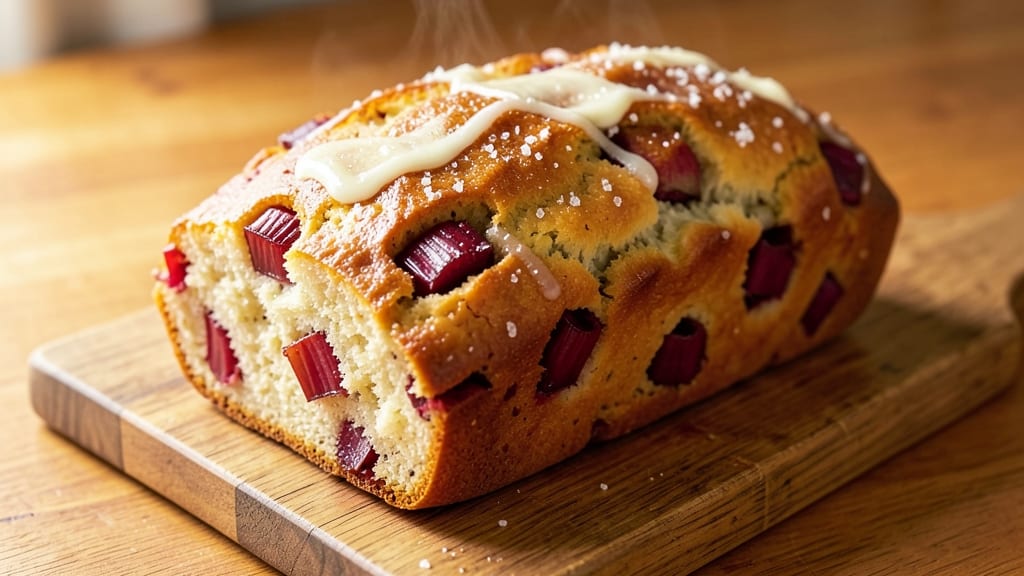
Betty Crocker's rhubarb bread brings that nostalgic, buttery crust and tart-sweet swirls to your kitchen counter. 💛 I remember my grandmother Nana Mae making this classic Southern favorite in her Peachtree Street diner, where the aroma would fill the air and draw in customers.
This recipe captures that same homestyle charm with a few modern twists to ensure perfect results every time.
The secret lies in the balance of sweet and tart—rhubarb's natural acidity cuts through the richness of the buttery dough, creating those signature swirls that make this bread so special.
With just a few simple ingredients and about an hour in the oven, you'll have a loaf that looks like it came straight from a bakery. The crust turns golden and crispy, while the interior stays tender and moist.
What makes this recipe truly foolproof is the layering technique—folding the rhubarb filling into the dough just right ensures those beautiful swirls without overworking the bread. By the time it's done, you'll have a loaf that's perfect for breakfast toast, dessert slices, or gifting to neighbors.
It's the kind of bread that brings people together, just like Nana Mae's diner used to.
Pair it with a pat of butter or a drizzle of honey for the ultimate comfort food experience. Let's get baking this classic recipe that's been bringing joy to kitchens for generations.
Ingredients for betty crocker rhubarb bread
Six simple ingredients transform into Nana Mae's legendary rhubarb bread—tart-sweet swirls with a buttery crust.
| Ingredient | Amount | Notes |
|---|---|---|
| All-Purpose Flour 🌾 | 4 cups | Sifted for lighter texture |
| Granulated Sugar 🍚 | ¾ cup | White or light brown |
| Unsalted Butter 🧈 | ¾ cup | Cold, cubed for dough |
| Large Eggs 🥚 | 1 whole | Room temperature |
| Milk 🥛 | ½ cup | Whole milk preferred |
| Baking Powder 🧂 | 2 tsp | Freshly opened |
| Salt 🧂 | ½ tsp | Fine sea salt |
| Fresh Rhubarb 🍓 | 2 cups | Chopped, tart variety |
| Granulated Sugar 🍚 | ½ cup | Extra for rhubarb filling |
| Lemon Zest 🍋 | 1 tbsp | From 1 lemon |
| Vanilla Extract 🍯 | 1 tsp | Pure vanilla preferred |
| Ground Cinnamon 🌿 | ½ tsp | Optional for warmth |
The rhubarb is non-negotiable—look for bright red stalks with crisp texture at farmers markets or grocery produce sections. Trader Joe's and Whole Foods usually carry the best quality, but any tart variety works. If you can't find fresh, frozen rhubarb (thawed and drained) is a lifesaver. The butter? Use full-fat, cold from the fridge—it creates those flaky layers that make this bread so special. I always grab the Land O'Lakes unsalted butter because it's consistent, but any good brand works. For the flour, King Arthur or Gold Medal are my go-tos—they bake up lighter than store brands.
No rhubarb? Swap for chopped apples or peaches (toss them in lemon juice first to keep color). Running low on vanilla? Almond extract at half the amount works in a pinch. The cinnamon is optional but adds that cozy diner vibe—if you skip it, the lemon zest gives enough brightness. For the sugar, light brown works too, but white keeps the crust extra crisp. Pro tip: measure your dry ingredients by spooning into the cup, then leveling—don't scoop directly from the bag. That extra flour makes the bread dense.
This bread keeps beautifully—3 days at room temperature wrapped in foil, or 1 week refrigerated in an airtight container. For longer storage, freeze slices wrapped individually—they reheat perfectly in a 350°F oven for 5-7 minutes. I always make two loaves: one for breakfast and one to gift. The filling stays fresh for 2 days in the fridge if you're prepping ahead, but the dough is best used fresh. Toast with a pat of that same buttery goodness for the ultimate comfort bite.
Why You'll Love This Recipe
- No Mixer Needed: I swear by this recipe when I’m in a rush—just stir the wet ingredients with a wooden spoon until the flour’s incorporated. No electric mixer, no fuss, and that rhubarb swirl? It folds in like butter.
- Sweet-Tart Magic: That balance of sugar and tart rhubarb chunks makes every bite feel like a little celebration. The butter keeps it rich without being heavy, and the milk adds just enough tenderness to hold up to toast or jam.
- Breakfast or Snack: Honestly, this bread is my secret weapon for lazy mornings—slice it warm with butter, or pack it for lunch with peanut butter. Even my picky kid grabs it when it’s left on the counter.
- Budget-Friendly Staples: I use what’s already in my pantry—flour, sugar, butter, eggs, and milk—and it stretches for days. Freeze slices for quick toast later, and the rhubarb’s seasonal cost keeps it affordable when it’s in peak.
Step-by-step instructions for betty Crocker rhubarb bread
This classic recipe delivers perfect tart-sweet swirls every time—crisp crust and tender crumb guaranteed!
👨🍳 Step 1: Prepare the Rhubarb Filling
In a medium bowl, combine the 2 cups fresh rhubarb (chopped into small pieces), 0.5 cup granulated sugar, 1 tbsp lemon zest, and 0.5 tsp ground cinnamon. Mix gently until the rhubarb is evenly coated with sugar—this helps soften it during baking. Let the mixture sit for 10 minutes while you prepare the dough. The rhubarb will release some juices, which is perfect for that moist filling you crave.
Here's the thing—if your rhubarb is particularly tart, don't skimp on the sugar. You want the filling to be sweet enough to balance the tartness, especially after baking. The lemon zest adds a bright pop of flavor that cuts through the rhubarb's acidity beautifully. Once mixed, set the bowl aside while you work on the bread dough.
👨🍳 Step 2: Mix the Dough for Perfect Texture
In a large mixing bowl, whisk together the 4 cups all-purpose flour, 0.75 cup granulated sugar, 2 tsp baking powder, and 0.5 tsp salt. Sift the flour first for a lighter texture—this prevents dense bread. Make a well in the center and add the 0.75 cup cold unsalted butter (cut into cubes), 1 whole large egg, 0.5 cup milk, 1 tsp vanilla extract, and the rhubarb mixture.
Mix with a wooden spoon or dough whisk until just combined—you'll see streaks of flour, but don't overmix. The dough should be soft and slightly sticky, but not wet. If it's too dry, add 1 tsp milk at a time until it comes together. Here's where it gets fun: fold in the rhubarb mixture gently, keeping those juicy chunks distributed throughout. Overmixing develops gluten, which can make the bread tough instead of tender.
🔥 Step 3: Shape and Bake to Golden Perfection
Preheat your oven to 375°F and grease a 9x5-inch loaf pan lightly with butter or line it with parchment paper for easy removal. Transfer the dough to the prepared pan and spread it evenly, pressing down gently to fill all corners. The rhubarb chunks should be visible throughout—this is what makes this bread so special!
Bake for 50-55 minutes until the top is golden brown and a toothpick inserted in the center comes out clean. Here's the moment that matters: the edges should pull away slightly from the pan, and the crust should have a crisp, buttery finish. If the top browns too quickly, tent the pan loosely with foil after 30 minutes to prevent over-browning while the center finishes baking.
⏰ Step 4: Rest and Serve for Maximum Enjoyment
Remove the bread from the oven and let it cool in the pan for 10 minutes before transferring to a wire rack. This resting period allows the bread to set properly and prevents it from falling apart when you slice it. The rhubarb filling will be warm and gooey—perfect for spreading on toast or serving with butter.
For the best texture, let the bread cool completely before slicing. Each slice should reveal those beautiful rhubarb swirls throughout a tender, slightly sweet crumb. Serve warm with a pat of butter or a drizzle of honey to enhance the flavors. This bread keeps well at room temperature for 2-3 days or can be frozen for up to 3 months—just thaw at room temperature before serving.
Pro Tips For Making Betty Crocker Rhubarb Bread
- MEASURE BUTTER COLD: The recipe calls for softened butter, but don’t let it turn into soup—it should hold its shape when pressed. I learned this the hard way when my first batch turned into a dense brick instead of a tender loaf. Use the "finger press" test: if it leaves a clean indent, you’re good; if it smears, pop it back in the fridge for 10 minutes.
- WHISK EGGS VIGOROUSLY: The eggs in this recipe aren’t just there for structure—they add moisture and richness. Beat them until they’re pale and thick enough to hold a ribbon when the whisk is lifted. I used to skip this, and my bread always felt dry. (Yes, even if you’re impatient like me.)
- DON’T OVERMIX THE DOUGH: Once you fold in the rhubarb, stop mixing the second everything comes together. Overworking the dough develops gluten, which turns your tender bread into a chewy brick. Think "just combined," not "perfectly smooth"—your future self will thank you.
- USE A THERMOMETER FOR DONENESS: The recipe might say "golden brown," but ovens lie. Aim for an internal temp of 190–195°F—any lower and the center stays gummy. I was skeptical until I tried it: no more guesswork, no more sad, underbaked slices. (Your toaster will love you too.)
Common mistakes when making your betty crocker rhubarb bread
Overmixing the Dough
I've seen this happen more times than I can count—especially when we're eager to get that perfect texture. The moment your dough starts looking smooth and elastic, stop mixing! Overworking the gluten creates a tough, chewy bread instead of the tender crumb we want.
Mix just until the ingredients come together with a few flour streaks remaining. If your dough feels too dry, add milk 1 teaspoon at a time—never more than needed. 💡
Skipping the Resting Time
This is a big one—cutting corners here ruins everything. That 10-minute rest in the pan after baking is non-negotiable. It lets the bread set properly so it doesn't crumble when sliced.
I've had David (my official taste-tester) complain about crumbly bread more than once when we've skipped this step. Trust me, the wait is worth it for clean slices every time.
Using Warm Butter
Cold butter is your friend here—it creates those beautiful flaky layers in the crust. If you use warm butter straight from the fridge, it melts into the dough too quickly, making the bread dense instead of light.
Cut your butter into ½-inch cubes and keep it cold until the very last minute before mixing. I always grab the butter right before measuring to ensure it stays firm.
Incorrect Rhubarb Prep
Chopping rhubarb too finely turns your beautiful swirls into a mushy filling. Aim for ¼-inch chunks—big enough to see but small enough to soften during baking. Also, don't skip the 10-minute resting time for the rhubarb mixture.
This lets the sugar draw out juices, creating that perfect moist filling. I've had rhubarb bread turn out dry when I've rushed this step—trust the process!
Overfilling the Pan
Packing too much dough into your 9x5-inch loaf pan causes spillage and uneven baking. Fill it only about ⅔ full to allow room for expansion. Press the dough down gently but don't force it—this ensures even baking and those perfect swirls.
I've seen breads overflow and bake unevenly when people overfill, so resist the temptation to cram it all in.
Baking Without Parchment
While greasing your pan works, parchment paper makes removal a breeze and prevents sticking. Line your pan with parchment before adding dough—it creates a barrier that makes slicing clean. I learned this the hard way when I tried to remove a stuck loaf without it.
The bread tore, and we ended up with crumbs everywhere. A $1 roll of parchment saves so much frustration!
Nutrition facts
Frequently asked questions
Can I substitute rhubarb with another fruit?
For a similar texture, try peaches or apples (tossed in lemon juice to prevent browning). If you want extra tartness, blueberries or raspberries work well too—just reduce sugar in the filling by 1 tablespoon. The key is balancing sweetness with acidity for that classic flavor.
Why did my bread turn out dense instead of light?
Overmixing the dough develops too much gluten, making it tough. Also, using warm butter instead of cold creates dense layers. Mix just until combined (with flour streaks remaining) and keep your butter cold until the last minute. Let the dough rest 10 minutes after baking too!
How do I store leftover rhubarb bread?
Wrap tightly in foil or store in an airtight container at room temperature for 2-3 days. For longer storage, freeze slices individually for up to 3 months. To reheat, warm in a 350°F oven for 5-7 minutes until crust is crisp again.
Can I make this bread in a different pan shape?
Yes! Use a 9-inch round cake pan or 8x8-inch square pan for a different presentation. Just reduce baking time by 5-10 minutes—check at 45 minutes for doneness. The crust will be slightly thicker in deeper pans, so tent with foil if browning too quickly.
What's the best way to serve this bread?
Warm slices with butter or honey drizzle make perfect breakfast toast. For dessert, serve with whipped cream or vanilla ice cream. The rhubarb swirls shine when paired with sweet spreads—think peanut butter or jam for a Southern twist.