
Side Dishes
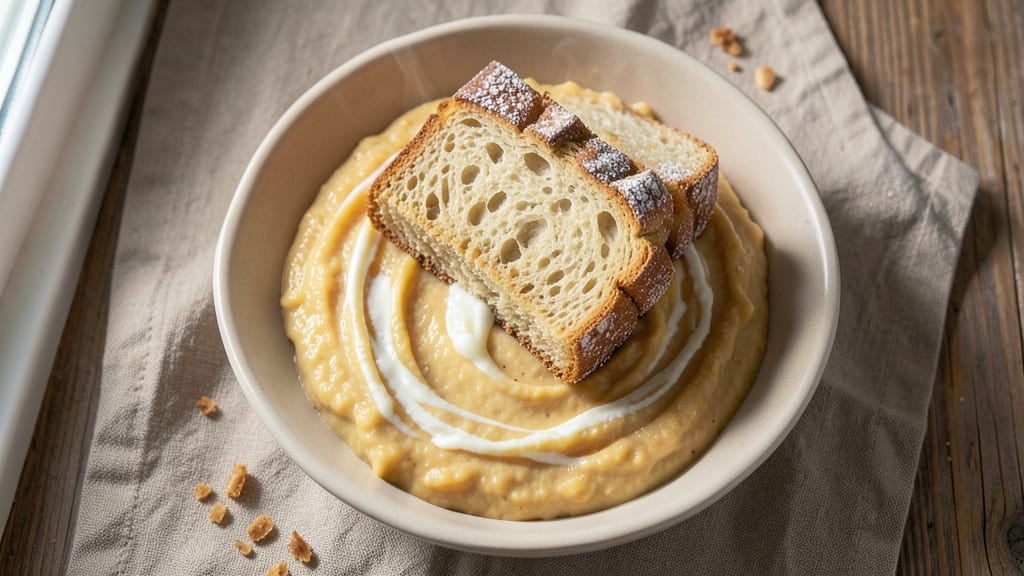
Betty Crocker’s potato bread delivers that perfect golden crust with a tender, fluffy potato-infused heart—just like your grandma used to make. This classic recipe combines mashed potatoes with simple pantry staples to create a side dish that’s both comforting and impressive.
The secret lies in the right balance of moisture and structure, ensuring every slice stays moist without becoming dense.
What sets this recipe apart is its foolproof method, designed for home bakers who want restaurant-quality results without fuss. With just a few basic ingredients—flour, eggs, butter, and of course, potatoes—you’ll achieve a loaf that’s light enough to slice easily yet sturdy enough to hold its shape.
The potatoes add natural sweetness and moisture, while the baking powder ensures that signature fluffy texture.
By the time it emerges from the oven, you’ll have a loaf with a crispy, golden-brown crust that cracks slightly when cut, revealing a tender crumb infused with potato flavor. This bread pairs beautifully with soups, stews, or even as a side to roasted meats.
The best part? It’s ready in under an hour, making it perfect for weeknight dinners or holiday gatherings.
For extra flavor, consider adding garlic powder or shredded cheddar cheese to the dough before baking. The variations are endless, but the core recipe remains simple and reliable—just like Betty Crocker intended. Let’s get started on this homestyle classic!
Ingredients for betty crocker potato bread
Golden crust meets fluffy potato heart with these 11 simple ingredients—just like grandma used to make.
| Ingredient | Amount | Notes |
|---|---|---|
| Instant Mashed Potatoes 🥔 | 2 cups | Prepared with milk, not water |
| All-Purpose Flour 🌾 | 3 cups | Sifted for light texture |
| Granulated Sugar 🍚 | ¼ cup | Light brown sugar for depth |
| Unsalted Butter 🧈 | ½ cup | Cold, cubed for mixing |
| Large Eggs 🥚 | 2 whole | Room temperature for best results |
| Milk 🥛 | ½ cup | Whole milk preferred |
| Baking Powder 🍞 | 2 tsp | Double-acting for fluffiness |
| Salt 🧂 | ½ tsp | Kosher or sea salt |
| Garlic Powder 🧄 | ½ tsp | Optional for extra flavor |
| Shredded Cheddar Cheese 🧀 | ½ cup | Optional for cheesy twist |
| Vegetable Oil 🫒 | ½ cup | For greasing pan |
The mashed potatoes are the star, so Betty Crocker’s instant mix is your best bet—it’s consistent and foolproof. Grab the original flavor, not the low-fat kind. If you’re feeling fancy, make your own mashed potatoes with Yukon Golds for extra creaminess. The flour? King Arthur or Gold Medal work perfectly—they’re sifted and reliable. For the butter, Land O’Lakes or Plugrah are my go-tos, but any unsalted brand will do. The trick is keeping it cold until the last minute—this keeps the dough from getting too soft.
No instant potatoes? Homemade mashed potatoes work too—just make sure they’re fully cooled before mixing. Short on baking powder? Baking soda plus cream of tartar at half the amount is a decent swap, but the texture won’t be quite the same. Want to skip the cheese? Add a pinch of onion powder for extra savory depth. The garlic powder is optional, but trust me—it elevates everything. If you’re using cheese, shred it yourself (the pre-shredded kind has anti-caking agents that make the bread dense). And don’t worry if you don’t have vegetable oil—melted butter works in a pinch.
This bread keeps beautifully for 3-4 days in an airtight container, but it’s best served fresh. For extra crispiness, reheat slices in the oven at 350°F for 5 minutes. Freezes like a dream—wrap the whole loaf in foil and freeze for up to 3 months. Thaw at room temperature, then reheat. Pro tip: Brush the crust with melted butter before serving—game-changer for that restaurant-quality shine.
Why You'll Love This Recipe
- Pantry Magic: I swear by this recipe when I’m staring into an empty fridge at 6pm. Just three ingredients from your cupboard—flour, sugar, and that box of instant potatoes you’ve been meaning to use—and boom, you’ve got bread. No yeast, no waiting, no stress.
- Buttery-Good Edge: The secret’s in the butter—melted into that mashed potato dough until it’s rich but not greasy. That crispy, golden crust? It’s the kind of texture that makes you take a second bite before you even think about putting down your fork.
- Weeknight Wonder: Between us, this is my go-to for sandwiches, French toast, or even toast with jam when I’m too tired to think. It freezes like a dream too, so I can bake a batch and pull out slices whenever I need a quick fix.
- Budget-Friendly Staple: Honestly, I make this more than I should because it’s so cheap to feed a crowd. A box of potatoes, a bag of flour, and a stick of butter stretch farther than you’d think—and the leftovers? They disappear just as fast as the first batch.
Step-by-step instructions for potato bread with golden crust
Here's how to create that perfect golden crust with a light, fluffy potato bread heart every time.
Prepare the Instant Mashed Potatoes
In a microwave-safe bowl, combine the 2 cups instant mashed potatoes with the 0.5 cup milk. Microwave for 1 minute, stir well, then microwave for another 30 seconds. The mixture should be smooth and creamy—if it's still thick, add 1 tablespoon milk at a time until you reach a pudding-like consistency. Let it cool completely before using. This step is crucial because the texture of your potatoes will directly affect the bread's moisture and tenderness.
While the potatoes cool, place the 0.5 cup unsalted butter in a small bowl and cut it into ¼-inch cubes. Let it sit at room temperature for 10 minutes—this makes it easier to mix later without melting. The butter will create pockets of richness in your bread, balancing the potato's earthiness.
Mix the Wet and Dry Ingredients
In a large mixing bowl, combine the cooled mashed potatoes, 0.25 cup granulated sugar, and the 0.5 cup shredded cheddar cheese (if using). Mix until the cheese melts slightly and everything is well incorporated. The cheese adds a subtle sharpness that complements the sweetness of the sugar and the creaminess of the potatoes.
In a separate bowl, whisk together the 3 cups all-purpose flour, 2 teaspoons baking powder, 0.5 teaspoon salt, and 0.5 teaspoon garlic powder (if using). Sift the dry ingredients directly into the wet mixture to avoid clumps. Gently fold in the 0.5 cup vegetable oil using a silicone spatula until just combined. Overmixing here can develop gluten, making the bread dense instead of light and fluffy.
Incorporate the Eggs and Butter
Add the 2 whole large eggs to the bowl and mix on low speed with a hand mixer until the batter is smooth and slightly thickened. The eggs bind everything together, giving the bread structure while keeping it moist. Scrape down the sides of the bowl to ensure even mixing.
Finally, fold in the 0.5 cup cubed unsalted butter using a spatula. The butter should be cold enough to hold its shape but soft enough to blend in. This creates those beautiful, flaky layers in the finished bread. If the dough feels too sticky, add 1 tablespoon flour at a time until it's just manageable—you want it to hold together when shaped but still be soft enough to rise properly.
Shape and Bake for Perfect Results
Preheat your oven to 375°F and grease a 9x5-inch loaf pan lightly with vegetable oil or line it with parchment paper for easy removal. Transfer the dough to the prepared pan and smooth the top with a spatula. For a rustic look, use a knife to make a few shallow slashes across the top—this helps the bread expand evenly and gives it that classic bread texture.
Bake for 45-50 minutes until the top is golden brown and a toothpick inserted into the center comes out clean. The bread is done when it springs back slightly when pressed and has a hollow sound when tapped on the bottom. If the top browns too quickly, tent the pan with foil after 25 minutes to prevent over-browning while the center finishes cooking.
Cool and Serve
Remove the bread from the oven and let it cool in the pan for 10 minutes. This step is often skipped, but it allows the bread to set slightly, making it easier to slice without falling apart. Transfer the bread to a wire rack to cool completely before slicing. The bread will continue to firm up as it cools, so don't be tempted to cut into it too soon—patience ensures clean slices every time.
Once fully cooled, slice the bread into ½-inch thick pieces. The interior should be light and fluffy, with a golden crust that's crisp yet tender. Serve warm with butter or jam for a comforting treat, or store in an airtight container for up to 3 days. This bread freezes beautifully too—slice before freezing for convenient toast or sandwiches later.
Pro Tips For Making Betty Crocker Potato Bread
- Mix Cold Butter: The instant potatoes will fight you if you add warm butter—it turns gummy and your bread gets dense. Cut that butter into tiny cubes and toss it into the dry flour first, then let the mixture sit for 5 minutes before adding liquid. Trust me, your texture will thank you.
- Measure Eggs Right: Crack those eggs into a separate bowl first, then measure them. The shells hide volume, and you’ll end up with a dough that’s either too stiff or too sticky. Two large eggs should be about ½ cup total—don’t eyeball it.
- Don’t Overmix: This isn’t cake batter. Once the flour and potatoes are combined, stir just until no dry spots remain. Overmixing develops gluten, and your bread will turn out tough instead of tender. Two minutes max—set a timer if you’re skeptical.
- Bake Until Golden: The recipe says "light brown," but that’s where people stop too soon. Keep it in 5 minutes past that—until the edges are deep golden and the top springs back when pressed. Underbaked bread tastes wet and heavy, and nobody wants that.
Common mistakes when making this recipe
Overmixing the Dough
This is the #1 mistake I see beginners make—overmixing the batter after adding the eggs. Once you incorporate the 2 eggs, mix just until combined (20-30 seconds max). Overmixing develops gluten, which turns your light, fluffy potato bread into dense, tough bread.
I’ve ruined many loaves by letting the mixer run too long—trust me, the dough will look "done" before it actually is. 🥔
Skipping the Cooling Step
After preparing the instant potatoes, it’s tempting to rush and use them warm. But hot potatoes release steam during baking, creating a gummy, uneven texture. Always let the potato mixture cool completely to room temperature before mixing with dry ingredients.
Pro tip: Spread it on a baking sheet to cool faster if you’re impatient. 🌡️
Incorrect Butter Temperature
The butter must be cold but pliable when folded in—never melted. If it’s too warm, it’ll create greasy pockets in the bread instead of flaky layers. I keep mine in the fridge until just before mixing, then let it sit at room temp for 10 minutes.
Test by pressing a cube: it should dent slightly but hold its shape. 🧈
Underbaking or Overbaking
Potato bread is done when it reaches 190-200°F internal temperature and springs back when pressed. Underbaking leaves it gummy, while overbaking dries it out. I use a toothpick test: it should come out clean but leave a few moist crumbs.
If the top browns too fast, tent with foil after 25 minutes—this prevents a burnt crust while the center finishes. ⏰
Greasing the Pan Improperly
A lightly greased pan prevents sticking, but too much oil makes the bread dense. Use ½ teaspoon vegetable oil or a thin layer of butter—just enough to coat the pan, not pool.
For extra insurance, line the pan with parchment paper cut to size. I’ve had breads tear apart when pulled from a pan that wasn’t properly prepped. 🛠️
Ignoring the Resting Time
Letting the baked bread rest in the pan for 10 minutes after baking seems counterintuitive, but it’s crucial. This short rest allows the structure to set, preventing crumbly slices.
Skipping it means your bread will fall apart when you try to cut it. Trust the process—patience here makes all the difference! 💪
Nutrition facts
Frequently asked questions
Why does this potato bread turn out dense instead of fluffy?
The most common cause is overmixing after adding eggs or using warm mashed potatoes. Mix just until combined (20-30 seconds max) and always let the potato mixture cool completely before combining with dry ingredients. Cold butter that's too soft can also create dense pockets—keep it cold until the last minute.
Can I make this recipe without instant mashed potatoes?
Yes! Use 2 cups homemade mashed potatoes (Yukon Golds work best) that are fully cooled before mixing. For best results, mash them until completely smooth with no lumps. The texture should be thick but spreadable, similar to pudding.
How do I get that perfect golden crust like in the recipe?
Bake at 375°F until the top is golden brown (45-50 minutes). For extra shine, brush the crust with melted butter right after baking. If it browns too quickly, tent with foil after 25 minutes. A lightly greased pan also helps create that classic crust.
Can I add other flavors to this potato bread?
Try adding 1 tsp dried rosemary or ½ tsp smoked paprika for depth. For a cheesy version, increase the cheddar to 1 cup. Swap the sugar for maple syrup (reduce by 1 tbsp) for a subtle sweetness. Just don't exceed 3 cups flour—too many mix-ins can make the dough too wet.
How long does this bread stay fresh, and can I freeze it?
Store in an airtight container for 3-4 days at room temperature. For longer storage, slice the cooled bread and freeze between parchment paper for up to 3 months. Thaw at room temperature before reheating. To refresh stale slices, wrap in foil and warm in a 350°F oven for 5 minutes.