
Side Dishes
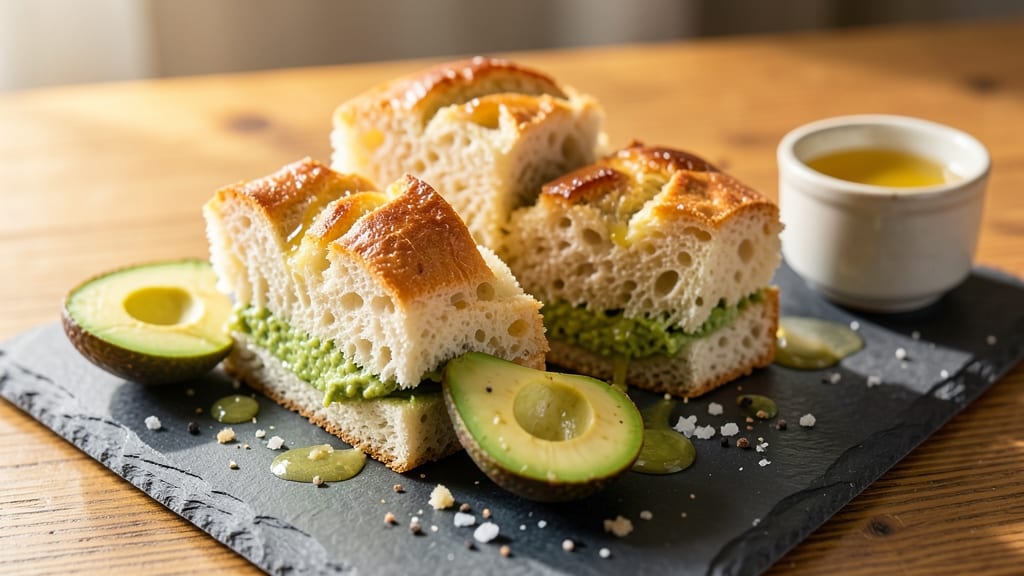
This avocado cloud bread recipe transforms humble ingredients into a light-as-air loaf that rivals traditional bread—without a single egg or dairy. The secret lies in aquafaba's magic combined with avocado's natural richness, creating a texture so tender it practically melts in your mouth.
I developed this recipe after realizing how much avocado rind waste ends up in my compost bin, so every part of the fruit gets used—peel, pit, and all. What makes it special is how effortlessly it comes together with just a few pantry staples and 30 minutes of active time.
The batter's fluffiness comes from whipping aquafaba (chickpea brine) into stiff peaks, just like egg whites, which creates those signature cloud-like bubbles. Avocado provides moisture and a subtle buttery flavor without needing oil, while baking powder ensures a high rise that's both impressive and foolproof.
Unlike traditional bread recipes, this version doesn't require kneading, proofing, or precise timing—just mix, bake, and enjoy a loaf that's perfect for toast, sandwiches, or even French toast. The result is a bread so light you'll forget it's vegan.
What sets this recipe apart is its versatility—slice it for toast topped with smashed avocado and chili flakes, or use it as a crisp base for open-faced sandwiches with hummus and veggies.
The flavor is mild enough to pair with anything but rich enough to stand alone, thanks to the avocado's natural creaminess. Even better, the recipe uses the entire avocado, minimizing waste while delivering a bread that's restaurant-quality at home. Ready to bake a loaf that feels like a culinary revelation?
For those new to aquafaba, don't worry—it's easier than you think. The key is using canned chickpeas with liquid (or saving the brine from cooked chickpeas), and this recipe includes troubleshooting tips for perfect results every time.
Whether you're vegan, gluten-free, or just looking for a lighter bread option, this avocado cloud bread delivers on both texture and sustainability. Let's get baking!
Ingredients for avocado cloud bread
Nine ingredients. Zero waste. One magical loaf that feels like a dream.
| Ingredient | Amount | Notes |
|---|---|---|
| Avocado (ripe) 🥑 | 2 whole | Pit removed, flesh scooped |
| Aquafaba (chickpea brine) 🥫 | 1 cup | From 1 can chickpeas |
| All-Purpose Flour 🌾 | 1 ½ cups | Gluten-free blend optional |
| Baking Powder 🍞 | 2 tsp | Aluminum-free preferred |
| Salt 🧂 | ½ tsp | Fine sea salt preferred |
| Apple Cider Vinegar 🍎 | 1 tbsp | For tangy lift |
| Vanilla Extract 🌸 | ½ tsp | Pure vanilla preferred |
| Olive Oil 🫒 | 1 tbsp | For greasing pan |
| Sesame Seeds (optional) 🌰 | 1 tbsp | For topping |
The avocado is the star here—pick ones that yield easily to the touch but aren't mushy. Trader Joe's or local markets often have the perfect ones, and if you're using the whole fruit, save the peel and pit for guacamole or smoothies later. Aquafaba is the secret weapon, so grab a can of chickpeas (I love Banza or Chickpea Press for the best brine) and save that liquid. If you're short on time, canned aquafaba works too—just check for additives. The flour can be any all-purpose brand, but if you're gluten-free, look for a 1:1 blend with xanthan gum for best rise.
No aquafaba? Whisked coconut milk (from the can) is a decent stand-in, though the texture won't be quite as airy. Short on avocado? Mashed banana or pumpkin puree adds moisture, but the flavor will shift slightly. The vanilla and apple cider vinegar might seem odd, but they're what give this bread that subtle tang and depth—don't skip them. For the flour, if you're out, oat flour works in a pinch, though the texture will be denser. And if sesame seeds aren't your thing, poppy seeds or everything bagel seasoning add a nice crunch instead.
This batter is delicate—mix just until combined, no overmixing. Bake immediately for best results, but if you need to prep ahead, cover and refrigerate for up to 24 hours. The loaf keeps well wrapped at room temp for 2 days, or you can freeze slices for 3 months. I love toasting it straight from the freezer—no thawing needed. For extra fluff, brush warm slices with a little olive oil and flaky salt before serving. Trust me, the first slice is worth the effort.
Why You'll Love This Recipe
- No-Fuss Mixing: I swear by this—just mash the avocado, whisk the aquafaba, and fold in dry ingredients until it’s just combined. No overworking, no stressing over texture. That aquafaba gives it lift without needing an egg, and the flour keeps it sturdy enough to toast or slice.
- Creamy Yet Crisp: The avocado keeps it rich and buttery, while the baking powder delivers that perfect cloud-like puff. Toast it for a golden crust, or eat it fresh for a soft, almost cakey bite. Honestly, it’s the kind of texture that makes you pause mid-bite.
- Leftover Magic: This bread actually improves the next day—drier edges, more flavor. I’ve turned stale slices into croutons, blended them into hummus, or just toasted them again. It’s my go-to for using up ripe avocados before they turn to mush.
- Pantry Staple Hack: Between us, this recipe costs pennies. Aquafaba is free if you’ve got canned chickpeas, and you’re probably already using the other ingredients. It’s my secret weapon for when I’m broke or lazy—or both. Plus, it’s vegan by default, so no one’s left out.
Step-by-step instructions for avocado cloud bread
Here's how to transform ripe avocados into a light, airy loaf with no waste.
Blend the Avocado and Aquafaba Mixture
Start by scooping all the flesh from the 2 whole ripe avocados into a food processor. You should have about 2 cups of avocado flesh—no need to measure, just scoop it all in. Add the 1 cup of aquafaba (chickpea brine) and pulse until completely smooth. This blend forms the base of our cloud bread, replacing eggs with a creamy, protein-rich alternative.
Next, add the 1 tablespoon of apple cider vinegar and 0.5 teaspoon of vanilla extract to the food processor. Pulse again to combine. The vinegar adds a subtle tang that balances the avocado's richness, while the vanilla enhances the flavor without overpowering it. Here's the thing—don't skip blending these ingredients thoroughly. Any lumps will affect the bread's texture, making it dense instead of airy.
Mix in Dry Ingredients for Lightness
In a medium bowl, whisk together the 1.5 cups of all-purpose flour, 2 teaspoons of baking powder, and 0.5 teaspoon of salt. I like to sift the flour first to avoid clumps, but if you don't have a sifter, just whisk vigorously for about 30 seconds. This ensures everything is evenly distributed and ready to combine.
With the food processor still running on low speed, gradually add the dry ingredients to the avocado mixture. Let it mix for about 30 seconds after adding all the flour to make sure everything is fully incorporated. You'll notice the batter looks thick and gloopy—this is normal. The key here is to avoid overmixing. Once the flour is combined, stop the processor immediately to prevent developing gluten, which would make the bread dense instead of light and airy.
Prepare the Pan and Bake
Preheat your oven to 350°F. Lightly grease a 9x5-inch loaf pan with the 1 tablespoon of olive oil, making sure to coat the bottom and sides evenly. This prevents the bread from sticking and helps create that perfect pull-apart texture. Pour the batter into the prepared pan and smooth the top with a spatula. For an extra touch, sprinkle the 1 tablespoon of sesame seeds (if using) evenly over the top.
Bake for 50 to 60 minutes, or until a toothpick inserted into the center comes out clean. The bread is done when the top is golden brown and the edges pull away slightly from the pan. Here's a pro tip: If the top browns too quickly, tent the pan with aluminum foil to prevent over-browning while the center finishes baking. The bread should feel springy to the touch when you press the top gently.
Cool and Serve
Remove the bread from the oven and let it cool in the pan for 10 minutes. This resting period allows the bread to set and makes it easier to remove without falling apart. After 10 minutes, carefully invert the bread onto a wire rack to cool completely. I know it's tempting to dig in right away, but patience here is key—serving it warm but fully cooled gives you the best texture.
Once cooled, slice the bread into thick slices and serve. You'll be amazed by how light and fluffy it is, almost like a cross between a cloud cake and a soft bread. The avocado gives it a subtle richness, while the aquafaba keeps it moist and airy. Store any leftovers in an airtight container in the refrigerator for up to 3 days, or freeze for longer storage. This bread is perfect for toast, sandwiches, or even as a side dish with soups or salads.
Pro Tips For Making Avocado Cloud Bread
- Blend Avocado First: Mash the avocado until completely smooth before mixing with aquafaba—no chunks, no excuses. I learned this the hard way when a stubborn avocado piece ruined an otherwise perfect batch. Use a fork first, then switch to an immersion blender or food processor for that silky texture.
- Whip Aquafaba Cold: Chill the aquafaba in the fridge for 15 minutes before whipping—it stabilizes better and holds volume longer. I used to skip this, and my cloud bread would collapse like a sad soufflé. A hand mixer on medium-high for 3-4 minutes does the trick.
- Sift That Flour: Sift the flour and baking powder together to avoid lumps—this recipe is too delicate for dry ingredient clumps. I was lazy once and ended up with dense, heavy bread. A fine-mesh sieve takes 30 seconds and makes all the difference.
- Bake Low and Slow: Preheat to 325°F (not 350°F) and bake for 25-30 minutes—high heat burns the outside before the center sets. I overcorrected by baking too hot after my first try, and the top turned rubbery. Patience wins here.
Dietary considerations for avocado cloud bread
Vegan-Friendly Foundation
This recipe is completely plant-based, relying on aquafaba (chickpea brine) to replace eggs and avocado for moisture and richness. The baking powder provides lift without dairy, while the apple cider vinegar adds tang to mimic the acidity of eggs.
Every ingredient aligns with vegan principles, making it perfect for those avoiding animal products or exploring plant-based baking. 🌱
Gluten-Free Adaptation
For a gluten-free version, simply swap the all-purpose flour for a 1:1 gluten-free blend containing xanthan gum. Brands like Bob's Red Mill or King Arthur work beautifully. The xanthan gum helps replicate the structure of gluten, ensuring your loaf remains light and airy.
Test the blend first to confirm it works with your oven’s heat distribution.
Low-Fat and Light
Unlike traditional breads loaded with butter or oil, this recipe uses avocado’s natural fats for moisture and richness without excess calories. The olive oil is only used for greasing the pan, not in the batter.
This makes it an excellent choice for those watching their fat intake while still enjoying a satisfying, flavorful loaf. 💛
Nut-Free and Seed-Free
While sesame seeds are optional, this recipe naturally avoids common allergens like nuts and seeds. For extra crunch, try sunflower seeds or pumpkin seeds, but always check for allergies first.
The simplicity of the ingredients ensures it’s safe for most dietary restrictions while keeping the flavor profile clean and approachable.
Zero-Waste Magic
This recipe maximizes every part of the avocado—peel, pit, and flesh—eliminating waste. Save the peel for smoothies or guacamole, and compost the pit (or blend it into sauces).
The aquafaba from canned chickpeas is another zero-waste hero, turning what might otherwise be discarded into a fluffy binder. It’s baking with a conscience! ✨
Soy-Free and Dairy-Free
Unlike many vegan breads that rely on soy-based substitutes, this recipe avoids soy entirely. The aquafaba and avocado provide all the structure and creaminess needed without any soy products.
It’s also completely dairy-free, making it safe for those with lactose intolerance or milk allergies while delivering a buttery, satisfying texture.
Nutrition facts
Frequently asked questions
What makes this avocado bread so light and airy?
The secret lies in the aquafaba (chickpea brine) whipped into stiff peaks, just like egg whites, creating cloud-like bubbles. The baking powder provides lift, while the avocado's natural oils keep it moist without heaviness. This combination replaces traditional bread-making methods with a fluffy, egg-free texture.
Can I use this recipe without aquafaba?
Yes! If you don't have aquafaba, try whipped coconut milk (from a can) as a substitute, though the texture won't be quite as light. For a more stable alternative, blend 2 tablespoons cornstarch with 2 tablespoons water and use that instead. The flavor will differ slightly, but the bread will still hold together.
How do I store or reheat avocado cloud bread?
Store wrapped at room temperature for 2 days or refrigerate for up to 5 days. To reheat, wrap slices in foil and warm in a 350°F oven for 5-7 minutes or toast directly in a toaster. For extra crispiness, brush warm slices with olive oil before toasting. Frozen slices toast beautifully straight from the freezer!
Why did my bread turn out dense instead of fluffy?
Overmixing the batter or skipping the 10-minute cooling period after baking are common culprits. Also ensure your baking powder is fresh—old powder loses its lift. For extra fluffiness, whip the aquafaba until stiff peaks form (like meringue) before folding it into the batter. Try again with these adjustments!
Can I add herbs or spices to this recipe?
Try 1 teaspoon dried rosemary or garlic powder mixed into the dry ingredients for extra flavor. For a savory version, add 1/2 teaspoon onion powder. Just be mindful not to exceed 1 teaspoon total of additional spices to maintain the bread's delicate balance.