
Side Dishes
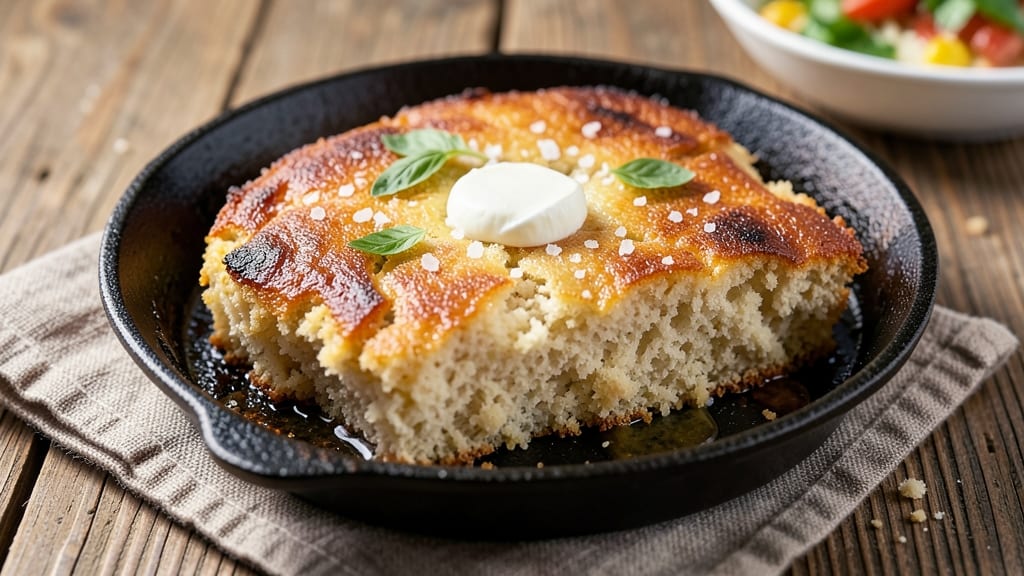
Aunt Jemima white cornmeal cornbread delivers that perfect balance of golden crust and tender crumb—just like your grandma used to make. This classic Southern recipe captures the essence of comfort food with its rich buttery flavor and moist texture. The secret lies in mixing the cornmeal with flour for structure while keeping the crumb light and inviting.
Traditionally baked in a cast-iron skillet, this cornbread develops a crispy exterior while staying soft inside. The recipe calls for basic pantry staples—cornmeal, flour, baking powder, and a touch of sugar—but it's the butter and buttermilk that truly elevate it.
A little honey or jalapeños can add depth if you want to experiment.
Once baked, the aroma fills your kitchen, and the first bite reveals a buttery, slightly sweet crumb that melts in your mouth. This cornbread pairs perfectly with chili, BBQ, or even just a pat of butter. The texture is foolproof when you follow the right mixing and baking techniques.
Ready in just 30 minutes, this recipe is perfect for weeknight dinners or holiday gatherings. The cast-iron pan ensures even baking, while the golden crust and tender crumb make it a crowd-pleaser every time. Let's get started!
Ingredients for aunt jemima white cornmeal cornbread
Pantry staples plus a few Southern secrets for that classic cornbread magic.
| Ingredient | Amount | Notes |
|---|---|---|
| White Cornmeal 🌽 | 1 ½ cups | Aunt Jemima brand preferred |
| All-Purpose Flour 🌾 | ½ cup | For structure and lightness |
| Granulated Sugar 🍚 | ¼ cup | Light brown sugar optional |
| Baking Powder 🧂 | 2 tsp | Diamond Crystal preferred |
| Salt 🧂 | ½ tsp | Kosher or sea salt |
| Unsalted Butter 🧈 | ½ cup | Cold, cubed for texture |
| Buttermilk 🥛 | 1 cup | Full-fat for richness |
| Large Eggs 🥚 | 1 whole | Room temperature preferred |
| Pure Vanilla Extract 🌸 | 1 tsp | Imitation-free preferred |
The white cornmeal is non-negotiable here—Aunt Jemima delivers that authentic texture, but any good brand works. I grab mine from the Southern aisle at Walmart or Kroger, where it's usually stocked with the baking supplies. The flour is key too—King Arthur or Gold Medal both give that perfect lightness. For the butter, don't melt it! Cold cubes create those tiny pockets of flavor that make this cornbread sing. And buttermilk? Full-fat makes all the difference—skip the low-fat version, trust me on this.
No buttermilk? Mix 1 tbsp vinegar or lemon juice with 1 cup milk, let it sit for 5 minutes. Short on cornmeal? Swap in 1/4 cup more flour, but the texture won't be quite the same. The baking powder is critical—Diamond Crystal rises better than aluminum-free brands. For extra depth, add 1/4 tsp cinnamon or a pinch of jalapeño powder if you're feeling adventurous. The vanilla extract should be pure—no imitation nonsense here. And if you're watching sugar, reduce by 1 tbsp and add 1 tbsp more cornmeal for structure.
This batter thickens fast, so mix everything just until combined—overmixing makes for a dense loaf. Bake in a cast-iron skillet for that signature crust, but a 9-inch round pan works too. Keeps 3 days at room temperature wrapped in foil, or 1 week refrigerated. For longer storage, freeze the baked loaf for up to 3 months. Reheat slices in a toaster or oven—microwaving makes it gummy. And if you've got leftovers? Toast with butter for breakfast or serve with chili for dinner—it's that versatile.
Why You'll Love This Recipe
- No-Fuss Mixing: I swear by this recipe because it’s just four ingredients plus water—no eggs, no butter, no fussing. You measure, stir, pour, and bake. That’s it. Even my college apartment days couldn’t break this.
- Sweet-Savory Magic: The sugar in the batter gives it a subtle caramel note that pairs perfectly with the cornmeal’s earthy crunch. It’s not cloyingly sweet, but just enough to make every bite feel like a little treat—especially when you tear off a piece still warm from the skillet.
- Weeknight Workhorse: This cornbread is my go-to for lazy dinners or when I’m feeding a crowd. Serve it with chili, slather it in honey butter, or just eat it plain—it disappears fast. Honestly, I’ve made it for breakfast, lunch, and dinner without ever getting tired of it.
- Pantry Staple Power: You’re already using what’s in your cabinet: cornmeal, flour, sugar, and baking powder. No specialty trips, no wasted leftovers (it reheats like a dream). And because it’s so cheap to make, I can afford to bake two loaves—one for today, one for tomorrow’s sandwiches.
Step-by-step instructions for Aunt Jemima white cornmeal cornbread
Here's how to bake Southern-style cornbread with a golden crust and tender crumb every time.
Preheat and Prepare the Pan
Preheat your oven to 425°F. This high heat ensures that beautiful golden crust we're after. While it preheats, generously butter an 8-inch cast-iron skillet or baking dish—this creates a nonstick surface and adds flavor to the cornbread. I like to use a paper towel to rub the butter all the way up the sides of the pan so the crust gets crispy on all edges.
Here's a pro tip: If you don't have cast iron, use an oven-safe skillet that conducts heat well. The key is getting that crust to brown quickly while keeping the center moist. Place your prepared pan on the middle rack where the heat is most even.
Mix Dry Ingredients Thoroughly
In a large bowl, whisk together the 1.5 cups white cornmeal, 0.5 cup all-purpose flour, 0.25 cup granulated sugar, 2 teaspoons baking powder, and 0.5 teaspoon salt. I use a whisk for this step to ensure there are no lumps in the cornmeal—those can lead to dense spots in your cornbread. Sift the dry ingredients if you have a sifter, but whisking works just fine.
This is where the magic happens: the cornmeal gives that classic cornbread texture, while the flour provides structure. The sugar adds just enough sweetness to balance the savory notes, and the baking powder ensures a light, airy crumb. Don't skip measuring the baking powder accurately—too much can make the cornbread taste bitter, and too little will leave it dense.
Cut in the Cold Butter
Add the 0.5 cup cold, cubed unsalted butter to the dry ingredients. Using a pastry cutter or two forks, work the butter into the dry mixture until you have pea-sized crumbs with some larger butter pieces remaining. This cold butter creates pockets of flavor and moisture that melt during baking, giving you that tender crumb.
Don't overwork the mixture—just until the butter is mostly incorporated. If you see larger butter pieces, that's perfect. The butter should coat the cornmeal but not turn into a paste. This step is crucial for that buttery, crumbly texture that makes this cornbread so special. If your butter is too soft, chill it for 15 minutes before proceeding.
Combine Wet Ingredients
In a separate bowl, whisk together the 1 cup buttermilk, 1 whole large egg, and 1 teaspoon pure vanilla extract. The buttermilk adds moisture and a slight tang that balances the sweetness. I like to let the buttermilk and egg sit at room temperature for about 5 minutes before mixing—they blend more smoothly when they're not cold.
Here's where it gets fun: slowly pour the wet ingredients into the dry mixture while stirring gently with a spatula. Mix just until combined—you should still see some dry spots. Overmixing develops gluten in the flour, which can make the cornbread tough. The batter should be thick and slightly lumpy, similar to pancake batter. If it looks too thick, you can add 1 tablespoon of milk or buttermilk to loosen it slightly.
Bake to Golden Perfection
Quickly pour the batter into your prepared pan and smooth the top with a spatula. Tap the pan gently on the counter a few times to release any air bubbles—this helps prevent cracks in the crust. Bake at 425°F for 20-25 minutes until the edges are golden brown and a toothpick inserted in the center comes out clean.
Here's the thing about cornbread timing—every oven is different. I start checking at the 20-minute mark. The cornbread is done when the top is golden brown and the edges pull away slightly from the pan. If the top browns too quickly, tent the pan with aluminum foil to prevent over-browning while the center finishes baking. Let it cool in the pan for 5 minutes before serving—this makes it easier to remove and prevents a crumbly texture.
Pro Tips For Making Aunt Jemima White Cornmeal Cornbread
- MEASURE CORNMEAL BY VOLUME: The box says "1 cup," but scooping straight from the bag packs it too tightly—cornmeal compresses like crazy. Fluff it with a fork first, then scoop and level. I learned this the hard way when my first batch turned out dense as a brick.
- USE HOT LIQUIDS: Cold milk or buttermilk in this recipe makes for a sad, gummy crumb. Heat your liquid (milk, water, or buttermilk) to about 110°F—just warm to the touch—before mixing. The batter will come together smoother and bake up lighter.
- STOP WHEN CENTER’S SPRINGY: That golden-brown crust is tempting, but pull the cornbread when the center still has a slight give—press it gently, and it should bounce back like a trampoline. Overbaking dries out the cornmeal’s natural sweetness, and nobody wants a crumbly mess.
- ADD AN EXTRA EGG YOLK: The classic recipe might call for just one egg, but an extra yolk (or even two) makes the crumb richer and the texture more tender. It’s not cheating—it’s insurance against a dry, mealy result, especially if you’re using a high-altitude oven. Trust me, your taste buds will notice.
Flavor customization for aunt jemima white cornmeal cornbread
Sweet Variations
For a dessert-style cornbread, swap ½ cup of the cornmeal for finely chopped pecans or chocolate chips. Add ¼ cup honey or maple syrup to the wet ingredients for caramelized depth.
I love topping with a streusel of brown sugar and cinnamon before baking—it adds a buttery crunch that pairs perfectly with vanilla ice cream. 🍯
Spicy Kick
Transform this into a jalapeño cornbread by mixing 2-3 chopped fresh jalapeños (seeds removed for mild heat) into the batter. For extra spice, add ½ teaspoon smoked paprika and ¼ teaspoon cayenne to the dry ingredients.
The heat cuts through the richness beautifully, especially when served with chili or BBQ. Trust me, your taste buds will thank you.
Cheesy Twist
Add 1 cup shredded sharp cheddar or Monterey Jack to the batter for a cheesy cornbread that’s perfect for brunch or as a side. I recommend folding in the cheese after mixing the wet and dry ingredients to keep it from sinking.
For a baked brie version, layer the batter with cubed brie and bake until the cheese melts into gooey perfection. 🧀
Herb & Garlic
Infuse the batter with fresh herbs by adding 2 tablespoons chopped chives or parsley along with 2 minced garlic cloves. A pinch of dried thyme or rosemary adds an earthy note that pairs wonderfully with roasted meats or soups.
This variation feels fancy but takes just 5 extra minutes of prep.
Nutty Crunch
For texture, fold in ½ cup toasted walnuts or pecans before baking. Toast the nuts in a dry skillet over medium heat for 3-4 minutes until fragrant, then chop coarsely.
The nuttiness contrasts the buttery crumb, making every bite more interesting. I also like adding 1 teaspoon lemon zest to brighten the flavor profile. 🌰
Gluten-Free Adaptation
Swap the all-purpose flour for ½ cup gluten-free 1:1 baking flour (like Bob’s Red Mill) and add ¼ cup cornstarch to the dry ingredients. The texture stays moist but slightly denser.
For extra lift, use 1 teaspoon gluten-free baking powder. This version works well for those with gluten sensitivities but still delivers that classic cornbread taste.
Nutrition facts
Frequently asked questions
Can I substitute buttermilk in this recipe?
If you don’t have buttermilk, mix 1 tablespoon vinegar or lemon juice with 1 cup milk and let it sit for 5 minutes to curdle. This works perfectly for the same tangy moisture. For a richer version, use 1 cup plain yogurt instead—just reduce the egg to ½ to balance the liquid.
Why did my cornbread turn out dense? Dense cornbread usually happens from overmixing the batter or not using enough leavening.
Can I make this cornbread ahead of time?
Yes! Bake it up to 2 days ahead and store at room temperature wrapped in foil. For longer storage, freeze the baked loaf for up to 3 months. To reheat, warm slices in a toaster or oven at 300°F for 5-10 minutes—microwaving makes it gummy. The flavor actually improves after a day or two!
What’s the best way to serve this cornbread?
This classic cornbread pairs perfectly with chili, BBQ, or honey butter. For a Southern brunch, serve warm with scrambled eggs and crispy bacon. You can also cut it into squares and toast with extra butter for a quick snack. The golden crust holds up well to dipping too!
Can I use yellow cornmeal instead of white?
While you can substitute yellow cornmeal, it’ll change the texture slightly—white cornmeal gives that classic fine, crumbly consistency. If you must use yellow, reduce it by ¼ cup and add ¼ cup extra flour to maintain structure. The flavor will be nuttier, which works well for savory dishes but may be too strong for sweet variations.