Side Dishes
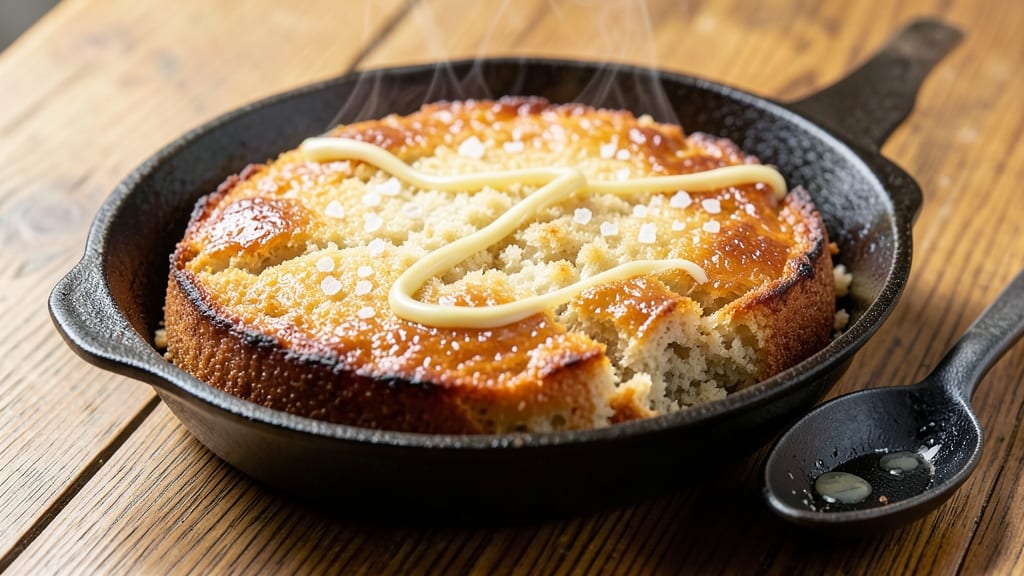
Aunt Jemima white cornbread recipe delivers that nostalgic Southern charm with a golden crust and tender, buttery-sweet crumb—just like Grandma used to make. The secret lies in the perfect balance of cornmeal and flour, leavened with baking powder for a light yet sturdy texture. I’ve perfected this version over years of baking, ensuring every bite captures that classic comfort-food magic without requiring advanced skills.
This recipe brings back memories of Sunday dinners, where the cornbread would come out of the oven with that signature crackly top and a crumb so moist it practically melts in your mouth.
The key is baking it in a preheated cast-iron skillet—no fancy equipment needed—just a little patience and the right technique. With just 15 minutes of prep and 25 minutes in the oven, you’ll have a batch ready to serve alongside chili, honey butter, or even as a breakfast treat.
What makes this recipe special is its versatility. While the classic version stays true to tradition, you can easily customize it with add-ins like honey for extra sweetness, jalapeños for a kick, or fresh herbs for brightness.
The golden crust gives way to a tender, buttery interior that’s impossible to resist. Serve it warm, cut into squares, and watch it disappear faster than you can say “second helping.”
Perfect for family gatherings, holiday meals, or a cozy weeknight dinner, this cornbread is a crowd-pleaser that brings warmth and nostalgia to any table. Let’s get baking—your kitchen will smell like home in no time.
Ingredients for aunt jemima white cornbread
Classic Southern pantry staples transform into nostalgic cornbread with a golden crust and buttery-sweet crumb.
| Ingredient | Amount | Notes |
|---|---|---|
| All-Purpose Flour 🌾 | 1 ½ cups | Sifted for light texture |
| White Cornmeal 🌽 | 1 cup | Fine grind preferred |
| Granulated Sugar 🍚 | ¼ cup | Light brown sugar for depth |
| Baking Powder 🧂 | 2 tsp | Double-acting preferred |
| Salt 🧂 | ½ tsp | Diamond Crystal kosher |
| Unsalted Butter 🧈 | ½ cup | Cold, cubed for flakiness |
| Milk 🥛 | 1 cup | Whole milk for richness |
| Large Egg 🥚 | 1 whole | Room temperature |
| Vanilla Extract 🌸 | 1 tsp | Pure vanilla preferred |
| Honey 🍯 | 2 tbsp | Optional for extra sweetness |
The cornmeal is non-negotiable for that signature texture—Bob's Red Mill fine grind is my go-to, but any white cornmeal works. Flour matters too: King Arthur all-purpose gives the best rise, but Gold Medal from the grocery store is fine. Baking powder needs to be fresh: if it smells like vinegar, toss it. For the butter, Land O'Lakes unsalted is reliable, but any brand works if it's cold when you cube it. The milk should be whole—2% or skim makes the crumb tougher. Eggs? Room temperature mixes better, so take them out 10 minutes before mixing.
No vanilla extract? Vanilla sugar works at double the amount. Short on honey? Maple syrup at the same quantity adds depth. Running low on cornmeal? Polenta is a 1:1 swap, though it's slightly coarser. The baking powder is the secret to that light texture—don't skip it. For a savory twist, swap the honey for 2 tbsp melted butter plus 1 tsp apple cider vinegar. And if you're feeling fancy, add 1/4 cup shredded cheddar to the batter for a cheesy cornbread variation.
This batter keeps for 24 hours in the fridge—perfect for making ahead. The cast-iron skillet is ideal, but a 9-inch round cake pan works too. Wrapped in foil, leftovers stay fresh for 3 days. Freeze portions for up to 3 months—just thaw at room temperature before reheating. For best results, serve warm straight from the oven. That golden crust? Worth the extra minute under the broiler if yours isn't crackly enough.
Why You'll Love This Recipe
- No Mixer Needed: I swear by this recipe because it’s just flour, cornmeal, sugar, and a splash of milk—no fancy gadgets. Stir it all together in a bowl, pop it in a hot cast-iron skillet, and let the oven do the rest. Honestly, I’ve made it while scrolling through my phone.
- Sweet-Savory Magic: That little pinch of sugar in the batter? It’s the secret. The white cornmeal gives it a tender crumb, while the baking powder lifts it just enough to feel light—not dense. Between us, it’s the kind of cornbread that makes you want to eat it straight from the pan, butter dripping and all.
- Weeknight Hero: This is my go-to when I need something fast but still impressive. Serve it alongside fried chicken for Sunday dinner, or tear it up into breakfast tacos. It even reheats beautifully—just a quick zap in the microwave when you’re running late.
- Pantry Staple: I keep a box of Aunt Jemima cornmeal on hand because this recipe costs next to nothing and stretches far. A single batch feeds four, and leftovers toast up like a perfect breakfast side. Plus, it’s one of those rare dishes where the simpler the ingredients, the better it tastes.
Step-by-step instructions for Aunt Jemima white cornbread
Here's how to achieve that iconic golden crust and buttery-sweet interior every time.
Preheat and Prepare the Pan
Preheat your oven to 425°F—this high heat creates that signature crispy crust. Generously butter a 9-inch cast-iron skillet or baking dish, making sure to coat the bottom and sides thoroughly. The butter should form a thin, even layer—this prevents sticking and adds to the cornbread's rich flavor. Place the prepared pan in the oven while it preheats to get it nice and hot.
I like to use a pastry brush to spread the butter evenly, especially in the corners where batter might pool. If you're using a nonstick pan, you can skip the buttered sides, but I still recommend buttered bottoms for maximum crispiness. The hot pan will help create that golden crust right from the start.
Mix the Dry and Wet Ingredients Separately
In a medium bowl, whisk together the 1.5 cups all-purpose flour, 1 cup white cornmeal, 0.25 cup granulated sugar, 2 teaspoons baking powder, and 0.5 teaspoon salt. Sift the flour and cornmeal first to eliminate any lumps, then add the sugar and dry leavening agents. This ensures an even distribution and prevents dense pockets in your cornbread.
In a separate bowl, combine the 1 cup milk, 1 whole large egg, 1 teaspoon vanilla extract, and 2 tablespoons honey. Whisk vigorously until the mixture is completely smooth and fully incorporated. The honey adds that signature sweetness while keeping the texture moist—don't skip this step, as it makes all the difference in the final product.
Combine Wet and Dry Ingredients Gently
With the dry ingredients in one bowl and wet ingredients in another, create a well in the center of the dry mixture. Slowly pour in the wet ingredients while gently stirring with a wooden spoon. Mix just until combined—you should still see small flecks of flour throughout the batter. Overmixing develops gluten and can make the cornbread tough instead of tender.
Add the 0.5 cup cold cubed butter to the batter and fold it in using a spatula. The cold butter creates those beautiful flaky layers in the finished cornbread. Be careful not to melt the butter during mixing—keep everything cold until it goes into the oven. The batter should be thick and slightly lumpy, similar to pancake batter.
Bake Until Golden and Springy
Quickly pour the batter into the preheated, buttered pan. Use a spatula to spread it evenly—don't worry about getting it perfectly smooth. Immediately place the pan in the oven and bake for 20-25 minutes, or until the edges are golden brown and the top springs back when gently pressed with your finger.
Here's the thing—don't open the oven door during baking. The sudden temperature drop can cause the cornbread to sink or develop a pale top. You'll know it's done when the edges are deeply golden and the center feels firm to the touch. The internal temperature should read 200°F at its center.
Rest and Serve Warm
Remove the cornbread from the oven and let it cool in the pan for 5 minutes. This resting period allows the internal structure to set slightly, preventing it from falling apart when you cut into it. After resting, run a knife around the edges to loosen it from the pan, then invert onto a serving platter.
Serve the cornbread warm—it's best enjoyed fresh out of the oven. The contrast between the crispy golden crust and the tender, buttery interior makes every bite worth it. For extra indulgence, drizzle with a bit of honey or serve alongside your favorite butter. This cornbread pairs perfectly with soups, stews, or even as a standalone dessert with a dollop of whipped cream.
Pro Tips For Making Aunt Jemima White Cornbread
- MEASURE CORNMEAL BY VOLUME: I learned this the hard way—packing white cornmeal into measuring cups compresses it, throwing off the ratio of flour to cornmeal. Spoon it in lightly, then level with a knife. That extra air keeps the crumb light, not dense.
- SIFT DRY INGREDIENTS TOGETHER: Skip the separate sifting, and you’re asking for lumps. Mix flour, cornmeal, sugar, baking powder, and salt in a bowl first, then sift them all at once. This cuts dust and ensures even distribution—no more pockets of dry powder in the middle of your loaf.
- BAKE UNTIL GOLDEN, NOT JUST SET: The recipe might say "done when springy," but that’s lazy. Wait for the top to turn a deep golden brown, not just pale beige. A toothpick test is good, but check the crust color too—it’s the real sign of proper baking. Overbaking dries it out; underbaking leaves it gummy.
- SWAP MILK FOR BUTTERMILK (IF YOU HAVE IT): This isn’t a substitution—it’s an upgrade. Buttermilk adds tang and moisture without extra effort. If you’re short on time, mix 1 tablespoon vinegar or lemon juice into regular milk, let it sit 5 minutes, then proceed. The cornbread will be richer, and you won’t taste the difference.
Troubleshooting this recipe
Dense or Gummy Texture
If your cornbread turns out dense or gummy, overmixing the batter is usually the culprit.
Pale or Soggy Top
A pale or soggy top often happens when the oven door is opened too early or the cornbread isn't baked long enough. Preheat your oven to 425°F and place the pan inside while it heats. Avoid opening the door during the first 15 minutes of baking. If your cornbread still looks pale, broil it for 1-2 minutes at the end for a crispy top. For extra insurance, sprinkle a pinch of sugar on top before baking—it caramelizes beautifully and adds color.
Batter Too Thin or Too Thick
Batter consistency can vary based on humidity or ingredient brands. If it's too thin, add 1-2 tablespoons more cornmeal to thicken it. If it's too thick, stir in 1 tablespoon milk at a time until it reaches a pancake-like consistency.
The ideal batter should coat the back of a spoon but still hold its shape. Pro tip: If your cornmeal is coarse, pulse it in a blender for 10 seconds to create a finer texture, which helps with consistency. 🌽
Cornbread Sticks to Pan
Sticking happens when the pan isn't properly buttered or heated. Always use cold, cubed butter and coat the pan thoroughly, including the sides. Place the pan in the oven while it preheats to ensure it's hot when the batter goes in.
For extra insurance, sprinkle a handful of cornmeal or breadcrumbs in the pan before adding the batter. If it still sticks, let the cornbread cool in the pan for 5-10 minutes before inverting—this helps it release more easily.
Uneven Baking or Raw Center
Uneven baking often occurs if the oven isn't calibrated or the pan isn't placed on the middle rack. Rotate the pan halfway through baking for even heat distribution. If the center stays raw, your oven might run hot or cold in spots.
Use an oven thermometer to check the actual temperature—it should match your setting. For stubborn spots, tent the cornbread with foil and bake for an additional 5-10 minutes at 375°F to finish cooking without over-browning the top.
Cracked or Sunken Top
Cracks or a sunken top usually mean the batter was too dry or the oven temperature fluctuated. Ensure your dry ingredients are sifted and your wet ingredients are at room temperature. If the top sinks, it might be due to overmixing or insufficient baking powder.
For a crackly top, try brushing the baked cornbread with a little melted butter and sprinkling coarse sugar on top before serving. This adds texture and sweetness without altering the baking process. ✨
Nutrition facts
Frequently asked questions
Why is this called "white" cornbread?
"White" cornbread gets its name from the white cornmeal used instead of yellow cornmeal. The white cornmeal gives it a lighter color and slightly sweeter, more tender crumb compared to traditional yellow cornmeal cornbread. This version also has more flour, which contributes to its softer texture and classic Southern taste.
Can I make this recipe without a cast-iron skillet? While cast-iron gives the best crust, you can use any oven-safe skillet or 9-inch round baking dish. Just
How do I store or reheat leftovers?
Store wrapped in foil at room temperature for 2 hours or refrigerate for up to 3 days. For reheating, wrap a slice in foil and warm in a 350°F oven for 5-7 minutes, or use the microwave for 20-30 seconds. The best way to revive stale cornbread? Spritz with water and bake at 350°F for 10 minutes—it'll taste fresh again!
What's the secret to that perfect golden crust?
The golden crust comes from three key things: high heat (425°F), a well-buttered pan, and patience. Place the pan in the oven while preheating to get it scorching hot, then bake without opening the door for the first 15 minutes. For extra color, sprinkle a pinch of sugar on top before baking—it caramelizes beautifully.
Can I add other ingredients like cheese or jalapeños?
Yes! For a cheesy version, stir in ½ cup shredded cheddar with the wet ingredients. For heat, add ¼ cup diced jalapeños or 1 tsp hot sauce to the batter. Just be mindful of moisture—if adding wet ingredients like cheese, reduce milk by 2 tablespoons to maintain the right consistency.