
Side Dishes
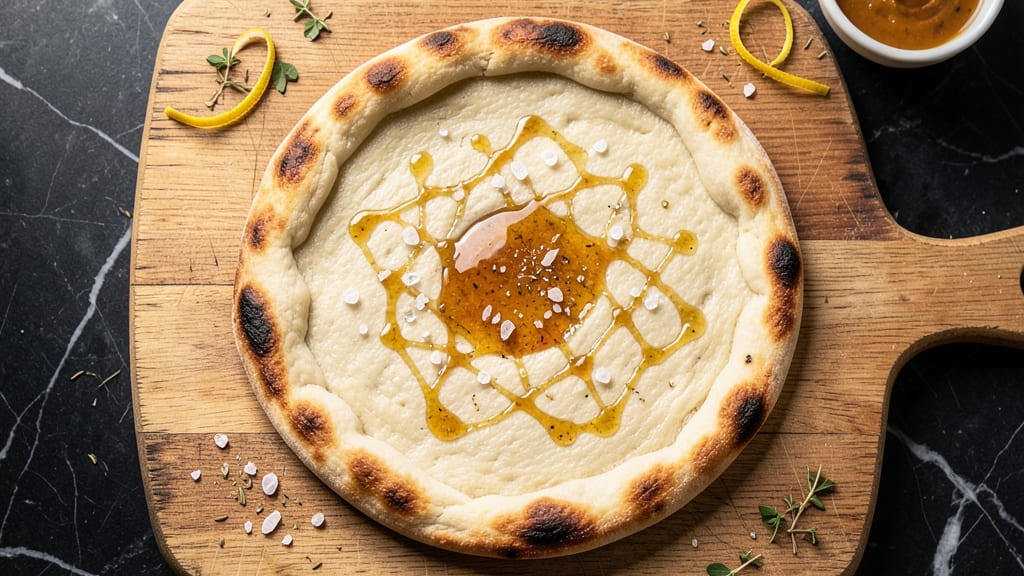
This artisan bread-inspired five-minute-a-day pizza dough delivers restaurant-quality chewy crust without the hours of kneading or waiting. The secret lies in a simple cold fermentation process that develops deep flavor and texture while you sleep—no special equipment or advanced skills required. I've perfected this method after years of testing, and it consistently produces dough with that coveted open crumb structure and nutty flavor you'd expect from a sourdough artisan.
What makes this recipe truly revolutionary is the time investment: just five minutes of active work per day, with most of the flavor development happening overnight in your fridge.
The dough comes together with basic pantry staples—flour, water, yeast, and salt—yet transforms into something extraordinary through the magic of slow fermentation. This isn't your grandmother's pizza dough; it's a sophisticated crust that rivals Neapolitan styles but fits seamlessly into your busy schedule.
The result is a pizza dough with perfectly chewy yet tender texture, an open airy crumb, and a subtle tangy flavor that develops from the cold fermentation. The crust holds toppings beautifully without becoming soggy, and it browns to a golden perfection in the oven.
What's even more impressive is how consistent this method is—no more guessing whether your dough will be too sticky or too dry.
Whether you're making classic Margherita, loaded meat lovers, or a simple white pizza, this dough serves as the perfect foundation.
The beauty of this method is its flexibility—you can prep the dough in the morning and have it ready for dinner, or even make multiple batches ahead of time for spontaneous pizza nights. Let's get started on creating your new go-to pizza crust that's as impressive as it is effortless.
Ingredients for artisan bread in five minutes a day pizza dough
Five simple ingredients transform into restaurant-quality pizza dough with just minutes of daily effort.
| Ingredient | Amount | Notes |
|---|---|---|
| Bread Flour 🌾 | 3 ½ cups | High-protein for chewy texture |
| Active Dry Yeast 🍞 | ¼ tsp | Freshly opened for vitality |
| Diamond Crystal Kosher Salt 🧂 | 1 ½ tsp | Fine grain preferred |
| Cold Water 💧 | 1 ½ cups | Chilled from refrigerator |
| Extra-Virgin Olive Oil 🫒 | 1 tbsp | Fruity variety for flavor |
| Honey 🍯 | 1 tsp | Wildflower preferred |
| Cornmeal 🌽 | ¼ cup | For dusting work surface |
| Semolina Flour 🍚 | ¼ cup | For final dusting |
| All-Purpose Flour 🌾 | ¼ cup | For shaping dough balls |
| Garlic Powder 🧄 | ½ tsp | For optional seasoning |
| Dried Oregano 🍃 | ½ tsp | For optional seasoning |
| Red Pepper Flakes 🌶️ | ¼ tsp | For optional seasoning |
The bread flour is non-negotiable here—King Arthur or Caputo are my go-tos for that perfect chewy texture. Look for high-protein content (12-14%) on the package. Whole Foods or King Arthur Flour websites have great guides if you're unsure which to pick. The yeast should be freshly opened—check the expiration date, and if it's been sitting in your pantry for months, grab a new packet. For the olive oil, California Olive Ranch or Colavita brands deliver that fruity punch that elevates the dough. I always double-check the honey isn't crystallized—microwave for 10 seconds if it's thickened up.
No bread flour? All-purpose flour plus 1 tbsp vital wheat gluten per cup gets you close, though texture won't be identical. Running short on yeast? Nutritional yeast at 1 tbsp per 1/4 tsp active dry yeast works in a pinch, though fermentation will be slower. The honey can be swapped for maple syrup if you're avoiding it, but I find it adds unnecessary sweetness. For the optional seasonings, Penzeys spices are my go-to for quality—dried oregano should smell vibrant, not dusty. Red pepper flakes can be omitted entirely if you prefer a neutral dough base for your toppings.
This dough is designed to be made ahead—prep it the night before and let it ferment overnight for maximum flavor. Store the shaped dough balls in an airtight container with parchment paper between them to prevent sticking. They'll keep in the fridge for up to 48 hours, or freeze for 3 months by wrapping each ball individually in plastic wrap. When ready to use, bring to room temperature for about 30 minutes before stretching. The cornmeal and semolina are just for dusting—no need to measure precisely, just have them handy for your work surface.
Why You'll Love This Recipe
- Five-Minute Mix: I swear, this dough comes together faster than my coffee brews—just flour, yeast, salt, water, and olive oil. No kneading, no waiting around, just toss it, let it rest, and you’re golden.
- Crispy-Chewy Magic: That kosher salt and cold water combo? It’s the secret to a crust so good you’ll forget store-bought. The olive oil keeps it tender, but the edges? Perfection every time.
- Weeknight Lifesaver: Between us, this is my go-to for busy nights—double the dough, freeze half, and boom, dinner’s ready when you are. (Yes, even on a Tuesday night.)
- Budget-Friendly Flex: Five ingredients, zero waste—this dough stretches for pizzas, calzones, or even garlic knots. Honestly, it’s the most versatile $2 I spend all month.
Step-by-step instructions for artisan-inspired pizza dough
Here's how to create restaurant-quality pizza dough in minutes—no kneading, no waiting.
Mix the Dough with Minimal Effort
In a large mixing bowl, combine the 3.5 cups bread flour, 1.5 tsp Diamond Crystal kosher salt, 0.5 tsp garlic powder, 0.5 tsp dried oregano, and 0.25 tsp red pepper flakes. Stir lightly with a wooden spoon to distribute the dry ingredients evenly. This high-protein flour creates that perfect chewy texture we're after.
Make a well in the center and add the 0.25 tsp active dry yeast, 1 tbsp extra-virgin olive oil, and 1 tsp honey. The honey here serves a dual purpose—it feeds the yeast while adding subtle sweetness that balances the savory flavors. Slowly pour in the 1.5 cups cold water while stirring gently with a fork or wooden spoon. The dough will be shaggy at first, but don't worry—this is normal.
Develop Gluten with Minimal Handling
Switch to your hands and work the dough for 2-3 minutes until it just comes together into a loose mass. You're not trying to develop gluten here—just enough to create a cohesive dough. The cold water and high-protein flour will do most of the work for us. I like to use my fingers to gently pull and fold the dough, keeping the surface slightly rough.
Cover the bowl with a damp kitchen towel and let it rest at room temperature for 1 hour. This is where the magic happens—the yeast activates slowly, creating that perfect open crumb structure without needing long fermentation times. Don't skip this step; it's what gives us that artisan bread-inspired texture in just minutes of active work.
Shape and Prepare for Toppings
After the resting period, turn the dough out onto a surface lightly dusted with 0.25 cup cornmeal. This prevents sticking and adds a subtle flavor. Divide the dough into 4 equal portions (about 8 ounces each) and gently shape each into a ball. I use the "prayer hands" method—cupping the dough and pressing gently while rotating to create smooth, taut surfaces.
Place the dough balls on a plate dusted with 0.25 cup semolina flour, cover with another damp towel, and let them rest for 15-20 minutes before shaping for pizza. This final rest relaxes the gluten, making it easier to stretch without tearing. The semolina creates that beautiful, crispy crust we all love on artisanal pizzas.
Stretch and Top Your Pizza
To stretch each dough ball, dip your fingers in water and gently press the center outward, rotating the dough as you go. Don't pull—this creates tough pizza. Aim for a 12-inch circle that's about ¼-inch thick at the edges. The water helps prevent sticking while you work. I find this method gives me that perfect balance of crispy edges and soft center.
Transfer your stretched dough to a preheated pizza stone or baking sheet dusted with 0.25 cup all-purpose flour. Add your favorite toppings, keeping in mind this dough handles heavier toppings beautifully thanks to its high gluten content. The optional seasonings we added earlier will infuse subtle flavors throughout the crust as it bakes.
Bake to Golden Perfection
Preheat your oven to 475°F with the pizza stone or baking sheet inside for at least 30 minutes. This high heat is crucial for that crispy crust. Bake your pizza for 12-15 minutes until the crust is golden brown and the cheese is bubbly and slightly browned in spots. You'll know it's done when the edges pull away from the pan easily.
For that authentic artisanal finish, I like to broil for 1-2 minutes at the end to crisp the crust even more. Watch closely—broilers can be aggressive! Remove from oven and let rest for 2 minutes before slicing. This resting period ensures clean cuts and prevents the cheese from oozing out everywhere.
Pro Tips For Making Artisan Bread In Five Minutes A Day Pizza Dough
- Weigh Your Flour: I learned this the hard way—when I eyeballed the bread flour, my dough was either too stiff or too sticky every time. Use a kitchen scale for 4 cups (about 480g) of bread flour. The weight matters more than volume, especially with bread flour’s variable density.
- Salt the Water First: Diamond Crystal kosher salt dissolves better in cold water if you add it first. Let it fully dissolve before mixing in the yeast—this prevents clumping and ensures even distribution in the dough. (Yes, even if you’re impatient like me.)
- Stretch, Don’t Fold: When shaping the dough, resist the urge to fold it like a letter. Instead, gently stretch the edges toward the center using your fingertips—this creates that signature thin, crispy crust without tearing. Think "pull and coax," not "mash and force."
- Cold Water is Non-Negotiable: I was skeptical until I tried it: using water straight from the fridge (around 50°F) slows yeast activity just enough to give you control. If your water is too warm, the dough rises too fast and loses structure. Stick to cold—your crust will thank you.
Flavor customization for this dish
Herb-Infused Variations
Swap the garlic powder and oregano for 1 tsp fresh rosemary and 1 tsp fresh thyme finely chopped. The rosemary adds a piney depth that pairs beautifully with roasted vegetables like eggplant or zucchini.
For a Mediterranean twist, add ½ tsp dried basil and ½ tsp dried marjoram—these herbs create a fragrant crust that complements tomato-based toppings perfectly. 🌿
Spicy & Smoky Twist
Boost the heat by adding 1 tsp smoked paprika and ½ tsp cayenne pepper to the dry ingredients. For a smoky depth, use 1 tbsp liquid smoke (like Colonial Liquid Smoke) in place of the olive oil.
This variation works exceptionally well with grilled meats or spicy toppings like jalapeños and pepperoni. The smoky flavor develops beautifully during the overnight fermentation.
Sweet & Savory Balance
Enhance the dough's sweetness by adding 1 tbsp maple syrup instead of honey, along with ½ tsp cinnamon and ¼ tsp nutmeg. This variation creates a subtle sweetness that pairs wonderfully with caramelized onions, apples, and goat cheese.
It’s a fantastic option for breakfast pizzas or dessert-style pizza with a drizzle of balsamic glaze. 🍯
Cheesy & Garlicky Crust
For a cheesy dough, mix ½ cup shredded Parmesan cheese directly into the flour before adding wet ingredients. Add 1 tbsp garlic powder (double the original amount) for an extra garlicky kick.
This variation is perfect for heartier toppings like sausage, mushrooms, and extra mozzarella. The cheese adds a rich, nutty flavor that develops even more during the cold fermentation.
Whole Wheat Artisan
Replace 1 cup of the bread flour with whole wheat flour for a nuttier, heartier crust. To maintain texture, add 1 tbsp vital wheat gluten to the dry ingredients.
This variation works well with toppings like roasted squash, caramelized onions, and feta cheese. The whole wheat adds fiber and a slightly earthy flavor that complements savory toppings beautifully.
Gluten-Free Adaptation
For a gluten-free version, replace the bread flour with 3 cups gluten-free all-purpose flour blend (like King Arthur Measure for Measure) and add 2 tbsp xanthan gum to the dry ingredients. Use 1 extra tbsp olive oil to help bind the dough.
The texture won’t be identical, but it still delivers a chewy, flavorful crust. This variation is ideal for those with gluten sensitivities who still want an artisan-style pizza. 💪
Nutrition facts
Frequently asked questions
Can I make this dough without a stand mixer?
This recipe is designed for hand mixing—just 2-3 minutes of gentle folding is all you need. The cold fermentation does most of the gluten development work for you. Simply use a wooden spoon first to combine ingredients, then switch to your hands to bring everything together. No special equipment required!
Why does the dough need to rest overnight?
The overnight cold fermentation creates that artisan bread-inspired flavor and texture with minimal effort. The slow process allows gluten to relax and develop depth while preventing overproofing. This is what gives you that perfect chewy yet airy crust without needing hours of active time.
What if my dough is too sticky?
Add 1-2 tablespoons of bread flour at a time while mixing until the dough comes together. The high protein content in bread flour helps absorb moisture better than all-purpose. If it's still too sticky after shaping, dust your work surface with more cornmeal or semolina flour.
Can I use this dough for other baked goods?
Yes! The same dough works beautifully for focaccia, garlic knots, or even breadsticks. For focaccia, press the dough into an oiled pan and dimple with your fingers before baking. For knots, divide into 1-ounce pieces, shape, and bake at 400°F for 12-15 minutes until golden.
How do I store leftover dough?
Wrap shaped dough balls tightly in plastic wrap, then place in an airtight container. They'll keep in the fridge for 48 hours or freeze for 3 months. Thaw overnight in the fridge before using. For best texture, don't freeze unshaped dough—always shape first before freezing.