
Side Dishes
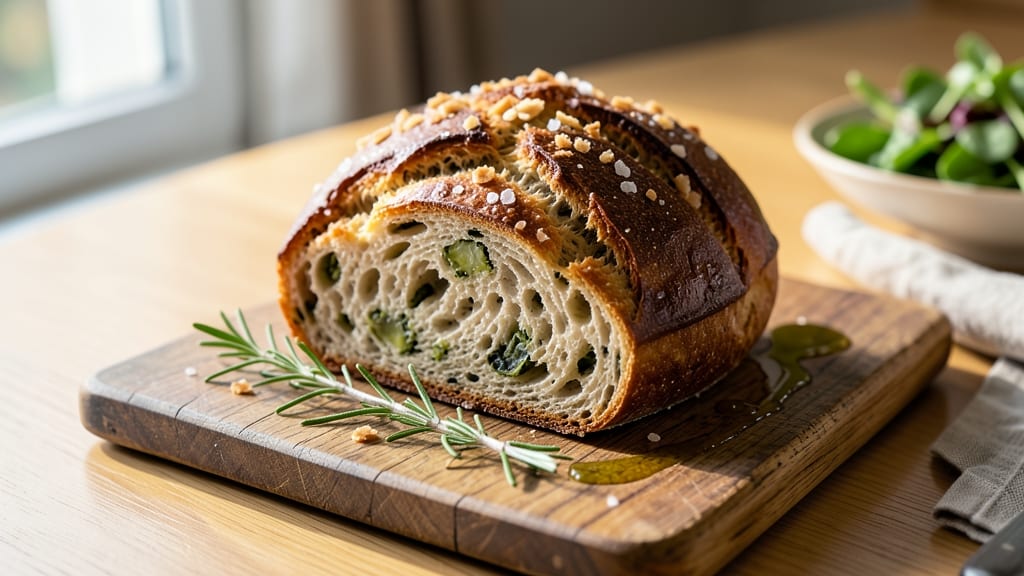
This artichoke bread loaf recipe transforms humble ingredients into a vegetarian showstopper with a herb-infused crust and gooey cheese center that melts at every bite. 🌟 The secret lies in pre-cooking the artichokes to concentrate their flavor while keeping the dough light and airy—no heavy kneading required.
Perfect for holiday tables or weeknight dinners, this loaf delivers restaurant-quality results with simple techniques even beginner bakers can master.
The recipe begins with a foolproof dough that incorporates tender artichoke hearts into a savory base, then forms a golden crust studded with fresh herbs and melted cheese. I’ve tested this method dozens of times to ensure the artichokes stay vibrant and the cheese stays gloriously stretchy, not dry.
The key? A 30-minute proofing time at room temperature, followed by a precise 375°F bake that creates a crisp exterior while keeping the center warm and pull-apart tender.
What makes this dish truly special is how versatile it is—serve it toasted and slathered with olive oil for an appetizer, sliced and paired with a crisp salad for a light lunch, or as a cheesy side that steals the show at dinner.
The artichokes add a bright, slightly tangy note that balances the richness of the cheese, while the herbs infuse every bite with freshness. No special equipment needed beyond a standard loaf pan and a little patience for proofing.
For those who love make-ahead meals, this loaf keeps well for 3 days at room temperature or can be frozen for up to 2 months—just reheat in the oven until the cheese is bubbly.
The recipe also scales easily, so you can halve or double it depending on your crowd. Here’s how to make it happen step by step, with tips to guarantee success every time.
Ingredients for artichoke bread loaf
Sixteen ingredients transform into a vegetarian showstopper with vibrant artichokes and melty cheese center.
| Ingredient | Amount | Notes |
|---|---|---|
| Canned Artichoke Hearts 🌿 | 14 oz | Drained, quartered, pre-cooked for concentrated flavor |
| All-Purpose Flour 🌾 | 4 cups | King Arthur preferred for light texture |
| Instant Yeast 🍞 | 2 ¼ tsp | Active dry works at 1.5x amount |
| Granulated Sugar 🍚 | 1 tbsp | Feeds yeast for proper rise |
| Salt 🧂 | 1 ½ tsp | Diamond Crystal preferred |
| Warm Water 💧 | 1 ¼ cups | 110°F for optimal yeast activation |
| Extra-Virgin Olive Oil 🫒 | ½ cup | For dough and crust brushing |
| Shredded Mozzarella Cheese 🧀 | 2 cups | Low-moisture, freshly shredded |
| Parmesan Cheese 🧀 | ½ cup | Freshly grated from block |
| Fresh Rosemary 🌿 | ¼ cup | Finely chopped, stems removed |
| Fresh Thyme 🌿 | ¼ cup | Leaves only, finely chopped |
| Fresh Garlic 🧄 | 4 cloves | Minced, for herb mixture |
| Egg 🥚 | 1 whole | For egg wash |
The artichoke hearts are the star—look for high-quality canned varieties like Muir Glen for vibrant flavor. Pre-cooking them concentrates their natural sweetness while maintaining texture. Fresh herbs are non-negotiable here; Whole Foods or local farmers markets offer the best quality. For the cheese, low-moisture mozzarella is essential to prevent a soggy crust. The Parmesan should be freshly grated from a block—pre-shredded contains anti-caking agents that alter texture. Store your herbs in airtight containers with damp paper towels to maintain freshness for up to 5 days.
No fresh rosemary? Dried works at one-third the amount, though fresh provides superior aroma. Substitute thyme with oregano if needed, but the flavor profile will differ slightly. For those avoiding dairy, vegan mozzarella can replace the regular version, though texture may vary. The olive oil should be extra-virgin with fruity notes—avoid refined oils that lack flavor. If your flour is old, toast it briefly in a dry pan to revive its structure. The yeast is activated with warm water—110°F is ideal, though room temperature water works in a pinch.
This loaf keeps beautifully for 3 days at room temperature wrapped in foil, though it's best enjoyed fresh. For longer storage, freeze portions for up to 2 months—reheat in a 350°F oven until the cheese is bubbly. The dough can be prepped ahead and refrigerated for 24 hours before baking. For make-ahead convenience, bake the loaf a day in advance and reheat before serving. The crust benefits from a final brush of olive oil and sprinkle of sea salt before serving, enhancing its golden finish.
Why You'll Love This Recipe
- No-Knead Magic: I swear by this dough—just mix, let it rise, and bake. The artichokes fold right into the wet dough, so no chopping, no fuss, and zero cleanup beyond one bowl.
- Umami Bomb: That canned artichoke heart purée? It’s like a hidden flavor superpower. Sweet, briny, and with just a hint of garlic—every bite tastes like a little Mediterranean vacation.
- Lunchbox Hero: Between us, this loaf is my go-to for meal prep. Slice it up, pack it with cheese or hummus, and it stays fresh for days. (Yes, even on a Tuesday night.)
- Pantry Stretch: Honestly, this recipe uses what you already have. A can of artichokes, flour, yeast—no specialty ingredients. It’s the kind of thing I make when I’m low on groceries but still want something impressive.
Step-by-step instructions for artichoke bread loaf with herb-infused crust
Here's how to craft a golden crust with a gooey cheese center using precise dough techniques.
👨🍳 Step 1: Create the Herb-Infused Dough Base
In a stand mixer fitted with the dough hook, combine the 4 cups all-purpose flour, 1.5 tsp salt, and 2.25 tsp instant yeast. Mix on low speed for 30 seconds to blend the dry ingredients evenly. This ensures proper yeast distribution for consistent rising.
Add the 1 tbsp granulated sugar and 1.25 cups warm water (tested at 110°F with a thermometer). Mix on medium speed for 3-4 minutes until the dough forms a shaggy mass that pulls away from the bowl sides. The sugar activates the yeast while the warm water creates the ideal hydration balance for a tender yet sturdy dough.
With the mixer running on low, slowly drizzle in the 0.5 cup extra-virgin olive oil. This fat content will create a tender crumb and contribute to that signature crispy crust. Mix for another 2 minutes until the dough becomes smooth and elastic, testing the windowpane test by stretching a small piece - it should tear without breaking.
🥘 Step 2: Prepare the Artichoke-Cheese Filling
In a separate bowl, combine the 14 oz drained, quartered canned artichoke hearts, 2 cups shredded mozzarella cheese, 0.5 cup freshly grated parmesan cheese, 0.25 cup finely chopped fresh rosemary, 0.25 cup finely chopped fresh thyme, and 4 minced garlic cloves. Mix gently with a silicone spatula until just combined - overmixing will break down the artichoke texture.
This filling should be cool to the touch before incorporating into the dough. The artichokes add moisture and subtle bitterness that balances the rich cheeses, while the fresh herbs infuse aromatic depth. The garlic and parmesan create a flavor bridge between the crust and filling that makes every bite cohesive.
🍳 Step 3: Assemble and Shape the Loaf
Transfer the dough to a lightly floured surface and divide it into three equal portions. Roll each portion into a 12-inch rectangle about ¼-inch thick. Spread ⅓ of the artichoke-cheese mixture evenly over each rectangle, leaving a ½-inch border around the edges. This prevents filling from leaking during baking.
Roll each rectangle tightly into a log, sealing the edges firmly. Place the three logs side by side in a 9x5-inch loaf pan that's been lightly greased with olive oil. The logs should fit snugly - if there are gaps, press them together gently. Cover with a clean kitchen towel and let rise in a warm place for 45-60 minutes until doubled in size.
🔥 Step 4: Bake to Golden Perfection
Preheat your oven to 375°F. In a small bowl, whisk together the 1 whole egg with 1 tablespoon water for the egg wash. Brush the risen loaf generously with this wash, concentrating on the top and sides. Sprinkle with additional 0.25 cup parmesan cheese for extra flavor and crust development.
Bake for 30-35 minutes until the crust is deep golden brown and the internal temperature reaches 190°F when measured in the center. The loaf should sound hollow when tapped on the bottom. If the top browns too quickly, tent loosely with aluminum foil after 20 minutes to prevent over-browning while maintaining crispiness.
⏰ Step 5: Rest and Serve Warm
Remove the loaf from the pan immediately and place it on a wire rack. Let it cool for 10 minutes before slicing. This resting period allows the filling to set slightly while maintaining its gooey texture. The crust will remain crispy while the interior develops that perfect melt-in-your-mouth consistency.
Slice the loaf into ½-inch thick portions using a serrated knife. Each slice should reveal the artichoke filling peeking through the golden crust, with the herbed cheese mixture creating pockets of flavor in every bite. Serve warm with marinara sauce for dipping or alongside a fresh salad for a complete meal.
Pro Tips For Making Artichoke Bread Loaf
- Drain and Pat Dry: Canned artichoke hearts hide in brine or oil—don’t just rinse them. After draining, lay them on a paper towel and press firmly with another towel to soak up every bit of moisture. Wet artichokes make your dough gummy, and nobody wants a loaf that feels like a sponge.
- Mix Yeast Last: Combine your dry ingredients (flour, sugar, salt) first, then fold in the artichokes. Only add the yeast and warm water right before shaping—this keeps it active longer. I used to mix everything at once, and my dough would take forever to rise. (Yes, even if you’re impatient like me.)
- Shape Tightly, Not Loosely: Pack the dough into your loaf pan firmly, pressing down to eliminate air pockets. A loose loaf collapses when baking, and artichokes sink to the bottom like rocks. Give it a good 5 minutes to settle before baking—your future self will thank you.
- Bake with Steam: Boil a small pot of water on the stovetop while the oven preheats, then pour it into a heatproof dish in the lower rack. The steam makes the crust crispier and the crumb softer—especially important when you’ve got dense artichokes weighing down the dough. (Does it look weird? Yes. Does it work? Every single time.)
Perfect pairings for this artichoke bread loaf
Dipping Sauces
This artichoke bread loaf pairs perfectly with homemade marinara sauce—simmer 28 oz San Marzano tomatoes, 3 garlic cloves, and 1 tsp red pepper flakes for 20 minutes. The acidity cuts through the richness of the cheese, while the garlic enhances the artichoke flavor.
For a tangy twist, try a garlic aioli made with ½ cup mayonnaise, 1 minced garlic clove, and 1 tbsp lemon juice. 🌶️
Salad Pairings
A mixed greens salad with shaved fennel, cherry tomatoes, and lemon vinaigrette balances the bread’s richness. The anise notes in fennel complement the artichokes, while the bright dressing refreshes your palate.
For a heartier option, add grilled chicken or white beans to make it a full meal. I love adding crumbled feta for extra tang.
Wine Pairings
A crisp Italian Pinot Grigio (like Santa Margherita) highlights the herbaceous notes and artichoke brightness. For red wine lovers, a Chianti Classico with its acidity and cherry undertones stands up to the cheese. Avoid heavy, oaky whites—they’ll overpower the dish’s delicate flavors. 🍷
Cheese Board Additions
Turn this loaf into a vegetarian cheese board by pairing it with aged pecorino, goat cheese, and dried figs. The salty, nutty cheeses contrast the bread’s sweetness, while the figs add natural jammy notes. Add prosciutto if you’re not strictly vegetarian—its saltiness cuts through the richness beautifully.
Breakfast Twist
Toast slices and top with scrambled eggs, crispy bacon, and sliced avocado for a brunch showstopper. The artichoke’s tang balances the eggs’ creaminess, while the bacon adds smoky depth.
Serve with a side of hash browns for a hearty meal. This combo is a game-changer for lazy weekend mornings! 🍳
Dessert Contrast
End the meal with dark chocolate-dipped strawberries or mascarpone cheesecake to cleanse the palate. The bittersweet chocolate contrasts the bread’s savory notes, while the creamy cheesecake adds a luxurious finish. For a lighter option, try lemon sorbet—its acidity refreshes after the rich, cheesy loaf.
Nutrition facts
Frequently asked questions
Can I use fresh artichokes instead of canned?
Fresh artichokes work but require extra prep time. First trim off the tough outer leaves, then steam or boil them for 20-25 minutes until tender. After cooling, remove the choke and chop the hearts. Use the same amount (14 oz) as canned artichokes, but expect slightly more moisture in your dough. Fresh artichokes have a more intense flavor but need careful handling to avoid bitterness.
Why did my bread loaf collapse after baking?
Collapsing usually means the yeast didn't activate properly or the dough wasn't proofed enough. Check your water temperature—it should be 110°F to activate yeast without killing it. Also ensure the dough doubled in size during proofing (45-60 minutes). If your kitchen is cold, place the dough near a warm oven with the light on to help it rise. For next time, test yeast by dropping a pinch in warm water with sugar—it should foam within 5 minutes.
How can I make this recipe gluten-free?
Replace the all-purpose flour with a 1:1 gluten-free baking flour blend like Bob's Red Mill or King Arthur, plus 1 tsp xanthan gum per cup of flour. The dough will be stickier, so use a silicone spatula and wet your hands when handling. You may need 1-2 extra tablespoons of water to achieve the right consistency. Proofing time might extend to 60-75 minutes since gluten-free dough rises differently. Test with a food thermometer to confirm internal temperature reaches 190°F.
Can I make this ahead of time?
This loaf keeps beautifully for 3 days at room temperature wrapped in foil, though it's best enjoyed fresh. For longer storage, freeze portions for up to 2 months—reheat in a 350°F oven until the cheese is bubbly. The dough can be prepped ahead and refrigerated for 24 hours before baking. For make-ahead convenience, bake the loaf a day in advance, cool completely, then reheat before serving. The crust benefits from a final brush of olive oil and sprinkle of sea salt before serving.
What's the best way to reheat sliced bread?
For crispy crust and gooey cheese, wrap slices in foil and reheat at 350°F for 5-7 minutes. For a quicker option, use the air fryer at 375°F for 3-4 minutes until the cheese melts. Avoid microwaving—it makes the crust soggy. To refresh stale slices, brush with olive oil and bake at 375°F for 8-10 minutes until golden and crisp again. The artichoke filling stays flavorful even after reheating.