
Side Dishes
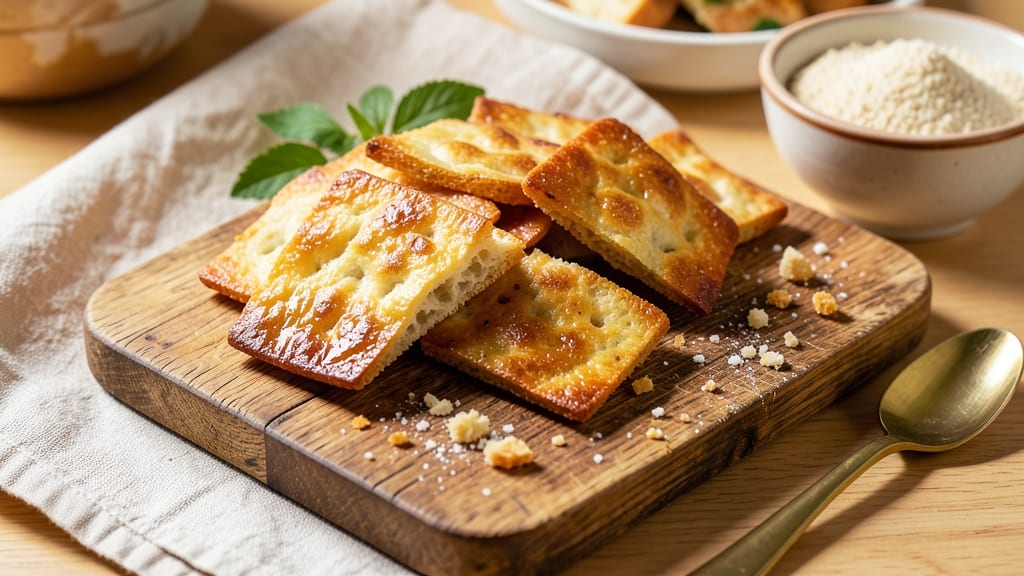
This Armenian cracker bread recipe delivers the signature crispy, flaky layers that make lavash irresistible. 🌟 The secret lies in thin rolling and precise baking—techniques that transform simple dough into delicate, versatile sheets perfect for wraps, dips, or sides.
I've perfected this method after years of testing, ensuring each batch achieves that signature balance of crispness and flexibility.
The dough itself is straightforward, requiring just flour, water, and a touch of salt, but the magic happens in the rolling and baking. Traditional Armenian methods call for stretching the dough paper-thin, but I've adapted this for home ovens while preserving the authentic texture.
The result? Bread that's sturdy enough to hold fillings yet light enough to crumble into soups.
What you'll end up with is bread that's crisp on the outside and tender within, with layers that separate cleanly for maximum versatility. These sheets stay fresh for days when stored properly, making them ideal for meal prep or entertaining.
The aroma alone will transport you to the markets of Yerevan, where lavash has been a staple for centuries.
Use these crackers for wraps, dipping in hummus or olive oil, or even as a crispy base for salads. The possibilities are endless, and the process is simpler than you might think. Let's get started on creating your own bakery-fresh Armenian cracker bread.
Ingredients for armenian cracker bread
Just five core ingredients transform into bakery-style lavash with crispy layers you'll crave.
| Ingredient | Amount | Notes |
|---|---|---|
| All-Purpose Flour 🌾 | 3 cups | Sifted for even texture |
| Warm Water 💧 | 1 ½ cups | 110°F for ideal dough |
| Kosher Salt 🧂 | ½ tsp | Fine grain preferred |
| Olive Oil 🫒 | 1 tbsp | For dough flexibility |
| Semolina Flour 🌾 | ¼ cup | For dusting and rolling |
| Cornstarch 🍚 | ¼ cup | For crispy finish |
| Sesame Seeds 🌰 | 2 tbsp | Optional for topping |
The flour is the star—King Arthur or Gold Medal brands work best for that tender yet crisp texture. Warm water (110°F) is key—too cold and the dough fights you, too hot and it overproofs fast. I always use a kitchen thermometer for this. Whole Foods bulk bins have great options if you want to experiment with bread flour for extra chew. The olive oil might seem small, but it keeps the dough pliable during those paper-thin rolls. Skip it? The bread will still work, but it'll be less flexible for wrapping.
No semolina? Cornmeal works in a pinch—just know it'll give a slightly different texture. The cornstarch is non-negotiable for that signature crunch though. For sesame seeds, Trader Joe's has the best-priced bagged versions. Short on time? Roll the dough to about 1/8-inch thickness instead of paper-thin—still delicious, just less delicate. The dough should be soft but not sticky; if it sticks, knead in another tablespoon of flour. And yes, you can make this gluten-free with a 1:1 flour blend, though texture will differ.
Freshly baked lavash stays crisp for 3-4 days in an airtight container with parchment between layers. For extra crunch, reheat in a 350°F oven for 5-8 minutes. Freeze between parchment sheets for up to 3 months. I portion mine into quart-sized bags—perfect for quick lunches. The aroma when first baking? Worth every minute of rolling.
Why You'll Love This Recipe
- Four-Ingredient Magic: I swear, this recipe only needs flour, water, salt, and oil—plus a sprinkle of semolina for that signature crunch. No yeast, no kneading, no waiting for dough to rise. Honestly, I’ve made it while scrolling through my phone.
- Crispy-Creamy Dream: That first bite? The outside shatters like a cracker, but inside it’s soft and pillowy—like a cross between a flatbread and a cracker. The olive oil adds just enough richness to keep it from being dry, and the semolina gives it that addictive texture.
- Pantry Staple Power: Between us, this bread is my go-to for picnics, charcuterie boards, or just snacking straight from the pan. It travels well, reheats in seconds, and even freezes like a champ. I keep a batch in the fridge for lazy mornings or unexpected guests.
- Budget-Friendly Crunch: A single batch costs pennies and stretches for days. Tear it into pieces for dips, use it to scoop up hummus, or stack it with cheese and jam. I’ll be real: my grocery bill stays low, but my snack drawer never does.
Step-by-step instructions for Armenian cracker bread
Here's how to make bakery-style cracker bread with perfect crispy layers.
👨🍳 Step 1: Mix the Dough for Light, Airy Texture
In a large mixing bowl, combine the 3 cups all-purpose flour and 0.5 tsp kosher salt. Make a well in the center and pour in the 1.5 cups warm water (about 110°F) and 1 tbsp olive oil. Mix with a wooden spoon until just combined—you want a shaggy dough that still has dry bits around the edges.
This is crucial for achieving that signature flaky texture. Overmixing develops gluten, which can make your cracker bread tough instead of crispy. Once combined, knead the dough gently by hand for 2-3 minutes until smooth and elastic. It should be slightly tacky but not sticky—if it sticks to your fingers, add a tiny bit more all-purpose flour.
🥘 Step 2: Rest the Dough for Maximum Flakiness
Cover the bowl with a damp kitchen towel and let the dough rest at room temperature for 30 minutes. This resting period allows the gluten to relax and the ingredients to fully hydrate, which is essential for those perfect flaky layers. I know it's tempting to skip this step, but trust me—it makes all the difference in the final texture.
While the dough rests, lightly dust a clean surface with 0.25 cup semolina flour. This will prevent sticking when you roll out the dough later. The semolina adds a lovely nutty flavor and helps create that crispy finish on the outside of each cracker.
🔪 Step 3: Roll and Cut for Uniform Shapes
After resting, divide the dough into 4 equal portions (about 1 cup each) and roll each portion into a ¼-inch thick rectangle on your floured surface. I use a rolling pin to keep the thickness consistent—this ensures even baking and crispiness. If the dough sticks, dust with more semolina flour as needed.
Once rolled, use a sharp knife or pizza cutter to cut each rectangle into 12 equal squares. For the classic Armenian look, cut each square diagonally from one corner to the opposite corner, creating triangles. These will form the signature cracker shape when baked. Transfer the cut crackers to a parchment-lined baking sheet, leaving ½-inch space between each one.
🔥 Step 4: Bake Until Golden and Crispy
Preheat your oven to 375°F and bake the crackers for 12-15 minutes until the edges are golden brown and the centers are just set. You're aiming for that perfect balance of crispy outside and slightly soft inside—like a fresh bakery cracker. Rotate the baking sheet halfway through for even baking.
In the last 2 minutes of baking, sprinkle the crackers with the 2 tbsp sesame seeds for that authentic Armenian touch. The seeds should toast slightly and add a nutty crunch to each bite. Remove from the oven and let cool completely on a wire rack before serving—this prevents them from becoming soggy.
Pro Tips For Making Armenian Cracker Bread
- Toast Semolina First: Heat your semolina in a dry pan for 30 seconds before mixing it into the dough—it removes raw flour taste and adds a nutty depth. I learned this after tasting bland crackers and realized the semolina wasn’t doing its job.
- Mix Water to 90°F: Warm water (not boiling) activates the flour better and prevents gummy dough. Use a thermometer or test it on your wrist—too hot and you’ll kill the gluten, too cold and the dough fights you.
- Skip the Over-Kneading: This dough only needs 2–3 minutes by hand until it pulls away cleanly. Overwork it and you’ll end up with dense, chewy crackers instead of the light, crisp texture you want.
- Use a Pizza Peel: Roll the dough thin (⅛-inch) and transfer it with a well-floured peel for even baking. Pressing it directly onto a hot pan risks sticking—worth the extra $10 tool for perfect results every time.
Wine and beer pairings for this armenian cracker bread
White Wine Pairings
For Armenian cracker bread, I reach for crisp, dry white wines that complement its nutty semolina flavor and subtle olive oil richness. A French Sancerre from the Loire Valley—made with Sauvignon Blanc—is my go-to choice.
Its bright citrus notes and mineral finish cut through the bread's crisp texture beautifully. 🍷
If you prefer something lighter, try a Italian Pinot Grigio from Alto Adige. The wine's delicate almond undertones mirror the sesame seeds' nuttiness, creating a harmonious balance. For a bolder option, a Gewürztraminer from Alsace adds a touch of lychee sweetness that pairs wonderfully with the bread's toasted edges.
Red Wine Options
Surprisingly, certain light-bodied reds work well with Armenian cracker bread, especially when served with dips like garlic yogurt or spicy walnut paste. A Spanish Albariño—though technically white—has enough red fruit character to stand up to the bread's earthy notes.
For red lovers, a Pinot Noir from Oregon's Willamette Valley offers enough acidity to cleanse your palate between bites.
Beer Pairings
For beer enthusiasts, I recommend a Belgian Witbier like Hoegaarden. The wine's coriander and orange peel notes create a refreshing contrast with the bread's nutty semolina and sesame crunch. A German Pilsner—like Warsteiner—also works beautifully, especially when served with olive oil and za'atar for dipping. 🍺
Non-Alcoholic Options
Don't drink alcohol? No problem! A sparkling mineral water with a squeeze of lemon enhances the bread's crispness. For something more substantial, try a cucumber-mint infused water—the cool, refreshing flavors complement the warm, toasted crackers perfectly.
I also love serving lavash with chilled hibiscus tea, which adds a floral depth that pairs wonderfully with the bread's nutty undertones.
Regional Armenian Pairings
In Armenia, lavash is traditionally served with dolma (stuffed grape leaves) and tarator (cucumber-yogurt sauce). For a modern twist, pair your cracker bread with spicy lamb kebabs and tkemali (plum sauce).
The combination of smoky meat, tangy sauce, and crisp lavash creates a meal that feels both authentic and exciting. 🌶️
Nutrition facts
Frequently asked questions
Why does Armenian cracker bread need to rest before rolling?
The 30-minute rest is crucial for developing those signature flaky layers. It allows the gluten to relax, making the dough easier to roll paper-thin while preventing it from shrinking back during baking. Skipping this step often results in tough, dense crackers instead of crispy, delicate sheets. Think of it as giving the dough time to "breathe" before its final transformation.
Can I make Armenian cracker bread without semolina?
Yes, but the texture will differ slightly. Replace semolina with cornmeal or extra all-purpose flour for rolling, though semolina's nutty flavor and crispy finish are hard to replicate. For the best results, use 1/4 cup cornstarch sprinkled between layers when stacking baked crackers to maintain crispness. The dough itself doesn't require semolina—just for dusting and rolling.
How do I store Armenian cracker bread to keep it crispy?
Store in an airtight container with parchment paper between layers to prevent sogginess. For maximum freshness, keep at room temperature for 3-4 days. To revive crispness, reheat individual crackers in a 350°F oven for 5-8 minutes. For longer storage, freeze between parchment sheets for up to 3 months. Never store in the fridge—it causes moisture buildup and ruins the texture.
What's the secret to getting that perfect paper-thin roll?
Use a well-floured surface and roll gradually from the center outward, rotating the dough as you go. Aim for 1/16-inch thickness—about as thin as a dollar bill. If the dough tears, patch it with a bit of water and continue. A rolling pin with consistent pressure works better than hands for even thickness. Patience is key—rushing leads to uneven baking and less crispy results.
Can I make Armenian cracker bread gluten-free?
Yes, but texture will differ. Use a 1:1 gluten-free flour blend with xanthan gum and add 1 extra tbsp of oil to prevent brittleness. The dough will be more delicate, so handle it gently during rolling. Expect crackers that are slightly thicker and less crispy than traditional versions. For best results, try a blend containing rice flour and tapioca starch for improved texture.