
Side Dishes
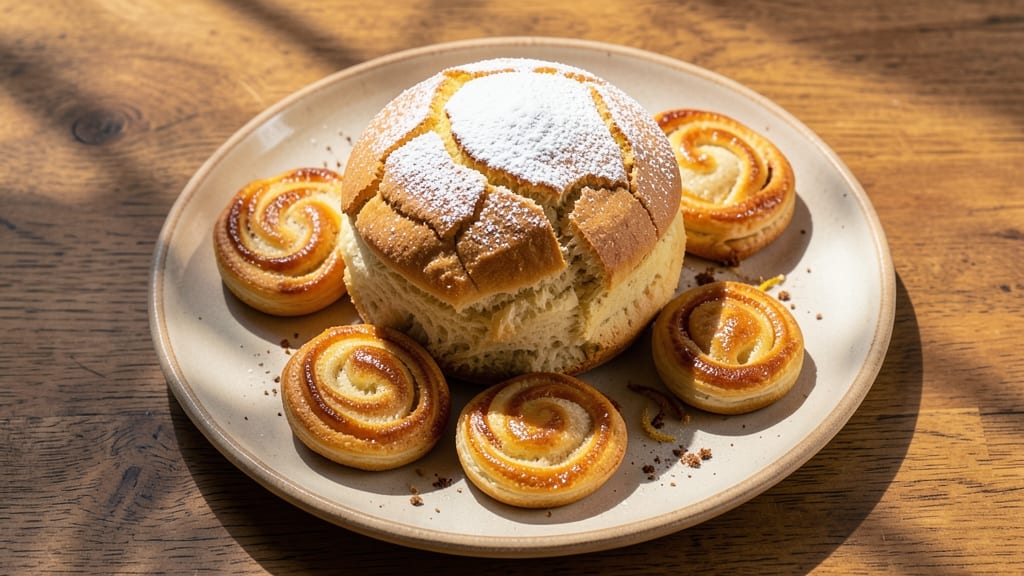
This Argentinian sweet bread recipe brings the golden, buttery swirls of Buenos Aires cafés straight to your kitchen. The secret lies in layers of tender dough wrapped around vanilla-infused butter, creating a flaky, melt-in-your-mouth texture that's impossible to resist.
I've perfected this technique after years of studying traditional pan dulce—where every bite should balance crispy crust with soft, pillowy centers.
What makes this recipe special is the lamination process, where butter is folded into the dough in precise layers, creating those signature swirls. The dough rests overnight for maximum flavor development, while vanilla extract infuses the butter for an aromatic depth that's pure comfort.
This isn't just bread—it's an experience that transforms any breakfast or afternoon tea into something extraordinary.
The result is a loaf with a golden, crackly crown and delicate layers that reveal tender, buttery crumbs. Each slice offers that perfect contrast between crisp edges and soft interior, making it ideal for toasting or serving fresh with coffee.
The technique is straightforward once you understand the key steps, and the payoff is worth every minute of careful preparation.
Perfect for special occasions or everyday indulgence, this recipe scales beautifully—whether you're baking for a family gathering or treating yourself to a homemade pastry. The dough can be shaped into classic swirls, braids, or even individual pastries. Let's get started on creating your own taste of Argentina.
Ingredients for argentinian sweet bread
Buttery layers, vanilla aroma, and a golden crown—this recipe delivers authentic Argentinian sweet bread magic.
| Ingredient | Amount | Notes |
|---|---|---|
| All-Purpose Flour 🌾 | 5 cups | High-protein preferred for structure |
| Unsalted Butter 🧈 | 1 ½ cups | Cold, cubed for lamination |
| Granulated Sugar 🍚 | ¼ cup | Superfine for smooth texture |
| Vanilla Extract 🌿 | 1 tbsp | Pure, high-quality extract |
| Large Eggs 🥚 | 1 whole | Room temperature preferred |
| Milk 🥛 | ½ cup | Whole milk for richness |
| Instant Yeast 🍞 | ½ tsp | Fresh yeast works too |
| Salt 🧂 | ½ tsp | Fine sea salt preferred |
| Powdered Sugar 🍚 | ¼ cup | For topping the bread |
| Heavy Cream 🥛 | ¼ cup | For brushing final layers |
| Cornstarch 🌾 | 1 tbsp | For dusting work surface |
The butter is non-negotiable here—European-style unsalted butter with at least 82% fat content gives you that signature flakiness. Plum brand butter from Whole Foods or Land O'Lakes European Style are my go-tos, but any good-quality brand works. Keep it cold the entire time—wrap it in parchment paper and refrigerate until ready to use. The flour should be high-protein (11-12% protein) for that tender yet sturdy crumb. King Arthur or Caputo 00 flour are excellent choices if you want to get fancy, though regular all-purpose flour works perfectly fine for home baking.
No vanilla extract? Vanilla bean paste works beautifully—just use half the amount. Running short on butter? Vegetable shortening at 90% of the quantity maintains flakiness, though it lacks the rich flavor. For the milk, evaporated milk adds extra richness without altering the texture. The powdered sugar topping is crucial—it creates that signature crackly crown. If you can't find powdered sugar, superfine sugar mixed with 1 tsp cornstarch works in a pinch. The dough needs to rest overnight, but if you're in a hurry, rest for at least 4 hours—this step can't be rushed for proper flavor development.
This dough is best made a day ahead—wrap tightly in plastic and refrigerate for maximum flavor. The butter layers should be kept cold throughout the lamination process to prevent melting. Once baked, let the bread cool completely before slicing—30 minutes at room temperature ensures clean layers. Store wrapped at room temperature for 2 days or freeze for 3 months. For serving, brush warm slices with a little heavy cream mixed with powdered sugar—trust me, it's a game-changer.
Why You'll Love This Recipe
- No-Knead Magic: I swear by this dough—just mix, let it rest, and bake. The butter and sugar melt into something so tender, you’ll wonder why you ever kneaded bread by hand.
- Buttery Vanilla Bliss: That first bite? Warm, buttery layers with vanilla swirled through—it’s like dessert for breakfast, but somehow still feels like a treat you can eat every day.
- Breakfast or Snack Hero: Slice it thick for toast with jam, or serve it cold with coffee. Honestly, I’ve even used leftover pieces in French toast—no waste, all flavor.
- Budget Baking Win: Five simple ingredients, one bowl, and you’ve got a loaf that feeds the whole family. The eggs add richness without breaking the bank, and it keeps well for days.
Step-by-step instructions for Argentinian sweet bread
Master the art of lamination and swirls for a buttery, golden loaf with vanilla-infused layers.
Prepare the Dough and Butter Block
First, mix the 5 cups all-purpose flour, 0.5 tsp instant yeast, 0.5 tsp salt, and 0.25 cup granulated sugar in a large bowl. In a separate bowl, whisk together the 1 whole large egg, 0.5 cup milk, and 1 tbsp vanilla extract. Pour the wet ingredients into the dry and stir until a shaggy dough forms.
For the butter block, place the 1.5 cups unsalted butter between two sheets of parchment paper and pound with a rolling pin until it forms a 6x6-inch square about ½-inch thick. Chill both the dough and butter block in the refrigerator for 30 minutes—this prevents the butter from melting during lamination.
Create the Swirl Dough
Divide the chilled dough into three equal portions. Roll one portion into a 12x8-inch rectangle on a lightly floured surface. Spread 0.25 cup powdered sugar evenly over the dough, leaving a 1-inch border around the edges. Roll up the dough tightly from the long side, sealing the seam to form a log.
Roll the log into a 12x8-inch rectangle again, then fold it into thirds like a letter. Repeat this process two more times, resting the dough for 5 minutes between folds. This creates the signature swirl texture. Wrap the dough in plastic and refrigerate for 30 minutes to firm up.
Laminate the Dough
Roll the chilled dough into a 12x16-inch rectangle on a floured surface. Place the chilled butter block in the center and fold the dough over it, sealing the edges tightly. Roll the dough into a 12x24-inch rectangle, then fold it into thirds like a letter. Repeat this lamination process two more times, resting the dough for 10 minutes between each fold. This builds the flaky layers that make this bread extraordinary.
After the final fold, roll the dough into a 12x16-inch rectangle and wrap it tightly in plastic. Refrigerate for at least 1 hour—this ensures the butter stays solid and the dough rises evenly.
Shape and Proof the Loaf
Roll the chilled dough into a 12x24-inch rectangle and cut it into four equal strips. Twist each strip gently and place them side by side in a 9x5-inch loaf pan, leaving space for expansion. Brush the tops with 0.25 cup heavy cream and sprinkle with an additional 1 tbsp powdered sugar for a glossy finish.
Cover the loaf pan with a damp towel and let it proof in a warm place for 1 to 1.5 hours, or until the dough has risen to about 2 inches above the pan. The edges should look slightly puffy, and the dough should feel springy to the touch when pressed gently.
Bake to Golden Perfection
Preheat your oven to 350°F. Bake the loaf for 40 to 45 minutes, until the top is golden brown and the internal temperature reaches 190°F. Tap the loaf gently—if it sounds hollow, it’s done. Brush the top with an additional 1 tbsp heavy cream and sprinkle with 1 tbsp powdered sugar while still warm for extra shine.
Let the bread cool in the pan for 10 minutes, then transfer it to a wire rack to cool completely. Slice into thick pieces to reveal the beautiful swirls and flaky layers. Serve warm for the best texture and flavor—this bread is best enjoyed fresh from the oven.
Pro Tips For Making Argentinian Sweet Bread
- Use Room-Temp Butter: Cold butter makes this dough tougher than a boot heel. Let your unsalted butter sit out for 30-45 minutes until it’s soft enough to press with a finger but not melted—this ensures a tender crumb without greasy pockets. (Yes, even if you’re impatient like me, this step matters.)
- Mix Sugar First: Cream the butter and sugar together until light and fluffy—about 3-4 minutes with a stand mixer. Skipping this step means your bread will be dense instead of pillowy. I learned this the hard way when my first batch turned out like a brick.
- Don’t Overmix the Dough: Once you add the flour, stop mixing as soon as the dough comes together. Overworking it develops gluten, and you’ll end up with a chewy loaf instead of the soft, melt-in-your-mouth texture this bread deserves. (Your future self will thank you.)
- Bake Until Internal Temp Hits 200°F: This bread’s done when the center reaches 200°F—way past the usual 190°F for most cakes. A toothpick test won’t cut it here; the middle should be just slightly springy, not wet. Sounds weird, but it works: underbaked bread turns gummy, and nobody wants that.
Best sauces and condiments for this recipe
Dulce de Leche Glaze
Elevate your Argentinian sweet bread with a dulce de leche glaze—the perfect complement to its buttery layers. Warm ½ cup dulce de leche (I love La Serenísima) with 1 tbsp heavy cream until smooth.
Brush this rich, caramelized mixture over warm slices for a gooey, sweet contrast that pairs beautifully with coffee. 🥛
Citrus Cream Cheese
Add a tangy twist by mixing 4 oz cream cheese with 1 tbsp lemon zest and 1 tbsp powdered sugar. Spread this zesty cream cheese between layers of bread or on top of toasted slices.
The citrus brightens the richness, balancing the vanilla and butter perfectly. This works especially well with the swirl-shaped pastries mentioned in the recipe.
Chocolate Ganache
For chocolate lovers, melt ½ cup dark chocolate chips (60-70% cocoa) with ¼ cup heavy cream until silky smooth. Drizzle over cooled slices or dip the ends of your bread for a decadent touch.
Pair with a sprinkle of flaky sea salt to enhance the chocolate flavor. This is a crowd-pleaser for dessert tables or afternoon treats.
Honey-Lavender Drizzle
Infuse ¼ cup honey with 1 tsp dried culinary lavender by steeping for 10 minutes, then straining. Thin with 1 tsp warm water and drizzle over sliced bread.
The floral notes add a sophisticated aroma that complements the vanilla beautifully. This works especially well for a lighter, more elegant presentation.
Cinnamon Sugar Crunch
Create a simple but effective topping by mixing 2 tbsp powdered sugar with 1 tsp ground cinnamon. Sprinkle generously over warm bread before serving. The cinnamon adds warmth and depth, while the sugar caramelizes slightly when toasted.
This is a classic pairing in Argentinian cafés and adds that extra touch of coziness.
Caramelized Onion Jam
For a savory-sweet twist, caramelize 1 cup thinly sliced onions in 2 tbsp butter until golden, then mix with 2 tbsp brown sugar and 1 tbsp balsamic vinegar.
Spread this jam on toasted bread slices for a sophisticated flavor profile. The deep caramelized notes create a perfect balance with the buttery sweetness of the bread. 🌟
Nutrition facts
Frequently asked questions
Can I make this Argentinian sweet bread without a stand mixer?
This recipe relies on hand-rolling and folding techniques rather than mixing. Use a rolling pin for flattening the dough and butter layers, and work on a lightly floured surface. The key is keeping everything cold and folding precisely—no mixer required. The manual process actually helps create those perfect flaky layers!
Why does my dough keep sticking to the surface?
This usually happens when the dough gets too warm or you're not using enough flour. Always keep your work surface and rolling pin chilled, and dust generously with flour or cornstarch between each fold. For extra insurance, place a damp towel under your work surface to prevent sticking while rolling.
How can I tell when the bread is fully baked?
Look for three key signs: the top should be deep golden brown, the internal temperature should reach 190°F (use an instant-read thermometer), and when tapped gently, it should sound hollow. If unsure, let it bake 5 more minutes—underbaking is worse than overbaking for this recipe. The bread should hold its shape when removed from the pan.
Can I use this dough for individual pastries instead of a loaf?
Yes! After the final lamination, divide the dough into 4-6 equal pieces and shape each into a swirl, braid, or round. Place them on a parchment-lined baking sheet, proof, and bake at 350°F for 18-22 minutes until golden. These make perfect individual servings for breakfast or dessert.
What's the secret to getting those perfect swirls?
The secret lies in the sugar placement and rolling technique. Spread the powdered sugar evenly but leave that 1-inch border—this creates the signature swirl when rolled. Keep the dough cold during the entire process, and roll it tightly when forming the log. The more precise your folds, the more beautiful the swirls will be. Practice makes perfect!