
Side Dishes
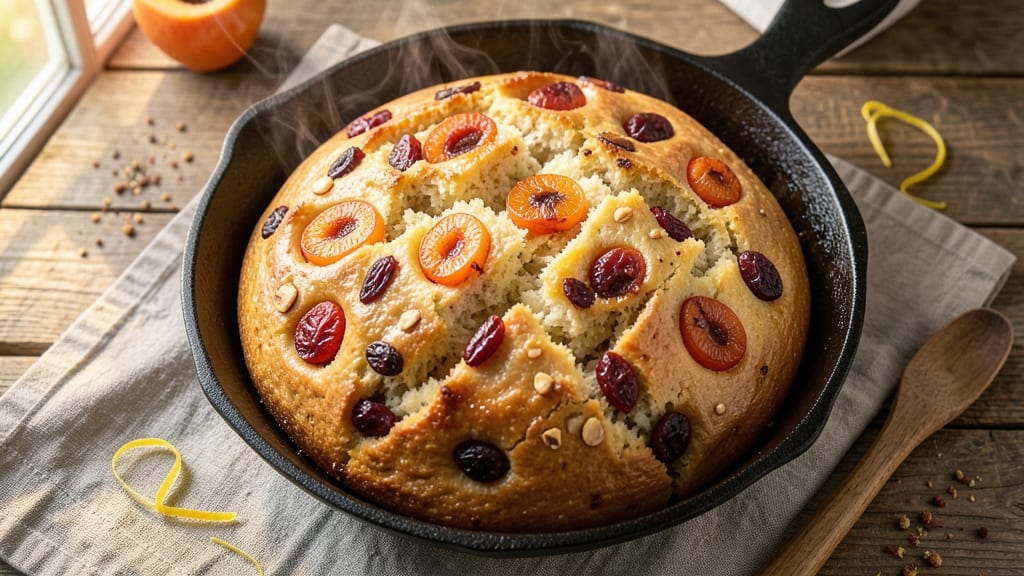
This apricot raisin bread recipe delivers a perfect balance of sweet fruit swirls and a chewy, tender crumb that feels like a hug in every bite. The secret lies in soaking the dried apricots and raisins—this transforms them from chewy to plump, bursting with flavor while keeping the dough moist.
I’ve baked this loaf for years, and it’s always the first to disappear, whether sliced warm with butter or packed for lunches.
What sets this recipe apart is the foolproof method that ensures a light, airy texture without requiring advanced baking skills. The dough comes together in just 15 minutes, then rises while you prep the fruit filling—no rushing, no stress.
The apricot raisin mixture gets folded into the dough in a way that creates pockets of sweetness with every slice, while a touch of cinnamon adds warmth that ties everything together.
By the time it emerges from the oven, you’ll have a golden-brown loaf with a crackly crust and a tender interior speckled with juicy fruit. The aroma alone—warm apricots, caramelized sugar, and a hint of vanilla—will have everyone gathering around the table.
This bread is versatile enough for breakfast, dessert, or a sweet snack, and it freezes beautifully for when inspiration (or time) runs short.
The best part? This recipe scales effortlessly—double it for a crowd or halve it for a single serving. Whether you’re a seasoned baker or just starting out, the step-by-step instructions will guide you to a loaf that tastes like it came from a bakery. Let’s get baking!
Ingredients for apricot raisin bread
Pantry staples plus a few fruit swirls—this dough comes together faster than you can say 'golden crust'.
| Ingredient | Amount | Notes |
|---|---|---|
| All-Purpose Flour 🌾 | 4 cups | Sifted for light texture |
| Granulated Sugar 🍚 | ¾ cup | White or light brown |
| Packed Brown Sugar 🍚 | ¼ cup | For caramelized depth |
| Unsalted Butter 🧈 | ½ cup | Softened to room temperature |
| Large Eggs 🥚 | 1 whole | Room temperature preferred |
| Active Dry Yeast 🍞 | 2 ¼ tsp | Or 1 packet instant yeast |
| Milk 🥛 | ½ cup | Warm to 110°F |
| Vanilla Extract 🍯 | 1 tsp | Pure vanilla preferred |
| Ground Cinnamon 🌿 | 1 ½ tsp | For warm spice notes |
| Salt 🧂 | ½ tsp | Kosher or sea salt |
| Dried Apricots 🍑 | 1 cup | Chopped, unsulfured |
| Raisins 🍇 | 1 cup | Golden or regular |
| Orange Zest 🍊 | 1 tbsp | Brightens the fruit |
| Granulated Sugar 🍚 | ¼ cup | For fruit mixture |
| Brandy or Rum 🍷 | 1 tbsp | Optional for depth (or water) |
The dried apricots and raisins are game-changers here—unsulfured is key for better flavor. I grab mine from the bulk bins at Whole Foods or Trader Joe's because they're fresher than the packaged kind. Chop them roughly (no need to be precise) and soak them in warm water or the brandy for about 15 minutes—this plumps them up and makes them taste like they're fresh. The orange zest is non-negotiable; it cuts through the sweetness and makes the whole loaf smell like a bakery. For the flour, King Arthur or Bob's Red Mill are my go-tos—they bake up lighter than store-brand stuff.
No brandy? Water or orange juice works just fine—don't stress about it. Short on raisins? Dried cranberries or chopped dates add a nice twist. The cinnamon can be swapped for cardamom or nutmeg if you're feeling fancy, but stick with cinnamon for that classic apricot raisin vibe. If your yeast is old (or you're unsure), test it in warm milk first—it should foam in 5-10 minutes. The butter needs to be soft but not melted; if it's too cold, your dough will be tough. Trust me on this one: room temperature butter is worth the wait.
This dough is forgiving, but it's best to let it rise in a lightly greased bowl for about 1-1.5 hours until puffy. The fruit mixture can be prepped ahead and stored in the fridge for 2 days—just fold it in right before baking. The loaf keeps well wrapped at room temp for 2 days or in the fridge for 5 days. For longer storage, freeze the baked loaf (wrapped tightly) for up to 3 months. I like to slice it and freeze individual portions—perfect for quick toast or lunches.
Why You'll Love This Recipe
- No-Fuss Mix-In: I swear by this recipe because you don’t need to chop anything—just toss in dried apricots and raisins straight from the pantry. The brown sugar’s caramel depth and butter’s richness do all the flavor work while you mix in five minutes flat.
- Sweet-Savory Magic: That combo of tart dried apricots and sweet raisins with just a whisper of cinnamon? It’s like dessert and breakfast had a baby. The eggs and butter make it moist, but the sugars keep it from being heavy—trust me, it’s the kind of bread you’ll reach for at 3 p.m. on a slow day.
- Weekend Project: Make a loaf on Saturday, and you’ll have breakfast, snacks, or even a light dessert covered through Wednesday. Honestly, I’ve even packed it for lunch—it holds up beautifully, and the fruit keeps it from getting stale too fast.
- Budget Breakfast Win: All-purpose flour, sugar, butter, and eggs are pantry staples, and dried fruit stretches further than fresh. I’ll be real: this costs me about half what store-bought brioche does, but it’s way more interesting. Plus, the leftovers? They’re the reason I don’t stress about grocery runs.
Step-by-step instructions for apricot raisin bread
Let's make this sweet, chewy loaf with perfect fruit swirls and a tender crumb.
Activate the Yeast and Prepare the Dough
In a small bowl, combine the 0.5 cup warm milk (about 110°F) with the 2.25 teaspoons active dry yeast and let it sit for 5-10 minutes until it becomes foamy. This foaming means your yeast is alive and ready to work—if it doesn't bubble, start over with fresh yeast.
In a large mixing bowl, whisk together the 4 cups all-purpose flour, 0.75 cup granulated sugar, 0.25 cup packed brown sugar, 1.5 teaspoons ground cinnamon, and 0.5 teaspoon salt. Make a well in the center and add the softened butter, 1 whole large egg, 1 teaspoon vanilla extract, and the yeast mixture. Mix with a wooden spoon until just combined—you'll still see dry spots, and that's okay.
Knead the Dough Until Smooth
Turn the dough onto a lightly floured surface and knead for 8-10 minutes until it's smooth and elastic. You'll know it's ready when it springs back slowly when poked. If it feels sticky, add a little more flour, but don't overdo it—you want a soft, pliable dough.
Place the dough in a lightly greased bowl, cover it with a damp towel, and let it rise in a warm place for 1-2 hours or until it doubles in size. The kitchen counter near the oven works great for this. Poke the dough gently—if it springs back slowly, it's ready. If not, give it another 30 minutes.
Prepare the Fruit Filling
While the dough rises, chop the 1 cup dried apricots into small pieces. In a small bowl, combine the chopped apricots, 1 cup raisins, 1 tablespoon orange zest, and 0.25 cup granulated sugar. Add the 1 tablespoon brandy or rum (or water) and toss until everything is evenly coated. Let this mixture sit for 10 minutes so the fruit absorbs the liquid and flavors.
This step is where the magic happens—the fruit soaks up the sugar and citrus, making it juicy and flavorful. If you skip this, your fruit will stay dry and bland. Trust me, it makes a difference!
Shape and Bake the Bread
Punch down the risen dough and divide it into two equal pieces. Roll each piece into a rectangle, about 8x10 inches. Spread half of the fruit mixture evenly over one rectangle, then roll it up tightly. Repeat with the second piece of dough and the remaining fruit mixture. Place the two rolls seam-side down in a greased 9x5-inch loaf pan.
Cover the loaf pan with a damp towel and let the dough rise for another 30-45 minutes until it's just above the rim of the pan. Preheat your oven to 350°F while the dough rises. Bake the bread for 45-50 minutes or until the top is golden brown and a toothpick inserted in the center comes out clean.
Cool and Enjoy
Remove the bread from the oven and let it cool in the pan for 10 minutes. Then, transfer it to a wire rack to cool completely. This cooling step is crucial—it allows the bread to set and makes slicing much easier. If you can't wait, slice a piece while it's still warm, but be gentle so it doesn't crumble.
Slice the bread into thick pieces and serve it warm with a pat of butter or a drizzle of honey. The fruit swirls should be juicy and sweet, with a perfect balance of cinnamon and citrus. Store any leftovers in an airtight container for up to 3 days or freeze for longer storage. Enjoy your homemade apricot raisin bread!
Pro Tips For Making Apricot Raisin Bread
- CHILL THE DOUGH: Mix the batter, then let it sit in the fridge for at least 2 hours before baking—yes, even if you’re eager. I used to skip this and ended up with a dense loaf that tasted more like cake than bread. The cold slows fermentation, helps the fruit distribute evenly, and gives you that perfect crumb.
- TOAST THE RAISINS: Spread raisins on a baking sheet and dry-toast them at 300°F (150°C) for 8–10 minutes until plump and fragrant. This step cuts through their chewiness and makes the flavor pop. (Save the drippings—they’re liquid gold for the batter.)
- WEIGH THE FLOUR: Ditch the measuring cups for a kitchen scale—1 cup of flour isn’t always 120g, and this bread relies on precision. Packed brown sugar? Use the scale for that too. I learned this after my first loaf turned out too dry; the extra volume from scooping made all the difference.
- BUTTER TEMP MATTERS: Use cold, cubed butter (not melted) when cutting it into the dry ingredients. Warm butter makes the dough too soft, and you’ll end up with a gummy loaf. Cut it into small, even pieces—think rice grains—and work fast to keep things chilled. (Your hands will thank you later.)
Wine and beer pairings for this dish
Sweet Wine Pairings
A ripe, medium-bodied Moscato d’Asti from Italy is my go-to pairing—its light effervescence and hints of peach and apricot mirror the bread’s fruit swirls beautifully. The subtle sweetness complements the caramelized crust without overpowering the cinnamon notes.
Serve it slightly chilled (45-50°F) for a refreshing contrast to the warm bread. 🍷
Spiced Red Options
For a bolder match, try a Gewürztraminer with its lychee and spice undertones—this aromatic white balances the bread’s citrus and cinnamon perfectly.
If you prefer red, a Pinot Noir with red fruit flavors and a touch of earthiness works wonders, especially if it’s from a cooler region like Oregon or Burgundy.
Beer Pairings
A crisp Belgian Witbier like Hoegaarden cuts through the richness with its citrusy notes and coriander finish. The effervescence cleanses your palate between bites of the chewy, fruity bread.
For a darker option, a honey-brown ale (like Samuel Smith’s Nut Brown Ale) enhances the caramelized sweetness with its malty depth.
After-Dinner Digestion
If you’re serving this as dessert, a Port wine (Ruby or Tawny) adds a luxurious finish. The fortified wine’s sweetness and raisin-like notes echo the bread’s dried fruit, while its alcohol content aids digestion. Keep it at room temperature to let its flavors fully develop alongside the warm bread. 🍷
Coffee or Tea?
For a non-alcoholic option, a chai-spiced latte (with cinnamon and cardamom) mirrors the bread’s warm spices. If you prefer tea, an Earl Grey with its bergamot notes provides a bright, citrusy contrast that complements the orange zest in the dough. Serve both warm for the full experience.
Nutrition facts
Frequently asked questions
Why do you soak the dried apricots and raisins?
Soaking transforms dry fruit into plump, juicy bursts of flavor! The 10-minute soak in warm liquid (or brandy) rehydrates the fruit, making each bite tender rather than chewy. This step also helps distribute the citrus and cinnamon flavors evenly throughout the dough. Skipping it results in a denser texture and less vibrant taste.
Can I make this bread without yeast?
Yes! Swap the yeast for 2 teaspoons baking powder and 1 teaspoon baking soda, and reduce the milk to 0.25 cup. Mix all dry ingredients first, then fold in wet ingredients for a quick bread version. The texture will be denser but still delicious—bake at 350°F for 35-40 minutes instead.
How do I fix dough that's too sticky?
Add flour 1 tablespoon at a time while kneading until the dough pulls away cleanly from your hands. Over-kneading adds gluten, so stop when it's smooth but still slightly tacky. For extra insurance, chill the dough for 15 minutes before shaping—this firms it up beautifully.
Can I use fresh apricots instead of dried?
Fresh apricots work but require adjustments! Chop 2 medium fresh apricots (peeled) and reduce the sugar in the fruit mixture to 0.125 cup. They release more moisture, so pat them dry before mixing. The texture will be slightly lighter, but the flavor stays vibrant. Fresh apricots also add a lovely jammy quality to each bite.
Why did my bread turn out dense?
Dense bread usually means over-kneading, expired yeast, or skipping the proofing step. Check your yeast first—it should foam in 5-10 minutes in warm milk. Also ensure the dough rises until doubled (about 1-1.5 hours) in a warm spot. For extra lightness, fold in the fruit mixture gently after the first rise rather than before.