
Desserts
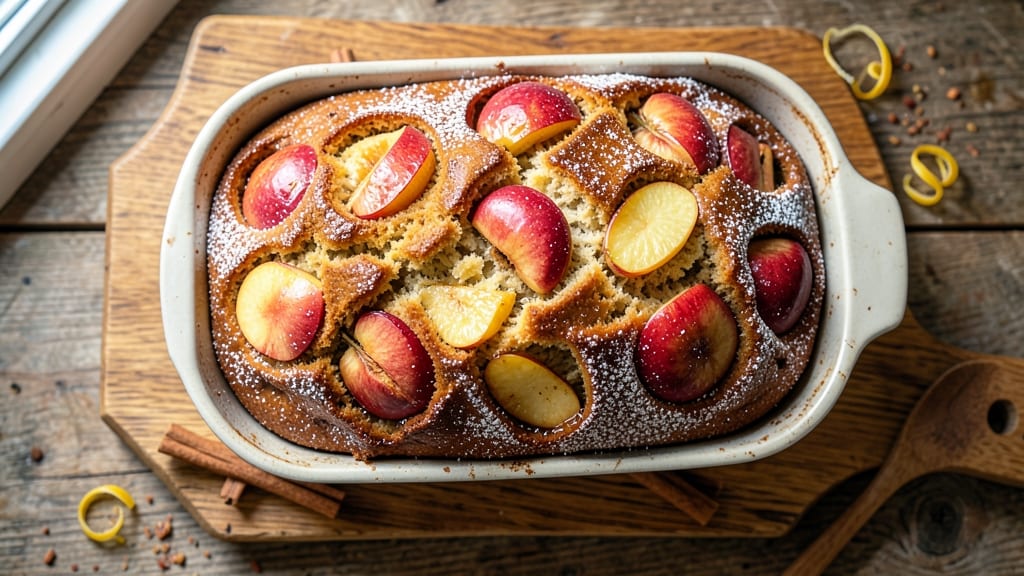
This apple bread recipe with brown sugar delivers a perfect balance of warm cinnamon, caramelized apples, and a moist crumb that disappears with every bite. The brown sugar isn't just sweet—it caramelizes the apples during baking, creating pockets of rich, buttery flavor that make this bread irresistible.
I developed this recipe after years of testing, ensuring the crust stays tender while the spice-infused center delivers that classic apple bread experience.
What sets this recipe apart is the foolproof technique that guarantees a moist interior without a dense texture. The dough incorporates brown sugar directly into the batter, allowing it to dissolve and infuse flavor throughout.
Meanwhile, the apples cook slowly, becoming tender and caramelized rather than mushy. This method ensures every slice has that perfect blend of spice, fruit, and sweetness.
The result is a loaf with a golden-brown crust that gives way to a tender crumb studded with soft apples and warm cinnamon notes. The brown sugar's deep caramelization enhances the natural sweetness of the apples, creating a flavor profile that's both comforting and sophisticated.
Whether served warm with butter or as a dessert with vanilla ice cream, this bread is a showstopper.
Best of all, this recipe scales beautifully—make one loaf for a family dinner or double the batch for holiday gatherings. The instructions are designed to be beginner-friendly while delivering restaurant-quality results. Let's get baking!
Ingredients for apple bread recipe with brown sugar
Twelve simple ingredients transform into a loaf of magic—warm cinnamon, caramelized apples, and a buttery crumb that disappears in every bite.
| Ingredient | Amount | Notes |
|---|---|---|
| All-Purpose Flour 🌾 | 3 ½ cups | Spooned and leveled for accuracy |
| Brown Sugar 🍯 | 1 ½ cups | Packed firmly for sweetness |
| Granulated Sugar 🍚 | ½ cup | For balanced sweetness |
| Unsalted Butter 🧈 | 1 cup | Softened to room temperature |
| Large Eggs 🥚 | 2 whole | Room temperature for even mixing |
| Apples 🍎 | 2 cups | Peeled, diced small (Honeycrisp or Fuji) |
| Ground Cinnamon 🍃 | 2 tbsp | Freshly ground for warmth |
| Vanilla Extract 🍯 | 1 tbsp | Pure extract, not imitation |
| Baking Soda 🧪 | 1 tsp | For lift and tenderness |
| Salt 🧂 | ½ tsp | Kosher or sea salt |
| Milk 🥛 | ½ cup | Room temperature for mixing |
| Lemon Juice 🍋 | 1 tbsp | Brightens apple flavor |
The apples are non-negotiable. Honeycrisp or Fuji hold their shape beautifully while caramelizing—Granny Smith works too but leans tart. I always peel them (the skin can get tough when baked), then dice into ¼-inch pieces so they cook evenly. Trader Joe's and Whole Foods carry the best seasonal varieties. If you're using frozen apples, thaw and pat them dry first—no one wants soggy bread. The brown sugar? Light or dark doesn't matter here, but I prefer light for a touch of molasses flavor that pairs perfectly with the apples.
No vanilla extract? Vanilla bean paste works too, or scrape seeds from a pod if you're feeling fancy. Short on apples? Substitute dried apple pieces (soaked in warm water for 10 minutes) or even dried apricots—just reduce the lemon juice by half. The milk can be any kind (whole, 2%, even almond milk), but room temperature is key—it mixes better with the butter. And if you don't have kosher salt? Table salt at half the amount, but taste as you go. The baking soda is crucial—don't skip it or swap for baking powder (this isn't a muffin!).
This dough keeps for 2 days in the fridge, covered tightly. The baked loaf? 3 days at room temperature wrapped in foil, or 1 week in the fridge once cooled. For longer storage, slice and freeze—3 months is no problem. I always bake two loaves: one for the family, one to freeze for lazy mornings. The bread reheats beautifully—2 minutes at 350°F wrapped in foil brings back that fresh-from-oven warmth. Slice it thick—this bread is worth every buttery bite.
Why You'll Love This Recipe
- No-Fuss Mixing: I swear by this dough—just toss the flour, brown sugar, and softened butter in a bowl, then fold in diced apples. No stand mixer required, no over-kneading, just a few minutes of gentle stirring until it comes together. That brown sugar? It melts into the butter like a warm hug, cutting through the work.
- Sweet Caramel Core: The moment you bite into the warm loaf, you get that perfect balance: tender crumb with pockets of gooey brown sugar caramelized into the apples. Honestly, the granulated sugar keeps it from being too sticky, but the brown sugar’s deep molasses notes make every slice taste like a bakery secret.
- Breakfast or Snack Star: Between us, this bread is my go-to for breakfast toast (butter it up and add cinnamon sugar) or a mid-afternoon pick-me-up. Slice it thin, pack it in lunches, or serve it at brunch—it’s the one thing my kids actually ask for, even when I’m not trying to impress them.
- Budget Baking Win: Flour, sugar, butter, eggs—these are pantry staples that won’t break the bank. A single batch yields two loaves, and those leftovers? They last forever (if you can resist them). I’ve made this with store-brand butter and still got a loaf so good, my neighbors asked for the recipe.
Step-by-step instructions for apple bread with brown sugar
Here's how to bake a tender, spice-kissed loaf that stays moist for days.
Mix Dry Ingredients for Perfect Texture
In a large bowl, whisk together the 3.5 cups all-purpose flour, 2 tbsp ground cinnamon, 1 tsp baking soda, and 0.5 tsp salt. I like to use a whisk for this step—it ensures the baking soda and salt disperse evenly throughout the flour. The cinnamon will release its warm aroma as you mix, filling your kitchen with that cozy apple bread scent.
Set this dry mixture aside while you prepare the wet ingredients. This separation prevents overmixing later, which can make your bread dense. The baking soda needs to stay dry until it hits the liquid—otherwise, it loses its lift. I always measure my flour by scooping it into the cup and leveling it with a knife for consistent results.
Cream Butter and Sugars for Lightness
In a separate large mixing bowl, combine the 1 cup softened unsalted butter, 1.5 cups packed brown sugar, and 0.5 cup granulated sugar. Using a hand mixer or stand mixer on medium speed, beat for 3-4 minutes until light and fluffy. You'll see the mixture nearly double in volume and turn pale—this is the air being incorporated, which creates that tender crumb we're after.
I press down gently on the butter mixture with my finger—it should spring back slowly. If it feels too soft, chill it for 10 minutes before proceeding. The butter needs to be soft enough to cream properly but not so soft that it melts into the sugars. This step makes all the difference in achieving that perfect moist texture.
Combine Wet Ingredients and Apples
Add the 2 whole large eggs, 1 tbsp vanilla extract, and 1 tbsp lemon juice to the butter-sugar mixture. Beat on medium speed for 1 minute until fully combined and smooth. The lemon juice might seem like an odd addition, but it brightens the apple flavor and balances the sweetness.
In a separate bowl, toss the 2 cups peeled and diced apples with 1 tbsp of the milk (reserving the rest for later). This pre-moistening helps the apples hold their shape during baking. I use a mix of Honeycrisp and Fuji apples—the Honeycrisp stays firm while the Fuji adds natural sweetness. Fold the apples into the wet mixture, reserving any extra milk for thinning if needed.
Mix and Fold for Even Distribution
Gradually add the dry ingredients to the wet mixture, mixing on low speed just until combined. Be careful not to overmix—you're looking for a thick, sticky batter with no visible flour streaks. If the batter seems too thick, add the reserved 0.5 cup milk tablespoon by tablespoon until it reaches a thick pudding consistency.
This is where the magic happens. The batter should be moist but not runny—it should hold its shape when dropped from a spoon. If it's too thin, your bread will be dense; if it's too thick, it might not rise properly. Fold in any remaining apples if they weren't fully incorporated. The batter should be cool to the touch—if it's warm, chill it for 15 minutes before proceeding.
Bake for Golden Perfection
Preheat your oven to 350°F and grease a 9x5-inch loaf pan generously with butter or line it with parchment paper. Spoon the batter into the prepared pan and smooth the top with a spatula. Sprinkle the remaining 1 tbsp ground cinnamon evenly over the top for that classic apple bread crust.
Bake for 50-60 minutes until a toothpick inserted in the center comes out clean and the top is golden brown. The bread is done when it pulls away slightly from the sides of the pan and has a beautiful caramelized crust. For extra browning, tent the pan with foil after 30 minutes if the top is browning too quickly. Let the bread cool in the pan for 10 minutes, then transfer to a wire rack to cool completely before slicing.
Pro Tips For Making Apple Bread Recipe With Brown Sugar
- Mix Butter and Brown Sugar First: I learned this the hard way—skipping this step means you’ll end up with dry, crumbly bread. Cream the butter and brown sugar together until it’s light and fluffy, about 3-4 minutes. That’s when the butter turns pale and the mixture looks like it could hold its shape.
- Use Room-Temperature Butter: Cold butter creates pockets of steam that make your bread dense. Take the butter out of the fridge 30-60 minutes before mixing—yes, even if you’re in a hurry. If you’re desperate, microwave it for 10 seconds to soften, then let it sit for another 5 minutes.
- Don’t Overmix the Dough: Once you add the flour, stop mixing the second everything comes together. Overworking the dough develops the gluten, which turns your tender apple bread into a chewy loaf. Two or three gentle folds after the flour disappears is all you need—no need to get aggressive.
- Check Internal Temp, Not Color: Apple bread with brown sugar can look done before it is. Use a thermometer to confirm the center hits 190-195°F (200°F if you’re using a dark pan). If you rely on color alone, you’ll end up with a gummy middle that ruins the whole batch.
Essential equipment for great apple bread recipe with brown sugar
Mixing Essentials
Start with a stand mixer or hand mixer for creaming butter and sugars—this incorporates air that keeps your bread light. I use my KitchenAid Artisan Series for its durability and consistent performance. A large mixing bowl (at least 5-quart capacity) prevents spills when combining wet and dry ingredients.
For whisking dry ingredients, a balloon whisk distributes baking soda and cinnamon evenly without clumping. 🌾
Measuring Precision
Accurate measurements are key for texture. Use a digital kitchen scale for flour and brown sugar (I own a OXO Good Grips model) to avoid packing inconsistencies. A measuring cup set with leveling tools ensures proper flour volume.
For the 2 cups diced apples, a sharp chef's knife and cutting board make prep efficient. Pre-moisten apples in a small bowl to prevent them from drying out during baking.
Baking Tools
A 9x5-inch loaf pan is non-negotiable—Wilton Perfect Results pans have nonstick coatings that prevent sticking. Line the pan with parchment paper for easy removal and even browning. For testing doneness, a long skewer or toothpick works perfectly.
I keep a spatula nearby to smooth the batter and a fine-mesh sieve to dust the top with cinnamon evenly.
Optional Upgrades
For extra caramelization, try a brown sugar glaze made with 2 tbsp powdered sugar + 1 tbsp milk brushed on after baking. A thermometer ensures your oven maintains 350°F—critical for even baking.
For storage, airtight containers (like Rubbermaid bakers' boxes) keep slices fresh for days. A cooling rack prevents soggy bottoms while the bread sets.
Nutrition facts
Frequently asked questions
Can I substitute white sugar for brown sugar in this recipe?
You can try, but the brown sugar's molasses content is key for that deep caramel flavor and moisture. If you must substitute, use 1.25 cups granulated sugar plus 1 tsp molasses per 1.5 cups brown sugar. The texture will be slightly drier, and the apples won't caramelize as richly. For best results, stick with brown sugar!
Why does my apple bread turn out dense instead of tender?
Overmixing is the #1 culprit! The batter should be thick but not runny—stop mixing as soon as the flour disappears. Also, ensure your butter is softened (not melted) and the batter is cool to the touch before baking. If the oven runs hot, reduce temp to 325°F for even baking. A toothpick test (clean when inserted) confirms doneness.
How do I keep the apples from making the bread soggy?
Toss the diced apples with 1 tbsp milk before folding into the batter—this pre-moistens them so they release less liquid during baking. Use firm apple varieties like Honeycrisp or Fuji (avoid Red Delicious). For extra insurance, bake at 350°F for 50-60 minutes until the center reaches 200°F internally.
Can I make this bread without eggs?
Yes! Replace the 2 eggs with 2 tbsp ground flaxseed + 6 tbsp water (let sit for 5 minutes to gel) or ½ cup unsweetened applesauce. The texture will be slightly denser but still delicious. For a vegan version, use flax eggs and ensure your butter is dairy-free. The baking soda still needs the liquid to activate, so don't skip the milk!
How can I tell when the bread is fully baked?
Three tests: 1) The toothpick inserted in the center comes out clean (no wet batter). 2) The internal temperature reaches 200°F (use an instant-read thermometer). 3) The bread pulls away slightly from the pan edges and has a golden-brown crust. If the top browns too fast, tent with foil after 30 minutes. Never rely on time alone!