
Desserts
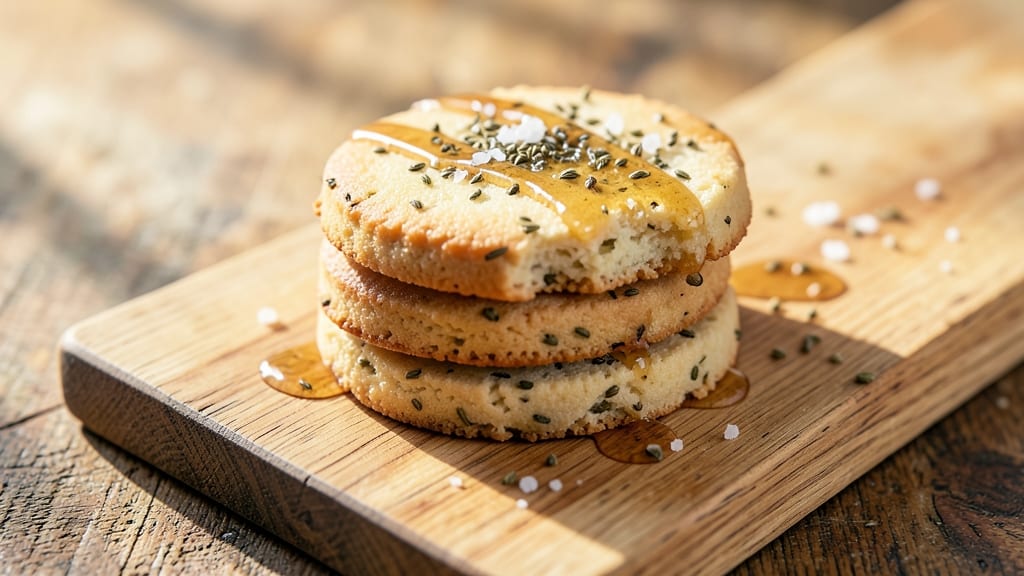
This anise shortbread cookie recipe delivers a delicate balance of licorice warmth and buttery richness, perfect for tea-time indulgence. The star ingredient—anise—adds a subtle, aromatic depth that pairs beautifully with vanilla and butter, creating cookies that are both crisp around the edges and tender inside.
What makes these stand out is the careful ratio of flour to fat, ensuring they hold their shape without becoming dense.
The process is straightforward but precise: cold butter and sugar create a crumbly dough that spreads just enough in the oven for that signature shortbread texture. Anise seeds infuse the dough with their signature licorice note, while a touch of vanilla rounds out the flavor profile.
Baking at a moderate temperature ensures even cooking, resulting in golden, aromatic cookies with a satisfying crunch.
Once cooled, these cookies develop an irresistible snap, making them ideal for pairing with a steaming cup of Earl Grey or a bold espresso. The flavor profile—sweet, aromatic, and slightly spiced—makes them a versatile treat for holidays, gift-giving, or a cozy afternoon snack.
The recipe yields about 24 cookies, so you’ll have plenty to share (or keep for yourself).
For added complexity, consider folding in citrus zest or dark chocolate chunks, but the classic version shines on its own. The key to success lies in keeping everything chilled until baking—this prevents spreading and ensures that signature shortbread texture. Ready to bake?
Ingredients for anise shortbread cookie
Eight simple ingredients transform into aromatic anise shortbread cookies with crisp edges and tender centers.
| Ingredient | Amount | Notes |
|---|---|---|
| Unsalted Butter 🧈 | 1 cup | Cold, cubed for texture |
| Granulated Sugar 🍚 | ½ cup | Superfine preferred for smoothness |
| Anise Seeds 🌿 | 2 tbsp | Whole, lightly crushed |
| Pure Vanilla Extract 🍯 | 1 tsp | High-quality for depth |
| All-Purpose Flour 🌾 | 2 cups | Sifted for light texture |
| Fine Sea Salt 🧂 | ¼ tsp | Kosher preferred for balance |
| Ground Vanilla Bean 🍯 | ½ tsp | Optional for extra depth |
| Powdered Sugar 🍚 | ¼ cup | For dusting finished cookies |
Anise seeds are the heart of this recipe—look for whole seeds at specialty markets or bulk bins for the best flavor. Penzeys or Spicewalla carry premium quality, but the grocery store variety works fine if fresh. Lightly crush them between your fingers before mixing to release their aroma without overpowering the dough. The butter must be cold (cut into cubes and chilled for 30 minutes) to prevent spreading. For vanilla, Madagascar bourbon extract adds complexity, but pure vanilla works perfectly.
No anise seeds? One teaspoon anise extract (food-grade) works in a pinch, but the texture differs slightly. Substitute 1/4 teaspoon licorice root powder for a milder effect. Short on vanilla? Almond extract at half the amount mimics the warmth. The flour should be sifted to avoid dense cookies—skip this step at your peril. For a nutty twist, fold in 1/4 cup toasted hazelnuts, finely chopped. Prefer chocolate? Add 1/2 cup dark chocolate chunks (60% cocoa or higher) to the dough.
Store dough in an airtight container in the fridge for up to 5 days—bring to room temp before baking. Cookies keep in an airtight tin for 1 week at room temperature or 3 months frozen. For extra crunch, dust with powdered sugar immediately after baking. These freeze beautifully—portion dough into balls before freezing for perfect cookies later. Reheat in a 350°F oven for 5 minutes to revive crispness if stored too long.
Why You'll Love This Recipe
- No-Fuss Magic: I swear by this recipe—just cream butter, sugar, and flour, then fold in those tiny anise seeds. No mixer, no fuss, and zero room for mistakes.
- Licorice-Like Love: That warm anise flavor? It’s like a whisper of licorice without being overpowering. The vanilla ties it all together—crisp edges, tender crumb, and just enough sweetness to make it irresistible.
- Party in a Box: These cookies freeze like a dream, so I bake a batch before holiday gatherings. Pull them out, let them soften, and boom—instant crowd-pleaser that doesn’t scream "homemade."
- Pantry Staple Power: Butter, sugar, flour—check. Anise seeds? I keep them stocked anyway for baking. No weird ingredients, no last-minute store runs, and the leftovers vanish faster than I can say "second cup of coffee."
Step-by-step instructions for anise shortbread cookies
Here's the method for creating delicate, aromatic shortbread with perfect texture and balanced anise flavor.
Create the Butter-Sugar Base
In a stand mixer fitted with the paddle attachment, combine the 1 cup cold, cubed unsalted butter and ½ cup granulated sugar. Mix on medium speed for 3-4 minutes until light and fluffy, with no visible butter pieces remaining. This creaming process incorporates air, which creates the signature tender crumb of shortbread.
I like to press the butter cubes between my fingers to ensure they're uniformly cold before mixing—this prevents the dough from becoming too soft. Watch the color as it mixes; it should become pale and nearly double in volume. If it feels too warm after mixing, chill the mixture for 10 minutes before proceeding.
Add Flavor and Dry Ingredients
Add the 2 tablespoons lightly crushed anise seeds, 1 teaspoon pure vanilla extract, and ½ teaspoon ground vanilla bean to the butter mixture. Mix on low speed for 30 seconds to distribute the flavors evenly. The crushed anise seeds will release their distinctive licorice aroma as they incorporate.
In a separate bowl, whisk together the 2 cups sifted all-purpose flour and ¼ teaspoon fine sea salt. Gradually add the flour mixture to the butter mixture, mixing on low speed just until combined. Avoid overmixing—you should still see small flour streaks when the dough comes together. The dough will be slightly crumbly but should hold when pressed.
Shape and Chill the Dough
Turn the dough out onto a lightly floured surface and gently press it together into a cohesive mass. Divide the dough into 2 equal portions and flatten each into a ½-inch thick disk. Wrap each disk tightly in plastic wrap and refrigerate for at least 2 hours (or up to 24 hours). This chilling step is crucial—it firms up the butter for clean cutting and prevents the cookies from spreading too much during baking.
While the dough chills, preheat your oven to 325°F. Line two baking sheets with parchment paper or silicone baking mats. The dough should be cold and firm when you're ready to cut the cookies—press a finger gently into the dough; it should spring back slowly rather than immediately.
Cut and Bake to Golden Perfection
Remove one disk of dough from the refrigerator and roll it out on a lightly floured surface to about ¼-inch thickness. Using a 2-inch round cutter, cut out cookies and transfer them to the prepared baking sheets, spacing them about 1 inch apart. Place any scraps between two sheets of parchment paper and re-roll for additional cookies.
Bake the cookies for 12-15 minutes until the edges are light golden brown and the centers appear slightly underbaked. The edges should look set while the centers remain soft to the touch. Rotate the baking sheets halfway through baking for even cooking. Remove the cookies from the oven and let them cool on the baking sheets for 5 minutes before transferring to a wire rack.
Finish with Powdered Sugar
While the cookies are still warm, dust them generously with the ¼ cup powdered sugar using a fine-mesh sieve. This final step adds a delicate sweetness and enhances the visual appeal of the cookies. Allow the cookies to cool completely on the wire rack before serving or storing.
The finished cookies should have a tender, crumbly texture with a subtle crunch at the edges. Each bite should deliver a balance of sweetness from the sugar, warmth from the vanilla, and a distinctive licorice note from the anise seeds. Store in an airtight container at room temperature for up to 5 days, or freeze for up to 3 months.
Pro Tips For Making Anise Shortbread Cookie
- Chill the Dough: DESCRIPTION: I learned this the hard way—skipping the fridge makes for greasy, crumbly cookies. Press the dough into a flat disc, wrap it in plastic, and refrigerate for at least 2 hours (overnight is better). This firms up the butter so it doesn’t melt into a sad puddle the second it hits the oven.
- Toast the Anise: DESCRIPTION: Raw anise seeds taste bitter and release their flavor unevenly. Lightly toast them in a dry pan over medium heat for 30 seconds until fragrant—just until you smell that warm licorice note. Let them cool before grinding or mixing, or they’ll scorch your butter.
- Don’t Overmix the Dough: DESCRIPTION: The moment flour hits butter, stop stirring. Overworking it develops gluten, and your shortbread will turn out dense instead of melt-in-your-mouth tender. Use a fork or your hands to gently fold everything together—just until combined.
- Use Cold Butter: DESCRIPTION: Room-temperature butter is the enemy of crisp shortbread. Cut the butter into small cubes and freeze it for 10 minutes before mixing—this keeps the dough cool and ensures those signature shatter-prone layers. (Yes, even if you’re impatient like me.)
Dietary considerations for these flavors
Gluten-Free Adaptation
For a gluten-free version, replace the 2 cups all-purpose flour with a 1:1 gluten-free flour blend like King Arthur Measure for Measure. Add ½ teaspoon xanthan gum to help bind the dough—this is critical for maintaining texture.
Chill the dough longer (3 hours minimum) since gluten-free flours absorb moisture differently. Bake at 325°F for 14-16 minutes to prevent over-browning. 💫
Dairy-Free Option
Swap the butter for 1 cup dairy-free margarine (like Miyoko's) or 1 cup coconut oil (solid, not melted). Use the same chilling technique to prevent excessive spread. The texture will be slightly denser but still tender.
For extra richness, add 1 tablespoon almond milk to the dough. These cookies work beautifully with herbal teas or coffee.
Nut-Free Considerations
This recipe is naturally nut-free, but double-check your vanilla extract and anise seeds for cross-contamination warnings. For added safety, use a dedicated nut-free kitchen space. The vanilla bean powder and powdered sugar are typically safe, but always verify labels.
Store cookies in a sealed container to prevent accidental exposure to allergens.
Sugar-Free Version
Reduce the granulated sugar to ¼ cup and replace the rest with ½ cup monk fruit sweetener (like Lakanto). Cut the powdered sugar to 2 tablespoons and use erythritol for dusting.
The texture will be slightly less crumbly but still delicious. For extra sweetness, add 1 teaspoon stevia glycerite to the dough. These cookies pair well with unsweetened herbal tea.
Low-Carb Friendly
Replace the flour with 2 cups almond flour (finely ground) and add ¼ cup coconut flour for binding. Reduce the sugar to ¼ cup and use 1 tablespoon erythritol for sweetness. The dough will be drier, so mix in 1 tablespoon cold water if needed.
Bake at 325°F for 12-14 minutes—these cookies are lower in carbs but still rich in flavor. 💪
Nutrition facts
Frequently asked questions
Why do anise shortbread cookies need to chill before baking?
The chilling step is essential to firm up the cold butter, which prevents excessive spreading during baking. When the dough is properly chilled, it holds its shape beautifully, giving you those classic shortbread rounds with crisp edges and tender centers. For best results, chill the dough for at least 2 hours—or even overnight for extra stability.
Can I substitute anise extract for whole anise seeds?
Yes, but the texture and flavor will differ slightly. Use 1 teaspoon anise extract instead of the whole seeds, but be aware that extracts are more concentrated. The dough may become slightly softer, and the flavor will be smoother rather than having the subtle crunch from whole seeds. For best results, lightly crush the seeds as directed in the recipe.
How do I store these cookies to keep them fresh?
Store the cookies in an airtight container at room temperature for up to 5 days to maintain their crisp texture. For longer storage, freeze the baked cookies in a single layer before transferring to a sealed container—this prevents them from sticking together. To revive their crunch after freezing, warm them in a 350°F oven for 5 minutes.
What’s the best way to cut anise shortbread for consistent shapes?
Use a 2-inch round cutter for classic shortbread shapes, but any cookie cutter will work. For clean edges, dip the cutter in flour before pressing down firmly. If the dough is too soft, chill it for another 30 minutes before cutting. To maximize yield, re-roll scraps between parchment paper with a light dusting of flour.
Can I add chocolate or citrus to these cookies?
For a chocolate twist, fold in ½ cup dark chocolate chunks (60% cocoa or higher) after mixing the dry ingredients. For citrus, add 1 teaspoon lemon or orange zest alongside the vanilla. Both additions pair beautifully with the anise flavor—just reduce the powdered sugar slightly to balance the extra richness.