
Main Courses
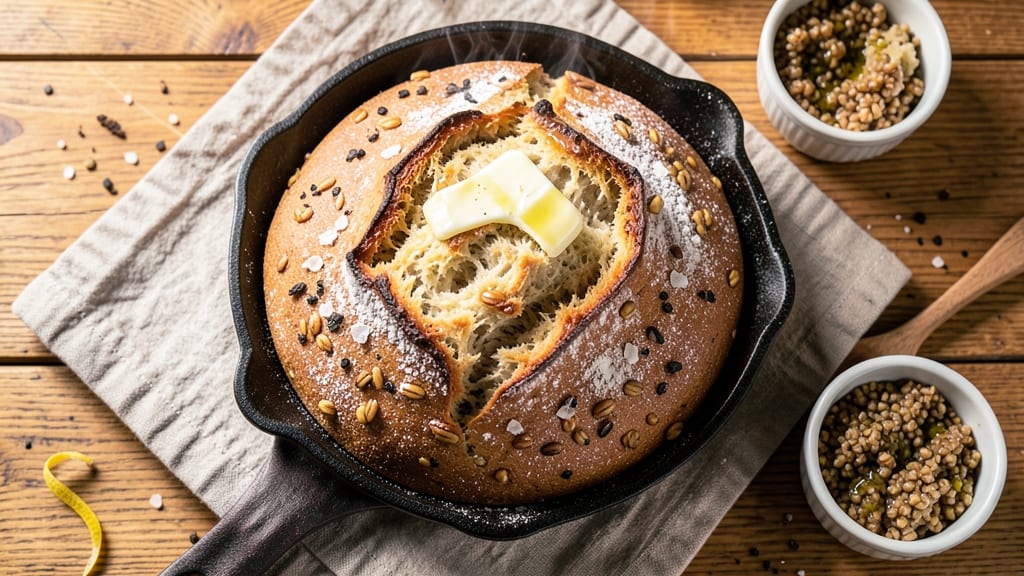
This ancient grain bread machine recipe transforms simple ingredients into a nutrient-rich loaf with deep, earthy flavor and satisfying chew—no kneading required. The secret lies in combining whole grains like farro and spelt with traditional wheat flour, creating a texture that's both hearty and tender.
My bread machine handles all the heavy lifting while you focus on the perfect crust color and aroma that fills your kitchen.
The beauty of this recipe is its versatility—the dough develops naturally in the machine, producing a loaf with a crispy crust and open crumb structure. Ancient grains add fiber, protein, and a subtle nuttiness that elevates everyday bread into something special.
Whether you're a beginner or seasoned baker, the bread machine ensures consistent results every time without the guesswork.
By the time it emerges from the machine, you'll have a golden-brown loaf with a satisfying crunch and a soft interior that's perfect for sandwiches, toast, or dipping. The earthy depth from the grains pairs beautifully with butter, jam, or even as a side for soups.
This recipe delivers restaurant-quality bread with minimal effort—ideal for busy weeknights or meal prep.
For extra flavor, consider adding seeds or herbs to the dough before baking. The machine's precise settings guarantee a perfect rise and bake, while the ancient grains keep the texture interesting. Let's get started on your first nutrient-packed loaf!
Ingredients for ancient grain bread recipe for bread machine
Four whole grains and simple pantry staples—your bread machine transforms them into a loaf with restaurant-quality depth.
| Ingredient | Amount | Notes |
|---|---|---|
| Farro 🌾 | ¾ cup | Uncooked, rinsed well |
| Spelt Flour 🌾 | 1 cup | Whole grain preferred |
| All-Purpose Flour 🌾 | 1 ½ cups | For structure and rise |
| Active Dry Yeast 🍞 | 2 ¼ tsp | Freshly measured, not expired |
| Granulated Sugar 🍚 | 1 tbsp | Feeds yeast for rise |
| Unsalted Butter 🧈 | ¼ cup | Softened, full-fat preferred |
| Large Eggs 🥚 | 1 whole | Room temperature |
| Warm Water 💧 | 1 ¼ cups | 110°F, not hot |
| Sea Salt 🧂 | 1 ½ tsp | Fine grain preferred |
| Extra-Virgin Olive Oil 🫒 | 2 tbsp | For dough elasticity |
| Honey 🍯 | 1 tbsp | For crust color and sweetness |
| Sesame Seeds 🌰 | 1 tbsp | Optional for topping |
| Poppy Seeds 🌰 | 1 tbsp | Optional for topping |
Farro and spelt are the stars here. Bob's Red Mill has the best pre-rinsed farro—saves you time and ensures no gritty texture. If you're buying whole grains, rinse them thoroughly before using. The spelt flour adds that nutty depth, but King Arthur makes it easy to find. For the all-purpose flour, I always grab Gold Medal—it's reliable for bread machine recipes. The yeast needs to be fresh, so check the date on the package. If it's been sitting in your pantry for months, toss it and grab a new packet. Warm water is key—too hot and you'll kill the yeast, too cold and it won't activate properly.
No farro? Substitute with quinoa or millet—both work well, though texture will differ slightly. Spelt flour hard to find? Wheat germ or oat flour can stretch it, but you'll lose some of that earthy flavor. The honey can be swapped for maple syrup at the same amount. For extra richness, add 1 tbsp of tahini to the dough. The seeds on top are totally optional, but they add a beautiful crunch. If you're feeling fancy, try a mix of everything bagel seasoning instead—it gives a salty, savory kick that pairs perfectly with the sweetness of the crust.
This dough keeps beautifully in the fridge for 3 days if you want to prep ahead. For longer storage, freeze the dough in a sealed bag for up to 3 months. Once baked, the loaf stays fresh at room temperature for 2 days, or you can slice and freeze it for 6 months. I always make a double batch—one for the week, one to freeze for lazy mornings. The crust gets crunchier as it cools, so let it sit for 10 minutes before slicing. Trust me, it's worth the wait.
Why You'll Love This Recipe
- Bread Machine Magic: The farro and spelt blend handles all the heavy lifting—just toss in the ingredients, press start, and walk away. No kneading, no stress, just pure convenience while your machine does the work.
- Nutty, Chewy Heaven: That farro adds a toasty, almost hazelnut depth, while the spelt gives it a satisfying bite—like a cross between sourdough and artisanal. Honestly, it’s the kind of bread that makes you pause mid-slice.
- Weeknight Workhorse: Toss it in the freezer for quick toast later, or pack it for lunches—it holds up better than most store-bought loaves. Between us, it’s my go-to for sandwiches, charcuterie, or just buttered slices when I’m too tired to think.
- Budget-Friendly Staple: Spelt and farro might sound fancy, but they stretch further than you’d think, and the yeast does all the rising work. I’ve made this loaf for dinner parties, lazy Sundays, and even as a gift—no one ever questions the price tag.
Step-by-step instructions for ancient grain bread machine recipe
Transform simple ingredients into a nutrient-rich loaf with chewy texture and nutty flavor—no kneading required.
Prepare the Ancient Grains and Hydrate the Yeast
First, rinse the 0.75 cup farro thoroughly under cold water to remove any dirt or debris. Place it in a small bowl and cover with 1.25 cups warm water (about 110°F). Let it soak for 15 minutes—this softens the farro and jumpstarts the fermentation process. You'll notice it plumps up and releases a pleasant nutty aroma.
While the farro soaks, dissolve the 2.25 teaspoons active dry yeast in ½ cup of the warm water from the farro mixture (reserve the rest for later). Stir until fully dissolved—you should see tiny bubbles forming within 1-2 minutes. This confirms the yeast is alive and ready to work its magic. If no bubbles appear after 5 minutes, your yeast may be expired, and you'll need to start over.
Mix the Dough in the Bread Machine Pan
In the bread machine pan, combine the soaked farro (with its soaking liquid), the yeast mixture, 1 cup spelt flour, 1.5 cups all-purpose flour, 1 tablespoon granulated sugar, 1.5 teaspoons sea salt, 2 tablespoons extra-virgin olive oil, and 1 whole large egg. Use a silicone spatula to scrape down the sides and bottom of the pan—this ensures even distribution and prevents dry spots.
Add the 0.25 cup softened unsalted butter last, mixing it in until fully incorporated. The dough should come together into a thick, shaggy mass. If it looks too dry, add 1 tablespoon of the reserved warm water to help bind everything. The texture should be sticky but manageable—this is perfect for bread machine dough.
Set the Bread Machine and Let It Work Its Magic
Select the "Basic White Bread" setting on your bread machine (this cycle typically includes a kneading phase followed by rising and baking). Add 1 tablespoon honey to the dough mixture—this enhances the crust color and adds subtle sweetness that complements the earthy farro and spelt. Close the lid and let the machine do its work.
During the kneading phase (usually 5-10 minutes), you'll hear the machine churning away. The dough will transform from a shaggy mass into a smooth, elastic ball that pulls away from the sides of the pan. If the dough looks too stiff after kneading, the machine will automatically add water during the rising phase. Don't peek—opening the lid releases steam and can disrupt the fermentation process.
Bake to Golden Perfection and Finish with Seeds
Once the bread machine completes its cycle (typically 3-4 hours), remove the loaf from the pan and place it on a wire rack to cool for 10 minutes. This resting period allows the bread to set and prevents a gummy crumb. While it cools, brush the top with a little extra-virgin olive oil for extra shine.
For the final touch, sprinkle 1 tablespoon sesame seeds and 1 tablespoon poppy seeds over the top. Press them gently into the crust so they stick. The seeds add a delightful crunch and visual appeal, while the olive oil enhances the bread's nutty flavors. Serve warm for the best texture—each slice will be chewy with a crisp crust and packed with ancient grain goodness.
Pro Tips For Making Ancient Grain Bread Recipe For Bread Machine
- Soak the Farro First: Skip the bread machine’s liquid pre-mix—soak the farro in warm water (1:2 ratio) for at least 2 hours before adding it to the machine. I learned this the hard way: dry farro absorbs dough moisture like a sponge, leaving you with a dense brick instead of airy bread. The extra liquid in the soak also helps the yeast wake up faster.
- Use Less Sugar: Cut the granulated sugar by half—this recipe doesn’t need it to rise. Too much sugar feeds the yeast too aggressively, then crashes mid-bake, leaving you with a gummy center. I used to double-check the recipe, but now I just halve it unless I’m making sweet bread.
- Knead Longer Than Expected: Let the bread machine run the full kneading cycle, even if it feels overkill. Ancient grains like spelt and farro need extra time to develop gluten—cutting it short gives you a chewy, dense loaf. I was skeptical until I tried it: the difference between 30 and 60 minutes of kneading is night and day.
- Add Oil to the Dough: Toss in 1 tablespoon of neutral oil (like vegetable or canola) with the wet ingredients. It keeps the spelt flour from absorbing too much moisture and prevents a dry crust—something I only noticed after my first batch turned out like a cracker. It’s not in most recipes, but it makes a real difference.
Perfect pairings for this recipe
Buttery Spreads
Nothing complements the nutty depth of ancient grain bread like a rich, well-seasoned butter. I love spreading European-style cultured butter (like Plugrá) on warm slices—its tangy notes cut through the earthy flavors beautifully.
For extra indulgence, mix in 1 teaspoon honey and a pinch of sea salt before spreading. The honey enhances the bread's subtle sweetness while the salt balances the richness. 🧈
Sweet Toppings
This bread's natural sweetness makes it perfect for jam pairings. Try raspberry or apricot jam—their tartness contrasts wonderfully with the bread's nuttiness. For a healthier option, spread almond butter on a slice and top with banana slices.
The combination of creamy almond butter and ripe banana creates a satisfying breakfast or snack. Don't overlook fig jam either—its intense flavor pairs exceptionally well with the bread's complex grain profile.
Savory Pairings
For a savory twist, serve slices with sharp cheddar cheese and apple slices for a classic grilled cheese. The bread's chewy texture holds up perfectly to melting cheese.
Another favorite is pairing with prosciutto di Parma and fresh mozzarella—the salty cured meat and creamy cheese create a perfect balance against the bread's earthy notes. For a vegetarian option, try hummus with roasted red peppers and a sprinkle of za'atar.
The Mediterranean flavors complement the ancient grains beautifully.
Beverage Pairings
A cold green tea with a hint of honey enhances the bread's nutty flavors without overpowering them. The tea's slight bitterness balances the sweetness perfectly. For coffee lovers, a medium-roast Arabica with a touch of cinnamon in your brew creates a cozy pairing.
If you prefer something warm and comforting, a spiced chai latte made with cardamom and ginger complements the bread's earthy depth wonderfully. For a refreshing contrast, try a sparkling water with lemon—the effervescence cuts through the richness of the bread.
Meal Pairings
This bread makes an excellent side for hearty soups like lentil or minestrone. Its chewy texture soaks up broth beautifully while adding a satisfying bite. For sandwiches, use it as the base for a Caprese sandwich with fresh mozzarella, tomatoes, basil, and a drizzle of balsamic glaze.
The bread's structure holds up perfectly to the juicy ingredients. Another great option is pairing with smoked salmon, cream cheese, and fresh dill for a brunch-worthy open-faced sandwich. The ancient grains add a satisfying weight that keeps you full longer.
Breakfast Combinations
Transform your morning routine by toasting slices and topping with Greek yogurt, sliced almonds, and a drizzle of maple syrup. The bread's chewy texture contrasts perfectly with the creamy yogurt.
For a savory breakfast, try topping with scrambled eggs, crispy bacon, and a sprinkle of fresh chives. The bread's nutty flavor adds depth to the classic breakfast combo.
Another favorite is making French toast using this bread—its dense texture holds up beautifully to the custard mixture, resulting in a rich, flavorful bite. 🍳
Nutrition facts
Frequently asked questions
Can I substitute farro with another grain in this recipe?
Yes! If you can't find farro, try quinoa or millet—both work well in bread machines. For texture, use 0.75 cup cooked quinoa instead of raw farro. However, farro gives the best nutty depth. If you're avoiding gluten, buckwheat flour can replace up to 1 cup of the all-purpose flour, though the texture will be denser.
Why does my bread machine dough look too sticky?
The dough should be sticky but manageable. If it's overly wet, your bread machine may add less water during the cycle. Try reducing the warm water by 1 tablespoon next time. For extra insurance, chill the dough in the pan for 10 minutes before starting the cycle—this helps it firm up slightly. If it's still too sticky, add 1 tablespoon extra spelt flour and mix well.
How do I adjust this recipe for a smaller bread machine?
Most bread machines handle this recipe fine, but if yours is 1.5 pounds or less, reduce the dough by 25%. Cut the farro to 0.5 cup, spelt flour to 0.75 cup, and all-purpose flour to 1 cup. Keep all other ingredients proportional. The texture will be slightly denser, but still delicious. Always check your machine's manual for maximum dough capacity.
Can I add herbs or spices to this ancient grain bread?
For extra flavor, mix in 1 teaspoon dried rosemary or 1 tablespoon fresh herbs (like thyme or basil) with the dry ingredients. For warmth, add ½ teaspoon cinnamon or ½ teaspoon smoked paprika. Just be mindful not to overpower the bread's natural earthy notes. The seeds on top also make a great place to sprinkle extra herbs for visual appeal.
What if my bread comes out too dense?
Dense bread often happens when the dough doesn't rise properly. First, check your yeast—it must be fresh. Next time, ensure your warm water is exactly 110°F (not hotter). If the bread still turns out dense, try adding 1 extra tablespoon of honey to the dough—this helps with browning and rise. Also, make sure your bread machine is on a level surface during the cycle to prevent uneven rising.