
Side Dishes
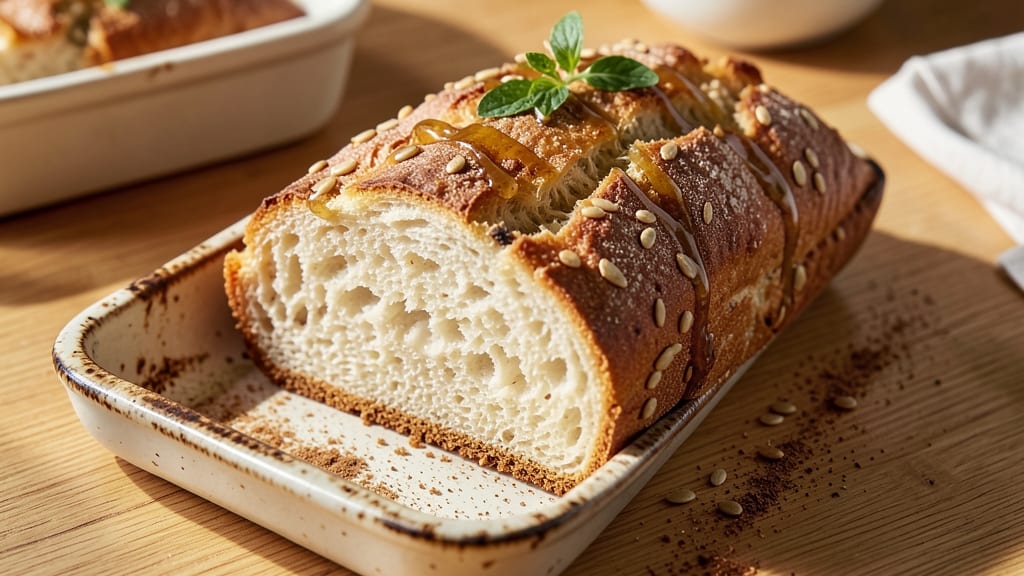
This Ana's fasting bread recipe delivers warm, spiced comfort without crust, eggs, or dairy—perfect for traditional fasting or plant-based diets. 🌟 The secret lies in simple ingredients that transform into a tender, aromatic loaf with every bite, inspired by centuries-old traditions of nourishing bread.
No kneading required, just mix, rest, and bake for a foolproof result that feels indulgent yet light.
The beauty of this recipe is its versatility—it works for Lenten fasting, vegan diets, or anyone craving hearty bread without animal products. Warm spices like cinnamon and nutmeg infuse the dough with cozy depth, while a touch of apple cider vinegar ensures a perfectly light crumb.
The bread stays fresh for days, making it ideal for meal prep or sharing.
What sets this apart is the crustless texture—soft, pillowy, and slightly sticky, almost like a cross between focaccia and brioche, but without eggs or butter.
The aroma filling your kitchen as it bakes will have everyone asking for seconds, proving that fasting-friendly bread can be just as satisfying as it is nourishing.
Whether you're observing a fast, reducing animal products, or simply seeking a simple, comforting loaf, this recipe delivers. Let's get baking—your taste buds (and fasting rules) will thank you.
Ingredients for ana's fasting bread
Twelve simple ingredients transform into a tender, aromatic loaf perfect for fasting traditions.
| Ingredient | Amount | Notes |
|---|---|---|
| All-Purpose Flour 🌾 | 4 cups | Unbleached preferred for lighter texture |
| White Whole Wheat Flour 🌾 | 1 cup | Adds subtle nutty depth without heaviness |
| Active Dry Yeast 🍞 | 1 tbsp | Ensure freshness (test in warm water) |
| Granulated Sugar 🍚 | ½ cup | White or light brown preferred |
| Ground Cinnamon 🌿 | 1 ½ tsp | Freshly ground for optimal aroma |
| Ground Nutmeg 🌿 | ½ tsp | Freshly grated preferred |
| Apple Cider Vinegar 🍏 | 1 tbsp | Unfiltered for tangy depth |
| Olive Oil 🫒 | ½ cup | Extra-virgin for richness |
| Warm Water 💧 | 1 ¼ cups | 110°F for optimal yeast activation |
| Salt 🧂 | 1 ½ tsp | Diamond Crystal preferred |
| Ground Ginger 🌿 | ½ tsp | Freshly ground for warmth |
| Cardamom Pods 🌿 | 4 whole | Lightly crushed for subtle floral note |
The flours are the foundation—King Arthur or Bob's Red Mill for all-purpose, and Bob's Red Mill white whole wheat for subtle nutty depth. Yeast quality matters here: Fresh yeast (packaged within 4 months) activates faster than dried. The warm water should be between 110-115°F—too hot kills the yeast, too cool slows activation. For the spices, Penzeys Spices offers excellent pre-ground options, but freshly grinding nutmeg and cardamom in a coffee grinder elevates the flavor profile. The apple cider vinegar should be unfiltered for that authentic tang that lightens the crumb.
No yeast on hand? Instant yeast works at half the amount, and apple cider vinegar can be swapped for white vinegar in a pinch. Substituting whole wheat flour? Use 1:1 ratio but add 1 extra tbsp water—it absorbs more moisture. The spices are non-negotiable for authenticity, but if cardamom proves elusive, a pinch of allspice provides a similar warmth. For the olive oil, avoid light-tasting oils—you want that peppery richness to shine through in the finished loaf. The sugar can be omitted entirely for a more traditional fasting loaf, though it does contribute to that tender crumb.
This dough rises best at 75°F in a warm oven with a bowl of hot water—creates a perfect proofing environment. Once baked, the loaf stays fresh for 4-5 days wrapped in a clean kitchen towel, or 3 months frozen in slices. For reheating, wrap cooled slices in foil and warm at 350°F for 5-7 minutes—restores that fresh-baked aroma. The crustless texture makes it ideal for toasting or serving with soups, where it soaks up flavors beautifully without becoming soggy.
Why You'll Love This Recipe
- No-Knead Magic: I swear by this dough—just mix, let it rise, and bake. No roller, no fuss, no stress. The yeast does all the work while I sip coffee and scroll.
- Cinnamon-Sugar Hug: That whisper of ground cinnamon and touch of sugar? It’s like a warm blanket for your taste buds. The whole wheat flour adds just enough heartiness to balance the sweetness without overpowering it.
- Breakfast to Snack: Toast it for breakfast, tear it for lunch, or pack slices for a picnic. It’s my go-to for when I’m starving but don’t want to cook—plus, the combo of all-purpose and whole wheat makes it sturdy enough for jam and savory toppings.
- Budget Staple: A loaf costs pennies to make, but it disappears fast. I bake two batches on Sundays—one for the week, one for freezing. No sad, stale bread here; it stays fresh for days.
Step-by-step instructions for Ana's fasting bread
Here's the method—simple, reliable, and perfect for warm spice lovers.
👨🍳 Step 1: Activate the Yeast with Warm Water and Vinegar
In a small bowl, combine the 1.25 cups warm water (tested at 110°F—yeast should activate within 5-10 minutes) with the 1 tbsp apple cider vinegar and 1 tbsp active dry yeast. Let it sit for 5 minutes until frothy. This step ensures your yeast is alive and ready to work.
I always test the water temperature with my finger—it should feel warm but not hot. If the mixture doesn't bubble after 10 minutes, your yeast may be inactive. In that case, start fresh with new yeast and warm water.
👨🍳 Step 2: Mix Dry Ingredients and Combine with Wet
In a large mixing bowl, whisk together the 4 cups all-purpose flour, 1 cup white whole wheat flour, 1.5 tsp salt, 1.5 tsp ground cinnamon, 0.5 tsp ground nutmeg, 0.5 tsp ground ginger, and the 4 lightly crushed cardamom pods. This blend of spices will give your bread its signature warmth.
Create a well in the center and pour in the yeast mixture, 0.5 cup granulated sugar, and 0.5 cup olive oil. Using a wooden spoon, gently mix until a shaggy dough forms. Avoid overworking it at this stage—just combine everything until it starts to come together.
🥘 Step 3: Knead Until Smooth and Elastic
Turn the dough onto a lightly floured surface and knead for 8-10 minutes until smooth and elastic. You'll know it's ready when it springs back slowly when poked. The dough should feel slightly tacky but not sticky—add a little more flour if needed, but don't overdo it or the bread will be dense.
I like to use the "windowpane test" here: stretch a small piece of dough thin enough to see light through it without tearing. This ensures proper gluten development for a light, airy texture. If the dough tears easily, knead for another 2-3 minutes.
⏰ Step 4: First Rise for Flavor Development
Place the dough in a lightly oiled bowl, cover with a damp towel, and let it rise in a warm place for 1-1.5 hours or until doubled in size. The kitchen should be warm—75-80°F is ideal. If your kitchen is cooler, place the bowl near a warm oven with the light on.
During this time, the dough will develop its signature spiced aroma. Don't rush this step—proper rising time ensures a light, tender crumb. Poke the dough gently; if it springs back slowly, it's ready. If it springs back quickly, give it another 20-30 minutes.
🔥 Step 5: Shape, Second Rise, and Bake to Perfection
Punch down the dough to release air, then shape it into a 9x5-inch loaf pan. Brush the top with a little olive oil and sprinkle with a pinch of cinnamon for extra flavor. Cover again and let it rise for another 30-45 minutes until it domes slightly above the pan.
Preheat your oven to 350°F. Bake the bread for 35-40 minutes until the top is golden brown and the internal temperature reaches 190°F. Tap the loaf gently—it should sound hollow. If the top browns too quickly, tent it loosely with foil after 20 minutes to prevent over-browning.
Remove from the oven and let it cool in the pan for 10 minutes before transferring to a wire rack. The bread will continue to set as it cools, making it easier to slice. For the best texture, serve it warm with a pat of butter or a drizzle of honey.
Pro Tips For Making Ana'S Fasting Bread
- Bloom the Yeast Right: Skip the guesswork—mix the yeast, warm water (110°F), and sugar first, then wait exactly 5–10 minutes until it bubbles like champagne. Cold water kills it; hot water cooks it. I learned this the hard way when my bread turned dense as a brick.
- Weigh Your Flours: Ditch the scoop—use a kitchen scale for the all-purpose and white whole wheat flour. Volume measurements lie, especially with whole wheat’s bulk. A 1% difference in flour weight throws off texture. (Yes, even if you’re impatient like me.)
- Cinnamon First, Then Mix: Whisk the ground cinnamon into the dry ingredients before adding wet. This prevents clumps and ensures even distribution—no one wants a bite that’s bitter or bland. Sounds weird, but it works: my bread’s spice flavor became consistent overnight.
- Proof Until It Jiggles: Don’t rush the final rise—poke the dough with a finger. If it springs back slowly (not fast) and leaves a faint indent, it’s ready. Overproofed dough collapses; underproofed dough stays dense. (Your future self will thank you for the extra 20 minutes.)
Dietary considerations for ana's fasting bread
Gluten-Free Adaptations
While this recipe uses traditional wheat flours, you can adapt it for gluten-free diets by substituting 1:1 gluten-free flour blends like King Arthur Measure for Measure or Bob's Red Mill 1-to-1.
Replace both all-purpose and whole wheat flours with 5 cups total gluten-free blend, and add 1 extra tbsp xanthan gum to improve elasticity. The dough will be stickier, so wet your hands when shaping. 🌾
Vegan and Egg-Free
This bread is already naturally vegan and egg-free, making it perfect for fasting traditions or plant-based diets. The yeast activates without eggs, and olive oil replaces butter.
For extra richness, add 1 tbsp ground flaxseed mixed with 3 tbsp water to the wet ingredients—this creates a flax "egg" that adds moisture and binding. The result is just as tender and satisfying.
Low-Sugar Options
For a more traditional fasting loaf, reduce the sugar to ¼ cup or omit it entirely. The apple cider vinegar and spices still create a sweet, aromatic flavor without refined sugar. If you omit sugar, increase the cinnamon to 2 tsp for deeper warmth.
The bread will be slightly denser but still delicious, especially with soups or stews where it soaks up flavors beautifully.
Nut-Free and Seed-Free
This recipe is already nut-free and seed-free, making it safe for those with allergies. The spices and flours provide all the texture and flavor needed. If you're concerned about cross-contamination, use dedicated utensils and bowls.
The bread's crustless texture makes it ideal for allergy-friendly diets, as it won't crumble or release particles like some crusty breads.
Refined Sugar-Free
Swap the granulated sugar for ½ cup maple syrup or coconut sugar to keep the recipe refined sugar-free while maintaining moisture. Maple syrup adds subtle depth, while coconut sugar caramelizes slightly for a toasty note.
Both options work well in the dough and won't alter the bread's light texture. For a completely sugar-free version, omit it entirely and rely on the spices for sweetness.
Storage and Freezing
This fasting bread stays fresh for 4-5 days wrapped in a clean kitchen towel at room temperature, or 1 week in an airtight container. For longer storage, slice the cooled loaf and freeze in quart-sized freezer bags for up to 3 months.
To reheat, wrap slices in foil and warm at 350°F for 5-7 minutes—restores that fresh-baked aroma without drying it out. 💫
Nutrition facts
Frequently asked questions
Can I make this fasting bread without a loaf pan?
For a free-form shape, shape the dough into a round or oval and place it on a parchment-lined baking sheet. Brush with olive oil and sprinkle with cinnamon. Bake at 350°F for 30-35 minutes until golden. The texture will be slightly denser but still tender—perfect for serving with soups or stews.
Why does my dough smell so strong during rising?
The warm spices—especially cinnamon, nutmeg, and cardamom—intensify during fermentation, creating that rich, aromatic scent. This is normal and actually indicates the spices are working! If the smell seems overly sharp, reduce the rising time slightly (aim for 45 minutes instead of 1-1.5 hours). The flavor mellows beautifully as it bakes.
How can I tell if the bread is fully baked?
Look for three signs: the internal temperature should reach 190°F (use a thermometer), the top should be golden brown, and it should sound hollow when tapped gently. If the top browns too quickly, tent with foil after 20 minutes. The bread continues to set as it cools, so don't rush removing it from the oven!
Can I add dried fruit to this recipe?
Yes, but add it during the final shaping step to prevent sinking during rising. Use ½ cup chopped dried apricots or raisins (soaked in warm water for 10 minutes first). Fold them gently into the dough before placing it in the pan. The fruit adds natural sweetness that pairs beautifully with the spices—just reduce the sugar to ¼ cup to balance flavors.
What's the best way to revive stale fasting bread?
Slice the bread and wrap tightly in foil. Warm at 350°F for 5-7 minutes—the steam from the foil restores moisture and that fresh-baked aroma. For extra crispiness, toast slices in a dry pan over medium heat for 1-2 minutes per side. Store cooled slices in an airtight container with a slice of apple or lemon to keep them soft longer.