
Side Dishes
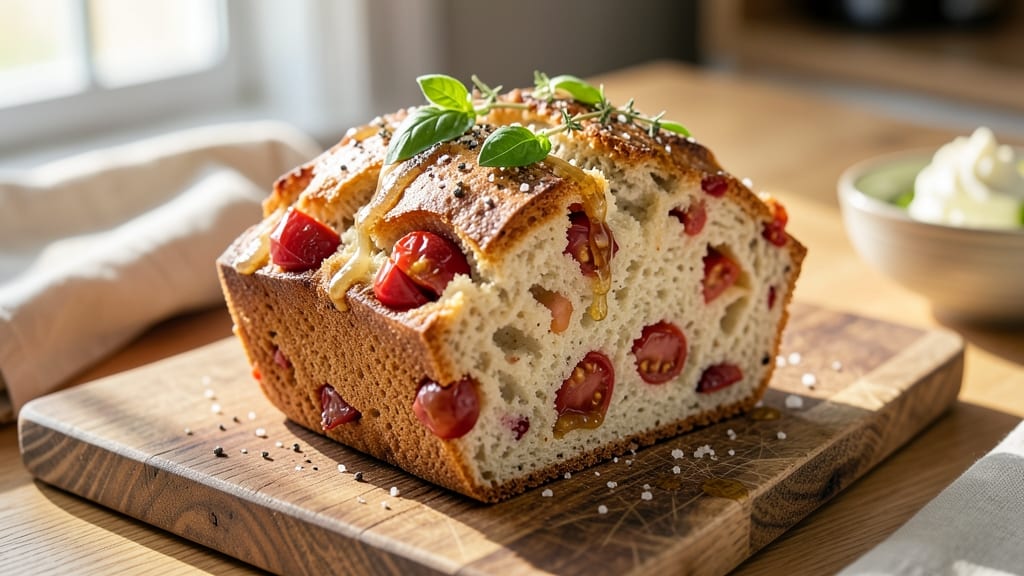
This Amish tomato bread recipe delivers the perfect balance of sweet-tangy tomato swirls and a golden, crusty exterior that's impossible to resist. 🌟 What makes this recipe special is its simplicity—just a few basic ingredients transform into a bread so flavorful, it becomes the star of any meal.
The secret lies in the dough's texture: soft yet sturdy enough to hold those juicy tomato pockets without falling apart.
Unlike traditional bread recipes, this version incorporates fresh tomatoes directly into the dough, creating bursts of flavor with every bite. The bread bakes up with a crusty exterior that contrasts beautifully with the tender, slightly chewy interior.
What's more, it requires no special equipment—just a mixing bowl, a baking pan, and about 45 minutes of hands-off time.
By the time it emerges from the oven, you'll have a loaf that's fragrant, visually striking, and packed with flavor—ready to be sliced and served warm with butter or jam.
The sweet-tangy tomato swirls add a unique twist that sets this bread apart from classic varieties, making it a conversation starter at any table.
Perfect as a side dish for brunch or a centerpiece for holiday gatherings, this recipe proves that simple ingredients can yield extraordinary results. Let's get started on creating your own batch of this beloved Amish classic.
Ingredients for amish tomato bread
Fresh tomatoes and basic pantry staples create this iconic bread with golden crust and sweet-tangy swirls.
| Ingredient | Amount | Notes |
|---|---|---|
| All-Purpose Flour 🌾 | 4 cups | Sifted for light texture |
| Fresh Tomatoes 🍅 | 1 ½ lbs | Roma or vine-ripened, chopped |
| Granulated Sugar 🍚 | ¼ cup | White or light brown |
| Active Dry Yeast 🍞 | 0.03 oz | 1 packet (2.25 tsp) |
| Warm Water 💧 | 1 ¼ cups | 110°F (43°C) for activation |
| Unsalted Butter 🧈 | ½ cup | Cold, cubed for dough |
| Large Eggs 🥚 | 1 whole | Room temperature |
| Diamond Crystal Kosher Salt 🧂 | 1 tsp | Adjust to taste |
| Extra-Virgin Olive Oil 🫒 | 0.03 cup | For dough and brushing |
| Cornmeal 🌽 | ¼ cup | For dusting pan |
| Coarse Sea Salt 🧂 | ½ tsp | For crust sprinkling |
The tomatoes make or break this recipe—Roma or vine-ripened varieties hold their shape best. Local farmers markets often have perfect specimens in summer, while Trader Joe's carries reliable Roma year-round. Look for tomatoes that are firm but yield slightly to pressure, with vibrant color—no green shoulders. If using heirloom varieties, chop them into slightly larger pieces to maintain texture contrast. The yeast is non-negotiable: Freshness matters—check the expiration date and store unused portions in the freezer for up to 3 months.
No Roma tomatoes? Cherry tomatoes work in a pinch, but reduce to 1 cup and crush them thoroughly. Substituting canned tomatoes? Drain well and pat dry—excess moisture disrupts the dough structure. The butter should be cold and cubed when added to prevent overdevelopment. For a dairy-free version, use vegan butter or coconut oil, though texture may vary slightly. The olive oil's quality impacts flavor—California extra-virgin brands like Corto or Otto elevate the final product. If you're short on time, instant yeast can replace active dry yeast at the same weight.
This dough requires 2 hours of rising time—don't rush it. Store any unused dough in the fridge for up to 24 hours, allowing it to come to room temperature before baking. The baked loaf keeps well wrapped at room temperature for 3 days, though it's best served fresh. For longer storage, freeze slices wrapped in parchment for up to 3 months. Reheat slices in a 350°F (175°C) oven for 5-7 minutes to restore that perfect crusty texture. The tomato swirls soften over time, so enjoy within 2 days for optimal flavor.
Why You'll Love This Recipe
- No-Knead Magic: I swear by this recipe—just mix the dough, let it rise overnight, and wake up to the best smell in the kitchen. The yeast does all the work while I sleep, and honestly? That’s my kind of baking.
- Sweet-Tart Bite: The sugar caramelizes those fresh tomatoes right into the dough, giving every bite a perfect balance—like a jammy, chewy hug. It’s not too sweet, not too tangy, just right.
- Picnic Perfect: Between us, this bread is my go-to for potlucks, church gatherings, or even a lazy Sunday brunch. It’s sturdy enough to hold up to sandwiches or just tear apart for dipping—no fancy plates required.
- Pantry-Friendly Staples: I keep all the ingredients on hand—flour, sugar, yeast—so this never feels like a special occasion. And the leftovers? They stay fresh for days, making it my secret weapon for busy weeks.
Step-by-step instructions for Amish tomato bread
Transform simple ingredients into a rustic loaf with sweet-tangy tomato swirls and a golden crust.
👨🍳 Step 1: Prepare the Tomato Filling
In a medium bowl, combine the 1.5 lbs fresh tomatoes with the 0.25 cup granulated sugar and 1 tsp diamond crystal kosher salt. Mash the tomatoes with your hands or a fork until you achieve a chunky, pulp-like consistency with small pieces remaining—this texture ensures flavor distribution without making the filling too wet. Let the mixture sit for 10 minutes to allow the sugars to draw out excess moisture.
Here's the thing—don't skip the sugar. It balances the acidity of the tomatoes and helps thicken the filling during baking. After resting, the mixture should be thick enough to hold its shape when spooned but still spreadable. If it's too wet, strain out excess liquid through a fine-mesh sieve before proceeding.
👨🍳 Step 2: Activate the Yeast and Mix the Dough
In a separate large bowl, whisk together the 1.25 cups warm water (test temperature with your finger—it should feel warm but not hot to the touch) and the 0.03 oz active dry yeast. Let this mixture sit for 5-10 minutes until it becomes frothy and bubbly. This confirms your yeast is active and ready to work.
Add the 4 cups all-purpose flour, 0.5 cup unsalted butter (cut into small cubes), 1 whole large egg, and 0.03 cup extra-virgin olive oil to the yeast mixture. Using a wooden spoon or dough whisk, stir until a shaggy dough forms. The butter should be cold enough to create resistance—this prevents overdevelopment of gluten and ensures a tender crumb.
🥘 Step 3: Knead and Incorporate the Tomato Filling
Turn the dough onto a lightly floured surface and knead for 8-10 minutes until smooth and elastic. You'll know it's ready when it springs back slowly when poked. Divide the dough into two equal portions and flatten each into a 12-inch circle about ½-inch thick. Spread ¾ of the tomato mixture evenly over each circle, leaving a ½-inch border around the edges.
Roll each dough circle tightly into a log, sealing the edges well. Place the logs seam-side down in a greased 9x5-inch loaf pan, leaving space between them. This creates the classic Amish tomato bread shape with two distinct loaves in one pan. Brush the tops with a little extra-virgin olive oil and sprinkle with 0.5 tsp coarse sea salt for that signature crusty finish.
🔥 Step 4: Proof and Bake to Golden Perfection
Cover the pan loosely with plastic wrap and let the dough rise in a warm place for 1-1.5 hours or until it has nearly doubled in size. The dough should feel light and springy when pressed gently with one finger—this indicates proper fermentation. Preheat your oven to 375°F while the dough proofs.
Bake the bread for 40-45 minutes until the tops are deep golden brown and the internal temperature reaches 190°F when measured with an instant-read thermometer. The crust should be crisp with a slight crackle, and the loaves should pull away cleanly from the pan. If the tops brown too quickly, tent with aluminum foil to prevent over-browning while the centers finish cooking.
⏰ Step 5: Cool and Serve with Rustic Elegance
Remove the bread from the oven and transfer it to a wire rack to cool for at least 20 minutes. This resting period allows the internal structure to set and prevents a gummy texture. The tomato filling should be warm and slightly caramelized at the edges, with a vibrant pink hue that contrasts beautifully against the golden crust.
Slice the loaves with a serrated knife for clean cuts that showcase the swirls of tomato filling. Serve warm with butter or as a side to hearty soups and stews. The combination of sweet, tangy tomato and buttery crust makes this bread a standout centerpiece for any meal.
Pro Tips For Making Amish Tomato Bread
- Drain Tomatoes Thoroughly: I learned this the hard way—skipping this step makes your dough soggy and heavy. After crushing or chopping, let those tomatoes sit in a colander for 5 minutes, pressing gently with a spoon to squeeze out excess juice. Trust me, your bread’s texture will thank you.
- Mix Yeast with Sugar First: This isn’t just a recipe step; it’s a game-changer for flavor and rise. Dissolve the yeast and sugar in the warm water first, then let it sit for 5 minutes until frothy. The sugar jumpstarts the yeast, so your bread bakes up taller and tastes more complex—no waiting for it to activate later.
- Don’t Overmix the Dough: I used to punch and fold like I was kneading bread, and my Amish tomato bread always turned out dense. Mix just until the flour is mostly incorporated—stop when it’s shaggy but still sticky. Overworking it develops gluten, and you’ll end up with a tough, chewy loaf instead of that tender, slightly crumbly texture.
- Bake Until Internal Temp Hits 190°F: This bread’s done when the center reads 190°F, not when it looks golden. I used to pull it out too early, thinking it was done, only to have a gummy middle. A thermometer is worth its weight in salt here—wait for that temp, and your slices will be perfectly set, not doughy.
Best sauces and condiments for amish tomato bread
Classic Butter Spread
Nothing enhances Amish tomato bread like a generous slab of cold European-style butter—think Plugrá or Kerrygold. The rich, slightly salty butter melts into the warm bread, creating a creamy contrast to the sweet-tangy tomato filling.
For extra decadence, mix in 1 tsp honey and a pinch of freshly cracked black pepper before spreading. This combo highlights the bread's rustic charm while adding a touch of sophistication. 🧈
Sweet Jam Pairings
Balance the bread's tangy tomato notes with fruity preserves like raspberry jam or peach preserves. I recommend Welch's for its reliable quality or St. Dalfour for a more artisanal touch. Spread a thin layer on warm slices, then top with a dollop of Greek yogurt for a creamy contrast.
The acidity in the jam cuts through the richness, making each bite more dynamic.
Herbed Olive Oil
Drizzle freshly baked slices with homemade herbed olive oil—simmer ¼ cup extra-virgin olive oil with 1 tbsp chopped fresh rosemary, 1 tsp dried oregano, and 1 minced garlic clove for 5 minutes.
Strain and drizzle over warm bread. The aromatic herbs complement the tomato's natural sweetness while adding a fragrant, earthy layer. Store any leftovers in an airtight container for up to 1 week.
Spicy Mustard Twist
For a bold flavor punch, serve with Dijon mustard mixed with a splash of apple cider vinegar and a pinch of smoked paprika. The heat and tang elevate the bread's sweetness, creating a perfect balance.
I like Maille for its smooth texture or French's for a classic American touch. Add a sprinkle of crumbled feta cheese for extra depth. 🌶️
Cheese Board Companion
Turn your bread into a centerpiece by pairing it with aged cheddar, brie, and sharp gouda. The cheeses' nutty and creamy profiles contrast beautifully with the bread's sweet-tangy filling.
Add cured meats like prosciutto or salami for a savory-sweet contrast. Arrange everything on a wooden board with grape tomatoes and crackers for a rustic, shareable spread.
Caramelized Onion Topping
For a gourmet upgrade, top warm slices with caramelized onions cooked in balsamic vinegar until deep amber. The sweet, jammy onions amplify the tomato's natural flavors while adding a rich, umami depth.
To caramelize, cook 1 large onion sliced into rings in 2 tbsp butter over medium-low heat for 30 minutes, stirring occasionally. Finish with a splash of balsamic glaze for extra shine. ✨
Nutrition facts
Frequently asked questions
Can I substitute canned tomatoes for fresh in this recipe?
You can use canned tomatoes, but you'll need to drain them thoroughly and pat them completely dry with a paper towel. This prevents the dough from becoming too wet. For best results, use Roma tomatoes (canned) and reduce the sugar slightly to 0.2 cup since canned tomatoes tend to be less acidic.
Why does my tomato bread turn out dense instead of light and fluffy?
Dense bread usually means the yeast didn't activate properly or the dough was overworked. Make sure your water is 110°F (43°C)—too hot kills yeast, too cold slows it down. Also, avoid over-kneading; 8-10 minutes is plenty. If the dough feels sticky, add just enough flour to make it manageable without overdoing it.
How do I store leftovers to keep them fresh?
Wrap cooled bread tightly in plastic wrap or place it in an airtight container at room temperature for up to 3 days. For longer storage, freeze slices wrapped in parchment paper for up to 3 months. To revive, reheat slices in a 350°F (175°C) oven for 5-7 minutes until the crust is crisp again.
Can I make this bread without yeast?
Yes! For a quick version, replace the yeast with 1.5 tsp baking powder and 1 tsp baking soda. Mix the dough as directed, but skip the rising time and bake immediately at 375°F (190°C) for 35-40 minutes. The texture will be denser but still delicious. This works well for those short on time.
What's the best way to reheat slices?
For crispy crust and warm filling, wrap slices in foil and reheat in a 350°F (175°C) oven for 5-7 minutes. For a quicker method, use a toaster or toaster oven until golden. Avoid microwaving—it makes the crust soggy and dulls the tomato flavor.