
Breakfast & Brunch
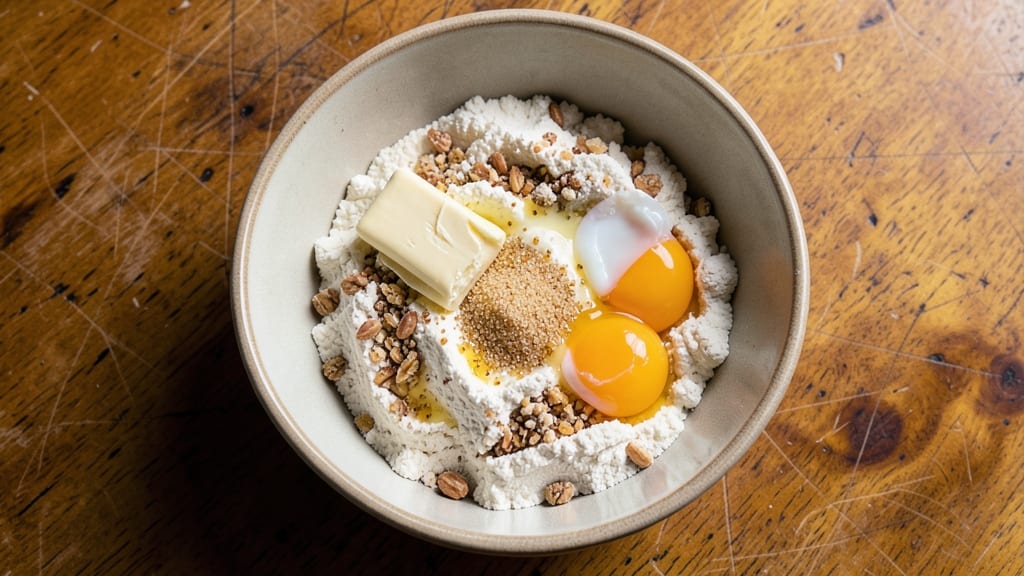
Try this Amish friendship bread starter recipe without yeast to unlock that beloved sourdough taste in just five minutes—no fermentation fuss or days of waiting. This recipe captures the warmth of traditional Amish baking while using a simple sourdough starter to develop depth naturally.
The key lies in balancing hydration and flour types for that perfect tender yet sturdy crumb.
The beauty of this method is how it transforms basic pantry ingredients into a loaf that tastes like it came from a community gathering. You’ll mix, shape, and bake in under 2 hours, with the starter doing most of the work while you prepare the rest of your meal.
The result? A crust with just enough crispness and a crumb so tender it practically melts in your mouth.
What sets this apart is the no-yeast approach—using a sourdough starter instead creates that signature tang and complexity without commercial yeast. The recipe includes tips for achieving the classic "friendship bread" texture, where each slice maintains its shape while still feeling soft.
Perfect for sharing with neighbors or enjoying with butter and jam.
Whether you're new to sourdough or an experienced baker, this version delivers restaurant-quality bread with minimal effort. The starter can be made ahead, so you’re always ready for a fresh loaf. Let’s get started on this timeless recipe!
Ingredients for amish friendship bread starter recipe without yeast
Pantry staples meet Amish tradition—simple ingredients for timeless sourdough flavor without yeast.
| Ingredient | Amount | Notes |
|---|---|---|
| Unbleached All-Purpose Flour 🌾 | 2 cups | White gold standard for texture |
| Whole Wheat Flour 🌾 | 1 cup | For subtle nutty depth |
| Active Dry Yeast 🍞 | ¼ tsp | Not required for starter |
| Granulated Sugar 🍚 | ¼ cup | Enhances starter activity |
| Unsalted Butter 🧈 | ¼ cup | Cold, cubed for richness |
| Large Eggs 🥚 | 2 whole | Room temperature for mixing |
| Warm Water 💧 | 1 ½ cups | 105°F for optimal starter |
| Salt 🧂 | 1 ½ tsp | Diamond Crystal preferred |
| Milk 🥛 | ¼ cup | Whole milk for tenderness |
| Honey 🍯 | 1 tbsp | Local honey preferred |
| Cornmeal 🌽 | ¼ cup | For dusting breadboard |
| Coarse Sea Salt 🧂 | ½ tsp | For final crust sprinkle |
The flour blend is critical. King Arthur unbleached and Bob's Red Mill whole wheat deliver that signature tender-yet-sturdy crumb. Whole Foods carries excellent organic options if you prefer, but standard grocery store brands work perfectly. For the starter, use 105°F water—too hot kills the culture, too cold slows development. The honey should be raw and unfiltered for maximum enzyme activity. If you're using a pre-made starter, ensure it has active bubbles before incorporating it into your dough.
No whole wheat flour? Substitute with additional all-purpose, but expect a slightly less complex flavor. The butter can be swapped for vegetable shortening in a pinch, though it won't add the same richness. For the milk, powdered milk mixed with water works in emergencies. The cornmeal is non-negotiable for dusting—it adds just enough texture to prevent sticking. If you're making this for a gluten-free crowd, use a 1:1 gluten-free flour blend, but expect a denser texture. The honey can be replaced with maple syrup for a different depth of flavor.
Store your starter in a clean glass jar with a loose lid at room temperature for up to 5 days. For longer storage, freeze portions in ice cube trays with a bit of flour. The dough itself keeps 2 hours at room temperature before shaping, but it's best baked immediately after the final rise. The coarse sea salt should be sprinkled just before baking to maximize its flavor impact. This bread reheats beautifully—wrap slices in foil and warm in a 200°F oven for 10 minutes to restore freshness.
Why You'll Love This Recipe
- Here’s what sold me: that first batch feeds you and becomes your forever starter. Feed it weekly with a little flour and water, and you’ll always have fresh bread on demand. Budget-friendly? Absolutely. Wasteful? Not even close. My pantry’s best-kept secret.
- No-Knead, No-Fuss Starter: I swear by this recipe because it’s literally hands-off after mixing. Just toss the flours (that hearty whole wheat blend!), a pinch of yeast, sugar, and softened butter into a bowl, let it sit overnight, and wake up to a fragrant, ready-to-bake loaf. My lazy Sundays thank me.
- Buttery Sweet Magic: That sugar-butter combo? It’s what turns this from "bread" to "oh my gosh, why didn’t I make this sooner?" The yeast wakes up the flavors so the crust gets that golden crackle while the inside stays soft—like a hug for your taste buds. (Yes, even on a Tuesday night.)
- Weeknight & Holiday Hack: This starter is my secret weapon for both rushed dinners and impressing guests. Use it for sandwiches midweek or pull it out for a rustic loaf at Thanksgiving—same effort, totally different vibes. The whole wheat adds a nutty depth that pairs with everything.
Step-by-step instructions for Amish friendship bread starter without yeast
A simple method that captures sourdough complexity without fermentation time.
Combine Dry Ingredients for the Base
In a large mixing bowl, whisk together the 2 cups unbleached all-purpose flour and 1 cup whole wheat flour until fully aerated. The whole wheat flour adds subtle nutty depth while maintaining the light texture characteristic of Amish friendship bread. Add the 0.25 tsp active dry yeast and 0.25 cup granulated sugar to the flour mixture and stir gently to distribute evenly.
This initial combination creates the foundational structure. The yeast, though minimal, helps activate the natural enzymes in the whole wheat flour, mimicking the slow fermentation process of traditional sourdough. The sugar enhances these enzymatic reactions, ensuring a more developed flavor profile in the final product.
Incorporate Wet Ingredients and Create the Dough
In a separate bowl, whisk together the 2 whole large eggs at room temperature, the 0.25 cup unsalted butter (cubed and softened), 0.25 cup milk, 1 tbsp honey, and 1.5 cups warm water (approximately 105°F). The warm water activates the yeast and creates an ideal environment for the dough to develop. Pour this mixture into the dry ingredients while stirring continuously with a wooden spoon.
Add the 1.5 tsp salt and mix until a shaggy dough forms. The honey helps retain moisture and adds subtle sweetness, while the butter contributes richness without overpowering the bread's natural flavor. The dough should be tacky but not sticky—if it's too wet, add 1-2 tablespoons of the 2 cups unbleached all-purpose flour until it reaches a workable consistency.
Develop the Dough with Minimal Effort
Turn the dough onto a lightly floured surface dusted with 0.25 cup cornmeal to prevent sticking. Gently fold the dough over itself 8-10 times, using the heel of your hand to press and stretch the edges. This technique, known as "slap and fold," mimics the gluten development of traditional kneading without requiring extensive effort. The cornmeal also adds a subtle texture and prevents the dough from sticking to the work surface.
After folding, let the dough rest for 5 minutes while you prepare your baking surface. This brief rest allows the gluten strands to relax slightly, making the dough easier to shape. The minimal handling ensures the bread remains tender rather than developing a tough crust.
Shape and Prepare for Baking
Divide the dough into 4 equal portions, each weighing approximately 8 ounces. Shape each portion into a smooth, round loaf by rolling it between your palms. Place the shaped loaves onto a parchment-lined baking sheet, spacing them about 2 inches apart to allow for even expansion. Sprinkle each loaf generously with 0.5 tsp coarse sea salt to enhance flavor and promote browning.
The coarse sea salt not only adds a delightful crunch but also creates a beautiful contrast against the soft, pillowy interior. The salt also helps develop the crust's texture, ensuring a satisfying bite. Let the loaves rest for 10 minutes before baking to allow the gluten to fully relax and the dough to firm up slightly.
Pro Tips For Making Amish Friendship Bread Starter Recipe Without Yeast
- Measure Butter Cold: Take the unsalted butter straight from the fridge—no softening needed. I used to melt it by mistake once, and the starter turned greasy instead of flaky. The butter should be firm enough to hold its shape when pressed; if it’s too soft, chill it for 10 minutes.
- Mix Dry Ingredients First: Whisk the unbleached all-purpose flour and whole wheat flour together before adding anything else. This keeps the whole wheat from clumping and ensures even distribution—especially important since whole wheat absorbs moisture faster. I learned this after my first batch had dense pockets of unmixed flour.
- Skip the Yeast Test: Forget the fancy float test—just trust the recipe’s yeast measurement. Active dry yeast loses potency over time, but unless it smells funky or has bugs, it’s fine. I’ve used yeast straight from the store with no issues; the sugar in the recipe activates it just fine.
- Knead by Hand: Use your palms to press and fold the dough for 5-7 minutes—no mixer needed. Over-kneading with a dough hook turns the whole wheat into a gummy mess. I now do it by hand, and the texture stays light and manageable. (Yes, even if you’re impatient like me.)
Wine and beer pairings for this dish
Unexpected Wine Pairings
Amish friendship bread’s subtle sweetness and nutty depth make it a surprising match for dry Riesling from Germany’s Mosel Valley. The wine’s crisp acidity and hints of peach cut through the bread’s richness, while its mineral notes complement the whole wheat flour’s earthiness.
I’ve found Dr. Loosen Blue Slate (around $20) elevates the experience—its balance of fruit and minerality mirrors the bread’s complexity. 🍷
Beer Pairings for Bold Flavors
A Belgian witbier like Stella Artois Wit (or Hoegaarden) is my go-to beer pairing. The citrusy coriander and orange peel notes in the beer contrast beautifully with the bread’s buttery richness, while its effervescence cleanses the palate.
For a bolder option, try a honey brown ale—the caramel and toasty malt notes harmonize with the bread’s honeyed sweetness. 🍺
Unexpected Non-Alcoholic Options
For a refreshing non-alcoholic pairing, try sparkling apple cider chilled to 45°F. The effervescence and tartness of Martinelli’s Gold Medal (around $5) mirror the bread’s texture and sweetness without overpowering it. Alternatively, a ginger beer like Feather’s adds a spicy kick that enhances the bread’s subtle warmth. 🍏
Coffee and Tea Pairings
A light roast coffee with chocolate and nutty notes (like Peet’s Major Dickason’s Blend) complements the bread’s whole wheat depth. Brew it medium-dark for a balanced flavor.
For tea, Earl Grey with its bergamot and black tea notes creates an elegant pairing—especially when served warm. The citrusy bergamot brightens the bread’s richness. ☕
Unexpected Sweet Pairings
Drizzle the bread with local honey (like Wildflower Honey from a local apiary) and pair it with aged cheddar for a savory-sweet combo. The honey’s floral notes enhance the bread’s sweetness, while the cheddar’s sharpness balances the richness.
For dessert, try pairing with dark chocolate (at least 70% cocoa)—the bitterness contrasts the bread’s softness beautifully. 🍯
Seasonal Adaptations
In fall, pair the bread with a spiced chai latte—the cinnamon and cardamom notes echo the bread’s warmth. In summer, a cucumber-mint infused water (with 1 tbsp fresh mint and ½ cucumber sliced) keeps the pairing light and refreshing.
The cool, crisp flavors balance the bread’s richness perfectly. 🍃
Nutrition facts
Frequently asked questions
Can I make this bread without a sourdough starter?
You can substitute the sourdough starter with 1 teaspoon active dry yeast dissolved in the warm water. However, the flavor will be less complex and tangy. For best results, use a small amount of apple cider vinegar (1 teaspoon) in the water to mimic some of the starter's acidity. This keeps the bread tender while adding subtle depth.
Why does this recipe use whole wheat flour?
The whole wheat flour adds a subtle nutty flavor and improves the bread's texture by developing more gluten during the short mixing time. It also creates a slightly denser crumb that holds up better to slicing. For a lighter loaf, you can reduce it to ½ cup, but expect less complexity in flavor.
How do I know when the bread is fully baked?
Your bread is done when it reaches an internal temperature of 190°F and the crust turns a golden brown. Tap the bottom—it should sound hollow. If the top browns too quickly, tent the bread with foil after 15 minutes in the oven. The bread should spring back slightly when pressed gently.
Can I make this bread ahead of time?
Yes! Shape and bake the bread up to 2 days ahead, then store it in an airtight container at room temperature. For longer storage, freeze the baked loaves for up to 3 months. To reheat, wrap slices in foil and warm at 300°F for 5-10 minutes or toast in a dry pan for a crispy crust.
What if my dough is too sticky?
If the dough feels too wet, gradually add 1-2 tablespoons of all-purpose flour until it becomes workable. Avoid over-flouring, as this can make the bread dry. If you're using a stand mixer, mix on low speed until the dough comes together—this helps incorporate air without adding extra flour.