
Side Dishes
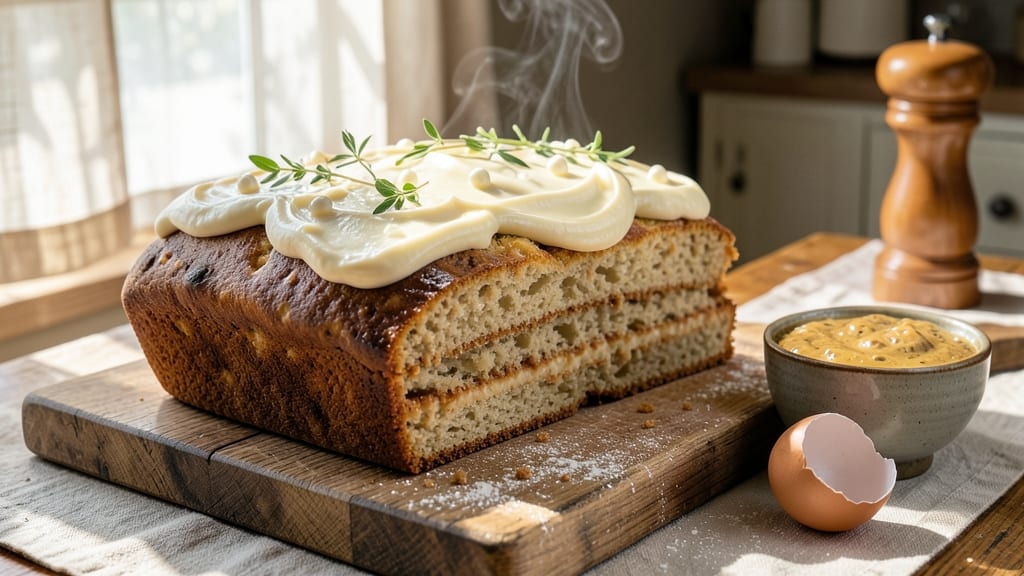
This Amish friendship bread recipe brings warmth and tradition to your kitchen with its signature tangy-sweet swirls and dense crumb. 💛 The secret lies in a robust sourdough starter that captures the essence of Amish baking techniques, passed down through generations.
Unlike commercial starters, this one develops natural complexity over days, creating that signature tang that makes this bread unforgettable.
What sets this recipe apart is the balance between tradition and modern convenience—you can start with a fresh sourdough starter or use a pre-made one for quicker results.
The dough combines flour, sugar, and butter to create those iconic swirls, while a long fermentation period develops deep flavor and a tender crumb. The crust emerges crisp and golden, encasing a loaf that's both comforting and impressive.
Baking this bread isn't just about following steps; it's about embracing a tradition that symbolizes friendship and community. The aroma alone will fill your home with nostalgia, and each slice offers a perfect blend of sweetness and tang.
Whether you're sharing with neighbors or treating yourself, this recipe delivers a loaf that tastes like a handshake of hospitality.
The key to success lies in patience—letting the dough rise slowly and the starter mature fully. But don't worry, even beginners can achieve restaurant-quality results with these foolproof techniques. Let's get started on creating a loaf that's as meaningful as it is delicious.
Ingredients for amish friendship bread sourdough starter
Four loaves of tradition start with these 11 ingredients—where sourdough magic meets Amish swirl perfection.
| Ingredient | Amount | Notes |
|---|---|---|
| Active Sourdough Starter 🍞 | 1 cup | Unfed, bubbly, 100% hydration |
| All-Purpose Flour 🌾 | 5 cups | Bread flour preferred for structure |
| Granulated Sugar 🍚 | ½ cup | Light brown sugar for depth |
| Unsalted Butter 🧈 | ½ cup | Cold, cubed for swirls |
| Whole Milk 🥛 | ½ cup | Warmed to room temperature |
| Large Eggs 🥚 | 2 whole | Room temperature for even baking |
| Instant Yeast 🍄 | ¼ tsp | Optional for extra rise |
| Diamond Crystal Kosher Salt 🧂 | 1 ½ tsp | Fine grain preferred |
| Vanilla Extract 🌸 | 1 tsp | Pure, not imitation |
| Turbinado Sugar 🍬 | ¼ cup | For crust sprinkle |
| Cornmeal 🌽 | ¼ cup | For dusting loaf pan |
The sourdough starter is non-negotiable here. King Arthur or Bob's Red Mill flours work best for the starter's development, but any high-protein flour will do. If you're starting fresh, feed your starter daily for 5-7 days until it's bubbly and doubles in size within 4-6 hours. For a shortcut, store-bought starter (like Boulder Bakery) works too—just feed it 24 hours before using. The butter should be cold enough to hold its shape but soft enough to mix easily; Plugrá or Land O'Lakes are reliable brands. Look for organic milk if you want extra richness, but regular whole milk works perfectly fine.
No sourdough starter? Commercial yeast plus extra flour can mimic the tang (use 1 extra tbsp flour per cup), but the flavor won't be authentic. Subbing butter? Coconut oil or lard works for the swirls, though butter's flavor is unmatched. Running low on vanilla? Almond extract at half the amount gives a similar warmth. The turbinado sugar is key for that caramelized crust—substitute with white sugar plus a pinch of corn syrup if needed. For the yeast, if you're unsure about freshness, test it in warm water first—it should foam within 5-10 minutes.
Starter keeps in the fridge for 1-2 weeks if fed weekly; freeze portions for up to 3 months by wrapping tightly in plastic. The dough can be shaped and refrigerated overnight for deeper flavor—pull it out 2 hours before baking. For leftovers, wrap tightly and store at room temp for 2 days or freeze slices for 1 month. The swirls look best when baked fresh, but reheating slices in a 350°F oven for 5 minutes brings back that bakery-fresh crunch.
Why You'll Love This Recipe
- No-Knead Magic: I swear by this starter—just mix, let rise, and wake up to that golden crust. The sourdough tang cuts through the sweetness like a perfect balance, and honestly? It’s the kind of bread that makes you feel like you’ve earned a little comfort.
- Butter-Soft Perfection: That whole milk and butter combo? It’s what turns this into something ridiculously good—tender crumb, buttery richness, and just enough sweetness to make it feel like dessert. My kids fight over the last slice, and I don’t even bake it fancy.
- Weeknight Hero: I keep a batch in the fridge all week—slice and toast for breakfast, pack in lunches, or serve with dinner. The starter’s tang pairs with everything, and since it’s just flour, sugar, and a little butter, it’s my go-to when I’m too tired to fuss.
- Budget-Friendly Staple: Five ingredients, minimal waste, and it keeps for days. I stretch one loaf into three meals: toast in the morning, sandwiches for lunch, and dinner rolls. Plus, the sugar and butter are used sparingly—no guilt, just satisfaction.
Step-by-step instructions for Amish friendship bread
Here's how to craft that iconic sourdough swirl—fluffy, tangy, and perfectly sweet.
👨🍳 Step 1: Mix the Dough Base with Sourdough Magic
In a large mixing bowl, combine 1 cup active sourdough starter, 5 cups all-purpose flour, 0.25 tsp instant yeast, and 1.5 tsp Diamond Crystal kosher salt. I use a wooden spoon first to break up any flour clumps, then switch to my stand mixer with the dough hook attachment for 2 minutes on low speed—just until the ingredients come together.
Next, add 0.5 cup granulated sugar, 0.5 cup whole milk, 1 tsp vanilla extract, and 2 whole large eggs (room temperature). Mix on medium speed for 3-4 minutes until the dough is smooth and elastic. You'll know it's ready when it pulls away from the bowl sides cleanly and springs back when poked. If it's too sticky, add 1 tablespoon flour at a time until it comes together.
🥘 Step 2: Incorporate the Butter for Signature Swirls
Cut 0.5 cup cold unsalted butter into 1-inch cubes and add them to the dough mixture. Use your hands or a dough scraper to gently work the butter into the dough until it's fully incorporated. Here's the thing—don't overmix. You want the butter to remain in chunks for those beautiful swirls when baked.
Once the butter is distributed, turn the dough out onto a lightly floured surface and knead gently for 2-3 minutes just to smooth it out. The dough should be soft but not sticky. If it's too dry, add 1 teaspoon milk at a time. Shape it into a rectangle about 12x8 inches and wrap tightly in plastic wrap. Let it rest at room temperature for 30 minutes—this relaxation step prevents the swirls from tearing when you roll it later.
🔥 Step 3: Roll and Shape for Classic Swirls
After resting, dust your work surface with 0.25 cup cornmeal and place the dough rectangle back on it. Using a rolling pin, gently roll the dough into a 12x18-inch rectangle about ¼-inch thick. Here's where the magic happens: starting from the long side, roll the dough up tightly into a log, then slice it diagonally into 1-inch thick pieces. Arrange these pieces side by side in a greased 9x5-inch loaf pan.
Press down gently to encourage the swirls to form. Sprinkle the top evenly with 0.25 cup turbinado sugar—this gives that signature crunchy crust. Cover the pan loosely with a kitchen towel and let it rise in a warm place for 1-1.5 hours until it's puffy and nearly doubles in size. The dough should spring back slowly when poked with your finger, but leave a slight indent.
🔥 Step 4: Bake to Golden Perfection
Preheat your oven to 350°F and place a baking sheet on the lower rack to catch any drips. Bake the bread for 45-50 minutes until the top is deep golden brown and a toothpick inserted in the center comes out clean. The edges should pull away slightly from the pan, and you'll smell that irresistible sweet-sourdough aroma filling your kitchen.
Let the bread cool in the pan for 10 minutes, then transfer it to a wire rack. Here's the best part—wait 15-20 minutes before slicing. The interior will be tender and moist, with those beautiful swirls of buttery dough peeking through. Serve warm with a pat of butter or a drizzle of honey for the ultimate Amish friendship bread experience.
Pro Tips For Making Amish Friendship Bread Sourdough Starter
- Warm the Milk First: Pour the whole milk into a small saucepan and heat it to about 110°F (just warm to the touch) before mixing it with the other ingredients. Cold milk can shock the yeast in your sourdough starter and slow down fermentation—especially important when you’re working with a tangy, active starter that’s already eager to rise.
- Whisk the Butter: Melt the unsalted butter and let it cool slightly, then whisk it into the warm milk mixture until fully emulsified. Skipping this step leaves you with butter clumps that turn into dense, greasy pockets in the bread—no one wants a chewy, uneven texture in their friendship bread.
- Don’t Overmix the Dough: Once you’ve combined the flour, sugar, starter, and wet ingredients, mix just until the dough comes together. Overworking it develops gluten too much, and this bread is meant to be tender, not tough. Think "shaggy and sticky" before shaping—it’s supposed to feel soft, not like bread dough for a baguette.
- Proof at Room Temp: Let the dough rise in a warm spot (around 75°F) until it’s nearly doubled—about 1 to 1.5 hours. If your kitchen is chilly, pop it near the oven with the light on (or use a proofing box). Rushing it with heat speeds up fermentation but weakens the structure, leading to a dense, gummy loaf. Patience here makes the difference.
Best sauces and condiments for this amish friendship bread sourdough starter
Sweet Butter Glaze
Warm ¼ cup unsalted butter with 2 tbsp honey and 1 tsp vanilla extract in a small saucepan over low heat until melted. Brush this fragrant glaze over warm slices or drizzle over the baked loaf before serving.
The butter softens the crust while the honey enhances the bread's natural sweetness. 🍯
Maple Cream Cheese Spread
Mix 4 oz softened cream cheese, 2 tbsp maple syrup, and ½ tsp cinnamon until smooth. Spread this creamy blend on toasted slices for a breakfast or snack treat. The tangy-sweet combo complements the bread's sourdough depth perfectly. I love adding ½ tsp lemon zest for brightness.
Caramelized Onion Jam
Slow-cook 2 cups thinly sliced onions with 2 tbsp brown sugar and 1 tbsp apple cider vinegar in a skillet over low heat for 45 minutes until jammy.
Spoon this sweet-savory jam onto slices or use it as a filling for sandwiches. The caramelized onions add a rich, jammy contrast to the bread's texture.
Cinnamon Sugar Dusting
Whisk ¼ cup granulated sugar with 1 tbsp ground cinnamon and sprinkle generously over warm bread slices. This simple topping adds instant warmth and crunch. For extra flair, add pinch of nutmeg to the mix. It's a classic pairing that feels like a hug in every bite. ✨
Honey Butter Whipped Cream
Whip ½ cup softened butter with 3 tbsp honey and 1 tsp lemon juice until light and fluffy. This airy spread melts beautifully on warm bread and adds a luxurious touch. I sometimes fold in 1 tbsp crushed pecans for crunch. Perfect for elevating this bread to dessert status!
Nutrition facts
Frequently asked questions about Amish friendship bread
How long does it take to make a sourdough starter for this bread?
For a robust starter, feed your mixture daily for 5-7 days using equal parts flour and water. Look for bubbles and a doubling in size within 4-6 hours before using. If you're short on time, store-bought starters (like Boulder Bakery) work perfectly after a 24-hour feed to wake them up.
Can I make this bread without a sourdough starter?
Yes, but the flavor won't be authentic. Replace the starter with 1 cup warm water + 2.25 tsp instant yeast + 1 tbsp sugar, mixed into the dough. The bread will be sweeter and less tangy, but still delicious. For a middle ground, use ½ cup starter + ½ cup yeast mixture to balance tradition and convenience.
Why does my dough tear when I roll it for swirls?
This happens when the dough isn't rested long enough. Always let it relax for 30 minutes after mixing butter before rolling. Keep your work surface dusted with cornmeal (not flour) to prevent sticking, and roll gently—don't press too hard. If it still tears, chill the dough for 15 minutes before shaping to firm it up.
How do I store leftover Amish friendship bread?
Wrap cooled loaves tightly in plastic wrap or foil and store at room temperature for 2-3 days. For longer storage, freeze slices for up to 1 month—thaw at room temperature before serving. To revive stale bread, warm slices in a 350°F oven for 5-7 minutes with a splash of water sprayed on them.
What makes this bread different from regular sourdough?
The signature swirls come from cold butter cubes folded into the dough, creating those iconic patterns when baked. The recipe also uses a longer fermentation (1-1.5 hours) for deeper flavor, plus turbinado sugar for a crisp crust. Traditional sourdough often lacks the sweet-buttery contrast that makes this bread special.