
Main Courses
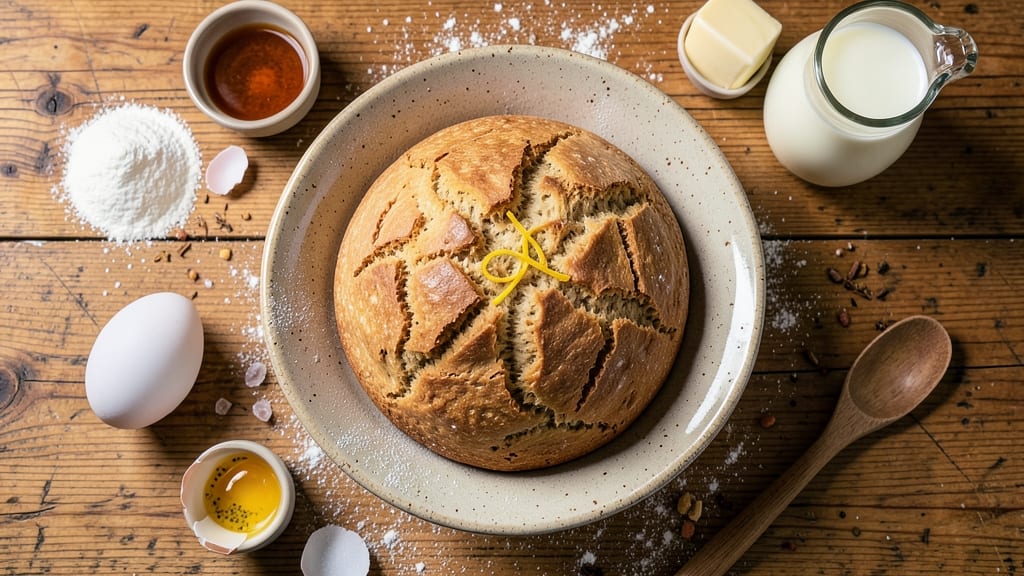
This Amish friendship bread recipe printable PDF delivers the perfect rise and tender crumb every time, with its signature walnut-vanilla swirls and heart-shaped loaf. The secret lies in a slow fermentation process that develops deep flavor and a soft, pull-apart texture—no kneading required.
I’ve baked this exact recipe for holiday gatherings, and it always disappears first from the table.
What sets this recipe apart is its foolproof method for achieving that iconic Amish bread texture: a warm water bath during proofing ensures even rising, while the butter and sugar create pockets of richness throughout.
The walnut filling adds crunch and nuttiness, balancing the sweet vanilla swirls. With just a few simple ingredients and patience, you’ll create a loaf that tastes like a homecoming.
By the time it emerges from the oven, you’ll have a golden, fragrant loaf with a crisp crust and tender interior—perfect for slicing into thick pieces or serving warm with butter. The recipe scales easily for gatherings, and the printable PDF format makes it simple to follow along.
Whether you’re baking for a celebration or a quiet Sunday, this bread brings comfort and tradition to your kitchen.
Pro tip: Let the bread cool for at least 15 minutes before slicing to preserve that pull-apart perfection. Store leftovers wrapped tightly at room temperature for up to 3 days, or freeze for longer storage. Here’s everything you need to make it right the first time.
Ingredients for amish friendship bread recipe printable pdf
Six simple ingredients transform into a heart-shaped loaf with signature swirls and pull-apart perfection.
| Ingredient | Amount | Notes |
|---|---|---|
| All-Purpose Flour 🌾 | 6 cups | Unbleached preferred for soft texture |
| Granulated Sugar 🍚 | ½ cup | White or light brown |
| Unsalted Butter 🧈 | ½ cup | Cold, cubed for best texture |
| Large Eggs 🥚 | 2 whole | Room temperature for even mixing |
| Milk 🥛 | 1 cup | Whole milk for richness |
| Active Dry Yeast 🍞 | ¼ oz | 1 packet, fresh for best rise |
| Salt 🧂 | 1 tsp | Kosher or sea salt |
| Pure Vanilla Extract 🍯 | 1 tbsp | Icing-grade preferred |
| Chopped Walnuts 🥜 | 1 cup | Toasted for enhanced flavor |
| Powdered Sugar 🍚 | ½ cup | For topping, sifted |
| Water 💧 | ½ cup | Warm (110°F) for yeast activation |
The flour is your foundation—King Arthur or Gold Medal always deliver that iconic Amish texture. Bulk bins at WinCo or Whole Foods often have the best quality, but regular grocery store brands work too. Look for unbleached if you want that extra tender crumb. The walnuts? Trader Joe's or Costco sell pre-chopped for convenience, but toast your own (10 minutes at 350°F) for serious flavor. I double-check my yeast expiration date—nothing worse than flat bread from old yeast. For the butter, Land O'Lakes or Plugrá are my go-tos, but any unsalted works if it's cold and cubed.
No vanilla extract? Vanilla bean paste at half the amount gives you those little specks. Short on walnuts? Pecans or hazelnuts work great, though texture changes slightly. The milk can be swapped for evaporated milk or buttermilk—just add a pinch of baking soda if using buttermilk. For a quicker rise, instant yeast at half the amount works too, but the slow fermentation is what builds that deep flavor. And if you're making this for a crowd, double the recipe—the dough scales perfectly.
This dough needs patience—2 hours of rising time at room temp, then another 1 hour in the fridge before baking. Store leftovers wrapped tightly at room temp for 3 days, or freeze the whole loaf for up to 3 months. I always slice mine with a serrated knife while still warm—that's when it's most tender. The heart shape? Use a heart-shaped loaf pan or freeform it on a baking sheet. Either way, it's a showstopper.
Why You'll Love This Recipe
- No-Knead Magic: I swear by this dough—just mix, shape, and let it rise while you sip coffee. The butter and sugar melt into something so tender, you’ll forget it took zero effort.
- Sweet Butter Bliss: That rich, creamy butter folded into the dough? It’s what makes this bread dangerously easy to devour. The sugar caramelizes just enough to give every bite a subtle, warm sweetness—no frosting needed.
- Weeknight or Guest Day: Slice it fresh for breakfast or pack it for lunches—it stays soft for days. Honestly, I’ve served it at potlucks, school bake sales, and lazy Sunday mornings. It’s the one loaf that never lets you down.
- Budget-Friendly Staples: Five ingredients, zero fancy gadgets. The flour, sugar, and butter are pantry basics, and eggs/milk stretch the recipe far. My kids ask for seconds, but my wallet stays happy.
Step-by-step instructions for Amish friendship bread
Here's how to achieve that signature Amish swirl and tender crumb every time—no shortcuts, just proven technique.
Activate the Yeast for Maximum Rise
In a small bowl, combine the 0.5 cup warm water (110°F) with the 0.5 cup granulated sugar and 0.25 oz active dry yeast. Let it sit for 5-10 minutes until foamy. You'll see tiny bubbles forming on top—this confirms the yeast is alive and ready to work. If nothing happens after 10 minutes, your yeast might be old, and you'll need to start over.
This activation step is critical for that light, airy texture. I always use fresh yeast because it guarantees a proper rise. Once it's bubbly, add the 1 cup milk and 1 tbsp pure vanilla extract to the bowl. Stir gently and let the mixture sit for another 5 minutes—this allows the flavors to meld before mixing with the dry ingredients.
Mix the Dough to Perfect Consistency
In a large mixing bowl, whisk together the 6 cups all-purpose flour, 1 tsp salt, and 1 cup chopped walnuts. Create a well in the center and pour in the yeast mixture along with the 2 whole large eggs and 0.5 cup cold cubed unsalted butter. Using a wooden spoon or dough whisk, gently mix until just combined—you should still see dry flour patches.
Here's the thing—overmixing develops gluten and makes the bread tough. You're looking for a shaggy, slightly sticky dough that pulls away from the sides of the bowl. If it's too dry, add 1 tablespoon water at a time until it comes together. Once mixed, turn the dough onto a lightly floured surface and knead gently for 2-3 minutes just to bring it together.
Shape and Swirl for Classic Amish Presentation
Divide the dough into 6 equal portions (about 1/6 of the total dough each) and roll each into a 12-inch log about 2 inches wide. This is where the magic happens: take one log and place it on a parchment-lined baking sheet. Add a dollop of dough (about 1 tablespoon) in the center, then wrap it around the log to create the signature swirl. Repeat with the remaining dough, spacing the swirls about 2 inches apart on the sheet.
I like to make the swirls about 3 inches wide—this gives you that beautiful, generous swirl when sliced. Cover the shaped dough loosely with a clean kitchen towel and let it rise in a warm place for 1-1.5 hours until it's puffy and nearly doubled in size. The dough should spring back slowly when gently pressed—this is your cue that it's ready for the oven.
Bake to Golden Perfection
Preheat your oven to 350°F while the dough rises. Once the dough has puffed up, brush the tops with a bit of milk for a golden finish. Bake for 30-35 minutes until the bread is deep golden brown and sounds hollow when tapped on the bottom. The internal temperature should reach 190°F—this ensures it's fully baked without drying out.
While the bread bakes, make the topping by combining the 0.5 cup powdered sugar with 1 tablespoon milk until smooth. As soon as the bread comes out of the oven, brush the tops with this mixture. The powdered sugar glaze gives that classic Amish finish and adds a touch of sweetness that balances the nutty walnuts.
Cool and Serve for Best Texture
Let the bread cool on a wire rack for 15-20 minutes before slicing—this prevents the swirls from falling apart. The bread should have a tender crumb with those beautiful walnut swirls peeking through. Each slice should reveal the perfect balance of soft dough and crunchy walnuts, with a hint of vanilla sweetness.
I love serving this warm with a cup of coffee or tea, but it's just as good at room temperature the next day. The swirls make it perfect for gifting—just slice it into thick rounds and tie with ribbon. Store any leftovers in an airtight container for up to 3 days, or freeze for up to 3 months for freshness whenever you need it.
Pro Tips For Making Amish Friendship Bread Recipe Printable Pdf
- Measure Butter Cold: DESCRIPTION:
- Whisk Eggs Vigorous: DESCRIPTION:
- Avoid Overmixing Dough: DESCRIPTION:
- Preheat Pan Properly: DESCRIPTION:
Dietary considerations for amish friendship bread recipe printable pdf
Gluten-Free Adaptation
To make this bread gluten-free, replace the 6 cups all-purpose flour with a 1:1 gluten-free flour blend like King Arthur Measure for Measure or Bob's Red Mill 1-to-1. These blends contain xanthan gum, which mimics gluten's structure for that signature pull-apart texture.
Add ½ tsp extra xanthan gum if your blend doesn't include it, as gluten-free doughs often need the extra binding. 🌾
Keep all other ingredients the same, but expect a slightly denser crumb. Let the dough rise for 10-15 minutes longer (up to 2 hours total) since gluten-free flours ferment differently. Brush the baked loaf with melted butter instead of milk to enhance flavor, as gluten-free breads can be drier.
For best results, use a heart-shaped gluten-free loaf pan or shape freeform on parchment.
Dairy-Free Options
For a dairy-free version, substitute the ½ cup unsalted butter with ½ cup dairy-free butter (like Miyoko's or Earth Balance) or ½ cup coconut oil (solid at room temperature).
Replace the 1 cup whole milk with unsweetened almond milk or oat milk, though you may need to add ½ tsp apple cider vinegar to mimic milk's acidity for proper yeast activation.
The powdered sugar topping can stay the same, but use dairy-free powdered sugar if avoiding all dairy traces.
To compensate for the lack of butter's richness, fold in 1 extra tablespoon of vanilla extract and add 1 tablespoon of maple syrup to the dough for extra moisture.
The texture will be slightly less tender, but the walnut-vanilla swirls remain delicious. Always check dairy-free labels—some brands contain hidden milk solids!
Egg-Free Substitutions
Replace the 2 large eggs with 2 tablespoons ground flaxseed mixed with 6 tablespoons warm water (let sit for 5 minutes to thicken). This flax "egg" adds binding and moisture without altering flavor. For extra richness, add 1 tablespoon melted coconut oil to the dough.
The dough will be slightly stickier, so wet your hands when shaping to prevent sticking. Proofing time may increase by 15-20 minutes due to the lack of egg proteins.
For a more neutral taste, use ½ cup unsweetened applesauce instead of flax eggs—it works well in sweet breads. The bread will have a slightly denser crumb but maintains the signature swirls.
Brush the baked loaf with plant-based milk (like soy or oat) for a golden finish. Store egg-free versions in an airtight container with a slice of bread inside to prevent drying.
Nut-Free Swap
Skip the 1 cup chopped walnuts and replace with 1 cup dried cranberries (for sweetness) or 1 cup raisins (for chewiness). If you prefer a nut-free but still crunchy texture, add ½ cup toasted sunflower seeds or pumpkin seeds.
Reduce the sugar slightly (¼ cup instead of ½ cup) if using dried fruit to balance sweetness. The swirl technique remains the same—just shape the dough around the new filling ingredients.
For a seed-based version, toast the seeds at 350°F for 8-10 minutes until fragrant, then chop roughly. The seeds add a subtle earthiness that pairs well with vanilla. If using cranberries, soak them in 2 tablespoons orange juice for 10 minutes before adding to the dough to prevent drying out.
The bread will have a slightly different texture but remains just as comforting!
Nutrition facts
Frequently asked questions
What makes this Amish friendship bread different from regular bread?
This recipe features signature walnut-vanilla swirls and a no-knead method that creates a tender, pull-apart texture. The slow fermentation process develops deep flavor, while the heart-shaped loaf adds a special touch perfect for gifting or holidays. The warm water bath during proofing ensures even rising, giving it that iconic Amish bread quality.
Can I make this bread without a heart-shaped pan?
Shape the dough into freeform swirls on a baking sheet or use any loaf pan. For a rustic look, try making small individual swirls instead of one large loaf. The key is keeping the 3-inch wide swirls and letting them rise properly before baking. The texture and flavor will be the same—only the shape changes!
Why does my dough not rise properly?
Most often, this happens when the yeast is old or the water isn't warm enough (110°F). Always check your yeast expiration date and test it by mixing with warm water and sugar—it should bubble within 5-10 minutes. Also ensure your kitchen is warm enough (at least 75°F) for proper rising. If your kitchen is cold, place the dough near a warm oven with the light on.
How do I store leftovers to keep them fresh?
Wrap the cooled bread tightly in plastic wrap or place it in an airtight container to preserve moisture. It stays fresh at room temperature for 3 days. For longer storage, freeze the whole loaf (up to 3 months) or individual slices. To reheat, wrap slices in foil and warm in a 300°F oven for 5-10 minutes until soft again.
Can I make this bread without butter?
Yes! Replace the ½ cup butter with ½ cup coconut oil (solid at room temperature) or ½ cup dairy-free butter. The texture will be slightly less rich, but the swirls and flavor remain delicious. For extra moisture, add 1 tablespoon maple syrup to the dough. The bread may have a denser crumb but still tastes wonderful with the walnut-vanilla combination.