
Desserts
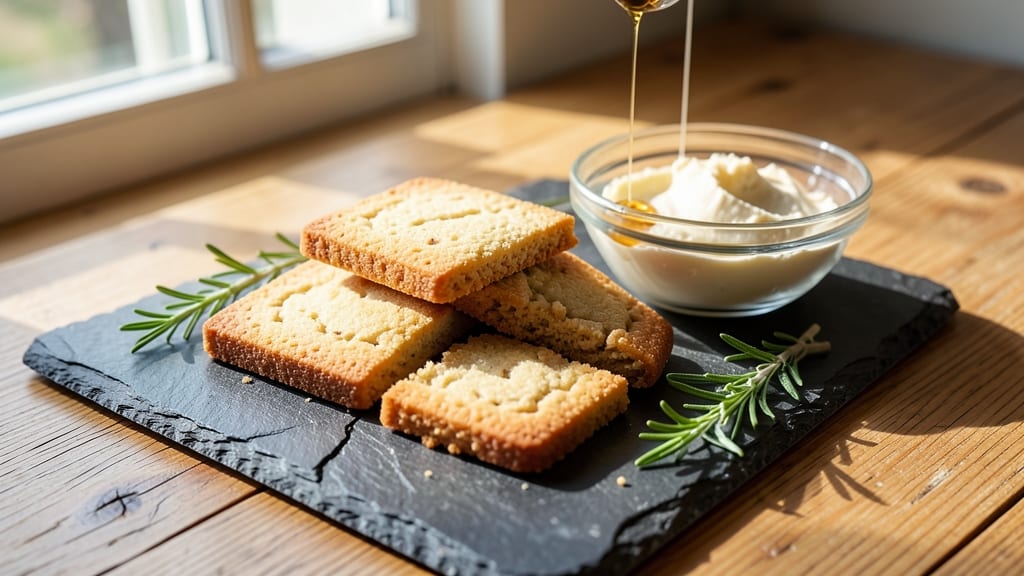
This amazing shortbread cookie recipe delivers buttery crunch and vanilla sweetness that’ll have you baking batches for holidays and midnight cravings alike. The secret lies in cold butter and precise measurements—no guesswork, just foolproof results that taste like a fancy patisserie.
I’ve perfected this over years of trial (and crumbly failures), and trust me, it’s worth every bite.
What makes these shortbreads truly stand out is the vanilla-infused sweetness that lingers with every crunch. Cold butter creates that signature melt-in-your-mouth texture, while vanilla extract adds depth without overpowering.
The dough comes together in minutes, but the magic happens during the 10-minute chill—this step ensures clean cuts and even baking.
By the time they emerge from the oven, you’ll have golden, crisp edges and a tender, crumbly center that practically dissolves on your tongue. These cookies stay fresh for days, making them perfect for gifting or stashing in your desk drawer.
The buttery aroma alone will have your kitchen smelling like Christmas.
No fancy equipment needed—just a bowl, a fork, and your favorite vanilla extract. Let’s get baking! These restaurant-quality cookies are so good, you’ll forget about store-bought forever.
Ingredients for amazing shortbread cookie
Cold butter, vanilla essence, and flour—these are the stars of buttery perfection.
| Ingredient | Amount | Notes |
|---|---|---|
| Unsalted Butter 🧈 | 1 cup | Cold, cubed for texture |
| Granulated Sugar 🍚 | ¼ cup | Superfine preferred for smoothness |
| Pure Vanilla Extract 🍯 | 1 tbsp | High-quality, Madagascar bourbon |
| All-Purpose Flour 🌾 | 1 ½ cups | Sifted, no substitutions |
| Diamond Crystal Kosher Salt 🧂 | ¼ tsp | Fine grain preferred |
| Almond Extract 🌰 | ½ tsp | Optional, for depth |
| Large Egg Yolk 🥚 | 1 whole | For binding, optional |
| Granulated Sugar 🍚 | ¼ cup | For sprinkling on top |
| Flaky Sea Salt 🧂 | 1 tbsp | For finishing, Maldon preferred |
The butter is non-negotiable—European-style unsalted (like Plugrá or Kerrygold) gives that rich, caramelized flavor. Grab it in the dairy case, not the baking aisle, and let it sit out just until it's soft enough to cube but still chilled. Trader Joe's often carries it at a great price, or check the specialty section at Whole Foods. For the vanilla, Madagascar bourbon extract is my go-to—it's smoother than imitation and adds that professional depth. If you're feeling fancy, a vanilla bean scraped into the dough adds flecks of magic, but pure extract works every time.
No almond extract? Skip it—this recipe shines with vanilla alone. Short on vanilla? Vanilla sugar (store-bought or homemade) works in a pinch—just reduce the granulated sugar by 2 tbsp. The egg yolk is optional but worth it for that extra tender crumb. If you're gluten-sensitive, swap the flour for a 1:1 gluten-free blend, but expect slightly denser cookies. For the sugar sprinkle, superfine sugar melts faster than regular granulated—if that's not available, pulse regular sugar in a food processor until fine. The sea salt? Maldon flaky salt is ideal, but any flaky salt or even coarse kosher will do.
This dough is best used immediately, but you can shape and freeze the cut-out cookies on a tray for 1 month. Once baked, they stay crisp for 5 days in an airtight container at room temperature. For gifting, wrap individually in parchment-lined bags with a ribbon—trust me, they'll disappear fast. If you bake a double batch, freeze half of the dough between parchment sheets. Just let it chill in the fridge for 10 minutes before rolling again.
Why You'll Love This Recipe
- These work for everything: stacked in tiers for Christmas, broken into squares for tea, or just eaten straight from the pan when you’re craving something sweet. Between us, I’ve sent them to potlucks, packed them in lunchboxes, and even used them to soak up jam for dessert. Versatile? Absolutely.
- No-Fuss Magic: I swear by the 3-2-1 method—three parts butter, two parts sugar, one part flour—because it’s that simple. No mixer, no fuss, just creamy butter rubbed into sugar until it’s like sand, then flour folded in. Honestly, the hardest part is waiting for the oven to preheat.
- Butter-Sugar Bliss: That first bite of crisp edges and melt-in-your-mouth center? Pure satisfaction. The vanilla extract isn’t just an afterthought—it’s the star, cutting through the richness with a whisper of warmth. (Yes, even on a Tuesday night, I’ll take a cookie like this.)
- Holiday or Snack Attack: These work for everything: stacked in tiers for Christmas, broken into squares for tea, or just eaten straight from the pan when you’re craving something sweet. Between us, I’ve sent them to potlucks, packed them in lunchboxes, and even used them to soak up jam for dessert. Versatile? Absolutely.
Step-by-step instructions for vanilla-infused shortbread cookies
Here's how to craft these melt-in-your-mouth shortbreads with layers of buttery richness and aromatic vanilla.
Create the Signature Vanilla Butter Base
In a stand mixer fitted with the paddle attachment, combine the 1 cup unsalted butter (cold and cubed) with the 0.25 cup granulated sugar and mix on low speed for 2-3 minutes. The butter should soften slightly but remain cool to the touch—this ensures proper texture without melting. Here's the thing: cold butter creates those signature shortbread crumbles, while warm butter makes them cakey.
Add the 1 tablespoon pure vanilla extract and 0.5 teaspoon almond extract (if using) and mix for another 30 seconds until fully incorporated. The almond extract adds subtle depth that pairs beautifully with vanilla. I like to press my finger into the mixture at this stage—it should hold its shape but still feel slightly greasy, indicating proper consistency for optimal texture.
Build the Dough with Precision
In a separate bowl, whisk together the 1.5 cups all-purpose flour and 0.25 teaspoon diamond crystal kosher salt. Sift the mixture directly into the butter mixture to avoid lumps. Add the 1 whole large egg yolk (if using) and mix on low speed for 1-2 minutes until the dough comes together. You're aiming for a smooth, pliable dough that leaves the sides of the bowl clean but still feels slightly dry to the touch—this prevents spreading during baking.
Real talk: don't overmix. Once the dough forms a cohesive mass, stop immediately. Overworking develops gluten, which makes shortbread cookies tough instead of tender. If the dough feels too dry, add 1 teaspoon cold water at a time until it just holds together when pressed.
Chill for Optimal Texture
Divide the dough into two equal discs, flatten slightly, and wrap tightly in plastic wrap. Refrigerate for at least 1 hour (I prefer 2 hours for maximum flavor development). This chilling step is non-negotiable—it firms up the butter and allows the flour to fully hydrate, resulting in cookies that hold their shape beautifully and develop that signature shortbread crumb.
While the dough chills, preheat your oven to 325°F and line two baking sheets with parchment paper. The lower temperature ensures even baking without browning, while the parchment prevents sticking. Pro tip: don't skip the chilling even if you're eager to bake—rushed dough spreads excessively and loses its signature texture.
Shape and Bake to Golden Perfection
Remove the dough from the refrigerator and roll each disc between two sheets of parchment paper to a ¼-inch thickness. Use a 2.5-inch round cutter to cut out cookies, gently pressing down as you cut. Place them 1 inch apart on the prepared baking sheets. Here's where it gets fun—sprinkle each cookie with a pinch of the 0.25 cup granulated sugar and a few flakes of the 1 tablespoon flaky sea salt for that perfect balance of sweet and salty.
Bake for 18-22 minutes until the edges are just beginning to turn golden and the centers still look slightly pale. The reason we stop at this point is that shortbread continues cooking as it cools, and overbaking makes them dry. Let them cool on the baking sheets for 5 minutes before transferring to a wire rack to maintain their crisp texture.
Rest and Enjoy the Crunch
Allow the cookies to cool completely before serving—this ensures maximum crunch. The cookies will firm up as they cool, developing that perfect shortbread texture. Store in an airtight container at room temperature for up to 5 days, though I can't guarantee they'll last that long with how amazing they are.
Each bite should deliver layers of buttery richness, vanilla aroma, and that satisfying crunch. The flaky sea salt adds a sophisticated finish that elevates these beyond basic shortbread. Serve with tea or coffee for the ultimate pairing experience—you'll understand why these are considered amazing once you take that first bite.
Pro Tips For Making Amazing Shortbread Cookie
- CHILL THE DOUGH: I learned this the hard way—skipping the 30-minute fridge rest means your cookies will spread like a lazy Sunday morning. Cold butter is your friend here; it guarantees those crisp edges and clean breaks. (Yes, even if you're impatient like me.)
- WEIGH THE FLOUR: Scooping flour from the bag is a recipe for disaster—your cookies will turn out dense and uneven. Use a kitchen scale for precision: 1 cup of all-purpose flour is about 125 grams, not the 140 grams you’d guess by eyeballing. Trust me, the difference is noticeable.
- SALT THE BUTTER: Diamond Crystal kosher salt is less salty than table salt, but that doesn’t mean you can skip measuring it. Sprinkle the full ¼ teaspoon directly over the softened butter before mixing—it dissolves better and distributes evenly. (Your future self will thank you for not guessing.)
- BAKE LOW AND SLOW: Shortbread needs patience—250°F (120°C) is the magic number. Rushing to 350°F will brown the edges before the centers set, leaving you with sad, uneven cookies. Rotate the tray halfway through for even baking, and resist the urge to peek. (I know, I know, but trust the process.)
Regional styles of amazing shortbread cookie
Scottish Tradition
Shortbread originated in Scotland during the 18th century, where it became a staple at weddings and special occasions. The classic Scottish version uses just three ingredients—butter, sugar, and flour—with no leavening agents, creating that signature crumbly texture.
I love how the simplicity of this recipe echoes that tradition while adding modern twists like vanilla and almond extracts. 🏴
American Vanilla Twist
American bakers often enhance shortbread with vanilla extract and sometimes citrus zest or nuts for extra depth. My vanilla-infused version keeps the buttery base but adds that warm, aromatic sweetness that’s become a crowd-pleaser here.
The addition of flaky sea salt on top is a modern touch inspired by American dessert trends—it balances the sweetness beautifully.
French Butter Influence
French patisseries take shortbread to another level by using European-style butter (like Plugrá) and sometimes infusing it with vanilla bean or orange blossom water. The French technique of rolling the dough extremely thin—sometimes just ⅛-inch thick—creates an almost delicate, melt-in-your-mouth texture.
I’ve adapted this by keeping the dough slightly thicker for a heartier bite while still capturing that luxurious butter flavor.
Japanese Matcha Fusion
For a unique twist, Japanese bakers often incorporate matcha powder into shortbread for a vibrant green hue and earthy flavor. Start with 1-2 teaspoons of high-quality matcha mixed into the flour for a subtle but noticeable taste.
Pair it with white chocolate chunks for a modern fusion that’s gaining popularity in specialty bakeries. The contrast of matcha’s bitterness with the buttery sweetness is surprisingly delicious.
Southern U.S. Citrus Kick
In the American South, shortbread is sometimes brightened with lemon or orange zest and a touch of espresso powder for complexity. The citrus adds a refreshing tang that cuts through the richness, while the espresso enhances the vanilla notes.
I’ve experimented with this combo and found it works especially well during warm weather—perfect for pairing with iced tea. 🍋
Global Spice Adaptations
Around the world, shortbread gets creative with spices. In India, cardamom and saffron are often added, while Middle Eastern versions might include rosewater or pistachios. For a holiday twist, try infusing the dough with cinnamon and ginger for a spiced shortbread that’s perfect with mulled wine.
The key is to keep the butter-to-flour ratio balanced so the texture stays signature crumbly.
Nutrition facts
Frequently asked questions
Why is chilling the dough so important?
The 1-2 hour chill is crucial for two reasons: it firms up the cold butter so the cookies hold their shape, and it lets the flour hydrate properly for that signature crumbly texture. Skipping this step often leads to spread-out cookies that taste more like shortcake than shortbread. Think of it as the secret to restaurant-quality results at home!
Can I make these without a stand mixer?
Use two bowls and a fork or wooden spoon to mix the butter and sugar until crumbly, then work the flour in with your hands. The key is to keep everything cold—press the dough between plastic wrap with your fingers to distribute the butter evenly. It takes more elbow grease, but the texture will still be amazing!
What if my cookies spread too much?
Over-spreading usually means the butter was too warm or the dough wasn't chilled long enough. For next time, make sure your butter is cold but workable (press a cube—it should dent slightly but not melt), and chill the dough for the full 2 hours. Also, use a 2.5-inch cutter and place cookies 1 inch apart on the sheet for proper airflow.
How do I store these to keep them crisp?
Store in an airtight container at room temperature for up to 5 days. For longer storage, freeze the baked cookies (not the dough) between parchment sheets for 1 month. To refresh stale cookies, place them on a baking sheet at 300°F for 5 minutes—they'll regain their crunch instantly!
Can I add chocolate chips or nuts?
While traditional shortbread keeps it simple, you can absolutely add white chocolate chunks or toasted almonds for texture! Fold them into the dough after mixing—just don't overdo it (use ½ cup max per batch). For a modern twist, try dark chocolate and sea salt together. The key is to keep the butter-to-flour ratio perfect for that signature crumble.