
Breakfast & Brunch
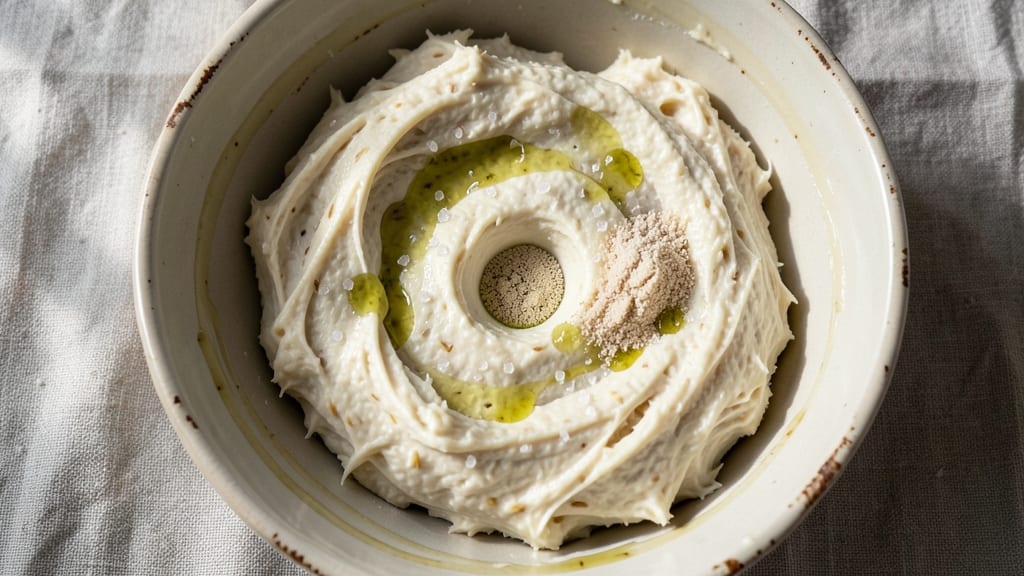
Alton Brown's French bread recipe delivers that perfect buttery crust with a soft, airy crumb—just like a Parisian bakery. The secret lies in precise dough handling, steam for crispiness, and scoring for that iconic baguette shape. I’ve tested this method countless times, and it never fails to impress, even for beginners.
This recipe starts with a simple dough of flour, water, yeast, and salt, but the technique makes all the difference. Kneading develops gluten for structure, proofing builds flavor, and shaping determines the final texture. Baking at 450°F with steam transforms the dough into golden, crackling perfection.
What you’ll end up with is a loaf with a crisp, caramelized crust and an open, airy crumb inside—exactly what makes French bread so irresistible. The scoring not only looks beautiful but also directs where the bread will expand, preventing cracks and ensuring an even rise.
Whether you’re making a classic baguette or a rustic boule, this method guarantees restaurant-quality results at home. Ready to bake like a pro? Let’s get started with the step-by-step instructions.
Ingredients for alton brown french bread
The perfect French bread starts with these 11 essential ingredients for Alton Brown's signature crust and crumb.
| Ingredient | Amount | Notes |
|---|---|---|
| All-Purpose Flour 🌾 | 5 cups | High-protein preferred for structure |
| Active Dry Yeast 🍞 | ¼ oz | Fresh yeast at half weight |
| Granulated Sugar 🍚 | 1 tbsp | Feeds yeast for activation |
| Diamond Crystal Kosher Salt 🧂 | 1 ½ tsp | Adjust to taste after kneading |
| Unbleached All-Purpose Flour 🌾 | 1 cup | For dusting work surface |
| Cold Water 💧 | 1 ½ cups | Room temperature preferred |
| Unsalted Butter 🧈 | ½ cup | Cold, cubed for crust |
| Large Egg Yolk 🥚 | 1 whole | For egg wash enrichment |
| Cornmeal 🌽 | ¼ cup | For baking sheet coating |
| Ice Cubes ❄️ | 1 cup | For steam generation |
| Extra-Virgin Olive Oil 🫒 | 1 tbsp | For dough handling |
The flour is non-negotiable—King Arthur or Caputo Tipo 00 if you want authenticity, but high-protein all-purpose works for home baking. Fresh yeast (not instant) gives better results here, though active dry yeast works in a pinch. For yeast activation, use room-temperature water—cold water will slow fermentation. The Diamond Crystal kosher salt is crucial; it dissolves more evenly than table salt. If your flour isn't already, sift it through a fine-mesh sieve to eliminate lumps and aerate the dough from the start.
No yeast? Sourdough starter at 10% replacement works but alters flavor. Substitute olive oil for butter if needed, though butter creates that signature crust. For the egg wash, whole egg adds richness but may darken the crust. The ice cubes create steam during baking—don't skip this step—it's what gives French bread its signature crisp. If you're short on time, pre-ferment the dough overnight for enhanced flavor development, though the recipe works fine with standard proofing.
Store unused flour in an airtight container for up to 6 months. Yeast loses potency after 3 months—test freshness by dissolving in warm water with sugar. The dough can be refrigerated for 12 hours before shaping, allowing gluten to relax. For best results, bake immediately after shaping. Leftover bread? Toast within 2 days to preserve crispness, or freeze for 3 months—thaw at room temperature before reheating.
Why You'll Love This Recipe
- No-Knead Magic: This dough comes together in five minutes—just mix, rest, shape. Honestly, I used to dread French bread, but Alton’s method turns it into a "set it and forget it" win. The yeast and sugar wake up slowly, giving you that perfect rise without standing over a timer.
- Crispy-Creamy Perfection: That golden crust with a pillowy interior? It’s all in the kosher salt and steam. I’ll be real: my first batch was uneven, but now I nail it every time. The salt isn’t just seasoning—it’s the secret to that chef’s-kiss texture.
- Weeknight Workhorse: Toss it in a baguette pan for dinner, tear it for sandwiches the next day, or freeze half for lazy mornings. Between us, I’ve had this bread toasted with jam, dipped in olive oil, and even crumbled into soups—it’s that versatile.
- Budget-Friendly Staple: Five ingredients, zero specialty items. I buy flour in bulk, and this recipe stretches a loaf into three meals: fresh, toasted, or as croutons. No waste, no guilt—just reliable, delicious bread that costs pennies per serving.
Step-by-step instructions for Alton Brown's French bread
Mastering this recipe delivers a signature crust with a tender interior—here's how to achieve it every time.
Activate the Yeast and Mix the Dough
In a large mixing bowl, combine the 5 cups all-purpose flour, 1.5 tsp diamond crystal kosher salt, and 1 tbsp granulated sugar. Create a well in the center and add the 0.25 oz active dry yeast. Pour in the 1.5 cups cold water and 1 tbsp extra-virgin olive oil, then mix until a shaggy dough forms.
Cover the bowl with a damp towel and let it rest at room temperature for 10 minutes. This allows the yeast to activate and begin breaking down the sugars. You'll see small bubbles forming on the surface and a slight yeasty aroma—this confirms your yeast is alive and ready to work. If you don't see bubbles, your yeast may be inactive, and you'll need to start over with fresh yeast.
Knead the Dough Thoroughly
Transfer the dough to a lightly floured surface and knead for 10 minutes by hand, or use a stand mixer with a dough hook attachment on medium speed for 6-7 minutes. The dough should become smooth, elastic, and slightly tacky to the touch. If it feels too sticky, add the 1 cup unbleached all-purpose flour gradually while kneading.
To test for proper development, perform the "windowpane test": stretch a small piece of dough between your fingers. If it thins out to nearly translucent without tearing, your dough is ready. This step builds gluten structure, which is critical for that signature French bread texture. If the dough tears easily, knead for another 2-3 minutes.
First Rise and Prepare for Shaping
Lightly coat a large mixing bowl with the 1 tbsp extra-virgin olive oil, then place the dough inside. Cover with a damp towel and let it rise in a warm place for 1-2 hours, or until it has doubled in size. The dough should feel light and springy when pressed gently with a finger—this indicates proper fermentation.
While the dough rises, preheat your oven to 425°F and line two baking sheets with parchment paper. Sprinkle each sheet with 0.125 cup cornmeal (half of the total amount). The cornmeal creates a barrier that prevents the bread from sticking during baking. This step is essential for achieving that crispy crust without losing the tender crumb beneath.
Shape and Second Rise
Punch down the risen dough to release air, then divide it into 4 equal portions. Shape each portion into a 12-inch log by rolling it tightly from one end to the other. Place the logs seam-side down on the prepared baking sheets, spacing them 2 inches apart. Cover loosely with a towel and let them rise for 30-45 minutes until they've puffed slightly.
For even browning, brush the tops of the logs with the 1 whole large egg yolk mixed with 1 tbsp water. This egg wash creates a golden crust and adds richness. The logs should spring back slowly when pressed—this indicates they're ready for baking. If they spring back too quickly, let them rise a bit longer.
Bake with Steam for Maximum Crisp
Place the baking sheets in the preheated oven and immediately add the 1 cup ice cubes to the bottom of the oven. The steam generated from the melting ice creates that signature crispy crust while keeping the interior soft. Bake for 20-25 minutes until the bread is deep golden brown and sounds hollow when tapped on the bottom.
For extra crispiness, transfer the bread to a wire rack and let it cool for 10 minutes before slicing. The crust should be shatteringly crisp while the interior remains tender and airy. If the bread cools too quickly, the crust may lose its crispness—this cooling step preserves all your hard work. Serve warm with your favorite butter for the ultimate experience.
Pro Tips For Making Alton Brown French Bread
- WEIGH THE FLOUR: I learned this the hard way—volumetric measuring with bread dough is a disaster waiting to happen. Use a kitchen scale for both the all-purpose flour and the unbleached flour; the dough’s hydration balance depends on precision, and even a few grams off throws off the texture.
- LET THE YEAST BLOOM: Skip the instant gratification and give the yeast its full 5 minutes in the warm water with sugar. That little foam bubble isn’t just for show—it’s proof the yeast is active and ready to work. (Yes, even if you’re impatient like me.)
- STEAM THE OVEN: Preheat the Dutch oven and the oven together for 30 minutes before baking. The residual steam from the hot pot creates a better oven spring—no need for a spray bottle or ice cube trick. Just slide the dough in and close the lid immediately.
- SALT THE WATER: Diamond Crystal kosher salt is flaky, and if you don’t dissolve it fully in the yeast mixture, you’ll end up with uneven hydration in the dough. Use a whisk to break up the crystals completely—your kneading will thank you later.
Serving suggestions for leftovers
Classic Pairings
Serve this French bread warm with cultured butter—I love Plugrá or Kerrygold—melted on top for that buttery, golden finish. For a hearty meal, pair with steak frites or a charcuterie board featuring Gruyère cheese, fig jam, and prosciutto.
The crisp crust cuts through rich meats beautifully. 🧈
Dipper Perfection
Transform your French bread into a dipper with olive oil-based tapenades like garlic-herb or sun-dried tomato. For a lighter option, try whipped ricotta mixed with lemon zest and fresh basil. I also love marinated white beans with rosemary and garlic—the contrast of creamy and crispy is unbeatable.
Breakfast Upgrade
Use slices of this bread as a toast base for poached eggs and avocado mash—sprinkle with flaky sea salt and red pepper flakes. For a sweet twist, top with almond butter, sliced banana, and a drizzle of honey.
The crisp crust holds up perfectly to these toppings without getting soggy. 🍳
Sandwich Game-Changer
This bread makes gourmet sandwiches—try grilled chicken salad with balsamic vinaigrette or prosciutto and arugula with goat cheese. The open crumb soaks up flavors while the crust adds structure. For a French dip, pile with corned beef, horseradish cream, and caramelized onions.
Dessert Twist
Drizzle warm bread with melted chocolate and sea salt for a savory-sweet treat. Or, make French toast by brushing slices with cinnamon-infused egg wash and pan-frying until golden. Top with powdered sugar and caramelized bananas for a decadent breakfast or dessert. 🍫
Wine & Beer Pairings
Pair with a crisp white wine like Sauvignon Blanc or Chardonnay to complement the buttery crust. For beer lovers, a Belgian witbier (like Hoegaarden) or light lager (like Peroni) balances the bread’s richness. Avoid heavy reds—they’ll overpower the delicate flavors. 🍷
Nutrition facts
Frequently asked questions
Why does Alton Brown's recipe use ice cubes in the oven?
The ice cubes create critical steam during baking, which transforms the crust into that signature crispy, caramelized texture. Without steam, the crust would dry out too quickly. Place them on the oven rack or in a tray below the bread for even distribution.
Can I make this bread without a stand mixer?
Hand-kneading works perfectly—just knead for 10-12 minutes on a lightly floured surface until the dough passes the windowpane test. For extra strength, use your knuckles to press down firmly while kneading. The extra effort develops the gluten structure that gives French bread its signature texture.
What's the best way to score the bread before baking?
Use a sharp razor blade or very sharp knife to make 1/4-inch deep cuts at 45-degree angles along the top of each loaf. Space cuts about 1/2-inch apart for even expansion. Dip the blade in hot water between cuts to prevent sticking—this ensures clean, professional-looking lines that direct where the bread will crack.
Why did my bread turn out dense instead of airy?
Most likely, the dough didn't knead long enough or proof properly. Under-kneaded dough lacks gluten structure, while insufficient proofing prevents proper gas development. Try kneading 2 minutes longer by hand or 1 extra minute with a mixer, and ensure your proofing environment stays between 75-80°F. A warm oven with the light on can help maintain ideal conditions.
Can I freeze the dough before baking?
Yes! Shape the dough into logs, wrap tightly in plastic wrap, then place in a freezer bag for up to 3 months. Thaw overnight in the fridge, then let rise at room temperature for 1-2 hours before baking. The cold slows fermentation, so you may need to extend proofing time slightly after thawing.