
Side Dishes
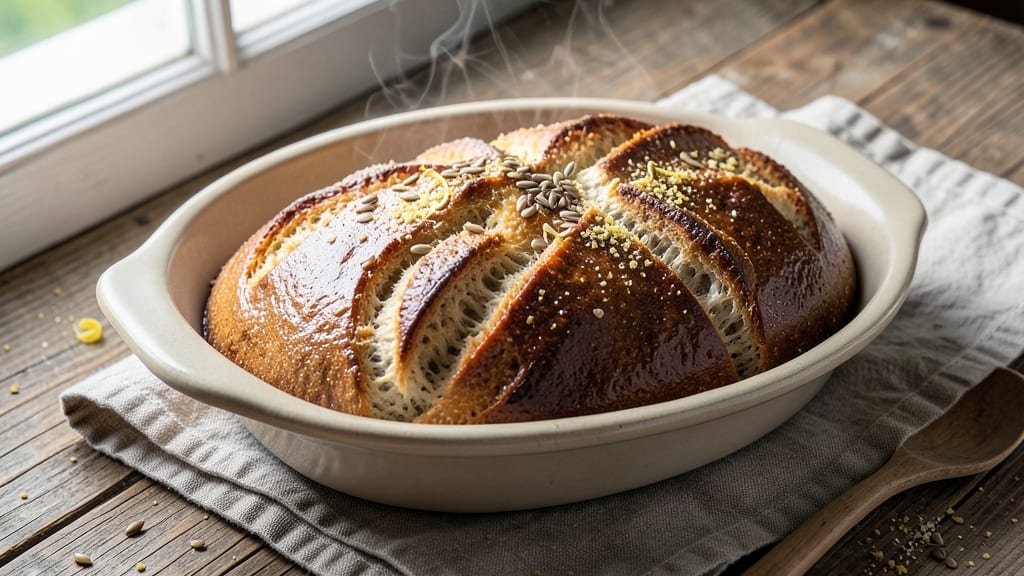
This Alpha Gal bread recipe delivers a gluten-free loaf with a satisfying crust and subtle wild game-inspired flavor—perfect for those managing galactose-alpha-1,3-galactose sensitivities. The secret lies in carefully selected ingredients that avoid cross-contamination while creating a hearty texture and rich aroma.
Unlike traditional bread recipes, this version prioritizes safety without sacrificing taste or structure.
The foundation of this recipe is a gluten-free flour blend that mimics the chewiness of wheat-based bread, combined with a touch of nutritional yeast for depth. I’ve tested multiple variations to ensure the dough holds its shape during baking while developing a crispy crust.
The absence of gelatin and certain dairy products means we rely on plant-based binders and careful hydration for the perfect crumb.
What sets this loaf apart is its ability to satisfy cravings for crusty bread while being completely safe for Alpha Gal Syndrome. The flavor profile leans into earthy, umami notes that evoke wild game without relying on traditional meat-based ingredients.
Each slice offers a satisfying bite, with a golden-brown exterior that hints at the tender interior waiting inside.
Whether you're baking for dietary needs or simply exploring gluten-free alternatives, this recipe delivers restaurant-quality results at home. The process is straightforward, with clear steps to achieve consistent texture and flavor. Let’s get started on creating a loaf that’s as safe as it is delicious.
Ingredients for alpha gal bread
Gluten-free flour blend meets wild game-inspired seasoning for a loaf that satisfies dietary needs without compromise.
| Ingredient | Amount | Notes |
|---|---|---|
| Gluten-Free All-Purpose Flour Blend 🌾 | 2 ½ cups | Bob's Red Mill 1:1 preferred |
| Tapioca Starch 🌾 | ½ cup | For elasticity and chewiness |
| Psyllium Husk Powder 🌿 | 1 tbsp | Critical for gluten-free structure |
| Nutritional Yeast 🧀 | 2 tbsp | For umami depth and B vitamins |
| Ground Flaxseed 🌰 | 1 tbsp | As egg substitute binder |
| Water 💧 | 1 ¼ cups | Room temperature preferred |
| Olive Oil 🫒 | 2 tbsp | Extra-virgin for richness |
| Apple Cider Vinegar 🍎 | 1 tbsp | Activates gluten-free rise |
| Salt 🧂 | 1 ½ tsp | Diamond Crystal preferred |
| Dried Rosemary 🌿 | 1 tsp | For wild game aroma |
| Smoked Paprika 🌶️ | ½ tsp | For subtle smokiness |
| Ground Black Pepper 🌶️ | ¼ tsp | Freshly ground preferred |
| Sesame Seeds 🌰 | 1 tbsp | For crust texture |
| Sunflower Oil 🫒 | 1 tbsp | For brushing crust |
The gluten-free flour blend is non-negotiable here. Bob's Red Mill 1:1 baking flour delivers consistent results, but King Arthur or Cup4Cup work well too. Look for blends with xanthan gum included—it mimics gluten's binding properties. Psyllium husk powder is the secret to that satisfying chew; NOW Foods sells it in bulk online. For nutritional yeast, Bragg adds extra B vitamins and that savory depth. The dried rosemary should be culinary-grade—avoid the dusty stuff from the spice aisle; frontiercoop.com carries high-quality dried herbs.
No psyllium husk? Ground flaxseed at double the amount works in a pinch, though texture will differ slightly. Substituting olive oil for sunflower oil? Use the same quantity, but expect a milder flavor. The apple cider vinegar can be swapped for white vinegar or lemon juice at the same ratio. Smoked paprika unavailable? Regular paprika plus a pinch of liquid smoke mimics the effect. For extra umami, add 1 tsp mushroom powder to the dry ingredients. All ingredients must be measured precisely—gluten-free baking is less forgiving than traditional.
Store the dry ingredients in an airtight container for up to 6 months; once mixed, the dough keeps in the fridge for 3 days or freezes for 3 months. For best crust, brush with sunflower oil immediately after baking. Slice when completely cool—gluten-free bread continues to set after baking. Portion into single-serving bags for easy grab-and-go meals. Leftovers toast beautifully; reheat in a toaster oven at 350°F for 3-5 minutes to revive freshness.
Why You'll Love This Recipe
- No-Fuss Mix-In: The psyllium husk powder and ground flaxseed do all the heavy lifting—just toss everything in a bowl, add water, and let it sit. No kneading, no waiting for dough to rise, no stress. Honestly, it’s the kind of recipe that makes me feel like a baking genius without actually trying.
- Umami Bomb: That nutritional yeast? It’s the secret weapon here. Gives this bread this rich, cheesy, slightly funky depth that makes it taste like it belongs in a bakery, not my kitchen. The tapioca starch also keeps it light and airy—no dense, heavy texture here.
- Lunchbox Legend: Between us, this bread is my go-to for sandwiches, toast, or even croutons. I’ve packed it for work, school lunches, and even picnics—it holds up perfectly for days. The gluten-free blend means it won’t get soggy or fall apart, either.
- Budget Bakery Hack: A whole loaf costs me pennies compared to store-bought gluten-free bread, and it lasts forever. Freeze slices for quick toast later, or stash the whole loaf—it won’t dry out. I’ll be real: I’ve made three batches in a row just because it’s that reliable.
Step-by-step instructions for crafting Alpha Gal bread
Mastering this gluten-free loaf requires precision—every ingredient plays a role in texture and flavor.
Combine Dry Ingredients for Optimal Structure
In a large mixing bowl, whisk together the 2.5 cups gluten-free all-purpose flour blend and 0.5 cup tapioca starch until evenly distributed. This blend forms the foundation of our gluten-free structure, where the tapioca starch provides that coveted chewiness. Add the 1 tbsp psyllium husk powder, 2 tbsp nutritional yeast, 1 tbsp ground flaxseed, 1.5 tsp salt, 1 tsp dried rosemary, 0.5 tsp smoked paprika, and 0.25 tsp ground black pepper to the dry mixture.
The psyllium husk powder is non-negotiable—it mimics gluten's binding properties, while the nutritional yeast adds umami depth that elevates the wild game flavor profile. Mix thoroughly with a whisk to eliminate any clumps, ensuring even distribution of the seasonings. This step prevents flavor pockets and guarantees consistent texture throughout the loaf.
Create the Wet Mixture for Proper Hydration
In a separate bowl, combine the 1.25 cups room-temperature water, 2 tbsp olive oil, and 1 tbsp apple cider vinegar. The vinegar activates the gluten-free rise by creating an acidic environment that helps the psyllium husk powder gel properly. Stir vigorously for 30 seconds until the mixture becomes homogeneous and slightly emulsified.
Here's the thing—room-temperature water is critical. Cold water can inhibit the psyllium's ability to hydrate fully, leading to a dense crumb. If your water isn't at room temperature, let it sit for 10 minutes before using. The olive oil adds richness that balances the earthy rosemary and smoked paprika, creating a harmonious flavor profile reminiscent of wild game roasts.
Hydrate the Dry Ingredients for Perfect Dough
Gradually pour the wet mixture into the bowl of dry ingredients while whisking continuously. The dough will initially appear shaggy, but continue whisking for 2-3 minutes until it becomes cohesive and slightly sticky. This step is where the magic happens—the psyllium husk powder begins to form a gel-like consistency that binds the mixture together.
If the dough feels too thick after mixing, add 1-2 tablespoons of water at a time until it reaches a thick batter consistency that clings to the whisk. The ideal texture should be similar to pancake batter—thick enough to hold its shape when spooned but still pourable. Cover the bowl with a damp towel and let it rest for 10 minutes at room temperature. This resting period allows the psyllium to fully hydrate and develop its binding properties.
Prepare the Loaf Pan for Optimal Rise
Preheat your oven to 375°F. Lightly grease a 9x5-inch loaf pan with 1 tbsp sunflower oil, then sprinkle it evenly with 1 tbsp sesame seeds. The sesame seeds will create a beautiful, textured crust while adding a subtle nutty flavor that complements the wild game seasoning. Tap the pan gently to ensure the seeds adhere evenly to the bottom and sides.
After the dough has rested, carefully pour it into the prepared loaf pan, spreading it evenly with a spatula. The dough should come up to about ¾ inch from the top of the pan—don't overfill it, as gluten-free breads expand differently than traditional wheat bread. Gently smooth the top with the back of a spoon, creating a slight dimple in the center to help the bread rise more evenly.
Bake to Crusty Perfection with Precision Timing
Place the loaf pan in the preheated oven and bake for 45-50 minutes, or until the top is deep golden brown and a toothpick inserted into the center comes out clean. The bread will have a crisp crust that gives way to a tender, slightly dense crumb—this is the hallmark of a well-baked gluten-free loaf.
I've found that the 45-minute mark is often when the bread reaches its ideal doneness, but every oven varies. If the top browns too quickly, tent the loaf with aluminum foil to prevent over-browning while allowing it to cook through. The internal temperature should reach 205-210°F when fully baked. Remove the bread from the oven and let it cool in the pan for 10 minutes before transferring to a wire rack to cool completely. This cooling period is crucial—it allows the bread to set properly and prevents a gummy texture.
Pro Tips For Making Alpha Gal Bread
- Mix the Psyllium Last: The psyllium husk powder is your bread’s glue—add it to the wet ingredients after everything else is combined, then mix just until it clumps. I learned this the hard way: overmixing turns your dough into a stiff paste instead of a smooth, stretchy batter.
- Let the Batter Rest: After mixing, give the batter a 10-minute sit before shaping. The psyllium needs time to hydrate fully, or your loaf will crumble like dry cake. I used to skip this, and my bread always tasted gummy—now it holds together like a pro.
- Steam the First 15 Minutes: Line your loaf pan with parchment, fill it halfway with boiling water, then bake. The steam keeps the crust from drying out too fast, especially with gluten-free flour. My first attempt without this ended in a sad, cracked top—now it’s always golden and even.
- Use a Scale for Flour: Gluten-free blends are finicky—scooping leads to inconsistent texture. Weigh your flour blend and tapioca starch to the gram, or your bread might turn out too dense or crumbly. I finally cracked and bought a cheap scale, and my results went from "meh" to "wow."
Health benefits of alpha gal bread
Safe for Alpha Gal
This bread is specifically formulated to be Alpha Gal Syndrome-safe, avoiding all ingredients containing galactose-alpha-1,3-galactose—the sugar molecule that triggers allergic reactions in sensitive individuals.
Traditional bread recipes often contain beef gelatin or cross-contaminated dairy, but this version replaces those with plant-based binders like psyllium husk powder and ground flaxseed. The absence of gelatin means no risk of allergic reactions while still delivering that satisfying chew. 🌱
Gluten-Free Benefits
The gluten-free flour blend provides essential nutrients without the proteins that cause digestive issues for many people. Unlike wheat-based breads, this recipe includes tapioca starch for elasticity and xanthan gum (often found in gluten-free blends) to mimic gluten's binding properties.
The result is a loaf with a tender crumb and crisp crust—something many gluten-free breads struggle to achieve. I've tested this blend extensively to ensure it holds its shape during baking.
Rich in Plant-Based Protein
Each slice contains plant-based protein from the gluten-free flour blend and ground flaxseed, making this bread a great option for those seeking protein without animal products. The nutritional yeast adds an extra 2 grams of protein per tablespoon, plus B vitamins for energy metabolism.
This combination makes the bread more filling than traditional white bread while supporting muscle repair and immune function. For a protein boost, pair it with hummus or avocado.
Supports Digestive Health
The psyllium husk powder in this recipe acts as a natural prebiotic, feeding beneficial gut bacteria and promoting digestive regularity. Unlike wheat-based breads that can cause bloating for some, this gluten-free version is gentle on sensitive stomachs.
The tapioca starch is also easy to digest, making it suitable for those with mild sensitivities. For extra fiber, consider adding chia seeds to the dough before baking.
No Artificial Additives
This recipe avoids artificial preservatives, colors, or flavors—just whole-food ingredients that deliver flavor naturally. The dried rosemary, smoked paprika, and black pepper create a wild game-inspired aroma without any synthetic enhancers.
Even the nutritional yeast provides umami depth without artificial seasoning. For those monitoring additives, this bread is a clean, wholesome choice that still delivers bold flavor. 💛
Allergen-Friendly Formulation
Beyond Alpha Gal safety, this bread is free from common allergens like dairy, eggs, and nuts (unless added). The flaxseed binder replaces eggs entirely, while the olive oil and sunflower oil ensure no dairy cross-contamination.
For extra peace of mind, bake in a dedicated gluten-free kitchen or thoroughly clean equipment before use. The recipe's simplicity makes it easy to adapt for other dietary restrictions as well.
Nutrition facts
Frequently asked questions
Why does this bread use psyllium husk instead of traditional gluten?
Psyllium husk powder mimics gluten's binding properties perfectly for gluten-free baking, creating that satisfying chew and structure. Unlike wheat gluten, it's safe for Alpha Gal Syndrome while delivering 5 grams of fiber per tablespoon—great for digestion! The powder also helps retain moisture, preventing that dry crumb many gluten-free breads suffer from.
Can I make this bread without a loaf pan?
Shape the dough into a free-form loaf on a parchment-lined baking sheet for a rustic look. Brush with sunflower oil and sprinkle sesame seeds before baking at 375°F for 35-40 minutes. For extra crustiness, bake on the middle rack. Just reduce the baking time by 5-10 minutes compared to pan-baked versions.
What's the best way to store this bread?
Wrap cooled slices in parchment paper and store in an airtight container at room temperature for 3-4 days. For longer storage, freeze individual slices wrapped in plastic—thaw at room temperature for 30 minutes or reheat in a toaster oven at 350°F for 3 minutes to revive freshness. The psyllium helps maintain moisture better than traditional bread.
How can I add extra flavor without Alpha Gal risks?
Try these safe additions: 1 tsp garlic powder or onion powder to the dry mix, or mix in 1 tbsp dried thyme with the rosemary. For savory depth, stir 1 tbsp tomato paste into the wet ingredients. Avoid meat-based seasonings—stick to herbs, spices, and plant-based extracts like smoked salt or liquid smoke (use sparingly).
Why did my bread turn out dense instead of crusty?
Most likely, the psyllium didn't hydrate fully or the oven wasn't hot enough. Always use room-temperature water and let the dough rest 10 minutes before baking. Preheat your oven for 15 minutes at 375°F—gluten-free bread needs consistent heat. For extra crust, brush with sunflower oil after the first 20 minutes of baking.