
Beverages
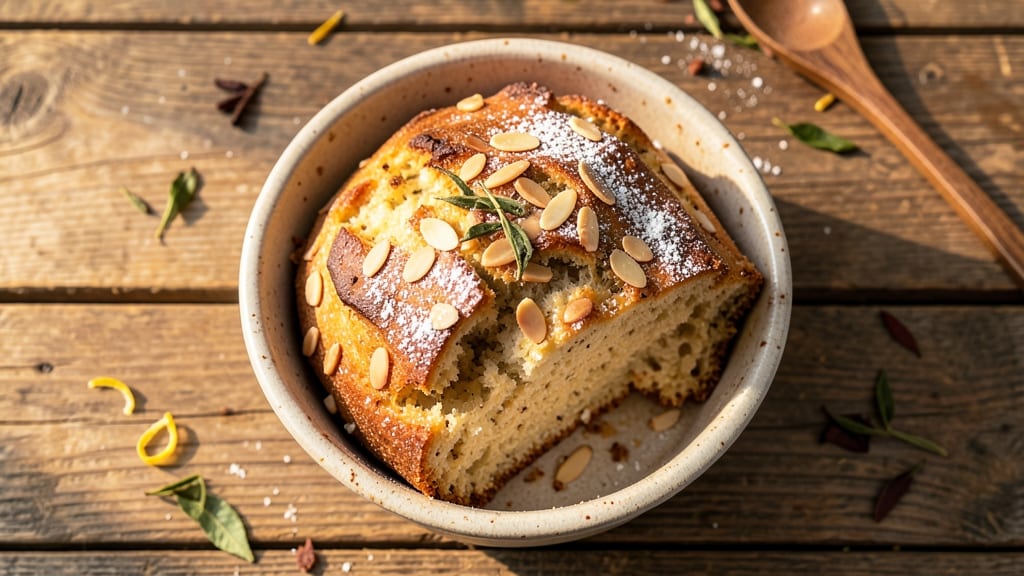
This almond tea bread recipe delivers a loaf with a moist crumb, nutty swirls, and deep vanilla aroma that transforms any afternoon into a special moment. The secret lies in infusing warm tea into the dough while blending almond flour for that signature tender texture—no dry crumb here.
I've perfected this recipe over years of baking, ensuring every slice stays fresh for days.
The magic happens with a simple yet effective technique: combining almond flour with all-purpose flour creates a balanced structure, while brewed tea adds subtle earthy notes that complement the sweetness. A touch of vanilla extract elevates the flavor profile, making each bite rich and aromatic.
This bread is perfect for breakfast, tea time, or as a gift—its versatility makes it a staple in any kitchen.
What you'll achieve is a golden-brown loaf with a tender crumb that's neither too sweet nor too dense, thanks to the careful balance of ingredients. The almond swirls add visual appeal and a satisfying crunch, while the tea infusion gives it a sophisticated depth.
Baking at 350°F ensures even cooking, and the result is a loaf that stays moist for days.
Whether you enjoy it plain, with a light glaze, or toasted with butter, this almond tea bread is a foolproof recipe that impresses every time. The combination of textures and flavors makes it a standout dessert or snack—ideal for those who appreciate a little indulgence without the heaviness.
Let's get started!
Ingredients for almond tea bread
Balanced flours, brewed tea, and vanilla create this signature tender loaf with nutty swirls.
| Ingredient | Amount | Notes |
|---|---|---|
| All-Purpose Flour 🌾 | 2 ½ cups | Sifted for even distribution |
| Almond Flour 🥜 | 1 ½ cups | Finely ground, unsweetened |
| Granulated Sugar 🍚 | 1 cup | Light brown preferred for depth |
| Light Brown Sugar 🍚 | ½ cup | Packed firmly for accurate measure |
| Unsalted Butter 🧈 | ¾ cup | Cold, cubed for creaming |
| Large Eggs 🥚 | 2 whole | Room temperature for blending |
| Pure Vanilla Extract 🌿 | 1 tbsp | High-quality, 100% pure |
| Brewed Black Tea ☕ | 1 cup | Cooled, steeped Earl Grey |
| Baking Powder 🧂 | 1 ½ tsp | Aluminum-free preferred |
| Salt 🧂 | ½ tsp | Fine sea salt |
| Almond Slices 🥜 | 1 cup | Thinly sliced for swirls |
| Whole Milk 🥛 | ½ cup | Warmed slightly for blending |
The almond flour is non-negotiable here—Bob's Red Mill or King Arthur brands deliver the finest grind for that signature tender crumb. Earl Grey tea is ideal for its bergamot notes, but English Breakfast or Chai work beautifully too. Brew a strong batch, let it cool completely, and strain out any leaves. For the almond slices, marcona almonds add a luxurious texture, but regular almonds toasted lightly in butter work perfectly fine. The butter should be cold when creaming to develop proper gluten structure—don't skip this step.
No almond flour? Substitute with extra all-purpose flour plus 1/4 cup ground almonds, though texture will differ slightly. Running short on Earl Grey? Chamomile or green tea infusions add floral notes that pair wonderfully. The baking powder must be fresh—test by mixing with water; if it bubbles vigorously, it's good to go. For a richer flavor, replace 1/4 cup of the all-purpose flour with cornmeal, which adds subtle sweetness and improves moisture retention. The vanilla extract should be 100% pure—Nielsen-Massey or McCormick are reliable brands that deliver consistent quality.
This loaf keeps exceptionally well—3-4 days at room temperature wrapped in a clean kitchen towel, or up to 1 week in an airtight container in the fridge. For longer storage, freeze slices individually wrapped in parchment for up to 3 months. The tea-infused dough is best used immediately, but you can prepare it a day ahead and refrigerate overnight. Simply let it sit at room temperature for 30 minutes before baking. The golden-brown crust develops best when baked at 350°F—resist opening the oven door for the first 20 minutes to prevent collapsing.
Why You'll Love This Recipe
- No Mixer Needed: The dough comes together with just a fork and your hands—no stand mixer, no food processor, just you, a bowl, and 10 minutes of effort. Honestly, I’ve made this while scrolling through my phone. The almond flour keeps it tender without the fuss of creaming butter properly.
- Buttery Almond Magic: That combo of light brown sugar and butter? It’s like a hug in bread form—rich but not heavy, with a subtle nutty depth from the almond flour. The crumb is soft, the edges just slightly crisp, and the first slice disappears faster than I can say “second cup of tea.”
- Tea Time Every Day: Slice it fresh for breakfast with butter and jam, or pack it for lunch—it stays moist for days. Between us, I’ve even frozen half the loaf and tossed it in the toaster for lazy mornings. Perfect for when you want something special but don’t want to bake from scratch daily.
- Budget-Friendly Luxury: You’re using pantry staples (butter, sugar, flour) plus a single bag of almond flour for a loaf that tastes like a bakery treat. I’ll be real: it’s cheaper than buying artisanal bread, but way more impressive when you pull it out of the oven. Plus, the leftovers? They’re the reason I always bake two loaves.
Step-by-step instructions for almond tea bread
Here's how to craft a tender loaf with perfect moisture and nutty richness every time.
Prepare the Dry Ingredients
In a medium bowl, whisk together the 2.5 cups all-purpose flour and 1.5 cups almond flour to evenly distribute. Sift in the 1.5 teaspoons baking powder and 0.5 teaspoon salt, then whisk again until fully combined. This step ensures no lumps remain and the baking powder activates properly.
In a separate small bowl, combine the 1 cup granulated sugar and 0.5 cup packed light brown sugar. The brown sugar adds molasses depth that complements the tea's flavor. Set both mixtures aside—they'll be ready when we need them.
Cream Butter and Sugars
In a stand mixer fitted with the paddle attachment, beat the 0.75 cup cold, cubed unsalted butter on medium speed until smooth but not melted (about 2 minutes). Gradually add the sugar mixture, mixing until light and fluffy with ribbons forming. This creaming process incorporates air, which creates the bread's signature tender crumb.
Add the 2 whole room-temperature eggs, one at a time, mixing well after each addition. Scrape down the sides of the bowl to ensure all ingredients are fully incorporated. The mixture should hold its shape when spooned—this indicates proper emulsification for a moist final texture.
Combine Wet Ingredients
Pour in the 1 cup cooled brewed black tea and 0.5 cup warmed whole milk, mixing on low speed until just combined. The tea's tannins enhance the almond flavor while adding subtle complexity. Add the 1 tablespoon pure vanilla extract and mix briefly to distribute.
Gradually add the dry ingredients to the wet mixture, mixing on low speed until just combined. Avoid overmixing—you should see small flour streaks remain. The dough will be thick and slightly sticky, which is perfect for creating that moist crumb we're after.
Fold in Almond Slices
Using a rubber spatula, gently fold in the 1 cup thin almond slices, reserving a few for the top. The slices should be evenly distributed throughout the batter for those signature nutty swirls. The reserved slices will create a beautiful decorative crust when baked.
Transfer the batter to a greased 9x5-inch loaf pan, smoothing the top. Arrange the reserved almond slices in a crisscross pattern over the top for both decoration and flavor contrast. This step ensures both visual appeal and that first bite of crunchy almond against tender bread.
Bake to Golden Perfection
Preheat your oven to 350°F and bake the bread for 50-55 minutes, or until a toothpick inserted in the center comes out clean. The bread is done when the top is golden brown and springs back slightly when pressed.
For best results, let the bread cool in the pan for 10 minutes before transferring to a wire rack. This gradual cooling prevents cracking and allows the moisture to distribute evenly. Once fully cooled, slice and serve—each piece should reveal that perfect moist crumb with pockets of almond richness.
Pro Tips For Making Almond Tea Bread
- Mix Almond Flour First: Dump the almond flour into the dry ingredients before adding wet ingredients—it prevents clumping like glue. I learned this the hard way after scraping gummy bits out of my mixer for the third time.
- Use Cold Butter: Cut the unsalted butter into cubes and refrigerate it for 20 minutes before creaming. Warm butter makes the dough too soft, and this bread needs structure to hold its shape when sliced.
- Skip Overmixing: Fold in the almond flour by hand once the wet ingredients are just combined—overmixing turns the dough dense. I was skeptical until I tried it; the crumb stays light and tender.
- Bake at 325°F: Don’t rush to 350°F—this bread’s magic happens at a steady 325°F. Too hot, and the almond flour burns before the center sets, leaving you with a dry, uneven loaf. (Yes, even if you’re impatient like me.)
Common mistakes when making this recipe
Overmixing the Dough
This is the #1 mistake I see beginners make—they turn the mixer up to high and end up with a tough, dense loaf instead of that tender crumb we all love. The moment your dough looks smooth with no visible flour streaks, stop mixing immediately.
Overworking the gluten creates a chewy texture that fights against the delicate balance of almond flour and tea. I recommend using a hand mixer on low speed or mixing by hand with a spatula for better control. 💫
Skipping the Tea Cooling Step
Hot tea can kill your yeast (if you were using any) and cause your bread to collapse or develop a gummy texture. Always let your brewed tea cool completely before adding it to the batter.
I like to steep my Earl Grey for 5 minutes, then let it sit at room temperature for another 10 minutes. You can even chill it in the fridge for 15 minutes if you're in a rush—just bring it to room temp before using.
Using Warm Butter
The butter should be cold and cubed when you start creaming it with the sugars. Warm butter creates a greasy, dense loaf because it melts too quickly and doesn't incorporate air properly.
I keep my butter in the fridge until just before using, then cut it into ½-inch cubes for even melting. If your kitchen gets warm, consider using butter from the freezer—it stays cold longer and gives you better control.
Incorrect Pan Preparation
A poorly greased pan leads to dry edges and a bread that sticks like glue. I always use a mix of butter and flour for my 9x5-inch loaf pan: melt 1 tablespoon butter, brush it evenly, then dust with 1 tablespoon flour, tapping out the excess. For extra insurance, I line the pan with parchment paper cut to size—just
Overbaking for Dryness
That toothpick test isn't just about cleanliness—it's about timing. If you bake until the toothpick comes out completely clean, your bread will dry out. Look for just a few moist crumbs when you pull it from the oven. I pull mine at 50 minutes and check again at 52 minutes—this gives me that perfect moist crumb without gumminess. The bread will continue cooking as it cools, so resist the urge to bake it to perfection.
Ignoring the Resting Time
Rushing to slice your bread immediately after baking is a recipe for disaster—it'll be crumbly and fall apart. Always let your loaf cool in the pan for 10 minutes before transferring to a wire rack. This resting period lets the moisture redistribute and the structure set properly.
I even cover it loosely with a kitchen towel during this time to prevent a skin from forming too quickly. Patience here makes all the difference in texture. 💪
Nutrition facts
Frequently asked questions
Can I substitute almond flour with regular flour?
You can try, but the texture will change significantly. Almond flour provides moisture and richness that regular flour can't replicate. For a closer result, use 2.25 cups all-purpose flour plus 1/4 cup ground almonds, but expect a denser crumb. The tea flavor will still shine through, though!
What type of tea works best for this recipe?
Earl Grey is ideal for its bergamot notes, but any black tea works well. Herbal teas like chamomile or green tea add floral depth, while chai brings warm spices. Just avoid strong, bitter teas—they can overpower the bread's sweetness. Always brew a strong batch and let it cool completely before using.
How do I make this recipe vegan?
Replace the butter with vegan butter or coconut oil, use flax eggs (2 tbsp ground flax + 6 tbsp water per egg), and swap milk for almond or oat milk. For binding, add 1/4 cup applesauce to the wet ingredients. The texture will be slightly denser but still delicious!
Can I add chocolate chips to this bread?
Fold in 1/2 cup chocolate chips or chopped chocolate with the almond slices. Dark chocolate pairs beautifully with the tea and almond flavors. For extra richness, use semi-sweet or milk chocolate. Just reduce the almond slices slightly to maintain balance.
How do I store leftovers?
Wrap cooled slices in plastic wrap or store in an airtight container at room temperature for 3-4 days. For longer storage, freeze slices for up to 3 months. To revive, warm in a 350°F oven for 5-10 minutes or toast in a toaster until golden. The tea flavor intensifies slightly when reheated!