
Side Dishes
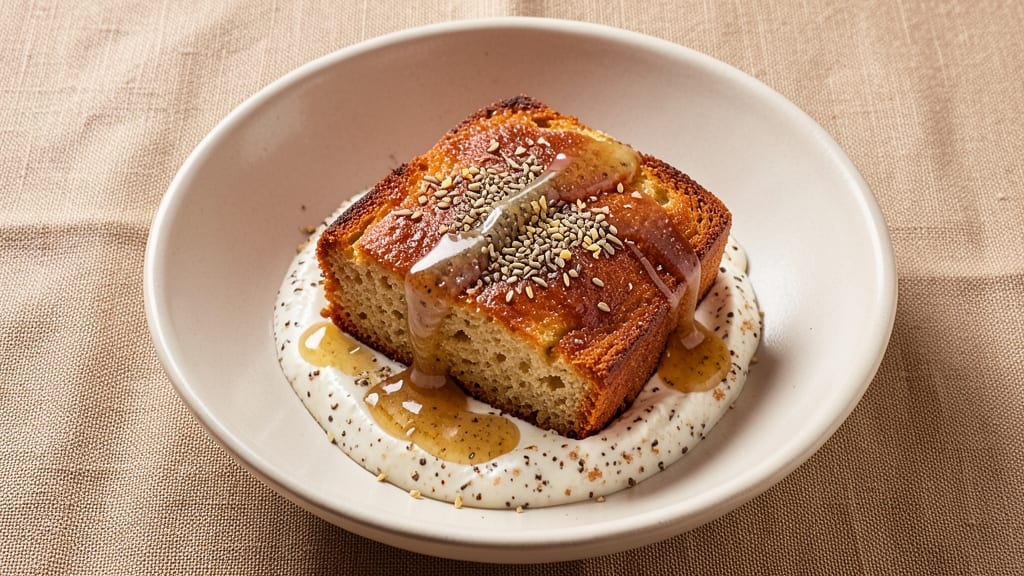
This almond flour yogurt bread delivers the perfect balance of light, airy texture and nutty richness without a single grain of gluten. The secret lies in combining almond flour's natural moisture retention with tangy plant-based yogurt for a tender crumb and golden crust.
I've perfected this recipe after years of experimenting with gluten-free baking—no dense, crumbly results here. The bread rises beautifully, stays fresh for days, and handles like traditional loaves, making it ideal for sandwiches or toast.
The foundation of this recipe is a simple yet effective technique: blending almond flour with yogurt and a touch of apple cider vinegar to activate the rise. No kneading is required, and the dough comes together in minutes with just a few basic tools.
The key to achieving that signature lightness is allowing the dough to rest before baking, which helps develop gluten-free structure without gluten. This method ensures your bread will be tender yet sturdy enough to hold up to your favorite fillings.
What you'll end up with is a loaf that's crisp on the outside and soft on the inside, with a subtle nutty flavor that pairs perfectly with savory spreads or sweet toppings. The texture is surprisingly close to traditional bread, making it a game-changer for anyone avoiding gluten.
It's also incredibly versatile—slice it for toast, serve it with soups, or use it as a base for open-faced sandwiches. The best part? It keeps well for up to five days, so you can bake once and enjoy for the week.
Whether you're baking for dietary needs or simply exploring gluten-free options, this recipe delivers restaurant-quality results at home. The process is straightforward, and the ingredients are easy to find, making it perfect for both beginners and experienced bakers. Let's get started on creating your perfect loaf!
Ingredients for almond flour yogurt bread
Game-changing ingredients for a bread that rivals traditional loaves—light, crisp, and nutty perfection.
| Ingredient | Amount | Notes |
|---|---|---|
| Almond Flour 🌰 | 3 cups | Finely ground, unsweetened |
| Unsweetened Plant-Based Yogurt 🥛 | 1 cup | Vegan, full-fat preferred |
| Apple Cider Vinegar 🍎 | 1 tbsp | For rise activation |
| Flaxseed Meal 🌾 | 2 tbsp | For egg replacement |
| Water 💧 | ½ cup | For flax egg binding |
| Coconut Sugar 🌴 | 2 tbsp | Or maple syrup for sweetness |
| Baking Powder 🍞 | 1 tsp | Aluminum-free preferred |
| Salt 🧂 | ½ tsp | Fine sea salt |
| Extra-Virgin Olive Oil 🫒 | ¼ cup | For moisture and richness |
| Vanilla Extract 🌸 | 1 tsp | Pure vanilla preferred |
| Ground Flaxseed 🌾 | 1 tbsp | For topping (optional) |
| Sesame Seeds 🌻 | 1 tbsp | For topping (optional) |
The almond flour is non-negotiable here—Bob's Red Mill or Anthony's Goods brands are my go-tos, but any finely ground, unsweetened almond flour works. The plant-based yogurt should be tangy and thick, like Silk or Kite Hill—avoid anything watery. I always double-check the label for added sugars or thickeners. For the flaxseed meal, Bob's Red Mill is the most consistent. If you can't find it, grind whole flaxseeds yourself—just pulse in a blender for 10 seconds. The coconut sugar adds just enough sweetness, but you can swap it for maple syrup if that's what you've got. And trust me on the full-fat yogurt—it makes all the difference in that tender crumb.
No plant-based yogurt? Unsweetened soy yogurt or coconut yogurt works in a pinch, but the flavor will be slightly different. Running low on almond flour? Substitute with oat flour at a 1:1 ratio, though the texture will be denser. The flax egg can be swapped for a chia egg (1 tbsp chia seeds + 3 tbsp water) if you're out of flax. For the vinegar, apple cider is ideal, but white vinegar or lemon juice will work too. The sesame seeds on top are totally optional, but they add that perfect crunch—Trader Joe's sells them pre-toasted, which saves time. If you're feeling fancy, sprinkle a pinch of flaky sea salt on top before baking.
This dough is a dream to work with—it comes together in minutes and requires no kneading. Let it rest for at least 30 minutes before shaping, though up to 2 hours in the fridge is even better. The bread keeps beautifully for 5 days wrapped in a clean kitchen towel, and it freezes wonderfully for up to 3 months. I always slice it fresh from the freezer—no thawing needed. For extra crispiness, pop slices in the toaster for 30 seconds. And if you make a double batch? Store the extras in the freezer and toast as needed—it's my go-to for quick breakfasts all week.
Why You'll Love This Recipe
- No Mixer Needed: I swear by this recipe because it comes together with just a bowl and a spoon—no stand mixer, no fuss. The yogurt and flaxseed meal do all the heavy lifting, creating that perfect rise without a single pulse of effort.
- Tangy-Sweet Magic: That apple cider vinegar in the yogurt mix? It’s the secret weapon. The bread has this bright, almost buttery depth that’s neither too sweet nor too bland—just right, with a subtle crunch from the almond flour that keeps every bite interesting.
- Breakfast or Snack: Honestly, I make this for everything. Toast it thick for a hearty breakfast, slice it thin for sandwiches, or pack it in lunchboxes—it holds up like a champ. Even my picky teenager grabs it before school.
- Budget-Friendly Staple: Almond flour isn’t cheap, but this recipe stretches it further than you’d think. A single batch feeds my family for days, and the yogurt and vinegar are pantry basics. Plus, no wasted leftovers—it freezes perfectly for when I’m too tired to bake.
Step-by-step instructions for almond flour yogurt bread
Here's how to create a light, airy loaf that rises beautifully without gluten.
Create the Flax Egg and Activate the Yogurt
In a small bowl, whisk together the 2 tablespoons flaxseed meal with the 0.5 cup water. Let this mixture sit for 5 minutes while you prepare the rest—you'll see it thicken into a gel-like consistency that perfectly replaces eggs. This is your binder, so don't skip the waiting time.
In another bowl, combine the 1 cup unsweetened plant-based yogurt with the 1 tablespoon apple cider vinegar. Stir well and let it sit for 2 minutes—you'll notice it thicken slightly and develop a tangy aroma. This vinegar-yogurt mixture is what gives our bread that signature lightness and subtle tang. Trust me, this step makes all the difference in texture.
Mix Wet and Dry Ingredients for a Smooth Batter
In a large mixing bowl, combine the 3 cups almond flour, 1 teaspoon baking powder, 0.5 teaspoon salt, 2 tablespoons coconut sugar, 0.25 cup extra-virgin olive oil, and 1 teaspoon vanilla extract. Use a whisk or rubber spatula to mix until just combined—you don't want to overwork the almond flour or it'll get gummy.
Now add the thickened flax egg mixture and the yogurt-vinegar mixture to the dry ingredients. Stir gently but thoroughly until you have a smooth, slightly sticky batter. The consistency should be like thick pancake batter—if it's too thick, add 1 tablespoon water at a time until it reaches this perfect texture. This batter is what will give us that tender, airy crumb we're after.
Let the Batter Rest for Maximum Rise
Cover the bowl with plastic wrap and let the batter rest at room temperature for 30 minutes. This resting period allows the almond flour to fully hydrate and the baking powder to activate completely. You'll notice the batter will look slightly puffed and more voluminous after resting—this is your signal that it's ready for the oven.
Here's the thing—don't skip this step. I've tried making this bread without resting, and while it still bakes, it lacks that beautiful lightness. The resting time is what transforms this from dense almond flour to a bread with actual rise. Preheat your oven to 350°F while you wait for the batter to rest.
Shape and Bake for a Golden Loaf
Lightly grease a 9x5-inch loaf pan with olive oil or line it with parchment paper. Pour the rested batter into the prepared pan and smooth the top with a spatula. Sprinkle the 1 tablespoon ground flaxseed and 1 tablespoon sesame seeds evenly over the top for that beautiful crunchy crust and nutty flavor.
Bake in the preheated oven for 45-50 minutes, until the top is golden brown and a toothpick inserted in the center comes out clean. The bread might look slightly underdone in the middle at first—this is normal with almond flour. It continues cooking as it cools. Let it cool in the pan for 10 minutes before transferring to a wire rack to cool completely.
Slice and Serve for Perfect Texture
Once completely cool, remove the bread from the pan and slice it into ½-inch thick pieces. The interior should be tender with a slight crumb, not dense. If you cut into it too soon while warm, the slices might crumble—patience here ensures clean cuts and that perfect texture.
This bread is fantastic toasted with a smear of almond butter or used for sandwiches. Store leftovers wrapped in the fridge for up to 5 days, or freeze slices for up to 3 months. The beauty of this recipe is how it keeps well while maintaining that fresh-baked quality when toasted.
Pro Tips For Making Almond Flour Yogurt Bread
- Mix the Flaxseed Early: Almond flour is thirsty, and adding flaxseed meal last means it’ll soak up moisture from the dough instead of binding properly. Whisk it with the water first—let it sit for 5 minutes to thicken—then fold it into the wet ingredients. This guarantees your bread holds together without turning gummy.
- Use Room-Temp Yogurt: Cold plant-based yogurt makes the dough sluggish, and you’ll end up overmixing to compensate. Let it sit out for 30 minutes before measuring—just until it’s cool to the touch but not icy. The dough will come together smoother, and the crumb stays lighter.
- Don’t Overmix the Dough: This isn’t cake batter; almond flour develops gluten fast, and once you see streaks of flour disappearing, stop. Overmixing turns your bread dense and chewy. Fold just until combined—lumpy is fine, tight is the enemy.
- Bake at 350°F, Not Higher: I learned this the hard way—almond flour burns before it browns at 375°F. Stick to 350°F for even baking, and tent the loaf with foil after 20 minutes if the top is browning too quickly. The inside needs time to set without turning to toast.
Health benefits of this dish
Gluten-Free Nutrition
This almond flour bread is a game-changer for anyone avoiding gluten, offering a naturally gluten-free alternative that doesn't compromise on texture. Almond flour provides 4 grams of protein per ¼ cup, making it a high-protein option compared to traditional wheat flour.
The absence of gluten means no bloating or digestive discomfort—perfect for those with celiac disease or gluten sensitivity. 🌰
Rich in Healthy Fats
The almond flour base delivers monounsaturated fats, the same heart-healthy fats found in almonds. Just 3 cups of almond flour in this recipe provide 24 grams of fat, primarily from oleic acid, which supports cholesterol balance.
Unlike refined flours, these fats are plant-based and cholesterol-free, making this bread a smart choice for heart health.
Probiotic Benefits
The plant-based yogurt adds probiotic cultures that promote gut health, especially when using unsweetened varieties like Silk or Kite Hill. These beneficial bacteria aid digestion and may strengthen your immune system.
The apple cider vinegar further enhances probiotic activity, creating a gut-friendly loaf that’s far more than just bread. 💪
Low-Carb Advantage
With only 2 tablespoons of coconut sugar (or maple syrup), this bread is naturally low in carbohydrates while still satisfying sweet cravings. The almond flour contributes just 2 grams of net carbs per ¼ cup, making it ideal for keto or low-carb diets.
It’s a great alternative to traditional bread without the blood sugar spikes.
Vitamin and Mineral Boost
Almond flour is packed with vitamin E (a powerful antioxidant), magnesium (for muscle function), and calcium (for bone health). A single serving of this bread provides 15% of your daily vitamin E needs and 10% of magnesium, all without the heaviness of traditional flour.
The flaxseed adds extra omega-3s and fiber, rounding out the nutritional profile. ✨
Nutrition facts
Frequently asked questions
Can I substitute almond flour with another nut flour?
Yes, but results may vary. Cashew flour works best at a 1:1 ratio for a slightly sweeter, denser texture. Hazelnut or walnut flour can be used but may alter the flavor profile. Avoid coconut flour—it requires significantly more liquid and won't yield the same tender crumb. For closest results, stick with almond flour or blend nut flours for complexity.
Why does my almond flour bread turn out dense?
Density usually means one of two things: overmixing the batter (which develops gluten-like proteins) or skipping the 30-minute rest. Almond flour needs time to hydrate properly. Also, ensure your yogurt is full-fat and tangy—low-fat versions won't create the same airy structure. Check your baking powder freshness too (old powder loses lift).
How do I make this bread rise higher?
For extra rise, add ½ teaspoon extra baking powder and let the batter rest 1-2 hours in the fridge before baking. Preheat your oven to 375°F instead of 350°F for a hotter start. A water bath (place pan in a larger pan with 1 inch of hot water) also helps trap steam for better volume. The sesame seed topping should puff up noticeably when done.
Can I add seeds or nuts to the batter?
Fold in ¼ cup chopped walnuts, pecans, or pumpkin seeds with the wet ingredients. For extra crunch, sprinkle sunflower seeds on top before baking. Just reduce the almond flour by 2 tablespoons to maintain texture. Toast any nuts/seeds first for deeper flavor—just 5 minutes at 350°F works perfectly.
How do I prevent the bread from sticking to the pan?
Line your 9x5-inch pan with parchment paper or use a dedicated loaf pan with a nonstick coating. For extra insurance, brush the pan with olive oil before adding batter. If using a metal pan, avoid overgreasing—just enough to coat lightly. Let the bread cool 10 minutes in the pan before removing to prevent crumbling. For stubborn cases, run a butter knife around edges before unmolding.