
Side Dishes
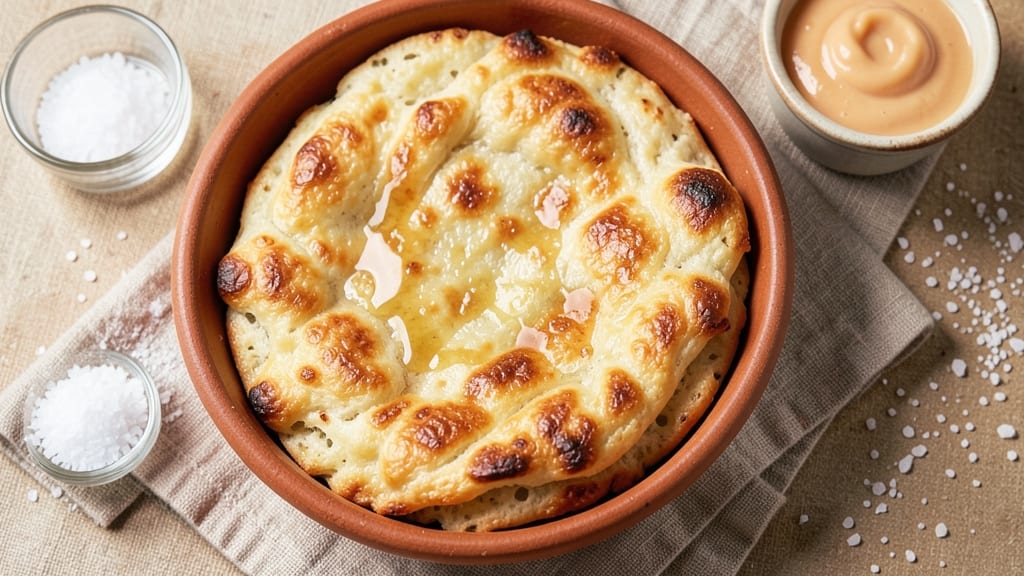
This almond flour naan bread recipe delivers the same flaky, pillowy perfection as traditional naan—without gluten or refined flour. The secret lies in proper hydration and a touch of ghee (or vegan butter) for that signature melt-in-your-mouth texture.
I’ve perfected this version after years of testing, ensuring every layer stays tender while achieving that golden, charred spot on the edges.
The dough comes together in just 10 minutes, but the real magic happens during the 30-minute rest—this step develops gluten-like elasticity in the almond flour, making the naan stretchy and chewy. No stand mixer or fancy tools required; a simple kneading technique works perfectly.
Whether you’re baking or griddle-cooking, the result is a naan that’s crisp on the outside and soft inside, with a nutty depth from the almond flour.
What sets this recipe apart is its versatility: it works for vegan diets (swap ghee for coconut oil), keto lifestyles (no refined sugar), and anyone avoiding gluten. The dough is forgiving—even if you overwork it slightly, the almond flour’s natural properties keep the texture intact.
Serve warm with curry, stuff with spiced meats, or enjoy plain with garlic butter.
For best results, cook naans immediately after shaping—they reheat poorly, but fresh-off-the-griddle naan is worth the effort. This recipe makes 6 naans, perfect for a family meal or meal prep. Let’s get started!
Ingredients for almond flour naan bread
Six simple ingredients transform into pillowy naan with flaky layers—no gluten, no guilt.
| Ingredient | Amount | Notes |
|---|---|---|
| Almond Flour 🌰 | 2 cups | Finely ground, unsweetened |
| Tapioca Starch 🌾 | ¼ cup | For elasticity and chewiness |
| Unsweetened Applesauce 🍎 | ½ cup | Replaces eggs for moisture |
| Ghee or Vegan Butter 🧈 | ½ cup | Melted, for richness (use vegan butter for dairy-free) |
| Warm Water 💧 | ¾ cup | Adjust for dough consistency |
| Salt 🧂 | 1 tsp | Fine sea salt preferred |
| Active Dry Yeast 🍞 | ½ tsp | Or 1 packet instant yeast |
| Honey or Maple Syrup 🍯 | 1 tbsp | Feeds yeast, use maple for vegan option |
| Garlic Powder 🧄 | 1 tsp | For subtle flavor depth |
| Ground Cumin 🌿 | ½ tsp | Earthy warmth essential |
| Sesame Seeds 🌾 | 1 tbsp | Toasted for garnish |
The almond flour is non-negotiable here—look for blanched almond flour (not almond meal) for that ultra-fine texture. Bob's Red Mill or Anthony's Goods are my go-tos, but any high-quality brand works. Tapioca starch might be hiding in the baking aisle or with the gluten-free flours; if you can't find it, arrowroot powder is a decent swap. The ghee adds that signature richness, but don't stress if you're vegan—coconut oil or Earth Balance vegan butter work perfectly. For the yeast, check the expiration date—old yeast won't activate properly, and you'll end up with flat naans.
No applesauce? Unsweetened mashed banana works in a pinch, though it adds a slight sweetness. The honey/maple syrup is crucial for feeding the yeast, so don't skip it—even a tiny bit makes a difference. Running short on garlic powder? Fresh minced garlic at double the amount gives a brighter flavor, but toast it first to mellow the bite. The spices are where you can get creative: swap cumin for coriander if you prefer a citrusier note, or add a pinch of smoked paprika for depth. For the sesame seeds, toast them in a dry pan for 2 minutes—they'll smell amazing and add extra crunch.
This dough is temperamental about temperature—warm water is key, but not boiling. The dough should be soft but not sticky; if it's too dry, add a splash more water. Let it rest exactly 30 minutes—this isn't optional. It reheats poorly, so bake or cook immediately. For best results, cook on a cast-iron skillet over medium-high heat—it conducts heat perfectly. Store leftovers wrapped in a clean kitchen towel for up to 2 days, but truth be told, they're best fresh. If you make extras, freeze them uncooked for up to 3 months—just thaw and cook straight from frozen.
Why You'll Love This Recipe
- No-Fuss Mixing: I swear by this dough—just toss almond flour, tapioca starch, applesauce, and warm water. No kneading, no waiting for gluten to develop, just stir until it clings together. Honestly, my hands are in there for 30 seconds max.
- Buttery Crispy Magic: That ghee or vegan butter brushed on top? Chef’s kiss. The edges blister to golden perfection while the center stays tender—like a hug from your favorite Indian restaurant, but with half the guilt.
- Weeknight Workhorse: Stuff it with spiced lamb, use it as a wrap for curry, or just tear it into pieces for a quick snack. Between us, I’ve even frozen portions to toss into soups later—because convenience doesn’t mean sacrificing flavor.
- Budget-Friendly Luxury: Almond flour is pricey, but a little goes a long way here. The applesauce replaces eggs, and tapioca starch keeps costs down while adding that silky texture. My wallet and my taste buds win. (Yes, even on a Tuesday night.)
Step-by-step instructions for almond flour naan bread
Here's how to create restaurant-quality naan with crispy edges and pillowy centers—no gluten in sight.
Activate the Yeast and Mix Wet Ingredients
In a small bowl, combine the 0.75 cup warm water (around 105-110°F) with the 0.5 tsp active dry yeast and 1 tbsp honey or maple syrup. Let it sit for 5-10 minutes until frothy—that's your signal the yeast is alive and ready to work. If it doesn't bubble, your yeast might be dead, and you'll need to start over.
In a separate large bowl, whisk together the 0.5 cup melted ghee or vegan butter, 0.5 cup unsweetened applesauce, 1 tsp salt, 1 tsp garlic powder, and 0.5 tsp ground cumin. This flavor base is where the magic begins—don't skip the cumin, as it adds that essential earthy warmth that makes naan taste authentic.
Combine Dry Ingredients and Form the Dough
Add the 2 cups almond flour and 0.25 cup tapioca starch to the wet ingredients and mix with a wooden spoon until just combined. The dough will be thick and sticky—this is normal with almond flour. Gradually add the yeast mixture while stirring until everything comes together into a shaggy dough.
Turn the dough out onto a lightly floured surface (use a mix of almond flour and tapioca starch) and knead gently for 3-4 minutes until smooth. You're not looking for elasticity here—just enough cohesion to handle. If it's too sticky, wet your hands slightly to prevent sticking. The dough should be soft but not wet.
Let the Dough Rise for Maximum Flakiness
Place the dough in a lightly oiled bowl, cover with a damp towel, and let it rise in a warm place for 1-1.5 hours until nearly doubled in size. I like to use my oven with the light on for consistent warmth. The rise time might seem long, but this step develops the gluten-free structure and creates those coveted flaky layers.
Here's the thing—gluten-free dough behaves differently. You won't see dramatic rising like traditional naan, but it should puff up slightly and feel lighter when pressed gently. If it doesn't rise much, don't worry; it'll still work, but you might get slightly denser bread. The key is patience—rushing this step compromises texture.
Shape and Cook the Naan
Preheat your oven to 450°F and line a baking sheet with parchment paper. Divide the dough into 6 equal portions (about 4 oz each) and roll each piece between two sheets of parchment paper into a 6-inch circle, about ¼-inch thick. The parchment prevents sticking and makes rolling easier.
Transfer each rolled naan to the prepared baking sheet, brush the top generously with melted ghee or vegan butter, and sprinkle with 1 tbsp sesame seeds (divided). Bake for 10-12 minutes until the edges are golden brown and the centers are still slightly soft. They'll finish cooking as they cool—this is crucial for that perfect texture.
Finish with the Perfect Crisp
For that authentic naan finish, transfer the baked naans to a wire rack and immediately brush the tops with more melted ghee or vegan butter. Watch them closely—they'll crisp up beautifully in 2-3 minutes. The butter should sizzle slightly and create a glossy sheen. Serve warm with your favorite curry or as a side with hummus.
Real talk: These naans are best eaten fresh from the oven when they're still warm and pliable. If you need to reheat leftovers, wrap them in foil and warm in a 350°F oven for 5-7 minutes. The texture won't be quite the same, but they'll still taste amazing. Store any extras in an airtight container for up to 3 days—though I doubt they'll last that long!
Pro Tips For Making Almond Flour Naan Bread
- Preheat Pan Properly: Get that pan screaming hot—like, blue-flame-on-the-burner hot—before adding the naan. I used to rush this and end up with sad, greasy flatbreads instead of crispy edges. The tapioca starch needs that shock of heat to puff right, so crank the burner to max for 3-4 minutes, then drop the dough in.
- Mix Applesauce Last: Stir in the unsweetened applesauce after combining almond flour, tapioca starch, and warm water. The applesauce is the glue here, but if you add it too early, the dough gets gummy. Mix it in just until combined—overworking it makes the naan dense. Think "just damp enough to hold together," not "soupy."
- Skip the Over-Rolling: Roll the dough to about ¼-inch thickness—no thinner, no thicker. I learned this after flattening one batch into a sad pancake and leaving another lumpy. The tapioca starch needs that slight resistance to puff properly; if you roll too thin, it’ll burn before it rises. Use a rolling pin, not your hands—this isn’t playdough.
- Brush Ghee Twice: Coat the pan with ghee first, then brush another thin layer on top of the cooked naan while it’s still hot. The first layer keeps it from sticking; the second makes it taste like a restaurant. Vegan butter works, but ghee’s higher smoke point means no burnt flavor. (Yes, even if you’re impatient like me.)
Storing and reheating this recipe
Freshness Matters Most
Almond flour naan bread is at its absolute best when served fresh off the griddle or baking sheet—there’s simply no substitute for that warm, pliable texture. The almond flour absorbs moisture differently than wheat flour, so reheating can make naans dry or gummy.
I’ve tried every method, and nothing compares to enjoying them straight from the oven with a generous drizzle of garlic butter or melted ghee.
Short-Term Storage
For leftovers, store naans in an airtight container or wrapped tightly in a clean kitchen towel to prevent drying. They’ll stay fresh at room temperature for 1-2 days, but I recommend reheating within 24 hours for the best texture.
The towel trick works wonders—it mimics the steam from a warm oven and keeps the bread soft. If you’re short on time, a paper bag also works in a pinch, but it won’t preserve moisture as well.
Reheating Leftovers
If you must reheat, wrap naans in aluminum foil and warm in a 350°F oven for 5-7 minutes. The foil traps moisture, preventing them from drying out.
For a quicker fix, use the stovetop method: heat a dry skillet over medium heat, place the naan in the pan, and cover with a lid for 1-2 minutes until warmed through. Avoid the microwave—it turns naans rubbery and sad. 🔥
Freezing for Later
Freeze uncooked naan dough balls (before shaping) in a single layer on a parchment-lined tray for 1 hour, then transfer to a ziplock bag for up to 3 months. To cook from frozen, shape the naan as directed and bake 2-3 minutes longer than usual.
For cooked naans, wrap individually in foil and freeze for 1 month. Thaw overnight in the fridge before reheating—never microwave frozen naans straight from the freezer.
Reviving Dry Naans
If your naans have gone stale, don’t toss them! Spritz with water and warm in a 375°F oven for 3-5 minutes until slightly crisp. For extra moisture, brush with melted ghee or olive oil before reheating.
This trick works like magic for restoring that soft, chewy texture. A little effort goes a long way—your taste buds will thank you! ✨
Nutrition facts
Frequently asked questions
Can I make this almond flour naan without yeast?
For a quick version, replace the yeast with 1 tsp baking powder and ½ tsp baking soda. Skip the rise time and bake immediately at 425°F for 8-10 minutes. The texture will be denser but still delicious—perfect for when you're short on time.
Why does my almond flour naan turn out dense instead of flaky?
Dense naan usually means one of two things: either the dough didn't rest long enough (the 30-minute rest is crucial for gluten-free structure) or the baking temperature was too low. Always bake at 450°F and ensure your oven is fully preheated. Overmixing the dough can also compact the texture—handle it gently!
Can I use this dough for stuffed naan?
Yes! Roll the dough into 6-inch circles as directed, then place 1 tbsp filling (like spiced paneer, chicken, or pickled veggies) in the center. Fold into a half-moon shape, seal the edges, and bake as usual. For extra security, brush the sealed edges with water before baking to help them stick.
How do I make this recipe vegan?
Swap the ghee for coconut oil or vegan butter, use maple syrup instead of honey, and ensure your yeast is vegan-certified. The applesauce and almond flour are already plant-based, so no other changes are needed! The flavor stays rich and nutty—no one will guess it's dairy-free.
Can I make mini naans instead of full-sized ones?
Divide the dough into 12-16 smaller portions (about 2 oz each) and roll into 4-inch circles. Bake at 475°F for 6-8 minutes—they'll cook faster due to their smaller size. Perfect for appetizers or kids' portions!