
Side Dishes
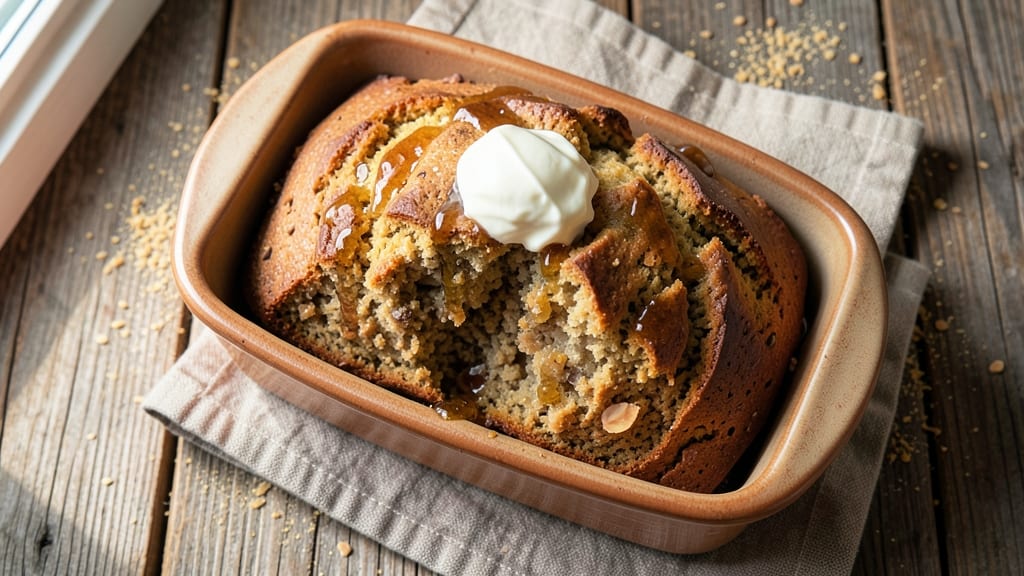
This almond flour cornbread recipe delivers a nutty, grain-free twist on a classic side dish with a crisp crust and moist crumb that holds up to soups, chili, or even breakfast.
The secret lies in balancing almond flour’s richness with just enough moisture to prevent dryness—a common challenge in gluten-free baking. I’ve perfected this version after testing multiple ratios, ensuring it stays tender without sacrificing that satisfying crunch.
The beauty of this recipe is its versatility. Skip the cornmeal entirely for a pure almond flour base, or blend it with a small amount of fine-ground corn for texture.
A touch of honey or maple syrup adds subtle sweetness, while cheddar cheese or chives can elevate it to a savory side. The key? Whisking the wet and dry ingredients separately to avoid lumps, then folding them together gently for an airy, even crumb.
Baked at 350°F for 20–25 minutes, this cornbread emerges with a golden, crackly top and a soft interior that’s far from the dense, crumbly results of many gluten-free alternatives.
The almond flour lends a delicate nuttiness that pairs beautifully with hearty meals, while the corn adds just enough familiar flavor to feel like a comfort-food staple.
Serve warm with a pat of butter, a drizzle of honey, or alongside your favorite chili for dipping. The moist texture and rich flavor make it a standout for anyone avoiding gluten or simply craving a lighter take on cornbread. Ready to bake?
Ingredients for almond flour corn bread
Grain-free baking starts with these 12 simple ingredients for a nutty, moist cornbread with crisp crust.
| Ingredient | Amount | Notes |
|---|---|---|
| Almond Flour 🥜 | 1 ½ cups | Finely ground, unsweetened preferred |
| Fine-Ground Cornmeal 🌽 | ½ cup | For texture, optional for pure almond base |
| Large Eggs 🥚 | 2 whole | Room temperature for even mixing |
| Unsalted Butter 🧈 | ½ cup | Melted, full-fat for richness |
| Unsweetened Almond Milk 🥛 | ¾ cup | Or any neutral plant milk |
| Pure Maple Syrup 🍯 | ¼ cup | Or honey for subtle sweetness |
| Baking Powder 🍃 | 1 tbsp | Diamond Crystal preferred |
| Salt 🧂 | ½ tsp | Fine sea salt preferred |
| Fresh Chives 🌿 | 2 tbsp | Chopped, for garnish (optional) |
| Sharp Cheddar Cheese 🧀 | ½ cup | Shredded, optional for savory version |
| Vanilla Extract 🌸 | ½ tsp | Pure extract for depth |
| Lemon Zest 🍋 | 1 tsp | Brightens flavor profile |
Almond flour is the star here—Bob’s Red Mill or Anthony’s Goods brands stay finely ground longer. For the cornmeal, Bob’s Red Mill fine-ground is ideal if you want that classic texture, but you can skip it entirely if you prefer a pure almond flour base. The butter matters for moisture and richness, so use full-fat, unsalted—none of that light or salted nonsense. Eggs should be room temperature to mix smoothly, and almond milk adds just enough moisture without overpowering the nutty flavor. If you’re using cheddar, sharp cheddar melts best—no pre-shredded stuff.
No almond milk? Coconut milk or oat milk work too, but stick to unsweetened versions. Maple syrup can be swapped for honey, but reduce to 2 tablespoons since it’s sweeter. The baking powder is non-negotiable—Diamond Crystal rises better than generic brands. Fresh chives add a bright finish, but if you’re out, dried chives at half the amount will do. For a savory twist, swap the maple syrup for extra almond milk and add more cheddar. The lemon zest might seem small, but it cuts through the richness beautifully—don’t skip it.
Store any leftovers in an airtight container for up to 3 days—though it reheats beautifully. For longer storage, wrap tightly in foil and freeze for up to 2 months. The crust stays crisp when reheated, while the crumb remains tender. I like to portion mine into slices before freezing, so I can just pop one in the toaster for a quick breakfast. The almond flour absorbs moisture fast, so preheat your oven fully before baking—this helps create that perfect crisp crust.
Why You'll Love This Recipe
- No-Fuss Mix-In: I swear by this recipe because it’s the kind of thing you can measure, dump, and stir without breaking a sweat. The almond flour and cornmeal blend comes together in seconds—no sifting, no fuss—just a quick whisk and into the oven.
- Nutty-Sweet Crunch: That first bite? The almond flour gives it a delicate, buttery richness while the fine-ground cornmeal adds just enough texture to keep it interesting. Honestly, it’s the kind of flavor that makes you want to cut yourself a second slice before anyone else gets to it.
- Weeknight Dinner Hero: This bread is my secret weapon for lazy nights when I forget to make dinner rolls. Toss it on the table with chili, soup, or even as a side to roasted chicken—it soaks up flavors like a dream and disappears faster than I can say "leftovers."
- Budget-Friendly Indulgence: Between us, almond flour can be pricey, but this recipe stretches it perfectly. A single batch feeds four, and the leftovers toast up beautifully the next day. I’ll be real: it’s the kind of treat that makes you feel fancy without breaking the bank.
Step-by-step instructions for almond flour cornbread
Here's how to achieve a perfectly moist, nutty cornbread with a tender crumb and crisp edges.
Prep Ingredients for Optimal Texture
Begin by melting the 0.5 cup unsalted butter in a small saucepan over low heat until completely liquid. While it melts, whisk together the 1.5 cups almond flour, 0.5 cup fine-ground cornmeal, 1 tablespoon baking powder, and 0.5 teaspoon salt in a medium bowl. This dry mixture is your foundation—make sure it's evenly combined so the cornbread rises properly.
In a separate bowl, beat the 2 whole large eggs until frothy, then whisk in the 0.75 cup unsweetened almond milk, 0.25 cup pure maple syrup, 0.5 teaspoon vanilla extract, and 1 teaspoon lemon zest. The lemon zest adds brightness that balances the richness of the almond flour. Let the egg mixture sit while the butter melts—this ensures everything comes together smoothly when combined.
Combine Wet and Dry Ingredients
Pour the melted butter into the egg mixture and stir until fully incorporated. The butter should cool slightly before adding it to the eggs to prevent scrambling. Gradually add the dry ingredient mixture to the wet, mixing just until combined—you should still see small flour streaks. Overmixing develops gluten, which can make the cornbread dense instead of tender.
If using the optional 0.5 cup sharp cheddar cheese, fold it in now using a spatula. The cheese adds a savory depth that pairs beautifully with the nutty almond flour. For extra moisture, you can also stir in 1-2 tablespoons of additional almond milk if the batter seems too thick. The ideal consistency should resemble thick pancake batter but still be pourable.
Bake for a Moist, Golden Crumb
Preheat your oven to 350°F and lightly grease an 8-inch square baking dish or cast-iron skillet. Pour the batter into the prepared pan and smooth the top with a spatula. For a rustic finish, you can sprinkle the chopped 2 tablespoons fresh chives evenly over the top—this adds freshness and visual appeal.
Bake for 25-30 minutes until the edges are golden brown and a toothpick inserted into the center comes out clean. The cornbread is done when it springs back slightly when pressed gently in the center. If the top browns too quickly, tent the pan with foil during the last 10 minutes to prevent over-browning while ensuring the interior remains moist.
Rest and Serve for Maximum Tenderness
Remove the cornbread from the oven and let it cool in the pan for 5 minutes. This resting period allows the crumb to set slightly, making it easier to slice. For the best texture, transfer it to a wire rack and let it cool for another 10 minutes. The cornbread should be moist but not gummy—if it's still warm, the crumb will continue to soften as it cools.
Slice into squares or serve as-is, depending on your preference. The interior should be tender with a slightly crumbly yet moist texture, while the edges remain crisp. Store leftovers in an airtight container at room temperature for up to 2 days, or refrigerate for up to 5 days. To reheat, wrap a slice in foil and warm in a 350°F oven for 5 minutes to restore moisture.
Pro Tips For Making Almond Flour Corn Bread
- MEASURE ALMOND FLOUR BY WEIGHT: Almond flour is deceptive—scooping it straight from the bag packs it down, making your bread dense instead of light. Use a kitchen scale for accuracy (1 cup = ~115g) or fluff it with a fork before scooping—yes, it looks ridiculous, but it works every time.
- WHISK EGGS AND MILK FIRST: Mixing the eggs and almond milk separately before combining with dry ingredients prevents lumps and ensures a smoother batter. I learned this the hard way after scraping egg bits out of my whisk—now I always do this step first, even if it feels like an extra one.
- DON’T OVERMIX THE BATTER: Almond flour corn bread relies on tender crumb, not gluten development. Stir just until the dry ingredients disappear—about 10-12 strokes—then stop. Overmixing makes it tough, and nobody wants a chewy corn bread when you’re going for that melt-in-your-mouth texture.
- BAKE AT 375°F UNTIL GOLDEN: This isn’t a "done when it looks baked" situation. Almond flour breads can look set on the outside while staying undercooked inside. Bake until the edges are deep golden (not just pale) and the internal temp hits 205°F—yes, that’s hotter than most recipes say, but it guarantees a fully cooked crumb.
Troubleshooting great almond flour corn bread
Dry or Dense Cornbread
Almond flour absorbs moisture faster than traditional flours, so overmixing or insufficient liquid is the usual culprit. To fix this, reduce your almond flour by 1-2 tablespoons and add 1-2 tablespoons more almond milk to the wet ingredients.
Also, ensure your baking powder is fresh—old baking powder loses its lift. I recommend Diamond Crystal for best results. 💡
Flat or Not Rising
If your cornbread flattens instead of rising, your baking powder might be expired or the oven temperature isn't hot enough. Preheat your oven for at least 15 minutes before baking and verify the temperature with an oven thermometer.
Also, whisk your dry ingredients thoroughly to ensure even distribution of the leavening agent. A 350°F oven should be accurate, but some ovens run hot or cold. 🌡️
Crust Too Soft or Gummy
A soft crust often means the cornbread wasn’t baked long enough or the oven wasn’t hot enough. Increase your bake time by 5 minutes and check the oven temperature again. For extra crispiness, broil for 1-2 minutes at the end of baking—just watch it closely to avoid burning.
If the crumb feels gummy, it may need more baking powder (½ teaspoon extra) or a slightly higher oven temperature (375°F).
Cracked Top or Uneven Baking
Uneven baking usually happens when the oven isn’t preheated properly or the batter isn’t distributed evenly. For a smooth top, pour the batter into the pan and tap it gently on the counter to release air bubbles.
If cracks form, it’s likely due to rapid heat loss—try baking on the middle rack instead of the top. A light spray of oil on the pan before pouring the batter can also help create a more even crust. 🔥
Almond Flour Too Gritty
If your cornbread tastes gritty, your almond flour might not be finely ground enough. Pulse it in a food processor for 1-2 minutes until smooth before measuring. Brands like Anthony’s Goods or Bob’s Red Mill stay finely ground longer, but even these can develop grit over time.
Store your almond flour in the freezer to maintain freshness and prevent clumping. 🥜
Batter Too Thick or Thin
Batter consistency is crucial—too thick and it won’t rise; too thin and it won’t hold its shape. If your batter is too thick, whisk in 1-2 tablespoons more almond milk until it reaches a pourable consistency, similar to thick pancake batter.
If it’s too thin, stir in 1-2 tablespoons more almond flour until it thickens slightly. The ideal batter should coat the back of a spoon but still be pourable. ✨
Nutrition facts
Frequently asked questions about almond flour cornbread
Can I make this cornbread without cornmeal?
This recipe works beautifully as a pure almond flour cornbread by simply omitting the 0.5 cup cornmeal. The almond flour provides enough texture and nuttiness on its own. For extra moisture, consider adding 1-2 tablespoons of almond milk to compensate for the missing cornmeal's ability to absorb liquid. The result will still be tender with a slightly denser crumb.
Why does my almond flour cornbread turn out dry?
Almond flour absorbs moisture quickly, so dryness usually means either overmixing or insufficient liquid. To fix this, reduce the almond flour by 1-2 tablespoons and add 1-2 tablespoons more almond milk to the wet ingredients. Also, ensure your baking powder is fresh—expired leavening agent can cause dense, dry results. For future batches, whisk wet and dry ingredients separately to avoid developing gluten.
How do I store leftovers for maximum freshness?
Store your almond flour cornbread in an airtight container at room temperature for up to 2 days. For longer storage, wrap individual slices in foil and freeze for up to 2 months. To reheat, warm slices wrapped in foil in a 350°F oven for 5 minutes or toast directly in the toaster. The almond flour helps maintain moisture better than traditional flour, but reheating restores that fresh-baked texture.
Can I substitute other flours or milk?
While almond flour is ideal, you can experiment with coconut flour (use 1 cup and add 2 extra eggs), though the texture will differ. For milk, unsweetened coconut milk or oat milk work well, but avoid sweetened versions. The fat content in almond milk or coconut milk helps create that tender crumb—low-fat alternatives may yield a drier result. Always adjust liquids based on your chosen flour's absorption rate.
What are the best ways to serve this cornbread?
This versatile cornbread pairs perfectly with hearty meals like chili, BBQ, or stews for dipping. For breakfast, serve warm with a pat of butter and a drizzle of honey. The nutty flavor also makes it great alongside roasted vegetables or as a side for grilled meats. For a sweet twist, sprinkle with powdered sugar and serve with fruit compote or whipped cream. The crisp edges and moist crumb make it ideal for both savory and slightly sweet applications.