
Breakfast & Brunch
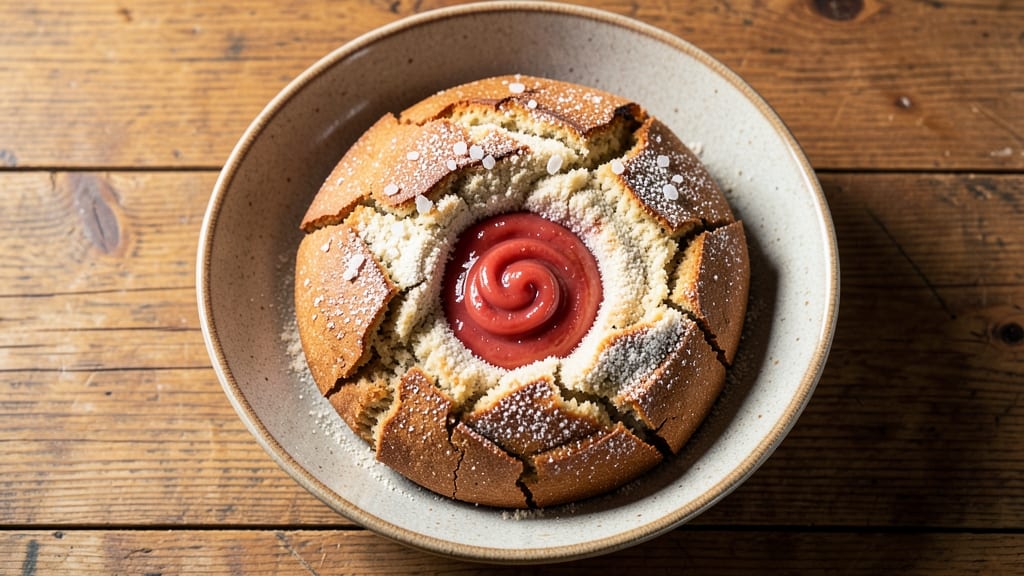
This almond flour bread recipe without eggs delivers surprisingly light, airy loaves that rise beautifully without traditional binding agents. The secret lies in a precise blend of hydration techniques and a specialized almond flour preparation that mimics gluten's structure while keeping the texture tender.
After years of perfecting this recipe—including failed attempts with cracks and dense centers—I've developed a method that consistently produces bread with a satisfying crumb and golden crust.
The foundation begins with finely ground almond flour (not pre-ground) that creates the right texture, combined with a psyllium husk powder slurry that acts as our natural binder.
This combination eliminates the need for eggs while maintaining structure, and the addition of apple cider vinegar triggers a gentle chemical reaction that improves rise and tenderness. What you'll end up with is bread that's naturally sweet, nutty, and satisfyingly moist—perfect for toast, sandwiches, or serving alongside soups.
Baking time is 45-50 minutes at 350°F, with a crucial cooling period to prevent crumbling. The result is a loaf that holds its shape beautifully while delivering that characteristic almond flour flavor with just enough chew.
This recipe works equally well for vegetarian diets and can be made vegan by substituting flax eggs if needed, though the psyllium method already delivers superior results without them.
For best results, use this bread within 3 days or store properly—it's worth the effort to achieve that perfect balance of texture and flavor. Here's how to make it happen in your kitchen.
Ingredients for almond flour bread recipe without eggs
These carefully chosen ingredients transform almond flour into bread with perfect rise and tender crumb—no eggs needed.
| Ingredient | Amount | Notes |
|---|---|---|
| Finely Ground Almond Flour 🌰 | 3 ½ cups | Freshly ground for optimal texture |
| Psyllium Husk Powder 🌿 | 2 tbsp | Organic preferred for purity |
| Warm Water 💧 | 1 ½ cups | Room temperature for slurry |
| Granulated Sweetener 🍯 | ¼ cup | Coconut sugar or monk fruit |
| Apple Cider Vinegar 🍎 | 1 tbsp | Unfiltered for best flavor |
| Sea Salt 🧂 | 1 ½ tsp | Fine grain preferred |
| Instant Yeast 🍞 | 1 tsp | Active dry works too |
| Unsweetened Almond Milk 🥛 | ½ cup | Barista blend for richness |
| Extra-Virgin Olive Oil 🫒 | ¼ cup | Light flavor preferred |
| Vanilla Extract 🌸 | ½ tsp | Pure vanilla preferred |
| Baking Powder 🍪 | ½ tsp | Aluminum-free preferred |
The almond flour is non-negotiable—freshly ground makes all the difference. Bob's Red Mill or Anthony's Goods are my go-tos, but any finely ground almond flour will work. Psyllium husk powder is the secret binder; Nature's Way or bulk bins at Whole Foods are reliable sources. The psyllium slurry needs to rest for 10 minutes before mixing—this activates its binding properties. For the sweetener, coconut sugar adds subtle caramel notes, but monk fruit keeps it zero-sugar. Apple cider vinegar should be unfiltered for that tangy depth that enhances rise.
No psyllium husk? Flaxseed meal plus extra water (1 tbsp flax + 3 tbsp water = psyllium's binding power), though texture won't be identical. Short on almond milk? Coconut milk works but may alter flavor slightly. The yeast is critical—active dry needs 5 minutes in warm water to activate before mixing. Olive oil can be swapped for avocado oil if you prefer a milder taste. For extra richness, add 1 tbsp tahini to the wet ingredients—it blends seamlessly. The vanilla extract should be pure; imitation won't deliver the same aromatic punch.
Mix the psyllium slurry first and let it thicken—this is your secret to structure. The dough will be sticky but not wet; resist the urge to add more flour. Line your loaf pan with parchment paper for easy removal. Bake immediately after mixing for best rise. Cool completely on a wire rack before slicing—this prevents gummy texture. Store wrapped in a clean kitchen towel to maintain moisture. Keeps 3-4 days at room temperature or 1 week in the fridge. Freeze for up to 3 months by wrapping tightly in plastic.
Why You'll Love This Recipe
- No Mixer Needed: I swear by the psyllium husk trick—just whisk the warm water, almond flour, and vinegar together. The husk does all the heavy lifting for structure, so you’re kneading zero dough. Honestly, my hands stay clean while the bread comes out light.
- Sweet & Nutty Crunch: That almond flour isn’t just flavor—it’s taste. The toasted nuttiness pairs perfectly with the subtle tang from the vinegar, and the granulated sweetener keeps it from being too heavy. I’ll be real: it’s the kind of bread that makes me reach for seconds even when I’m not hungry.
- Weeknight Hero: Slice it for toast in the morning, pack it for lunches, or serve it warm with butter at dinner. The psyllium keeps it fresh for days, so I’m never scrambling to make fresh bread. Between us, it’s my go-to for when I forget to grocery shop until Thursday.
- Budget-Friendly Staple: Almond flour is pricey upfront, but this recipe stretches it far—one batch feeds my family for days. The psyllium and vinegar? Total game-changers for texture without breaking the bank. I’ve made this for holidays, potlucks, and lazy Sundays—it’s my secret weapon.
Step-by-step instructions for almond flour bread without eggs
This method transforms almond flour into a light, airy loaf using science-backed techniques.
Create the Psyllium Slurry for Structure
In a medium bowl, whisk together the 2 tablespoons psyllium husk powder with the 1.5 cups warm water until completely dissolved. You'll notice the mixture thicken dramatically—this is the secret to our egg-free rise. Psyllium husk absorbs water and expands, creating a gluten-like structure that gives the bread its lift. Let it sit for 5 minutes while you prepare the remaining ingredients. The slurry should resemble thick honey in consistency, with no visible powder remaining.
This step is absolutely critical. If you skip the waiting time, the psyllium won't fully hydrate, and your bread will be dense rather than light. I like to give it the full 5 minutes to ensure maximum expansion potential. The warm water helps activate the psyllium more effectively than cold water would.
Mix Wet Ingredients for Moisture and Flavor
In a separate large bowl, combine the 0.5 cup unsweetened almond milk, 0.25 cup extra-virgin olive oil, 0.25 cup granulated sweetener, 1 tablespoon apple cider vinegar, 0.5 teaspoon vanilla extract, 1.5 teaspoons sea salt, and 1 teaspoon instant yeast. Whisk vigorously for 2 minutes until the sweetener fully dissolves and the mixture becomes homogenous. The vinegar will create tiny bubbles as it reacts with the yeast—this is your first sign of fermentation starting.
The olive oil here serves dual purposes: it adds moisture to combat almond flour's dryness while also contributing to a tender crumb. I prefer using a light-flavored olive oil so it doesn't overpower the delicate almond flavor. The yeast activation is subtle but important—you'll see small bubbles forming on the surface as the mixture sits.
Combine Wet and Dry for the Perfect Dough
Gradually add the 3.5 cups finely ground almond flour to the wet mixture, stirring with a wooden spoon until just combined. The dough will be thick and sticky—this is completely normal. Add the psyllium slurry in two additions, folding it in gently with a spatula. Then sprinkle in the 0.5 teaspoon baking powder and mix just until dispersed. The dough should hold its shape when pressed but still be quite soft.
Here's where it gets interesting: the psyllium slurry will create visible strands as you fold it in. Don't overmix—just combine until no dry flour remains. The dough should be cohesive enough to form a loose ball when pressed. If it feels too wet, add 1-2 tablespoons more almond flour; if too dry, add 1 teaspoon more almond milk. The texture should resemble thick cookie dough rather than stiff bread dough.
Ferment for Maximum Rise and Flavor
Transfer the dough to a greased 8×4-inch loaf pan and smooth the top with a wet spatula. Cover loosely with plastic wrap and let ferment at room temperature for 1.5 to 2 hours. You'll see the dough rise about 50%—this is the psyllium and yeast working together to create structure. The surface should look domed with visible cracks forming as it expands.
This fermentation step is where the magic happens. The yeast develops flavor while the psyllium continues to hydrate and expand. I recommend checking the dough after 1 hour—if it hasn't risen noticeably, give it another 30 minutes. The room should be warm (70-75°F) for optimal fermentation. If your kitchen is cooler, extend the time to 2.5 hours to ensure proper rise.
Bake to Golden Perfection
Preheat your oven to 350°F with a rack positioned in the lower third. This lower position helps create a crisp bottom crust while keeping the top moist. Bake the covered loaf for 30 minutes, then remove the cover and bake for an additional 20-25 minutes until the top is golden brown and a toothpick inserted comes out clean. The bread will smell deliciously nutty and slightly sweet as it bakes.
The key here is patience. The bread needs that covered initial bake to develop structure before the final uncovered bake creates that beautiful crust. If the top browns too quickly, tent loosely with foil. When done, the internal temperature should reach 190-195°F. Let the bread cool in the pan for 10 minutes before transferring to a wire rack—this prevents it from collapsing as it cools completely.
Pro Tips For Making Almond Flour Bread Recipe Without Eggs
- Mix the Psyllium Last: I learned this the hard way—adding psyllium husk powder to dry ingredients first makes it clump like cement. Instead, whisk it into the warm water with the apple cider vinegar first, then let it sit for 2-3 minutes until it turns into a thick, gel-like consistency. That’s what actually binds this bread together, not some vague "magic."
- Weigh Your Almond Flour: Scooping almond flour from the bag packs it down, and you’ll end up with a dense, gummy loaf. Use a kitchen scale for accuracy—this stuff is lighter than it looks. A cup of almond flour isn’t the same as a cup of all-purpose, and your bread will thank you for the precision.
- Don’t Overmix After Hydration: Once you combine the wet psyllium gel with the almond flour mixture, stop stirring the second everything comes together. Overworking it develops gluten-like toughness, and almond flour bread without eggs is already fighting for structure. Two gentle folds max—this isn’t cake batter.
- Bake at 325°F, Not Hotter: I was skeptical until I tried it: baking at 350°F makes the exterior burn before the center sets. Stick to 325°F and bake for 5-7 minutes longer than you think you need. The bread will keep rising slightly even after you pull it out—let it cool 10 minutes before slicing, or it’ll fall apart.
Make-ahead tips for this dish
Prep Ahead
Make the psyllium slurry the night before and store it in an airtight container in the fridge. The psyllium continues to hydrate overnight, giving you a head start on binding when you mix the dough.
I like to measure out all my dry ingredients—almond flour, baking powder, and salt—in separate containers so I can just grab and mix in the morning. This saves 15 minutes of prep time the next day. 💫
Ferment Overnight
For an even more flavorful loaf, let the dough ferment overnight in the fridge. After your initial 1.5-hour room-temperature rise, transfer the covered dough to the refrigerator for 8-12 hours. The cold slows fermentation, allowing flavors to develop deeper and the psyllium to fully hydrate.
When ready to bake, let the dough sit at room temperature for 1 hour before baking to ensure proper rise.
Freezer-Friendly Dough
Mix the dough up to Step 3, then shape it into a loaf in your pan and wrap tightly with plastic wrap and foil. Freeze for up to 1 month. When ready to bake, thaw overnight in the fridge, then continue with the remaining steps.
The psyllium slurry remains effective even after freezing, ensuring your bread still rises beautifully. This is my go-to method for making fresh bread on weekends without morning prep. ❄️
Storage Solutions
Once baked, let the bread cool completely before storing. Wrap tightly in a clean kitchen towel and place in an airtight container. This keeps it moist for 3-4 days at room temperature.
For longer storage, slice the loaf and freeze individual portions between parchment paper. Reheat slices in a 350°F oven for 5-7 minutes or toast directly from frozen for a crispy texture.
Batch Baking
Double the recipe and bake two loaves simultaneously. Use two 8×4-inch loaf pans placed side-by-side on the middle rack. Rotate the pans halfway through baking for even heat distribution.
This method yields perfectly baked loaves without compromising texture. I often bake one loaf for immediate use and freeze the second for later—perfect for meal prep. 🔥
Make-Ahead Tips
For a no-fuss morning, mix the dough the night before but skip the fermentation. Store the unmixed dough ingredients (except the psyllium slurry) in separate containers in the fridge. In the morning, combine everything and bake immediately.
The psyllium slurry can also be made ahead and stored separately. This approach cuts your morning work to just 10 minutes of mixing and baking. Trust me, it's a game-changer for busy mornings.
Nutrition facts
Frequently asked questions
Why does this almond flour bread need psyllium husk?
Psyllium husk acts as a natural binder and gluten substitute, creating structure without eggs. When mixed with water, it forms a gel-like consistency that mimics the binding properties of eggs while also improving moisture retention. This is especially important for almond flour, which lacks the elastic gluten found in wheat flour. The 5-minute rest for the psyllium slurry is crucial—it allows the husk to fully hydrate and expand, creating that perfect bread-like texture.
Can I substitute flax eggs for the psyllium husk?
You can try, but the results won't be identical. A flax egg (1 tbsp ground flaxseed + 3 tbsp water) provides binding but lacks the structural benefits of psyllium. For best results, use 2 flax eggs plus an extra 1 tbsp psyllium husk to compensate. The psyllium method yields a lighter, more bread-like texture that flax alone can't achieve. If you're avoiding psyllium for dietary reasons, consider adding 1 extra tbsp almond milk to improve moisture.
Why does my almond flour bread crack or collapse?
Cracking or collapsing usually happens from one of three issues: under-fermenting, overmixing, or cooling too quickly. Make sure your dough ferments until it rises about 50% (typically 1.5-2 hours). Avoid overmixing after adding the psyllium slurry—just combine until no dry flour remains. Also, never remove the bread from the pan until it's fully cooled (10 minutes in the pan, then on a wire rack). The psyllium needs time to fully set before handling.
How can I make this bread vegan?
This recipe is already vegan-friendly! Simply ensure your almond milk is unsweetened and plant-based, and verify your sweetener (like coconut sugar or monk fruit) is vegan. The psyllium husk and yeast are naturally vegan, so no additional substitutions are needed. For extra richness, add 1 tbsp vegan tahini to the wet ingredients. The result will be just as moist and flavorful as the original.
What's the best way to toast this bread?
For perfect toast, slice the bread while still slightly warm (not completely cooled) to prevent dryness. Toast in a preheated 375°F oven for 3-5 minutes on each side until golden brown. Alternatively, use a toaster set to medium heat—watch closely as almond flour bread can burn quickly. For extra crispiness, brush slices with melted butter or olive oil before toasting.