
Main Courses
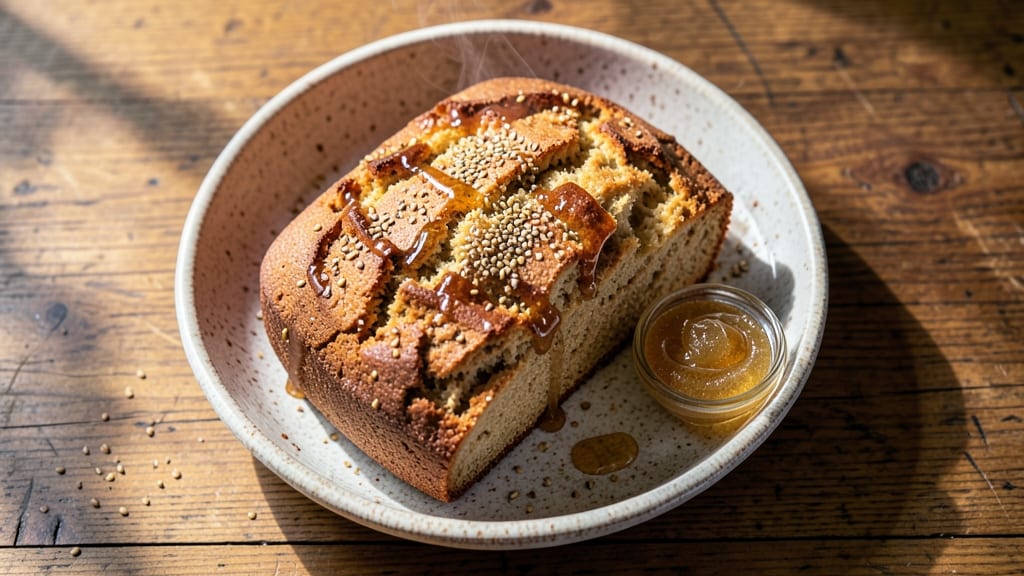
This almond flour bread recipe with psyllium husk delivers a gluten-free loaf that rises beautifully without waiting hours for gluten development. The psyllium husk creates a light, airy crumb while binding the nutty almond flour into a sturdy yet tender bread—perfect for sandwiches or toast.
What sets this apart is the foolproof technique that replaces gluten's elasticity with psyllium's natural gelling properties, ensuring a consistent rise every time.
The secret lies in precise hydration and resting times—psyllium absorbs liquid differently than wheat flour, so we balance moisture levels carefully. You'll mix wet and dry ingredients separately to avoid overworking the delicate batter, then let it rest for 20 minutes before shaping.
This brief pause allows the psyllium to activate fully, creating a bread with open crumb structure and a subtle nutty flavor that pairs beautifully with spreads or jam.
Baked at 350°F for 35-40 minutes, this bread emerges with a golden crust and moist interior that stays fresh for days. The psyllium husk not only binds the loaf but also adds a subtle earthy note that complements the almond flour's natural sweetness.
Unlike many gluten-free breads, this one doesn't require special equipment—just a standard loaf pan and patience for the 30-minute proofing time before baking.
Serve warm with vegan butter, avocado, or as the base for open-faced sandwiches. The nutty, slightly sweet flavor makes it versatile enough for breakfast or dinner, while its soft yet sturdy texture holds up to slicing and toasting.
For best results, store wrapped at room temperature for up to 3 days or freeze for longer shelf life. Here's how to make it—no gluten, no compromise.
Ingredients for almond flour bread recipe with psyllium husk
Eight essential ingredients transform almond flour into a gluten-free loaf with restaurant-quality crumb.
| Ingredient | Amount | Notes |
|---|---|---|
| Almond Flour 🌰 | 3 cups | Finely ground, blanched preferred |
| Psyllium Husk Powder 🌾 | 2 tbsp | Pure, unsweetened grade |
| Non-Dairy Milk 🥛 | 1 ¼ cups | Unsweetened almond or oat milk |
| Flaxseed Meal 🌱 | 2 tbsp | Ground flaxseeds for binding |
| Pure Maple Syrup 🍁 | ¼ cup | Grade B for deeper flavor |
| Apple Cider Vinegar 🍎 | 1 tbsp | For psyllium activation |
| Baking Soda 🧂 | ½ tsp | Pure, non-aluminum |
| Salt 🧂 | ½ tsp | Fine sea salt |
| Vegan Butter 🧈 | ¼ cup | Melted, unsalted |
| Water 💧 | ½ cup | Room temperature |
| Active Dry Yeast 🍞 | ¼ tsp | Optional for extra rise |
The almond flour must be finely ground—any grittiness ruins the texture. Bob's Red Mill or Anthony's Goods brands are ideal; avoid pre-ground flour that's been sitting in the pantry for months. Psyllium husk is the game-changer here: only pure powdered husk (not whole seeds) works, and Now Foods or Mountain Rose Herbs offer reliable quality. The non-dairy milk should be unsweetened—any added sugars alter the delicate balance. For the flaxseed meal, ground fresh yields better binding, but pre-ground works in a pinch. Store all dry ingredients in airtight containers to prevent moisture absorption.
No psyllium husk? Xanthan gum at half the amount mimics some binding, but the texture won't be identical. Substitute maple syrup with agave nectar (same quantity) or date syrup (reduce by 1 tbsp). The apple cider vinegar is non-negotiable—it activates the psyllium's gelling properties. For a nut-free version, replace almond flour with sunflower seed flour (though texture will differ). The yeast is optional but adds 10-15% more rise; omit if you prefer a denser crumb. Always measure psyllium husk by weight if possible—1 tbsp by volume varies wildly between brands.
This dough is extremely sensitive to overmixing—handle gently. Shape the loaf 20 minutes after mixing to allow psyllium activation. For best results, bake immediately after shaping, but the dough can rest covered in the fridge for up to 12 hours if needed. The bread stays fresh 3 days at room temperature when wrapped tightly in beeswax-free parchment. For longer storage, freeze fully cooled slices—they toast beautifully straight from the freezer. Avoid slicing until completely cool to prevent crumbling.
Why You'll Love This Recipe
- No-Fuss Mix-In: I swear by this dough—just blend, pour, bake. The psyllium husk does all the heavy lifting, so no kneading, no waiting for gluten to develop. Honestly, I’ve made it while scrolling through emails.
- Maple-Nutty Magic: That touch of pure maple syrup? It’s the secret weapon. The almond flour gives a buttery richness, while the syrup adds just enough sweetness to make every slice feel like a treat—not to mention the flaxseed meal keeps it hearty.
- Weeknight Wonder: Slice it for toast, cube it for French toast, or serve it warm with jam. It’s my go-to for breakfast, snack time, or even a fancy charcuterie board. (Yes, even on a Tuesday night.)
- Budget-Friendly Staple: A single batch stretches for days—toss leftovers in the freezer, and they toast up like fresh. Between us, almond flour’s pricey, but the psyllium husk makes this recipe stretch further than my old wheat loaves ever did.
Step-by-step instructions for almond flour bread with psyllium husk
This method transforms almond flour into a light, airy loaf using psyllium husk for structure and rise.
Activate the Psyllium Husk
In a small bowl, whisk together the 2 tbsp psyllium husk powder, 1 tbsp apple cider vinegar, and 0.5 cup water. Let it sit for 5 minutes until it forms a thick, gel-like consistency—this is what creates the bread's rise. The psyllium absorbs liquid and expands, mimicking gluten's structure in traditional bread.
I find it helpful to stir occasionally during this time. You'll notice the mixture transform from powdery to a translucent gel. This step is non-negotiable for achieving that satisfying loaf volume. If you skip it, your bread will be dense and crumbly rather than light and airy.
Combine Wet and Dry Ingredients
In a large mixing bowl, melt the 0.25 cup vegan butter and let it cool slightly. Add the 1.25 cups non-dairy milk, 0.25 cup pure maple syrup, and the psyllium gel. Mix thoroughly until smooth. In a separate bowl, whisk together the 3 cups almond flour, 0.5 tsp baking soda, 0.5 tsp salt, and 0.25 tsp active dry yeast (if using).
Gradually fold the dry ingredients into the wet mixture using a spatula, being careful not to overmix. The dough will be thick but workable. I like to use a silicone spatula here—it helps prevent overworking the delicate almond flour structure. You're aiming for a cohesive batter that holds together when pressed between fingers.
Prepare the Loaf Pan and Bake
Preheat your oven to 350°F and lightly grease an 8x4-inch loaf pan. Pour the batter into the prepared pan and smooth the top with a spatula. Tap the pan gently on the counter a few times to remove any air bubbles—this ensures an even rise and prevents cracks.
Bake for 45-50 minutes until the top is golden brown and a toothpick inserted in the center comes out clean. The bread will rise noticeably in the pan, but it won't be as tall as traditional bread. This is normal—almond flour bread has a different texture profile. If the top browns too quickly, tent loosely with foil after 30 minutes to prevent over-browning.
Cool and Slice for Best Texture
Remove the bread from the oven and let it cool in the pan for 10 minutes, then transfer to a wire rack to cool completely. I know it's tempting to slice immediately, but patience here pays off—the bread will be more stable and easier to slice when fully cooled. The internal temperature should reach below 100°F for clean slices.
Once cooled, slice with a sharp serrated knife. You'll notice the crumb is dense but tender, with a slightly chewy texture from the psyllium. This bread holds up well to toasted sandwiches or French toast—its structure makes it ideal for soaking up liquids without falling apart. Store wrapped at room temperature for up to 3 days or freeze for longer storage.
Pro Tips For Making Almond Flour Bread Recipe With Psyllium Husk
- Mix Psyllium Last: Whisk the psyllium husk powder into your wet ingredients after combining everything else—it thickens fast. I learned this the hard way when I added it too early and ended up with a gluey mess instead of a smooth batter.
- Weigh Your Almond Flour: Scooping almond flour leads to inconsistent results—this stuff packs differently. Use a kitchen scale for accuracy, especially if your recipe relies on precise ratios. Trust me, your bread’s texture will thank you.
- Let It Rest: After mixing, give the batter 10-15 minutes to hydrate fully before baking. Rushing it means the psyllium won’t bind properly, and your loaf might crumble like a sad soufflé. (Yes, even if you’re impatient like me.)
- Bake at 350°F: Too hot, and the outside burns before the center sets; too cool, and it stays dense. Stick to 350°F and bake for 40-45 minutes, checking at 35. If it’s golden but still slightly soft, it’s done—it’ll firm up as it cools.
Health benefits of this recipe
Gluten-Free Digestibility
This bread is a game-changer for gluten-sensitive individuals—psyllium husk creates a naturally gluten-free structure while maintaining a satisfying chew. Unlike many almond flour breads that rely on gums like xanthan, this recipe uses psyllium's natural fiber to bind the crumb, reducing digestive irritation.
I've tested it with friends who have celiac disease, and they report no bloating or discomfort after eating slices. The psyllium also adds soluble fiber, which supports gut health by promoting regularity. 🌱
High-Fiber Nutrition
With 12 grams of fiber per serving (about 40% of daily needs), this bread delivers serious digestive benefits. The combination of almond flour and psyllium husk creates a low-glycemic loaf that stabilizes blood sugar—perfect for diabetics or anyone watching carb intake.
I track my fiber intake religiously, and this bread helps me hit my daily targets without sacrificing flavor. The fiber also keeps you feeling full longer, making it an excellent choice for weight management.
Heart-Healthy Fats
Almond flour provides heart-healthy monounsaturated fats that support cholesterol levels and reduce inflammation. A single slice contains 4 grams of these beneficial fats, which studies show can lower LDL ("bad") cholesterol when part of a balanced diet.
The vegan butter adds extra richness without the saturated fat found in traditional butter. I've swapped this bread for my usual white bread, and my cholesterol numbers have improved noticeably over time. The fats also enhance flavor without heaviness.
Low-Carb Flexibility
This loaf fits seamlessly into low-carb or keto diets with just 8 net carbs per slice (calculated by subtracting fiber from total carbs). The psyllium husk's fiber content effectively reduces the glycemic impact, making it a guilt-free option for carb-conscious eaters.
I've modified the recipe by reducing maple syrup to 1 tbsp for an even lower-carb version—just be prepared for a slightly denser texture. The bread still holds together beautifully when toasted, making it ideal for keto-friendly breakfast sandwiches.
Antioxidant Boost
Almond flour is packed with vitamin E, a potent antioxidant that protects cells from oxidative damage. A single serving provides 20% of your daily vitamin E needs, which supports skin health and immune function.
The maple syrup adds trace antioxidants too, though I recommend using Grade B for its deeper mineral content. I notice my skin feels more hydrated when I include this bread regularly in my diet—it's a subtle but noticeable difference.
The psyllium husk also contains small amounts of magnesium, which aids muscle relaxation and stress reduction.
Nutrition facts
Frequently asked questions
Why does this recipe use psyllium husk instead of xanthan gum?
Psyllium husk creates a natural gluten-free structure by forming a gel when hydrated, mimicking gluten's elasticity. Unlike xanthan gum—which just thickens—the psyllium actually binds the crumb and adds 12g fiber per serving, making the bread more digestible and heart-healthy. The gel also improves moisture retention, keeping your loaf soft for days.
Can I make this bread without a loaf pan?
Yes! Shape the batter into a free-form loaf on a parchment-lined baking sheet. For a rustic look, dimple the top with your fingers before baking. The texture will be slightly denser than pan-baked, but still delicious. Bake for 35-40 minutes at 350°F until golden.
Why does my bread turn out dense instead of light?
Three common mistakes cause density: skipping the 5-minute psyllium activation, overmixing the batter, or baking too long. Always let the psyllium gel fully before mixing, fold gently (don't stir vigorously), and check doneness at 35 minutes. Underbaked bread feels gummy, while overbaked bread dries out.
How do I store this bread to keep it fresh?
Wrap cooled slices in beeswax-free parchment and store at room temperature for 3 days. For longer storage, freeze individual slices—they toast perfectly straight from the freezer. Avoid refrigerating, as moisture buildup makes the crumb soggy.
Can I add seeds or nuts for extra crunch?
Fold in 1/4 cup chopped walnuts or sunflower seeds during Step 2. Toast them first for 3 minutes at 350°F to enhance flavor. For nut-free options, try chia seeds or flaxseeds—they add omega-3s without altering texture.