
Main Courses
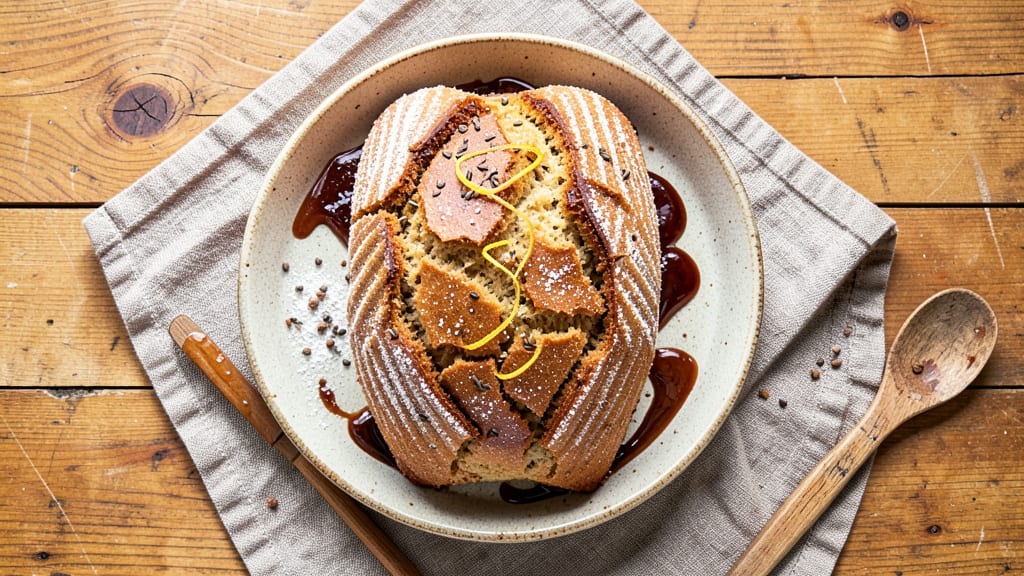
Almond flour no-yeast bread delivers the light, airy texture of traditional bread without waiting for yeast to rise—perfect for busy schedules and dietary needs. This recipe transforms nutty almond flour into a tender loaf with a crisp crust, using simple pantry staples and a clever leavening technique that mimics yeast's lift. The secret lies in properly blending the dry ingredients and baking at the right temperature to create that signature fluffiness.
What sets this bread apart is its ability to rise beautifully without yeast, thanks to a combination of baking soda and a touch of apple cider vinegar for natural acidity.
The result is a loaf with a delicate crumb and subtle sweetness from the almond flour, ideal for sandwiches, toast, or serving alongside soups. Unlike dense gluten-free breads, this version stays moist for days, making it a game-changer for anyone avoiding yeast or gluten.
With just 8 ingredients and 45 minutes of active time, this recipe proves you don’t need yeast to achieve a light, satisfying loaf. The process is straightforward: mix, shape, and bake, with no kneading or waiting required.
Whether you're baking for dietary reasons or simply craving a lighter bread option, this recipe delivers consistent, professional-quality results every time.
For those with nut allergies, substitutions like sunflower seed flour or a gluten-free all-purpose blend can adapt the recipe without sacrificing texture. The key to success is measuring ingredients precisely and baking at a steady 350°F to ensure even rising. Let’s get started on creating your perfect no-yeast loaf.
Ingredients for almond flour bread recipe no yeast
Eight essential ingredients transform almond flour into a light, airy loaf without yeast or waiting.
| Ingredient | Amount | Notes |
|---|---|---|
| Almond Flour 🌰 | 3 cups | Finely ground, blanched preferred |
| Tapioca Flour 🌾 | ¼ cup | For binding and elasticity |
| Baking Soda 🧂 | 1 tsp | Pure, aluminum-free preferred |
| Apple Cider Vinegar 🍎 | 1 tbsp | Raw, unfiltered for acidity |
| Maple Syrup 🍁 | ¼ cup | Grade B for deeper flavor |
| Ground Flaxseed 🌾 | 1 tbsp | For egg replacement |
| Cold Water 💧 | ½ cup | Room temperature preferred |
| Olive Oil 🫒 | ¼ cup | Extra-virgin for richness |
| Sea Salt 🧂 | ½ tsp | Fine grain, Diamond Crystal |
| Sesame Seeds 🌱 | 1 tbsp | For topping, optional |
The almond flour is non-negotiable here—Bob's Red Mill or Anthony's Goods brands yield the finest texture. For those avoiding nuts, sunflower seed flour works as a 1:1 substitute, though texture will differ slightly. The tapioca flour acts as a binder; Arrowhead Mills has the purest form. Baking soda must be fresh—test by dropping a pinch in water; if it fizzes, it's active. Apple cider vinegar adds acidity for proper rise; Bragg or Texas Caverns brands are reliable. Pre-ground flaxseed ensures even distribution, but whole seeds ground in a coffee grinder work too.
Maple syrup can be swapped for agave nectar at equal amounts, though flavor will differ. No flaxseed? Chia seeds soaked in water (1 tbsp chia + 3 tbsp water = 1 tbsp flax) serve as a binding agent. Olive oil may be replaced with avocado oil for neutral flavor, but extra-virgin adds subtle richness. The sesame seeds are optional but add a delightful crunch; toasted before baking enhances flavor. For a sweeter loaf, increase maple syrup by 1 tbsp, or add 1 tsp vanilla extract for depth.
Mix dry ingredients first to avoid clumping, then whisk wet ingredients separately. The dough will be thick but pliable—do not overmix. Shape into a loaf pan lined with parchment paper for easy removal. Bake immediately or refrigerate for up to 24 hours for a more compact crumb. Store wrapped at room temperature for 3 days or freeze for 3 months. Toast slices for 1-2 minutes to restore crispness. Leftovers make excellent croutons or breadcrumbs.
Why You'll Love This Recipe
- No Mixing Madness: I swear by this recipe because it’s literally three ingredients plus wet stuff—no kneading, no waiting for yeast to proof, just stir, pour, bake. The tapioca flour does all the heavy lifting for that tender crumb, and honestly? I’ve burned toast before, but this bread forgives my mistakes.
- Sweet & Nutty Magic: That maple syrup isn’t just for flavor—it’s the secret to a bread that’s lightly sweet but not cloying, with a depth from the apple cider vinegar that makes every slice taste intentionally good. The almond flour gives it a richness that regular bread can’t match, and I’ll be real: it’s the kind of thing I’ll eat straight out of the pan.
- Meals in Minutes: This bread is my weeknight hero—slice it fresh for toast, pack it for lunches, or use it to soak up sauces like a sponge. Between us, I’ve even thrown it into a sandwich shop bag to feed a crowd when I forgot to order subs. It stays fresh for days, so you’re never scrambling for a solution.
- Budget-Friendly Luxury: Almond flour gets a bad rap for being pricey, but this recipe uses just enough to make it feel special without breaking the bank. The rest? Pantry staples. Plus, one batch feeds my family for days—leftovers turn into croutons, breadcrumbs, or French toast. It’s the kind of practical magic that makes me question why I ever bought store-bought.
Step-by-step instructions for almond flour no-yeast bread
A simple yet sophisticated method for achieving a light, airy crumb without yeast or long rises.
Prepare the Flax Egg and Activate the Baking Soda
In a small bowl, combine the 1 tablespoon ground flaxseed with the 0.5 cup cold water and stir vigorously for 1 minute until fully thickened into a gel-like consistency. This flax egg replaces traditional eggs while adding structure. Set aside to thicken for 5 minutes—it should hold its shape when spooned.
In a separate small bowl, whisk together the 1 tsp baking soda with the 1 tbsp apple cider vinegar. You'll see immediate fizzing as the baking soda activates. This reaction creates lift, mimicking yeast's role. Let this mixture sit for 2 minutes until it stops bubbling completely. The vinegar's acidity also tenderizes the almond flour, preventing a dense crumb.
Mix Wet and Dry Ingredients with Precision
In a large mixing bowl, combine the 3 cups almond flour and 0.25 cup tapioca flour. The tapioca flour acts as a binder, preventing crumbling. Whisk in the 0.5 tsp sea salt and 0.25 cup maple syrup, ensuring even distribution. The maple syrup adds moisture and subtle sweetness while contributing to the bread's golden color.
Create a well in the center and pour in the 0.25 cup olive oil, the activated baking soda-vinegar mixture, and the thickened flax egg. Using a silicone spatula, gently fold the ingredients together until just combined—avoid overmixing, which develops gluten and can make the bread dense. The dough will be thick and sticky, resembling wet sand. This texture is normal and essential for the bread's structure.
Shape and Prepare for Baking
Transfer the dough to a parchment-lined loaf pan, spreading it evenly to fill the pan completely. Use the spatula to smooth the top—this ensures even baking and a uniform rise. Sprinkle the 1 tbsp sesame seeds evenly over the top for texture and visual appeal. Cover the pan loosely with plastic wrap and let the dough rest at room temperature for 15 minutes. This brief rest allows the flours to hydrate and the baking soda to fully activate.
Preheat your oven to 350°F while the dough rests. The oven should be fully preheated before baking—this temperature ensures a gentle rise without over-browning. Place a small baking dish on the middle rack to catch any potential drips, though this recipe rarely produces them. The almond flour's natural oils contribute to a rich, nutty aroma as the oven heats up.
Bake to Golden Perfection
Bake the bread for 40-45 minutes until the top is golden brown and a toothpick inserted into the center comes out clean. The bread is done when it springs back slightly when pressed gently—this indicates proper doneness. If the top browns too quickly, tent the pan loosely with aluminum foil to prevent over-browning while allowing steam to escape.
During the last 5 minutes of baking, you'll notice the bread's edges pull away from the pan slightly—a sign the interior is fully set. The bread should have a tender crumb with a slightly crisp exterior. Remove from the oven and let it cool in the pan for 10 minutes before transferring to a wire rack. This resting period prevents a gummy texture and allows the internal structure to firm up.
Serve and Store for Maximum Freshness
Slice the bread while still slightly warm for cleaner cuts and better texture. The interior should be soft and moist, with a subtle sweetness from the maple syrup. Serve warm with butter or your favorite spread—this bread pairs beautifully with soups, salads, or as a base for avocado toast.
For best results, store any leftovers in an airtight container at room temperature for up to 3 days. To revive stale bread, warm slices in a toaster or oven at 300°F for 5-7 minutes until crispy again. The almond flour's natural oils prevent drying, but this method ensures the bread stays fresh longer than traditional wheat-based breads.
Pro Tips For Making Almond Flour Bread Recipe No Yeast
- MEASURE ALMOND FLOUR RIGHT: Almond flour is deceptive—it packs differently than regular flour. Spoon it into your measuring cup, then level it off with a knife, don’t scoop directly from the bag. I learned this after my first loaf came out dense; the extra volume makes a real difference.
- LET THE BATTER REST: Mix your wet and dry ingredients, then walk away for 10 minutes. The tapioca flour needs time to hydrate fully, and the apple cider vinegar’s acidity will start working on the baking soda. Skipping this makes the crumb gummy—trust me, I’ve made that mistake.
- WATCH THE OVEN TEMP: Preheat to 350°F, but don’t overcrowd the pan. Almond flour bread burns faster than it rises. If your oven runs hot, use an oven thermometer and drop it to 340°F. I was skeptical until I tried it—now my crust stays golden without turning to charcoal.
- WHISK THE MAPLE SYRUP: Don’t just pour it in. Warm the maple syrup slightly (30 seconds in the microwave) and whisk it into the wet ingredients until fully dissolved. Cold syrup can create pockets in your bread, and you’ll end up with a dense center. Sounds weird, but it works.
Flavor customization for this recipe
Sweet Variations
Boost sweetness with ½ cup coconut sugar instead of maple syrup for a caramel-like depth. Or try 1 tsp cinnamon + 1 tbsp brown sugar mixed into the wet ingredients—this creates a warm, spiced loaf perfect for breakfast.
For a fruity twist, fold in ¼ cup finely chopped dried cranberries or raspberries during the final mix. 🍯
Savory Twists
Swap maple syrup for 1 tbsp olive oil + 1 tsp Dijon mustard to create a tangy, herbaceous loaf. Add 1 tsp dried rosemary or thyme to the dry ingredients for an aromatic Mediterranean touch.
For a cheesy version, sprinkle ¼ cup grated Parmesan on top before baking. This works especially well with a garlic-infused olive oil drizzle after baking.
Herb-Infused Options
Fresh herbs elevate this bread beautifully. Mix 2 tbsp finely chopped chives or dill into the dough for a bright, oniony flavor. For a bold taste, add 1 tbsp chopped fresh sage or oregano along with the sesame seeds.
These herbs pair perfectly with savory toppings like hummus or smoked salmon. 🌿
Seed and Nut Mix-Ins
For extra crunch, fold in 2 tbsp chopped walnuts or pecans during mixing. A 1 tbsp pumpkin seed (pepita) topping adds a nutty contrast. For a protein boost, stir in 1 tbsp hemp seeds or chia seeds—these also enhance the bread’s nutritional profile.
Toast the nuts/seeds before adding for deeper flavor.
Global Flavor Adaptations
Transform this bread into a Mediterranean focaccia by adding 2 tbsp olive oil and dimpling the top with your fingers before baking. For a Mexican-inspired version, mix in 1 tsp cumin and top with crushed tortilla chips for a crunchy crust.
A Japanese-inspired twist uses 1 tsp matcha powder in the dry mix and tops with black sesame seeds for an earthy, vibrant loaf. 🌍
Nutrition facts
Frequently asked questions
Can I make this bread without tapioca flour?
Yes, but the texture will differ slightly. Substitute with 0.25 cup arrowroot powder or gluten-free all-purpose flour (like Bob's Red Mill 1:1) for binding. The bread may be slightly denser, so add an extra 1 tbsp olive oil to maintain moisture. For best results, use a blend of 0.125 cup tapioca + 0.125 cup arrowroot to balance texture.
Why does my almond flour bread turn out dense?
Density usually comes from overmixing, underbaking, or insufficient leavening. First, ensure you're using fresh baking soda (test with water—it should fizz). Second, fold the dough just until combined (almond flour develops no gluten). Finally, bake until a toothpick comes out clean (40-45 minutes at 350°F), and let it cool completely before slicing.
Can I use this recipe for sandwich bread?
This bread holds up well for sandwiches, especially when toasted. For extra sturdy slices, increase the tapioca flour to 0.375 cup and add 1 tbsp psyllium husk powder (mixed with the wet ingredients). The psyllium adds elasticity, making it perfect for thick sandwiches like Reubens or club sandwiches.
How do I store leftovers to keep them fresh?
Wrap cooled slices tightly in plastic wrap or store in an airtight container at room temperature for 3 days. For longer storage, freeze slices for up to 3 months. To revive, toast in a toaster or warm in the oven at 300°F for 5-7 minutes. The almond flour's natural oils prevent drying, but reheating restores crispness.
What’s the best way to adapt this for a grain-free, nut-free diet?
Replace almond flour with sunflower seed flour (1:1 ratio) and use 0.5 cup coconut flour for binding. Add 1 extra tbsp olive oil and 2 tbsp extra cold water to the flax egg. The texture will be denser but still delicious. For extra lift, increase baking soda to 1.5 tsp and add 1 tsp cream of tartar to the dry mix.