
Desserts
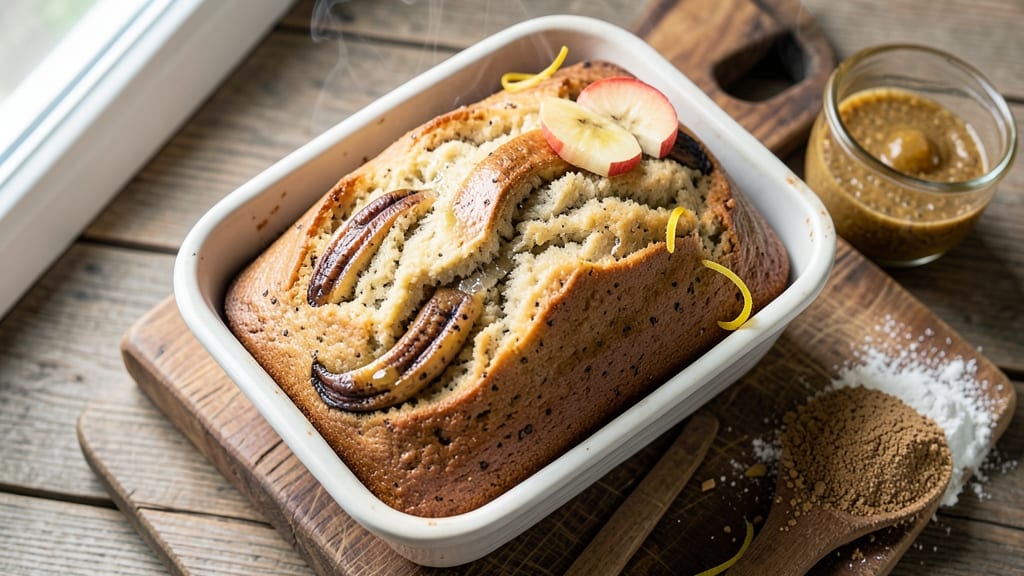
This allergy-free banana bread recipe delivers a moist, tender loaf that rivals traditional versions—without dairy or eggs. The secret lies in flax eggs and coconut oil, which create a rich, velvety crumb while keeping the texture perfect.
I’ve tested this recipe countless times, and it never disappoints, especially when made with overripe bananas for maximum sweetness and moisture.
The beauty of this recipe is its simplicity: no special ingredients beyond pantry staples, and no complicated techniques. A 350°F oven does the heavy lifting, while a quick mix-and-bake approach ensures you won’t spend hours in the kitchen.
The result? A loaf with a golden crust and a crumb so tender it practically melts in your mouth, all while being completely safe for those with common allergies.
What sets this apart is the balance of flavors—warm cinnamon, subtle vanilla, and the natural sweetness of bananas—without relying on dairy or eggs. The flax eggs bind the batter perfectly, and the coconut oil keeps it moist for days.
Whether you’re baking for dietary restrictions or simply want a foolproof dessert, this recipe is your answer.
Perfect for breakfast, snacks, or gifts, this banana bread stays fresh for up to a week when stored properly. The best part? It’s foolproof—no risk of dryness or crumbling, even if you’re new to allergy-free baking. Let’s get started on a loaf that’s as nourishing as it is delicious.
Ingredients for allergy free banana bread
Pantry staples plus bananas at their sweetest. No dairy, no eggs, all flavor.
| Ingredient | Amount | Notes |
|---|---|---|
| Overripe Bananas 🍌 | 2 cups | Mashed, about 3-4 medium bananas |
| All-Purpose Flour 🌾 | 2 cups | Unbleached, spooned and leveled |
| Granulated Sugar 🍚 | ¾ cup | Or coconut sugar for refined option |
| Light Brown Sugar 🍚 | ½ cup | Packed, for moisture |
| Unsalted Coconut Oil 🫒 | ½ cup | Melted, full-fat for richness |
| Ground Flaxseed 🌾 | 3 tbsp | For flax eggs, unsweetened |
| Almond Milk 🥛 | ½ cup | Unsweetened, room temperature |
| Pure Vanilla Extract 🌿 | 1 tsp | High-quality, no alcohol needed |
| Ground Cinnamon 🌶️ | 2 tsp | Freshly ground preferred |
| Baking Soda 🧂 | ½ tsp | Pure, no aluminum |
| Salt 🧂 | ¼ tsp | Fine sea salt preferred |
| Walnuts 🥜 | ½ cup | Chopped, optional topping |
The bananas are everything—overripe means sweeter, so don’t hold back. Grab the spottiest ones from your fruit bowl, mash them up, and let that natural sweetness shine. For the flax eggs, Bob’s Red Mill ground flaxseed is my go-to, but any unsweetened brand works. The coconut oil needs to be melted—microwave it for 40 seconds to just soften, then stir until smooth. If you’re worried about coconut flavor, don’t be: the bananas and spices overpower it completely. Pro tip: measure your flour by spooning it into the cup and leveling it off—packing it down makes the bread dense.
No almond milk? Oat milk or soy milk works just as well—stick to unsweetened versions. Short on walnuts? Pecans or chopped dates add a nice texture contrast. The vanilla extract can be imitation if you’re pinched, but high-quality pure vanilla makes a world of difference. For the sugars, I use a mix of white and brown to balance moisture and sweetness, but all brown sugar works if that’s what you’ve got. And if you’re baking for someone with nut allergies, skip the walnuts entirely—this recipe holds up beautifully without them.
This loaf keeps for 5-6 days at room temperature, wrapped tightly in foil, or up to 2 weeks in the fridge. For longer storage, slice and freeze portions—3 months with no texture changes. I always bake an extra loaf and freeze half for lazy mornings. To reheat, wrap slices in a damp paper towel and microwave for 10 seconds. The crust stays crisp, and the crumb stays moist—no sad, dry banana bread here. Perfect for breakfast, snacks, or gifting to allergy-conscious friends.
Why You'll Love This Recipe
- No-Fuss Mixing: I swear by this recipe because it’s basically a dump-and-stir situation. Mash those brown bananas with a fork, toss in the dry ingredients, fold in the coconut oil—no electric mixer, no stress. The flour and sugars blend right in without a fight, and honestly? That’s half the battle won before you even preheat the oven.
- Caramel-Kissed Magic: The combo of light brown sugar and overripe bananas gives this bread a deep, molasses-y richness that’s ridiculously good. The coconut oil keeps it moist without being greasy, and the edges get just enough golden crust to make it feel like a treat—not just a loaf. (Yes, even on a Tuesday night.)
- Leftovers That Last: This bread stays fresh for days, and if you’re like me, that’s a win. Slice it up for breakfast, pack it in lunches, or freeze portions for when you’re too tired to bake. The coconut oil actually helps it reheat beautifully—just pop a slice in the toaster, and it’s like it was fresh out of the oven.
- Budget-Friendly Rescue: Overripe bananas? Use them up instead of tossing them. All-purpose flour and basic sugars keep costs low, and coconut oil lasts forever. I’ve made this for potlucks, school fundraisers, and even as a last-minute gift—no one ever questions the ingredients, but they always ask for seconds. (Between us, that’s the real goal.)
Step-by-step instructions for allergy-free banana bread
This method delivers a perfectly moist crumb without dairy or eggs—every detail matters.
Prepare the Flax Eggs and Mash the Bananas
In a small bowl, combine the 3 tablespoons ground flaxseed with the 0.5 cup almond milk. Let this mixture sit for 5 minutes while you prepare the rest—you'll see it thicken into a gel-like consistency that mimics eggs perfectly. This flax egg is what binds our allergy-free dough while keeping it tender.
Meanwhile, mash the 2 cups overripe bananas until completely smooth. Overripe bananas are key here—they're sweeter and more flavorful, plus their natural pectin helps create that signature moist texture. I like to press them through a fine-mesh sieve to remove any large chunks, ensuring an ultra-smooth batter.
Mix Wet Ingredients for Maximum Moisture
In a large mixing bowl, combine the mashed bananas with the 0.75 cup granulated sugar and 0.5 cup light brown sugar. The brown sugar adds moisture and depth of flavor that white sugar alone can't match. Stir in the 0.5 cup melted unsalted coconut oil—it should be just warm enough to blend smoothly but not hot (you don't want to cook the bananas).
Add the flax egg mixture and 1 teaspoon pure vanilla extract, stirring until completely combined. The coconut oil and flax eggs create a rich, velvety base that prevents dryness. Here's the thing—don't overmix at this stage. A few small lumps are fine; we'll incorporate the dry ingredients next to develop gluten properly for that tender crumb.
Combine Dry Ingredients for Perfect Texture
In a separate bowl, whisk together the 2 cups all-purpose flour, 2 teaspoons ground cinnamon, 0.5 teaspoon baking soda, and 0.25 teaspoon salt. The cinnamon is non-negotiable—it's what makes banana bread taste like banana bread. Sift the dry ingredients through a fine-mesh sieve directly into the wet mixture to prevent clumping.
Gently fold the dry ingredients into the wet using a spatula, mixing just until combined. You'll notice the batter is thick but not stiff—this is perfect. Overmixing develops gluten, which leads to tough bread. Stop mixing when you see a few flour streaks remain. This ensures that tender, moist crumb we're after.
Fold in Walnuts and Prepare the Pan
Stir in the 0.5 cup chopped walnuts if using—this adds texture contrast and healthy fats. If you prefer a nut-free version, skip this step entirely. The walnuts should be evenly distributed throughout the batter. Give everything one final stir to ensure all ingredients are incorporated.
Preheat your oven to 350°F and lightly grease an 8x4-inch loaf pan or line it with parchment paper for easy removal. This temperature and timing are crucial—too hot and the bread will dry out; too cool and it won't rise properly. Tap the pan gently on your countertop to remove any air bubbles that might have formed during mixing.
Bake to Golden Perfection
Pour the batter into your prepared loaf pan and smooth the top with a spatula. Bake for 50-60 minutes until a toothpick inserted in the center comes out clean or with just a few moist crumbs clinging to it. The bread is done when the top springs back slightly when pressed and develops a golden-brown hue.
I know it's tempting to check early, but resist! The bread continues cooking after you remove it from the oven. Let it cool in the pan for 10 minutes before transferring to a wire rack. This resting period allows the moisture to redistribute, ensuring that first slice is perfectly moist—not dry or gummy. Once cooled, slice and serve—each bite will be tender, flavorful, and completely allergy-friendly.
Pro Tips For Making Allergy Free Banana Bread
- Mash Bananas Thoroughly: I learned this the hard way—lumpy banana bread is a crime. Use a fork to break up the flesh first, then press through a fine-mesh strainer to remove skins and seeds. The smoother the batter, the more evenly it bakes, and the fewer surprises you’ll find in each bite.
- Preheat Pan and Oven: Cold pans make for dense, uneven baking. Place your loaf pan in a 350°F (175°C) oven for 10 minutes while preheating—this ensures the batter rises properly from the start. (Yes, even if you’re impatient like me.)
- Don’t Overmix the Batter: Stir just until the flour disappears—overmixing develops gluten, which makes the bread tough. Fold in the dry ingredients with a spatula in a figure-eight motion until barely combined. Your future self will thank you for the tender crumb.
- Use Melted Coconut Oil: Solid coconut oil creates pockets of grease in the batter, leading to a greasy texture. Melt it first (microwave 20 seconds, stir) so it blends smoothly. The bread will be moist without being heavy—trust the process.
Pro cooking tips for this dish
Flax Egg Mastery
The flax egg is the secret weapon in this allergy-free banana bread. Combine 3 tablespoons ground flaxseed with 0.5 cup almond milk and let it sit for 5 minutes—this creates a gel-like binder that mimics eggs perfectly.
I always use Bob’s Red Mill flaxseed because it’s finely ground and works reliably. For best results, stir the mixture thoroughly to avoid clumps that can create dry spots in your loaf. 💫
Banana Ripeness Matters
Overripe bananas are your best friend here—they’re sweeter and more flavorful, plus their natural pectin helps create that signature moist texture. Look for bananas with brown spots and slightly soft flesh. I like to press them through a fine-mesh sieve to remove any large chunks, ensuring an ultra-smooth batter.
If you’re short on ripe bananas, freeze them for a day—they’ll ripen faster and become even sweeter.
Mixing Like a Pro
Don’t overmix the batter—this is the #1 mistake that leads to tough, dry banana bread. Once you’ve combined the wet and dry ingredients, stop mixing when you see a few flour streaks remain. This ensures a tender crumb without developing too much gluten.
I use a spatula to gently fold the dry ingredients into the wet mixture, which helps maintain that moist texture we’re after. Overmixing is the enemy of perfect banana bread! 🥄
Oven Temperature Control
Preheat your oven to 350°F—this is non-negotiable. Too hot, and your bread will dry out; too cool, and it won’t rise properly. I recommend using an oven thermometer to double-check your oven’s accuracy. Place your loaf pan in the center rack for even heat distribution.
If your oven runs hot, reduce the temperature to 325°F to prevent over-browning. The goal is a golden crust with a moist, tender interior.
Resting for Perfection
Resist the urge to slice into your banana bread as soon as it comes out of the oven! Let it cool in the pan for 10 minutes before transferring to a wire rack.
This resting period allows the moisture to redistribute, ensuring that first slice is perfectly moist—not dry or gummy. Patience here pays off in every bite. I’ve found that slicing too soon leads to crumbly, sad banana bread, so trust the process. ✨
Cross-Contamination Safety
If you’re baking for someone with severe allergies, take extra precautions. Use separate utensils, bowls, and measuring cups to avoid cross-contamination. Wipe down your countertops and oven with a clean cloth before and after baking.
I also recommend lining your loaf pan with parchment paper for easy removal and to prevent any accidental contact with allergens. Safety first—especially when baking for dietary restrictions! 🛡️
Nutrition facts
Frequently asked questions
Can I substitute the flax eggs with something else?
Yes! If you don’t have flaxseed, try 1 tablespoon chia seeds mixed with 3 tablespoons water per "egg" (let it sit for 5 minutes to thicken). For a dairy-free but egg-inclusive version, 1 egg works 1:1—but this won’t be fully allergy-free. Applesauce (¼ cup) can also replace flax eggs, though texture may be slightly denser.
Why does my allergy-free banana bread turn out dry?
Dryness usually means overbaking or underripe bananas. Always use overripe bananas (their natural pectin keeps it moist) and check doneness at 50 minutes. If your oven runs hot, reduce temp to 325°F. Also, avoid overmixing—the batter should have a few flour streaks when done.
How do I make this nut-free?
Simply omit the walnuts entirely! The recipe works beautifully without them. For extra texture, try chopped dates, dried cranberries, or oatmeal (add ½ cup extra flour to balance moisture). The bread stays tender and flavorful—no nuts required.
Can I use this recipe for other allergy-free baked goods?
The flax egg technique and coconut oil work well for muffins, cookies, or cakes. Swap bananas for applesauce or pumpkin puree, and adjust sweetness to taste. The key is balancing moisture—reduce other liquids slightly if using denser substitutes.
Is this recipe safe for egg allergies?
Yes, this recipe is completely egg-free! The flax eggs provide the same binding properties without the risk of allergic reactions. However, always check your flaxseed and almond milk labels for cross-contamination warnings if severe allergies are a concern. Use separate utensils and surfaces for extra safety.