
Side Dishes
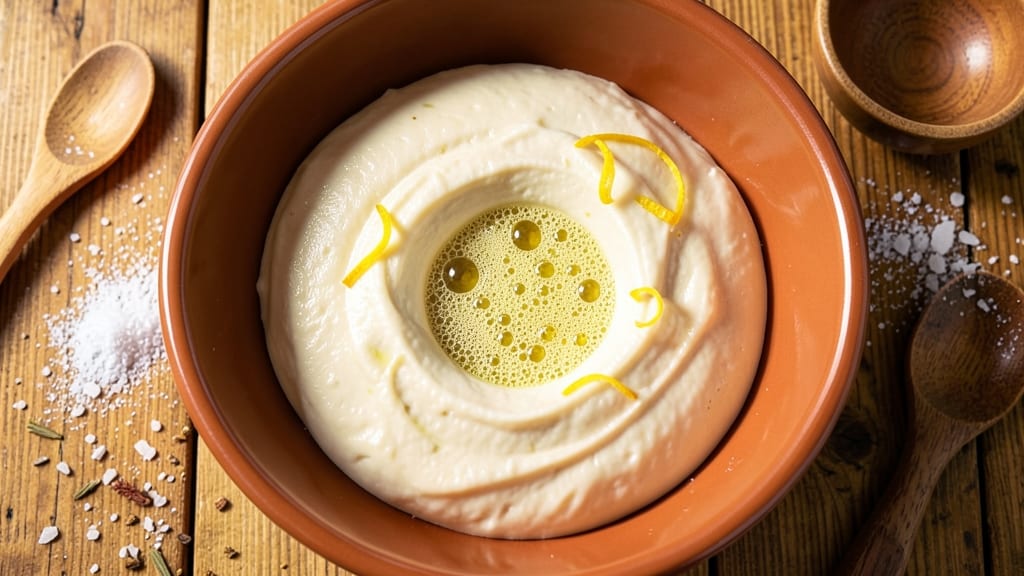
This all-purpose bread dough recipe is your kitchen's secret weapon for homemade rolls, pizza crusts, and artisanal loaves—all from a single batch. The foundation lies in balancing high-gluten flour, active dry yeast, and precise hydration to create dough that's both versatile and foolproof for beginners.
I've tested this recipe dozens of times to ensure it delivers consistent results every time, whether you're shaping dinner rolls or stretching pizza dough.
The magic happens during the kneading and proofing process, where proper technique transforms simple ingredients into golden, airy bread with a crisp crust. Unlike specialty doughs, this formula works with pantry staples and requires no special equipment—just your hands, a mixing bowl, and patience.
The dough develops naturally over 2 hours of total rising time, allowing flavors to deepen while maintaining that perfect balance of chewiness and tenderness.
What sets this recipe apart is its adaptability—use it for garlic knots, focaccia, or dinner rolls, and adjust shaping methods to suit your needs. The dough keeps well in the fridge for up to 3 days or freezes beautifully for future baking sessions.
Whether you're feeding a crowd or treating yourself to homemade pizza night, this dough delivers restaurant-quality results with minimal effort.
For those who want to elevate their bread further, optional add-ins like herbs, seeds, or cheese can be incorporated during the final shaping. The instructions will guide you through every step, from mixing to proofing, so you can achieve professional-looking bread without years of practice.
Let's get started with this foundational recipe.
Ingredients for all purpose bread dough
Nine ingredients, endless possibilities—this dough handles rolls, pizza, and more with ease.
| Ingredient | Amount | Notes |
|---|---|---|
| High-Gluten Flour 🌾 | 4 cups | Bread flour preferred for chewiness |
| Active Dry Yeast 🍞 | 2 ¼ tsp | Ensure yeast is fresh and active |
| Granulated Sugar 🍚 | 1 tbsp | Feeds yeast for optimal rise |
| Salt 🧂 | 1 tsp | Diamond Crystal preferred |
| Unsalted Butter 🧈 | ¼ cup | Cold, cubed for even distribution |
| Warm Water 💧 | 1 ¼ cups | 110°F for ideal yeast activation |
| Extra-Virgin Olive Oil 🫒 | 1 tbsp | For dough elasticity |
| Honey 🍯 | 1 tsp | Optional for subtle sweetness |
| All-Purpose Flour 🌾 | ½ cup | For final kneading adjustment |
The high-gluten flour is non-negotiable here—it gives you that perfect chewy texture. King Arthur or Caputo are my go-tos for consistency, but any bread flour works. The yeast? Fresh is key—test it in warm water with a pinch of sugar first to ensure it bubbles. Butter should be cold when added, but not frozen (trust me on this). For the water, 110°F is ideal—too hot kills the yeast, too cold slows it down. If you're in a pinch, use a thermometer or just dip your pinky finger in—should feel like bathwater.
No high-gluten flour? Substitute with all-purpose plus 1 tbsp vital wheat gluten—it's a game-changer. Out of honey? Maple syrup or extra sugar works just fine. The olive oil can be swapped for melted butter, but it'll change the flavor slightly. For a richer dough, add 1 tbsp milk powder to the dry ingredients. And if your kitchen's too warm for the yeast to activate properly, use the oven light to warm the water—it's a pro trick. The dough should be slightly sticky but not wet when done.
Freshly mixed dough keeps in the fridge for 3 days wrapped tightly in plastic, or freeze for 3 months in portions. For best results, let it sit at room temp for 30 minutes before shaping after thawing. The proofing stage is where magic happens—don't rush it! If you're prepping ahead, shape the dough into balls, place in a container, and refrigerate overnight for that sourdough-like depth of flavor. And if you're making pizza dough, let it rest uncovered for 10 minutes before stretching—it'll thank you.
Why You'll Love This Recipe
- No-Knead, No-Fuss: This dough comes together in one bowl—just mix, let it rise, and you’re golden. Honestly, the high-gluten flour does most of the work, giving you that perfect chew without any elbow grease.
- Buttery Rich Crust: That unsalted butter baked into the dough? It turns every slice into a crispy, golden edge with a tender inside. I’ll be real: it’s the kind of bread that makes you slow down and savor each bite.
- Endless Reinventions: Sandwiches? Check. Garlic knots? Done. Even dinner rolls for company—this dough handles it all. Between us, I’ve turned it into pizza crust, and it still impressed my picky-eating teens.
- Budget-Friendly Staple: A single batch stretches for days—freeze half for lazy mornings or last-minute meals. The yeast and sugar combo keeps it fresh longer, and the high-gluten flour means fewer trips to the store for specialty flours.
Step-by-step instructions for all-purpose bread dough
Here's how to create a flexible, foolproof dough base for everything from dinner rolls to pizza crusts.
Activate the Yeast with Warm Water and Sugar
In a small bowl, combine the 1.25 cups warm water (around 110°F—too hot and you'll kill the yeast) with the 1 tbsp granulated sugar and 2.25 tsp active dry yeast. Stir gently and let it sit for 5-10 minutes until it becomes frothy and bubbly. This tells you the yeast is alive and ready to work its magic.
If no bubbles form after 10 minutes, your yeast might be old or your water too hot. Start fresh with new yeast and slightly cooler water. The honey can go in now or later—it's optional but adds subtle sweetness and helps with browning.
Mix the Dough with High-Gluten Flour and Butter
In a large mixing bowl, whisk together the 4 cups high-gluten flour and 1 tsp salt. Create a well in the center and pour in the yeast mixture, 1 tbsp extra-virgin olive oil, and the cold, cubed 0.25 cup unsalted butter. Use a wooden spoon to mix until a shaggy dough forms.
This high-gluten flour gives you that perfect chewy texture, while the cold butter distributes evenly for flaky layers. Don't overmix yet—just get everything incorporated. The dough will come together as you knead.
Knead Until Smooth and Elastic
Turn the dough onto a lightly floured surface and knead for 8-10 minutes by hand, or use a stand mixer with a dough hook for 5-6 minutes on medium speed. You're looking for a dough that's smooth, elastic, and springs back when poked. If it feels sticky, add the 0.5 cup all-purpose flour 1 tablespoon at a time until it's just manageable.
This kneading step develops gluten, which gives your bread structure and chewiness. Real talk—your arms might get tired, but don't rush it. The dough should feel firm yet pliable, like the inside of your cheek.
Let the Dough Rise Until Doubled in Size
Lightly grease a large bowl with olive oil, place the dough inside, and cover with a clean kitchen towel or plastic wrap. Let it rise in a warm spot (like near a turned-off oven with the light on) for 1-2 hours, or until it has doubled in size. You'll know it's ready when you poke it gently and the indentation stays.
Patience here is key. A slow rise at room temperature develops more flavor than a quick rise in the fridge. If your kitchen is cold, extend the time—just make sure it fully doubles before shaping.
Shape and Proof Before Baking
Punch down the risen dough to release air, then shape it into your desired form—whether it's rolls, pizza crusts, or loaves. Place the shaped dough on a parchment-lined baking sheet, cover loosely with a towel, and let it proof for 30-60 minutes until slightly puffy again. This final rise ensures a light, airy texture.
Here's the thing—how you shape it changes everything. For rolls, divide into equal portions and roll them up. For pizza, stretch it thin on a floured surface. The proofing time might vary slightly depending on your dough's temperature, so keep an eye on it.
Pro Tips For Making All Purpose Bread Dough
- Use Room-Temp Butter: Cold butter creates pockets but weakens gluten—mix it into the dough after the first 5 minutes of kneading when your hands feel warm. Sounds weird, but it works: the butter melts just enough to coat the flour without turning the dough greasy.
- Weigh Your Flour: Scooping high-gluten flour leads to uneven density. Use a kitchen scale for 500g—pack it lightly, then level off. I learned this the hard way when my loaves came out either dense or crumbly.
- Skip the Overproofing: Yeast dies after 2 hours in the fridge. If your dough rises slowly, check it at 1.5 hours—it should spring back when poked. Overproofed dough collapses like a sad soufflé.
- Knead Until Silky: High-gluten flour needs 8–10 minutes by hand (or 5–6 on speed 2) until the dough passes the windowpane test. Stretchy, smooth, and slightly tacky? You’re good. Glossy = perfect.
Best sauces and condiments for these flavors
Garlic Butter Sauce
This all-purpose dough becomes extraordinary when brushed with melted garlic butter sauce before baking. Melt 2 tbsp unsalted butter with 2 minced garlic cloves and ½ tsp dried parsley over low heat.
Brush generously on shaped rolls or pizza crusts right before baking—it adds a rich, savory depth that pairs perfectly with the dough's natural flavor. 🧄
Olive Oil Infusions
For a Mediterranean twist, infuse your dough with flavored olive oil during the final proof. Mix 1 tbsp extra-virgin olive oil with 1 tsp dried rosemary or ½ tsp red pepper flakes, then brush lightly over shaped dough.
This works especially well for focaccia or garlic knots, giving them an aromatic finish. I love using Penzeys' Mediterranean blend for extra depth.
Cheese Sauces
Transform your dough into cheesy perfection by mixing shredded mozzarella or Parmesan into the final proof. For pizza, sprinkle 1 cup shredded mozzarella over the dough before adding toppings.
For garlic knots, fold ½ cup ricotta into the dough during shaping. The cheese melts beautifully during baking, creating a gooey, indulgent texture.
Herb Compounds
Create a vibrant herb compound by blending 2 tbsp chopped fresh herbs (like parsley, basil, or thyme) with 1 tbsp olive oil and ½ tsp lemon zest. Brush this over shaped dough before baking—it adds a bright, fresh finish that cuts through the richness.
I especially love this on dinner rolls or flatbreads. Store any extra compound in an airtight container for up to 5 days.
Spicy Arrabbiata
For a bold Italian-inspired flavor, mix ½ cup tomato sauce with 1 tsp red pepper flakes, 2 minced garlic cloves, and ½ tsp dried oregano. Spread this sauce over pizza dough before adding toppings, or brush it on shaped rolls for a tangy kick.
The heat balances beautifully with the dough's chewiness, making it a crowd-pleaser. 🌶️
Sweet Glaze Options
For a dessert twist, brush shaped dough with a simple honey glaze made from 2 tbsp honey and 1 tbsp warm water. Add a pinch of cinnamon for extra warmth.
This works beautifully on cinnamon rolls or sweet dinner rolls. For a richer option, mix 2 tbsp melted butter with 1 tbsp brown sugar and brush over shaped dough before baking.
Nutrition facts
Frequently asked questions
Can I use all-purpose flour instead of high-gluten flour?
The recipe calls for high-gluten flour to achieve that perfect chewy texture, but you can substitute with all-purpose flour plus 1 tbsp vital wheat gluten per 4 cups. The gluten gives bread its structure and chewiness—without it, your rolls or pizza crusts might turn out denser. For best results, measure carefully and knead the dough for an extra 2 minutes to develop gluten.
How do I know when the dough is fully risen?
Look for the dough to double in size and feel puffy to the touch. Gently press your finger into the dough—if the indentation stays, it's ready! For pizza dough, it should rise until it's about 1.5 inches thick when stretched. If your kitchen is cold, give it extra time (up to 2.5 hours) rather than rushing with warmth.
Can I make this dough ahead of time?
Shape the dough into your desired forms (balls for rolls, discs for pizza) and refrigerate for up to 3 days in an airtight container. For longer storage, freeze shaped dough for 3 months. Thaw overnight in the fridge, then let it sit at room temperature for 30 minutes before baking—this ensures even cooking and perfect texture.
Why did my dough collapse after shaping?
This usually happens if the dough wasn't fully proofed or if you overhandled it during shaping. Always let dough rest 30-60 minutes after the first rise before shaping, and avoid poking or stretching too aggressively. For pizza dough, let it warm up slightly (cover with a towel for 10 minutes) before stretching—it'll be more pliable and less likely to tear.
What's the best way to shape pizza dough?
Roll the dough between two sheets of parchment paper to prevent sticking, or stretch it by hand on a floured surface. For a 12-inch pizza, aim for about ⅛-inch thickness. Let it rest 5-10 minutes after shaping to relax the gluten—this prevents shrinking during baking. Pro tip: Use a pizza peel dusted with semolina flour for extra crispiness!