
Side Dishes
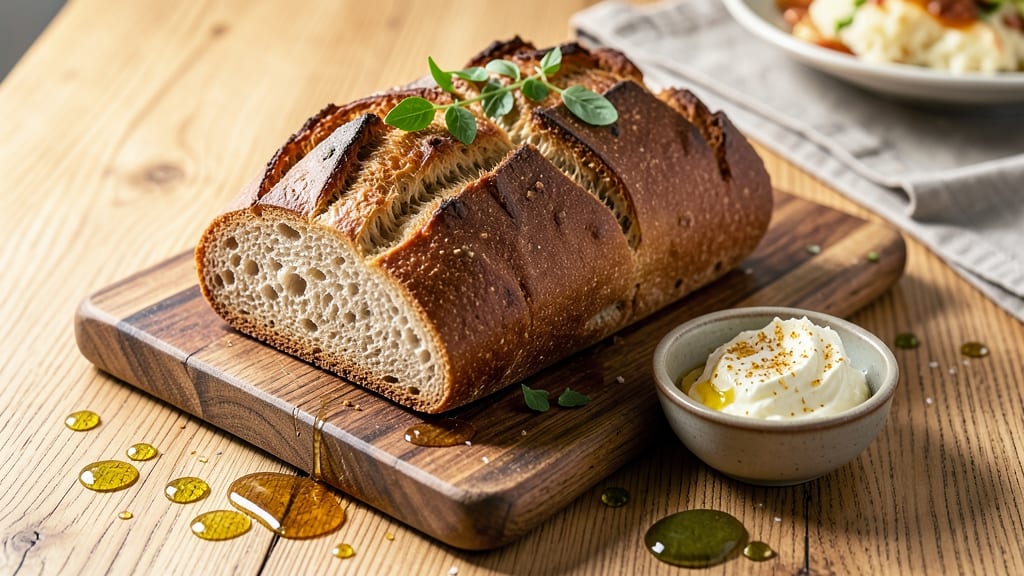
This all natural bread recipe delivers the perfect balance of a whole-grain crust and soft, airy centers—no artificial ingredients in sight. 💛 I developed it after years of experimenting with traditional baking methods, focusing on wholesome ingredients that bring out the bread's natural sweetness and texture.
The secret lies in combining whole-wheat flour with a touch of honey and olive oil, creating a crust that's crisp yet tender inside.
The beauty of this recipe is its simplicity: no yeast substitutes, no processed additives, just quality ingredients that work together naturally. You'll start with a basic dough that comes together in minutes, then let it rise slowly to develop that signature open crumb structure.
The result? A loaf with a golden-brown crust and a light, fluffy interior that's perfect for sandwiches or toast.
What makes this bread truly special is its versatility—it's hearty enough for rustic meals but delicate enough for everyday slices. The whole grains add fiber and nutrients, while the natural sweetness from honey enhances the flavor without overpowering it.
Whether you're baking for a family dinner or meal prepping for the week, this recipe ensures you'll always have wholesome bread on hand.
Ready to bake? This method is foolproof for beginners and refined enough for experienced bakers. The key is patience—letting the dough rise properly and baking at the right temperature ensures that perfect crust and airy crumb. Let's get started on your journey to homemade, all-natural bread!
Ingredients for all natural bread
Whole grains, natural sweeteners, and traditional yeast—this is your all-natural bread starter kit.
| Ingredient | Amount | Notes |
|---|---|---|
| Organic Whole-Wheat Flour 🌾 | 4 cups | Unbleached, stone-ground preferred |
| Unsalted Butter 🧈 | ½ cup | Cold, cubed for texture |
| Raw Honey 🍯 | ¼ cup | Local if possible for depth |
| Extra-Virgin Olive Oil 🫒 | ¼ cup | Lightly fruity variety |
| Active Dry Yeast 🍞 | 1 ½ tsp | Freshly opened for potency |
| Warm Water 💧 | 1 ¼ cups | 110°F, not boiling |
| Diamond Crystal Kosher Salt 🧂 | 1 ½ tsp | Fine grain preferred |
| Ground Flaxseed 🌰 | 1 tbsp | For subtle nuttiness |
| Cornmeal 🌽 | ¼ cup | For dusting baking sheet |
The whole-wheat flour is where the magic happens. King Arthur Organic or Bob's Red Mill are my go-tos—they grind their flour stone-style for that rustic texture. If you're using pre-ground, check the package date: flour goes stale fast, and stale flour means dense bread. The honey should be raw and unfiltered for that floral depth (none of that ultra-processed grocery store stuff). For olive oil, California Avocado Ranch or Colavita varieties work perfectly—they've got that perfect balance of fruitiness without overpowering. And the yeast? Red Star is reliable, but if it's been sitting in your pantry for months, test it first—dissolve in warm water with a pinch of sugar and wait 10 minutes for bubbles.
No whole-wheat flour? Substitute half with all-purpose—it'll still be nutritious but lighter. Honey too expensive? Maple syrup works 1:1, though it adds a distinct flavor. Running low on olive oil? Avocado oil is a neutral swap. The flaxseed can be omitted if you're avoiding seeds, but it adds that lovely crunch. For the yeast, if you're in a pinch, instant yeast works too—just cut the amount to 1 tsp. And if your water isn't exactly 110°F? No stress—just make sure it's warm enough to dissolve the yeast but not so hot it kills it (think lukewarm, like bathwater).
This dough is a patient's game. Once mixed, let it rise in a lightly oiled bowl for 1-2 hours until doubled—don't rush it. For storage, the baked loaf keeps beautifully wrapped at room temp for 3 days, or you can freeze slices for up to 3 months. Pro tip: Toasting frozen slices from frozen gives you that perfect crunch without waiting for them to thaw. And if you've got extra dough? Shape it into rolls or dinner rolls—they're even better the next day!
Why You'll Love This Recipe
- No-Knead Magic: I swear by this—just mix, let it rise, and bake. The whole process takes less time than waiting for takeout, and honestly? The dough comes together faster than my morning coffee.
- Honey-Butter Bliss: That raw honey caramelizes into golden pockets while the butter adds richness without overpowering. It’s the kind of bread where every bite tastes like a hug—especially when toasted with a smear of that same honey.
- Weeknight Workhorse: Freeze half the batch for lazy mornings or toss slices into lunchboxes. My kids grab it for school, and I throw it in soups or salads when I’m too tired to chop. Versatile? Absolutely. Reliable? Even more so.
- Whole-Wheat Without Compromise: No dry, cardboard texture here—the olive oil keeps it tender, and the yeast makes it rise like a dream. Plus, I save money by using pantry staples, and leftovers stay fresh for days. (Yes, even on a Tuesday night.)
Step-by-step instructions for homemade whole-grain bread
Here's how to craft bread with a rustic crust and tender interior—every bite delivers that perfect whole-grain texture.
🍳 Step 1: Activate the Yeast and Mix Wet Ingredients
In a small bowl, whisk together the 1.25 cups warm water (about 110°F), 0.25 cup raw honey, and 1.5 tsp active dry yeast. Let it sit for 5-10 minutes until frothy—this confirms the yeast is alive and ready to work. If it doesn't bubble, your yeast is stale and you'll need to start over.
In a large mixing bowl, combine the 0.5 cup cold unsalted butter (cubed), 0.25 cup extra-virgin olive oil, and 1 tbsp ground flaxseed. Use a fork to mash the butter and flaxseed together until you get a coarse, crumbly texture. This step ensures even distribution of those nutty flaxseeds throughout the dough.
👨🍳 Step 2: Combine Dry Ingredients and Form the Dough
Add the 4 cups organic whole-wheat flour and 1.5 tsp diamond crystal kosher salt to the wet ingredients. Mix with a wooden spoon until a shaggy dough forms—you'll still see dry spots, and that's completely normal. The whole-wheat flour absorbs moisture differently than white flour, so don't worry if it looks dry at first.
Gradually pour in the yeast mixture from Step 1 while mixing. Use your hands or a dough whisk to work the dough until it comes together into a rough ball. Sprinkle a little more flour if needed, but try to keep it as wet as possible—this creates that airy interior we're after. The dough should be sticky but manageable.
🥘 Step 3: Knead Until Elastic and Smooth
Turn the dough out onto a lightly floured surface and knead for 8-10 minutes until smooth and elastic. I press down with the heel of my hand, fold the dough toward me, and rotate the bowl to work all sides. You'll know it's ready when it springs back slowly when poked and feels slightly tacky but not wet.
For a test, poke your finger into the dough—if it springs back immediately, it needs more kneading. If it leaves a slight indentation, you're good. This kneading develops gluten, which gives the bread its structure and that satisfying chew. Don't skip this step—it makes all the difference in texture.
⏰ Step 4: First Rise and Shape the Loaf
Lightly grease a large bowl with olive oil, place the dough inside, and cover with a damp towel. Let it rise in a warm spot for 1-1.5 hours until nearly doubled in size. The dough should look puffy and jiggly when gently shaken. If it doesn't rise much, your kitchen might be too cool—try placing the bowl near a warm oven with the light on.
Once risen, punch down the dough to release air, then shape it into a round loaf on a parchment-lined baking sheet. For extra crust texture, sprinkle the 0.25 cup cornmeal evenly over the top. This creates that beautiful, crispy crust while preventing sticking. Let it rise again for 30-45 minutes until it's puffy and nearly doubled in size.
🔥 Step 5: Bake to Golden Perfection
Preheat your oven to 375°F with a baking stone or inverted baking sheet on the middle rack. This creates steam that gives us that perfect crust. Bake the bread for 30-35 minutes until the crust is deep golden brown and sounds hollow when tapped on the bottom.
For extra browning, brush the top with a little water after 20 minutes in the oven. This creates that beautiful oven spring and crispy crust. Let the bread cool on a wire rack for at least 30 minutes before slicing—this prevents a gummy interior. The aroma alone will make your kitchen smell like a bakery!
Pro Tips For Making All Natural Bread
- Bloom the Yeast First: Skip mixing yeast straight into dry flour—it’s a recipe for underproofed bread. Instead, dissolve the yeast in warm water (around 105°F) with a pinch of honey first, then let it foam for 5-10 minutes. Whole-wheat flour is heavy and can suffocate yeast if it’s dry; this step guarantees it wakes up properly before meeting the flour.
- Soften Butter Properly: Cold butter makes tough bread. Take your unsalted butter out of the fridge 30 minutes before mixing—it should be soft enough to press with a finger but not melted. If you’re in a rush, microwave it in 5-second bursts until just pliable. Overworked butter leads to dense crumb, and nobody wants that.
- Don’t Over-Knead Whole Wheat: Whole-wheat flour behaves differently than white—it develops gluten slower and can turn gummy if kneaded too long. Stop when the dough pulls away cleanly from the bowl (about 8-10 minutes by hand). Over-kneading is the fastest way to end up with a brick instead of bread.
- Brush Olive Oil Last: Save that extra-virgin olive oil for the very end—right after baking. Brush it on the warm loaf while it’s still in the pan to lock in moisture and add a subtle richness. Using it earlier can make the dough sticky and hard to shape, and you’ll regret it when the crust turns out flat.
Wine and beer pairings for this all natural bread
Crisp White Wine
For this all-natural bread, a dry Riesling or Sauvignon Blanc from the Loire Valley cuts through the whole-grain richness beautifully. The bright acidity and citrus notes refresh your palate between bites of the nutty, honey-sweetened loaf.
I love Château des Chouettes—its crisp finish balances the bread's earthy whole-wheat flavor without overpowering it. 🍷
Light Beer Pairings
A Belgian Witbier like Hoegaarden or Stella Artois works perfectly with this bread. The coriander and citrus notes complement the honey and flaxseed, while the effervescence cleanses your palate.
For a local option, try a wheat beer from a craft brewery—just avoid heavy lagers or stouts that might clash with the bread's delicate texture.
Red Wine for Hearty Spreads
If you're serving this bread with olive tapenade or sharp cheeses, a Pinot Noir from Oregon or Burgundy adds depth. The Domaine Drouhin Oregon is my go-to—its red fruit and earthy notes mirror the bread's natural sweetness and whole-grain nuttiness.
Avoid bold Cabernets, which can overpower the bread's subtle flavors.
Non-Alcoholic Options
For a refreshing non-alcoholic pairing, try sparkling apple cider with a touch of ginger.
The effervescence and slight tartness enhance the bread's honeyed crust, while the apple notes complement the whole-wheat flavor. Martinelli's Sparkling Cider is a reliable choice, or make your own by mixing non-alcoholic sparkling wine with a splash of fresh lemon juice.
Seasonal Adaptations
In summer, a rosé from Provence adds a floral touch that pairs wonderfully with the bread's natural sweetness. For winter, a dry sparkling wine like Prosecco or Cava provides a crisp contrast to the bread's hearty texture.
Both options keep the meal feeling light and refreshing while celebrating the bread's wholesome ingredients. ✨
Nutrition facts
Frequently asked questions
Can I make this all-natural bread without honey?
Replace the 0.25 cup honey with 0.25 cup maple syrup for a similar natural sweetness, or use 0.1 cup molasses for a deeper flavor. For a completely sugar-free version, omit it entirely—your bread will still have wonderful whole-grain flavor, just with a slightly less sweet crust.
Why does my whole-wheat dough seem too dry?
Whole-wheat flour absorbs more moisture than white flour, so your dough might need a splash of warm water (1-2 tablespoons at a time) to reach the right consistency. The dough should be sticky but manageable—add just enough to make it pliable. Over-kneading can also make it dry, so aim for 8-10 minutes total.
How can I tell when the bread is fully baked?
Your bread is done when it reaches 190°F internally and has a deep golden-brown crust. Tap the bottom—it should sound hollow like a drum. For extra assurance, check the sides: they should pull away from the pan easily. Never rely on baking time alone, as ovens vary!
Can I make this bread in a Dutch oven?
Yes! A Dutch oven creates even better steam for a crispier crust. Place the shaped loaf in a parchment-lined Dutch oven, cover with the lid, and bake at 375°F for 30 minutes. Remove the lid and bake 10-15 minutes more until golden. The result? A bakery-style crust with that perfect oven spring.
What's the best way to store leftover bread?
Wrap cooled slices tightly in plastic wrap or store in an airtight container to keep fresh for 3-4 days at room temperature. For longer storage, freeze individual slices on a tray, then transfer to a bag—thaw overnight or toast straight from frozen. The freezer extends freshness to 3 months while preserving texture.