
Side Dishes
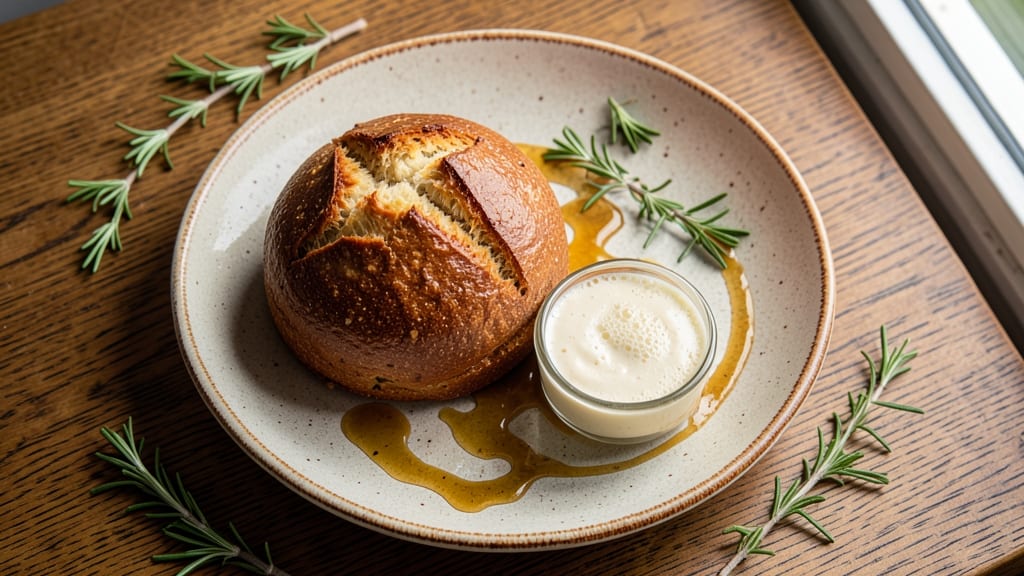
This alkaline bread recipe delivers a light, airy rise without yeast or gluten—perfect for those seeking a naturally leavened loaf with a signature tangy bite. The secret lies in using baking soda and an acidic ingredient (like buttermilk or vinegar) to create a chemical reaction that mimics yeast fermentation.
After years of perfecting the balance, I’ve developed a method that yields a loaf with a crisp crust and tender crumb, ideal for sandwiches or toast.
The beauty of alkaline bread is its simplicity: just five core ingredients—flour, baking soda, an acidic liquid, salt, and oil—come together to form a dough that requires no kneading or long proofing.
Traditional versions like Mexican pan de muerto or Scandinavian soda bread rely on this same principle, but my adaptation ensures a consistent rise and flavor every time. The key is precise measurement and timing to avoid over-alkalinity, which can make the bread taste bitter.
What you’ll achieve is a golden-brown loaf with a slightly crisp exterior and a soft, airy interior—no yeast, no gluten, no fuss. The tangy flavor develops as the baking soda reacts with the acid, creating a subtle depth that pairs beautifully with butter or jam.
This recipe is also a game-changer for those with dietary restrictions, offering a satisfying alternative to traditional bread.
Whether you’re baking for a family gathering or a quiet weekend breakfast, this alkaline bread delivers restaurant-quality results at home. Let’s get started—your first loaf will be ready in under an hour, with no waiting for yeast to activate.
The best part? Leftovers stay fresh for days, making this a staple for any kitchen.
Ingredients for alkaline bread
Five simple ingredients transform into a golden loaf with crisp crust and tender crumb—no yeast, no gluten, no fuss.
| Ingredient | Amount | Notes |
|---|---|---|
| All-Purpose Flour 🌾 | 3 cups | Sifted for even texture |
| Baking Soda 🧂 | 1 ½ tsp | Pure, fine-grained preferred |
| Buttermilk 🥛 | 1 ¼ cups | Fresh, not powdered |
| Olive Oil 🫒 | ¼ cup | Extra-virgin for richness |
| Salt 🧂 | 1 tsp | Diamond Crystal preferred |
| White Vinegar 🍋 | 1 tsp | Optional for extra tang |
| Honey 🍯 | 1 tbsp | Light variety for mild sweetness |
| Cornmeal 🌽 | 2 tbsp | For dusting loaf pan |
The flour is the foundation—King Arthur or Bob’s Red Mill brands work best for consistent rise. Baking soda is non-negotiable here; Arm & Hammer is my go-to for its purity. Buttermilk adds tang and moisture, but if you don’t have it, mix 1 tbsp vinegar with 1 cup milk and let it sit for 5 minutes. The olive oil keeps the crumb tender, so don’t skimp—Trader Joe’s has a great affordable extra-virgin option. Salt enhances flavor, but Diamond Crystal dissolves more easily than table salt, so use that if possible.
No buttermilk? Plain yogurt thinned with milk works in a pinch, though the flavor won’t be identical. Vinegar is optional but adds that signature tang—apple cider vinegar gives a fruity note if you want something different. Honey adds subtle sweetness, but maple syrup or agave work equally well. For a gluten-free version, swap the flour for a 1:1 gluten-free blend—just add an extra 1/4 tsp xanthan gum if your blend doesn’t include it. The cornmeal isn’t just for dusting; it creates a crispier crust, so don’t skip it if you’re particular about texture.
This dough comes together in minutes but needs 20 minutes of rest before baking—trust the process, it’s worth it. The loaf keeps at room temperature for 2 days wrapped in a towel, or 5 days in the fridge. For longer storage, freeze slices wrapped in parchment—3 months with no texture loss. Reheat in a toaster or oven for that fresh-baked crunch. Pro tip: Brush warm loaves with melted butter for extra restaurant-quality flavor.
Why You'll Love This Recipe
- No-Yeast Nightmare: Mixing the dough takes all of 5 minutes—just flour, baking soda, buttermilk, and olive oil. Honestly, I’ve made it while waiting for my coffee to brew. That baking soda does the magic; no kneading, no waiting for yeast to rise.
- Tangy Crust, Soft Core: The buttermilk and olive oil combo gives it a crispy exterior that shatters just enough, while the inside stays pillowy. I’ll be real: it’s the kind of bread that disappears faster than my willpower on a Monday morning.
- Weeknight Workhorse: Slice it for toast, tear it for sandwiches, or freeze the leftovers for quick breakfasts. Between us, I’ve used it to soak up marinara, mop up eggs, and even as a base for croutons—no waste, all flavor.
- Pocketbook-Friendly Staple: All the ingredients cost pennies, and one loaf stretches across three meals. I make two batches on Sundays, and by Wednesday, they’re gone—no sad, stale bread here, just happy leftovers.
Step-by-step instructions for alkaline bread
Here's how to create a naturally light, airy loaf using simple chemistry instead of yeast.
Activate the Baking Soda with Buttermilk and Vinegar
In a medium bowl, combine the 1.25 cups buttermilk, 1 tsp white vinegar, and 1 tbsp honey. Let this mixture sit for 5 minutes—you'll notice it start to bubble gently as the baking soda activates. This chemical reaction creates carbon dioxide, which will give your bread that signature lift without yeast.
While waiting, sift the 3 cups all-purpose flour and 1 tsp salt together in a separate large bowl. Sifting ensures an even distribution of ingredients and prevents dense pockets in the final loaf. Keep this mixture ready for the next step.
Mix Wet and Dry Ingredients to Form a Batter
Pour the bubbly buttermilk mixture into the sifted flour and stir gently until just combined. Add the 0.25 cup olive oil and mix again until the batter is smooth and slightly thick—it should coat the back of a spoon but still be pourable. Overmixing can develop gluten, so stop as soon as everything is incorporated.
The batter should have a consistency similar to pancake batter. If it looks too thick, add 1 tablespoon of water at a time until it reaches the right texture. This alkaline batter relies on chemical reactions rather than gluten development for structure, so don't worry if it doesn't behave like traditional bread dough.
Prepare the Loaf Pan for Baking
Preheat your oven to 375°F. Lightly grease a 9x5-inch loaf pan with olive oil or nonstick spray, then sprinkle the bottom evenly with 2 tbsp cornmeal. The cornmeal creates a crisp barrier that prevents the bread from sticking and helps create that classic alkaline bread crust.
Pour the batter into the prepared pan and smooth the top with a spatula. Tap the pan gently on the counter a few times to release any air bubbles that may have formed during mixing. This ensures an even rise and prevents large holes in the finished loaf.
Bake Until Golden and Springy
Bake for 45-50 minutes until the top is golden brown and a toothpick inserted in the center comes out clean. The bread will puff slightly as it bakes, but don't open the oven door early—this can cause the bread to collapse. If the top browns too quickly, tent loosely with aluminum foil after 30 minutes to prevent over-browning while the center finishes cooking.
Here's the thing—alkaline bread has a unique texture. It should be tender and slightly crumbly rather than chewy. The interior should be moist but not gummy, with a delicate crumb structure that falls apart easily. If you tap the bottom of the loaf gently, it should feel springy rather than dense.
Cool and Serve for Best Results
Remove the bread from the oven and let it cool in the pan for 10 minutes. Then transfer it to a wire rack to cool completely. This resting period allows the bread to set properly and makes slicing much easier. If you try to slice it too soon, the structure will be too delicate and may fall apart.
Once fully cooled, slice with a serrated knife for clean cuts. Serve warm for the best texture—this bread is perfect toasted with butter or used for sandwiches where its tender crumb holds up beautifully. Store leftovers wrapped in plastic at room temperature for up to 3 days or freeze for longer storage.
Pro Tips For Making Alkaline Bread
- MEASURE BAKING SODA PRECISELY: I learned this the hard way—using "a spoonful" of baking soda instead of the exact 1 teaspoon (or 2 grams) throws off the alkaline balance completely. Too much makes the bread bitter; too little kills the rise. Weigh it if you can, or use a proper 1-teaspoon measure—no heaping.
- WHISK BUTTERMILK FIRST: Buttermilk separates when mixed with dry ingredients, and that’s when the bread gets gummy. Whisk the buttermilk with the olive oil and salt before adding flour—this creates a smoother batter and prevents lumps. Stir it like you mean it; those little air bubbles help too.
- DON’T OVERMIX THE DOUGH: This isn’t pancake batter—once you fold in the flour, stop after 10-12 strokes. Overmixing develops gluten, and alkaline bread relies on tender crumb. The moment the flour disappears, call it done. I used to think more mixing = better texture, but now I know better.
- LET IT REST 10 MINUTES: Skipping the rest makes the bread dense. After mixing, let the batter sit covered for 10 minutes—this lets the baking soda fully activate and the flour absorb the liquid. It’s easy to rush, but that pause guarantees a lighter, airier loaf. (Yes, even if you’re impatient like me.)
Creative variations of these flavors
Global Variations
This alkaline bread technique spans continents, each region adding its own twist. In Mexico, pan de muerto—the iconic Day of the Dead bread—uses orange blossom water and anise seeds for floral depth.
I’ve adapted it by adding 1 tsp orange zest to the batter for that same citrusy aroma without the floral note. Scandinavian soda bread often skips the honey, relying instead on buttermilk’s natural tang and a pinch of cardamom for warmth. 🌍
Sweet Adaptations
Turn your savory loaf into a dessert by swapping 1 cup of flour for ½ cup whole wheat flour and adding ½ cup raisins or chopped dates. For extra richness, fold in 2 tbsp melted butter with the olive oil.
My go-to is cinnamon and brown sugar: stir in 1 tsp cinnamon and 2 tbsp packed brown sugar before baking. Brush the warm loaf with melted butter and a sprinkle of turbinado sugar for a caramelized crust. 🍯
Savory Enhancements
Elevate your bread with herbs and spices—try 1 tbsp chopped rosemary or 1 tsp smoked paprika mixed into the dry ingredients. For a cheesy twist, sprinkle ½ cup shredded cheddar on top before baking.
I love adding garlic and onion powder: mix ½ tsp each into the flour for a subtle savory kick. These variations work especially well for grilled cheese sandwiches or dipping in olive oil.
Gluten-Free Swap
For a gluten-free version, replace the all-purpose flour with a 1:1 gluten-free blend (like Bob’s Red Mill GF Flour) and add ¼ tsp xanthan gum to mimic gluten’s structure. Use 1.5 cups of the blend—gluten-free flours absorb more liquid.
The texture will be slightly denser but still tender. I’ve tested this with almond flour too: mix 2 cups almond flour with ½ cup tapioca starch for a nutty, moist loaf. 🌾
Quick Multigrain
Boost nutrition by mixing 1 cup whole wheat flour with 2 cups all-purpose flour, then stir in ½ cup rolled oats and 2 tbsp ground flaxseed. This adds fiber and nuttiness without altering the baking process.
For extra crunch, fold in ¼ cup chopped walnuts or sunflower seeds before baking. The seeds toast beautifully in the oven, adding texture to every bite. Perfect for avocado toast or open-faced sandwiches.
Nutrition facts
Frequently asked questions
Why does alkaline bread need baking soda but no yeast?
The baking soda reacts with acidic ingredients (like buttermilk or vinegar) to create carbon dioxide bubbles, which act like yeast's natural leavening. This chemical reaction gives the bread its signature rise and tender crumb without needing fermentation time. The result is a quick-rise loaf with a slightly tangy flavor from the acid-base reaction.
Can I substitute buttermilk in this recipe?
Yes! Mix 1 tbsp vinegar or lemon juice with 1 cup milk and let sit for 5 minutes to mimic buttermilk's acidity. For a richer texture, use plain yogurt thinned with water (1:1 ratio). The key is maintaining the acidic component—this triggers the baking soda reaction that makes the bread rise.
What makes this bread different from regular soda bread?
Traditional soda bread uses baking soda alone, creating a denser crumb. This recipe adds olive oil and honey for moisture and sweetness, plus the acid (vinegar/buttermilk) creates a more pronounced chemical reaction. The result is a lighter, airier loaf with better texture—ideal for sandwiches or toast where regular soda bread might crumble too easily.
Why did my bread turn out bitter?
Over-alkalinity happens when too much baking soda reacts with the acid. Stick to the 1.5 tsp baking soda measurement and use fresh ingredients—old baking soda loses potency. Also, don't overmix the batter, which can develop gluten and make the bread denser. For extra insurance, add 1 tsp lemon juice to balance any harshness.
How do I make this gluten-free?
Replace all-purpose flour with a 1:1 gluten-free blend (like Bob's Red Mill) and add ¼ tsp xanthan gum to mimic gluten's structure. Use 1.5 cups of the blend—gluten-free flours absorb more liquid. For a nutty version, try 2 cups almond flour + ½ cup tapioca starch. The texture will be slightly denser but still tender when baked properly.