
Side Dishes
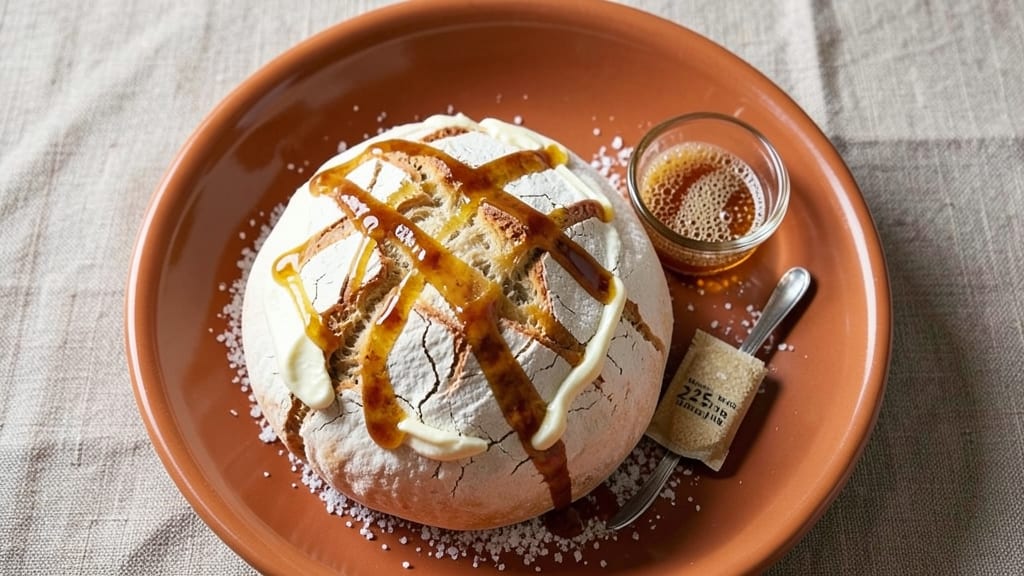
Transforming ordinary bread into a sweet, caramelized masterpiece starts with this adding honey to bread recipe, where golden crust meets a soft, pillowy crumb. The secret lies in blending honey directly into the dough, creating a delicate sweetness that caramelizes beautifully during baking.
This isn’t just bread—it’s a versatile canvas for breakfast toast, sandwiches, or even dessert when paired with butter and jam.
The process is straightforward but requires patience: mixing honey into the dough ensures even distribution, while proper proofing and baking at 375°F for 25-30 minutes delivers that coveted caramelized crust without burning.
The result? A loaf with natural sweetness that enhances every bite, whether enjoyed fresh from the oven or toasted the next morning.
What makes this recipe stand out is its adaptability—use whole wheat flour for a nuttier flavor, or add cinnamon for warmth. The honey doesn’t overpower; it harmonizes with the bread’s natural taste, making it perfect for pairing with tea, cheese, or even as a base for French toast.
Ready to elevate your bread game?
For best results, let the dough rise overnight in the fridge for deeper flavor development. The caramelized crust will have everyone asking for seconds, proving that a little honey goes a long way. Let’s bake this bread together.
Ingredients for adding honey to bread
Four cups flour, half a cup honey, and patience create this sweet caramelized masterpiece.
| Ingredient | Amount | Notes |
|---|---|---|
| All-Purpose Flour 🌾 | 4 cups | Spooned and leveled, not packed |
| Honey 🍯 | ½ cup | Pure, liquid honey preferred |
| Active Dry Yeast 🍞 | 2 ¼ tsp | Fresh yeast works too |
| Warm Water 💧 | 1 ¼ cups | 110°F for optimal yeast activation |
| Granulated Sugar 🍚 | 1 tbsp | Feeds yeast for better rise |
| Unsalted Butter 🧈 | ¼ cup | Softened but not melted |
| Salt 🧂 | 1 tsp | Kosher or sea salt preferred |
| Large Egg 🥚 | 1 whole | Room temperature for even mixing |
| Milk 🥛 | ¼ cup | Any kind, room temperature |
| Cinnamon 🌿 | ½ tsp | Optional for warmth |
| Cornmeal 🌽 | ¼ cup | For dusting baking sheet |
The honey is non-negotiable here—local raw honey adds depth, but any pure liquid honey works. Trader Joe's and Whole Foods carry excellent options, but skip the processed kind with fillers. For the flour, King Arthur or Gold Medal are reliable choices. The yeast needs to be fresh, so check the package date—it should be within 4 months of production. If your kitchen runs warm, proof the dough in a cooler spot to prevent over-rising.
No honey? Maple syrup works at half the amount, though the flavor will differ slightly. Running short on butter? Coconut oil or olive oil can substitute, but butter gives that signature richness. The cinnamon is optional but recommended—it pairs beautifully with the caramelized crust. For a quicker rise, instant yeast can replace active dry yeast at the same amount. If your dough feels too sticky, add 1 tbsp more flour gradually until it comes together without sticking.
This dough improves with time—overnight cold fermentation in the fridge enhances flavor. Store shaped loaves in an airtight container at room temperature for 2-3 days or freeze for up to 3 months. To reheat, wrap in foil and warm at 300°F for 10 minutes. The honey-infused bread makes incredible toast—simply slice, toast, and spread with butter. Leftovers? Perfect for French toast or bread pudding the next day.
Why You'll Love This Recipe
- Here’s what sold me: the honey doesn’t just add sweetness—it keeps the bread moist for days. No dry, sad loaves here. The crust gets a golden caramel note, while the crumb stays soft enough to eat straight from the pan. (Yes, even on a Tuesday night.)
- Five-Ingredient Magic: I swear by this—just flour, honey, yeast, water, and sugar. That’s it. No fancy pantry trips, no measuring cups with questionable edges. The yeast blooms in warm water faster than I can make coffee, and the honey dissolves right into the dough without fighting me.
- Sweet Without Guilt: Here’s what sold me: the honey doesn’t just add sweetness—it keeps the bread moist for days. No dry, sad loaves here. The crust gets a golden caramel note, while the crumb stays soft enough to eat straight from the pan. (Yes, even on a Tuesday night.)
- Breakfast or Snack: This bread is my secret weapon for lazy mornings—tosted with butter or jam, it’s breakfast. Slice it thin for sandwiches, and suddenly your lunch feels gourmet. Freeze half the batch for when you’re too tired to bake, and it thaws like it was just pulled from the oven.
Step-by-step instructions for sweet honey bread with caramelized crust
Here's how to transform basic bread dough into golden, honey-kissed loaves with a tender crumb.
Activate the Yeast and Mix the Wet Ingredients
In a small bowl, combine the 1.25 cups warm water, 1 tbsp granulated sugar, and 2.25 tsp active dry yeast. Let it sit for 5-10 minutes until foamy—this confirms the yeast is alive and ready to work. The mixture should bubble actively and smell slightly sweet.
In a separate large bowl, whisk together the 0.5 cup honey, 0.25 cup softened butter, 1 whole large egg, 0.25 cup milk, and 0.5 tsp cinnamon until fully combined. The honey will create a thick, golden syrup that forms the foundation of your bread's signature flavor. This mixture should be smooth with no visible lumps.
Combine Wet and Dry Ingredients for Perfect Dough
Gradually add the 4 cups all-purpose flour and 1 tsp salt to the wet ingredients, mixing with a wooden spoon or dough whisk until a shaggy dough forms. The honey will make the dough stickier than usual, so don't be tempted to add extra flour—this is normal and essential for the sweet, moist crumb.
Turn the dough onto a lightly floured surface and knead for 8-10 minutes until smooth and elastic. You'll know it's ready when it springs back slowly when poked. The honey will keep the dough softer than traditional bread dough, so handle it gently to avoid overworking. If the dough feels too sticky, wet your hands slightly rather than adding more flour.
First Rise and Shape for Optimal Texture
Lightly grease a large bowl with butter or oil, place the dough inside, and cover with a damp towel. Let it rise in a warm place for 1-1.5 hours or until doubled in size. The dough should feel light and airy when pressed gently—this indicates proper fermentation. The honey will slow the rise slightly compared to plain bread, so be patient and let it develop fully.
Once risen, punch down the dough to release air, then divide it into two equal portions. Shape each portion into a smooth, round loaf. For a rustic look, you can also shape them into ovals or freeform shapes. Place the shaped dough on a baking sheet dusted with 0.25 cup cornmeal—this prevents sticking and adds a beautiful texture to the crust.
Second Rise and Prepare for Baking
Cover the shaped dough with a towel and let it rise again for 30-45 minutes until puffy and slightly domed. The honey will create a glossy sheen on the surface—this is a good sign. Preheat your oven to 375°F with a Dutch oven inside for 30 minutes to ensure even heat distribution.
Carefully transfer the dough (still in the Dutch oven) to the hot oven. Bake for 30-35 minutes until the crust is deep golden brown with caramelized honey spots. The internal temperature should reach 190-200°F. The bread will smell intensely sweet and caramelized—this is your cue that it's perfectly baked.
Cool and Enjoy with Perfect Texture
Remove the bread from the oven and let it cool on a wire rack for at least 1 hour. The honey will continue to caramelize as it cools, creating that signature sweet crust. The crumb should be soft and slightly dense from the honey, with a beautiful golden crust that's crisp but not hard.
Slice while still slightly warm for the best texture—each bite should offer a balance of sweet honey crust and tender, moist interior. Store any leftovers in an airtight container for up to 3 days, or freeze for longer storage. The honey bread makes excellent toast, perfect for breakfast with butter or jam.
Pro Tips For Making Adding Honey To Bread
- TEST YEAST FIRST: Skip the guesswork—mix 1 teaspoon yeast with ¼ cup warm water and 1 teaspoon sugar, then wait 5–10 minutes. If it doesn’t foam, toss that packet and start fresh. I learned this the hard way after baking a dense, flat loaf because my "old" yeast had given up.
- WEIGH THE HONEY: Honey is thick and inconsistent—don’t eyeball it. Use a kitchen scale for ¼ cup (about 65 grams) to avoid over-sweetening or under-flavoring. My first loaf was cloyingly sweet because I used ⅓ cup by volume; the scale fixed that forever.
- KNEAD LESS, REST MORE: Over-kneading develops gluten but also makes the dough tough. Mix until just combined, then let it rise twice—first for 1–1.5 hours, then after shaping. Sounds lazy, but the texture is lighter and the honey flavor shines through.
- STEAM THE FIRST 10 MINUTES: Place a metal bowl of boiling water in your oven before baking, then slide the bread in. The steam creates a crackly crust while keeping the crumb soft. I used to skip this and ended up with a dry, sad loaf—now it’s my non-negotiable step.
Storing and reheating this adding honey to bread
Room-Temp Storage
Keep your honey-infused bread at room temperature in an airtight container (I love Rubbermaid bread boxes) for up to 3 days. The honey caramelizes further during storage, intensifying that sweet aroma.
Place a slice of bread in the container to prevent drying—it absorbs moisture and keeps the loaf fresh longer. 🌾
Fridge Revival
If you need to store for 4-5 days, refrigerate in the same airtight container. To revive stale bread, wrap slices in foil and warm at 350°F for 5-7 minutes. The honey makes it more forgiving than regular bread—it won’t dry out as quickly.
For extra moisture, brush warm slices with a little honey glaze (mix 1 tbsp honey + 1 tsp water).
Freezer Longevity
For maximum freshness, freeze fully cooled loaves wrapped in plastic wrap followed by foil. This honey bread stays fresh for 3 months without losing its signature caramelized crust.
To thaw, remove from freezer and let sit at room temperature for 2 hours, or warm directly in the oven at 300°F for 10 minutes wrapped in foil. The texture remains soft and moist!
Reheating Secrets
For toasty perfection, reheat slices in a toaster oven at 375°F for 3-4 minutes—this crisps the crust while keeping the crumb tender. Avoid microwaving unless absolutely necessary; it can make the honey bread gummy.
My pro tip: Sprinkle reheated slices with flaky sea salt to balance the sweetness and enhance caramelization. ✨
Toasting Tips
Toast your honey bread on medium heat until golden brown—this brings out the caramelized flavors. For extra decadence, spread warm toast with softened butter and a drizzle of honey. The residual honey in the bread creates a natural glaze effect when toasted.
Pro move: Add a pinch of cinnamon to your butter for a spiced twist that complements the bread’s sweetness perfectly.
Leftovers Magic
Transform stale slices into French toast by dipping in an egg-milk batter with a splash of honey. Or make bread pudding by cubing the bread and baking in a custard with extra honey and vanilla.
The honey’s natural sweetness reduces the need for added sugar in these dishes—trust me, it’s a game-changer! 💫
Nutrition facts
Frequently asked questions
Can I substitute maple syrup for honey in this bread?
Yes, but use only half the amount—maple syrup is more concentrated. For 0.5 cup honey, use 0.25 cup maple syrup and reduce the water in the yeast mixture by 2 tablespoons to account for the extra liquid. The flavor will be slightly earthier but still delicious.
Why does my honey bread turn out dense instead of light?
Overmixing or underproofing are common culprits. The honey makes the dough stickier, so knead just until smooth (8-10 minutes) and let it rise until doubled in size. Also, ensure your yeast is fresh—if it didn’t foam in 5-10 minutes, it may be dead. A warm oven (375°F) with steam helps create lift too.
How can I add more honey flavor without making the bread too sweet?
Balance the sweetness with citrus zest (lemon or orange) or vanilla extract (1 tsp). These brighten the honey’s flavor while keeping the bread approachable. For savory options, try a pinch of smoked paprika or garlic powder—they complement the caramelized crust beautifully.
Can I make this bread without a Dutch oven?
Use a heavy baking sheet or line a regular pan with parchment paper. For extra crust crispness, spray the dough with water before baking and place a metal tray on the oven rack 10 minutes before baking to create steam. The crust won’t be as caramelized, but the bread will still be delicious.
What’s the best way to use up honey bread?
Toast it for breakfast with butter and jam, or turn it into French toast by dipping slices in an egg-milk batter with a splash of honey. For dessert, cube and bake in custard for bread pudding. The honey’s natural sweetness makes it perfect for both sweet and savory dishes—think grilled cheese with honey butter!