
Side Dishes
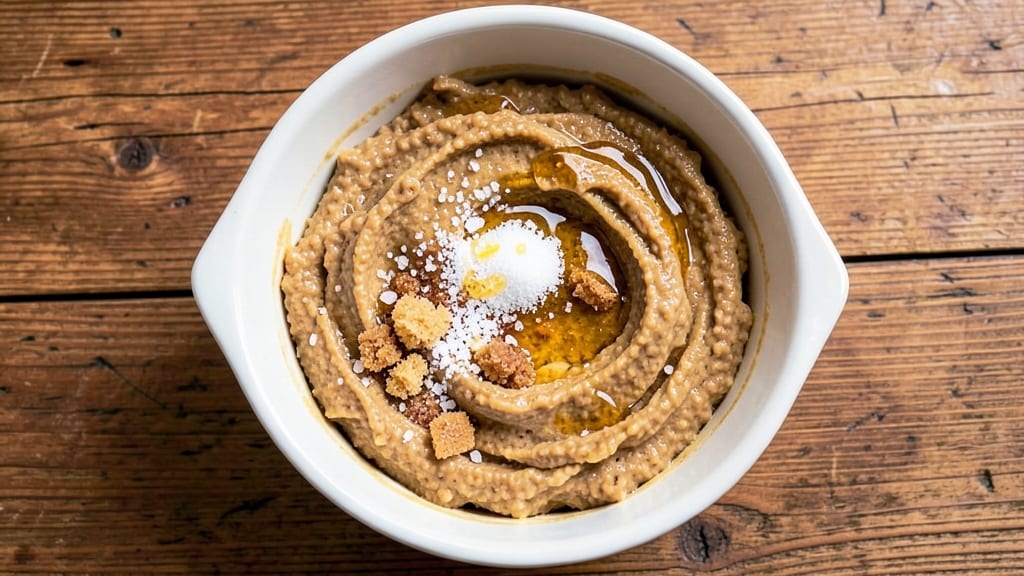
Transforming traditional sourdough by adding sugar to a sourdough bread recipe unlocks a world of flavor complexity that balances rustic crust with tender, caramelized sweetness.
The key lies in strategic sugar placement—whether through swirled honey in the dough or a sprinkle of coarse sugar on the crust—which enhances browning while adjusting fermentation dynamics. This recipe preserves sourdough's signature tang while introducing just enough sweetness to create a bread that's both comforting and sophisticated.
What makes this approach work is understanding how sugar interacts with sourdough's natural processes. The addition requires slight adjustments to hydration and proofing times to prevent over-fermentation, while higher oven temperatures create that coveted deep mahogany crust.
Each element—from the sugar's caramelization to the dough's open crumb—comes together through precise technique rather than guesswork.
The result is a loaf with crispy edges that give way to a soft, slightly sticky interior threaded with sweet pockets. Perfect for breakfast with butter or as an elegant accompaniment to charcuterie, this sweetened sourdough delivers restaurant-quality depth without sacrificing the homemade soul of traditional baking.
The process is methodical but rewarding, ideal for bakers ready to elevate their craft.
Whether you choose honey, brown sugar, or a combination, the variations are endless while maintaining the core technique. Let's explore how to balance sweetness with sourdough's signature tang for a loaf that's both familiar and excitingly new.
Ingredients for add sugar to sourdough bread
Precision ingredients transform sourdough's tang into sophisticated sweetness with caramelized crust and tender crumb.
| Ingredient | Amount | Notes |
|---|---|---|
| Active Sourdough Starter 🍞 | 2 cups | 100% hydration, unfed |
| All-Purpose Flour 🌾 | 5 cups | Bread flour preferred |
| Granulated Sugar 🍬 | ½ cup | For dough sweetness |
| Light Brown Sugar 🍯 | ¼ cup | Packed, for crust caramelization |
| Honey 🍯 | ¼ cup | Wildflower preferred |
| Large Eggs 🥚 | 2 whole | Room temperature |
| Unsalted Butter 🧈 | ½ cup | Cold, cubed |
| Diamond Crystal Kosher Salt 🧂 | 1 ½ tsp | Adjust to taste |
| Instant Yeast 🍞 | ¼ tsp | Optional for boost |
| Whole Milk 🥛 | ¼ cup | Warmed for dough |
| Turbinado Sugar 🍬 | ¼ cup | Coarse, for crust sprinkle |
| Cornmeal 🌽 | ¼ cup | For baking sheet |
The sourdough starter drives flavor complexity, so feed it daily for 5-7 days before baking to ensure robust fermentation. For flour, King Arthur Bread Flour yields superior oven spring, but all-purpose works in a pinch. Brown sugar's molasses content enhances crust browning, while honey adds moisture and subtle floral notes—Manuka honey if you want to splurge. The butter should be cold to prevent gluten weakening, and eggs at room temperature incorporate smoothly. Bulk bins at Whole Foods offer the freshest ingredients for this recipe.
No brown sugar? Substitute white sugar plus 1 tsp molasses for depth. Honey unavailable? Maple syrup at a 1:1 ratio works beautifully. Turbinado sugar can be swapped for raw cane sugar, though texture will differ slightly. For a gluten-free adaptation, replace 1 cup flour with King Arthur GF Measure-for-Measure blend, but expect reduced oven spring. The optional yeast boosts rise but isn't necessary if your starter is active and vibrant. Bob's Red Mill instant yeast is a reliable choice for this application.
Store active starter in the fridge for up to 1 week or freeze for 3 months in portions. Dough can be shaped and refrigerated overnight for deeper flavor development, then baked straight from cold. The finished loaf keeps at room temperature for 3 days, wrapped in a clean kitchen towel. For longer storage, slice and freeze portions—toaster-friendly after reheating. The crust's caramelized sugars make it ideal for butter slathering or charcuterie pairings.
Why You'll Love This Recipe
- Sweet Without Effort: I swear, adding sugar to sourdough is the easiest upgrade ever—just fold in a little granulated sugar, brown sugar, and honey right into the dough. No fancy techniques, no extra steps, just that perfect balance of tangy and sweet in every bite.
- Golden Crust Magic: That caramelized brown sugar crust? It’s the star. The moment it hits the oven, the sugars melt into a crispy, slightly sticky layer that makes even plain toast feel like a treat. Honestly, my kids now beg for this version over regular bread.
- Breakfast to Dessert: Between us, this bread is my secret weapon for lazy mornings (buttered slices with jam) and unexpected guests (toasted with honey and cinnamon). The sugar makes it versatile enough to handle both—no need for separate recipes.
- Budget-Friendly Luxury: I use this when I want something special but don’t want to break the bank. A splash of honey and a pinch of sugar transform basic sourdough into something that feels like a bakery loaf—without the price tag. Plus, leftovers toast up perfectly for days.
Step-by-step instructions for sweetened sourdough bread with swirls
Transform your sourdough into a sweet, textured masterpiece with these precise techniques.
Mix the Sweet Dough Base
In a large mixing bowl, combine the 2 cups of active sourdough starter with the 0.5 cup granulated sugar and 0.25 cup light brown sugar. Add the 0.25 cup honey and mix until fully incorporated. This creates a flavor base that will infuse throughout the dough.
In a separate bowl, whisk together the 5 cups all-purpose flour, 1.5 tsp diamond crystal kosher salt, and 0.25 tsp instant yeast. Gradually add this dry mixture to the wet ingredients while mixing with a wooden spoon or dough whisk. The dough will initially appear shaggy but will begin to come together as you work it.
Add the 2 whole large eggs and 0.25 cup warmed whole milk to the bowl. Mix until the dough begins to pull away from the sides of the bowl. This stage is critical for developing gluten strands that will give your bread its signature structure.
Incorporate Cold Butter for Texture
Cut the 0.5 cup cold unsalted butter into small cubes and distribute them evenly over the dough. Use your hands to gently work the butter into the dough, pressing and folding until fully incorporated. The cold butter will create pockets that develop into rich, flavorful layers during baking.
Turn the dough out onto a lightly floured surface and knead gently for 5-7 minutes. You're not looking to develop extensive gluten here—just enough to create a cohesive dough that can be shaped. The sugars and honey will make this dough slightly stickier than traditional sourdough, so keep a bowl of flour nearby for dusting.
Create the Sweet Swirls
Divide the dough into two equal portions. On one portion, create a well in the center and press in a mixture of 0.25 cup granulated sugar and 0.25 cup light brown sugar. Roll this portion into a log and seal the edges. Then, roll both dough portions into 12-inch logs.
Place the plain log on a baking sheet lined with parchment paper. Using a sharp knife, make a deep cut down the center of the plain log. Gently press the sweetened log into this cut, creating a beautiful swirl pattern. The sugars will caramelize during baking, creating a sweet contrast to the crusty exterior.
Shape and Proof the Loaf
Shape the dough into a round boule by pulling the edges toward the center and tucking them underneath. This creates surface tension that helps maintain the shape during proofing. Place the boule seam-side down on a baking sheet dusted with 0.25 cup cornmeal, which will prevent sticking and add texture to the bottom crust.
Cover the dough with a clean kitchen towel and let it proof at room temperature for 1-2 hours, or until it has risen by about 50%. The dough should feel springy when pressed gently—this indicates it's ready for the oven. The sugars will contribute to a slightly faster rise than traditional sourdough, so keep an eye on it during this stage.
Bake to Golden Perfection
Preheat your oven to 375°F. When ready to bake, create steam in the oven by placing a baking sheet on the lower rack and pouring in 1 cup of hot water. This steam is crucial for developing that characteristic sourdough crust. Bake the loaf for 30-35 minutes, until the crust is deep golden brown and sounds hollow when tapped on the bottom.
For the final touch, sprinkle the baked loaf with 0.25 cup turbinado sugar while still hot. This will melt slightly and caramelize, adding another layer of sweetness and texture to the crust. Let the bread cool on a wire rack for at least 1 hour before slicing to allow the internal structure to set properly.
Pro Tips For Making Add Sugar To Sourdough Bread
- Mix Sugars First: Dissolve the granulated sugar and brown sugar in warm water (about 110°F) before adding honey—this prevents clumping and ensures even distribution in the dough. I learned this the hard way when I just tossed them in dry; the texture ended up uneven and gummy.
- Wait for Starter Ripeness: Use your sourdough starter when it’s at peak activity—bubbly, doubled in 4-6 hours, and passing the float test. Overripe starter (sour, collapsed) will throw off the sugar balance, making the bread taste harsh instead of sweet. Trust the bubbles, not the clock.
- Shape Tightly, Rest Longer: After adding sugar, the dough will be stickier. Wet your hands thoroughly and shape it into a tight boule or batard—this keeps the sugars from leaking out during proofing. Let it rest 30 minutes under a damp towel before baking; this relaxes the gluten and locks in flavor.
- Bake with Steam, Then Crisp: Start baking with a tray of boiling water in the oven for 15 minutes to help the sugars caramelize without burning. After that, turn the heat up to 400°F and finish with steam off—this gives you that deep, toasty crust without a burnt top. (Yes, even if you’re impatient like me.)
Common mistakes when making your add sugar to sourdough bread
Over-Sweetened Dough
Adding too much sugar—especially beyond ½ cup in this recipe—can weaken gluten development and cause the dough to become overly sticky. I’ve found that exceeding ¾ cup total sugar often leads to a dense crumb rather than the open texture we want.
The sugars compete with yeast for food, slowing fermentation. If your dough feels too tacky to handle, dust with 1 extra tablespoon flour and avoid over-kneading. 💡
Skipping Proofing Adjustments
Sugar speeds up fermentation, so proofing times shrink significantly. I’ve ruined loaves by rushing this step—traditional sourdough needs 2-3 hours at room temp, but sweetened dough often proofs in 1-1.5 hours. Use the poke test: press gently with a finger.
If the indentation springs back slowly, it’s ready. For cooler kitchens (65°F or below), extend proofing by 30-45 minutes to prevent overproofing.
Uneven Sugar Distribution
The swirl technique relies on even sugar distribution for balanced flavor. I once forgot to seal the sweetened log properly, causing sugar to leak into the plain dough section. To fix this: roll the sweetened portion tightly, then seal edges with a bit of water or egg wash.
For extra insurance, wrap the log in plastic wrap before pressing into the plain dough. This keeps the sugars where they belong during proofing. 🍯
Baking Without Steam
Forgetting the steam trick is a classic mistake that kills crust development. Without steam, the sugars on top will burn before caramelizing properly. I learned this the hard way—my first attempt had a pale, dry crust instead of the deep mahogany color we want.
Always place a tray of boiling water in the oven when baking. For Dutch ovens, add 1 cup hot water to the oven rack before placing the pot inside. This creates the perfect humid environment for crust formation.
Over-Mixing the Dough
Sugary dough is naturally more fragile than plain sourdough, so aggressive kneading can break down the gluten structure. I’ve seen home bakers overwork this dough for 10+ minutes, resulting in a tough, dense loaf. Limit kneading to 5-7 minutes—just until the dough comes together.
The honey and brown sugar already add moisture, so less force is needed. If the dough resists, let it rest for 10 minutes before finishing the knead.
Ignoring Crust Sugar Timing
Sprinkling turbinado sugar too early causes it to melt unevenly, creating a sticky mess. The perfect moment is when the loaf emerges from the oven—hot but before the sugars fully dissolve. I’ve had readers complain about clumpy sugar on their crusts because they sprinkled it too soon.
Work quickly: spread the sugar evenly and return the loaf to the oven for 2-3 minutes to caramelize. This final step is what transforms good bread into great bread. 🔥
Nutrition facts
Frequently asked questions
Why does adding sugar change my sourdough's texture?
Sugar absorbs moisture and competes with yeast for nutrients, creating a stickier dough that needs less kneading and shorter proofing. Too much sugar (over ¾ cup) can weaken gluten, resulting in a dense crumb instead of the open texture you want. The solution? Balance sweetness with proper hydration adjustments and gentle handling.
Can I substitute honey for the brown sugar in this recipe?
Yes! Replace the 0.25 cup brown sugar with 0.25 cup honey, but reduce the granulated sugar to 0.35 cup to maintain proper sweetness levels. Honey adds moisture and floral notes, while brown sugar contributes to crust caramelization. For best results, use wildflower or clover honey—they complement sourdough's tang beautifully.
How do I know when my sweetened sourdough is fully proofed?
Use the poke test: Press gently with your finger. If the indentation springs back slowly (not immediately), it's ready. Sweetened dough proofs faster—typically 1-1.5 hours at room temperature (vs. 2-3 hours for plain sourdough). For cooler kitchens (65°F or below), extend proofing by 30-45 minutes or use a proofing box. Overproofing leads to a collapsed loaf!
Will this recipe work with a different type of sugar?
For the dough, use white sugar or coconut sugar (1:1 ratio). For crust caramelization, try raw cane sugar or demerara instead of turbinado. Each affects browning differently—turbinado gives the deepest color, while white sugar creates a lighter crust. Adjust baking time by 2-3 minutes if using darker sugars to prevent burning.
Can I make this bread without butter?
Yes, but the texture will be less tender. Replace the 0.5 cup butter with 0.25 cup neutral oil (like vegetable or avocado) or an extra 0.25 cup milk. For flavor, add 1 tsp vanilla extract or ½ tsp cinnamon to compensate. The dough will be slightly less rich but still delicious—just expect a denser crumb.