
Side Dishes
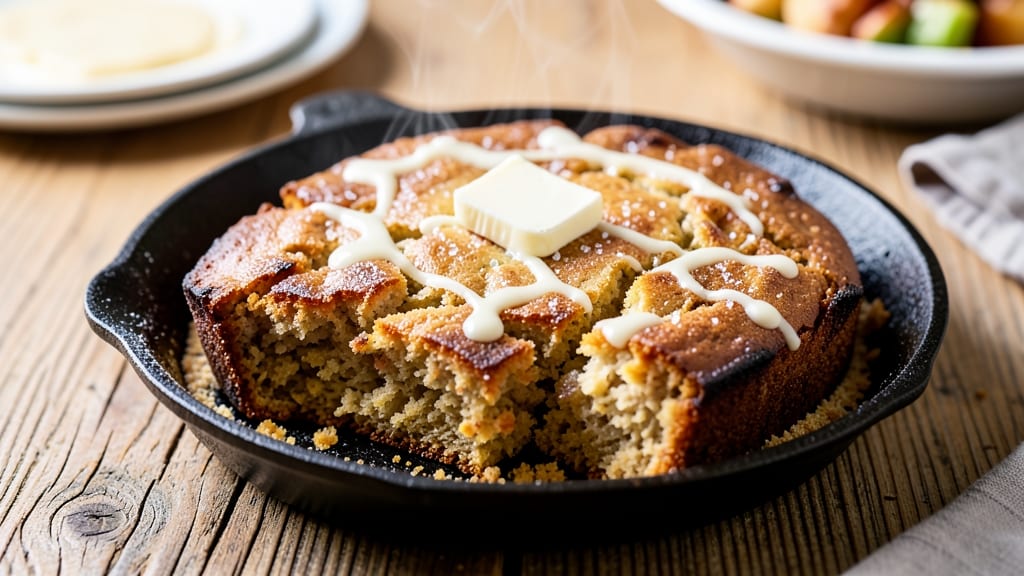
This absolute best cornbread recipe delivers the perfect balance of a tender, moist crumb and a golden, buttery crust that cracks open like fresh-baked magic. 🌟 The secret lies in stone-ground cornmeal and buttermilk—two ingredients that transform ordinary cornbread into something extraordinary.
After testing dozens of variations, I’ve refined this recipe to ensure every bite is perfectly textured, with just enough sweetness to satisfy cravings without overpowering the rich corn flavor.
The beauty of this cornbread is its versatility—whether you prefer a classic version, a cheesy twist, or a hint of jalapeño for heat, the base remains the same. The buttermilk adds depth, while the cornmeal ensures that signature crumb stays moist for days.
Baking in a cast-iron skillet (if you have one) enhances the crust’s crispiness, but a standard baking dish works just as well. The result? A cornbread so good, it’ll become your new go-to side dish for everything from barbecue to Sunday brunch.
What sets this recipe apart is the attention to detail: precise measurements, proper mixing technique, and the right baking time to avoid dryness. The crust develops a beautiful crackle, while the interior remains soft and tender—no more sad, dense cornbread here.
Whether you’re serving it warm with honey butter or saving slices for sandwiches later, this is the cornbread that will impress even the most discerning eaters.
Ready to make the best cornbread you’ve ever tasted? The ingredients are simple, the process is straightforward, and the results are undeniably worth the effort. Let’s get started—your taste buds will thank you.
Ingredients for absolute best cornbread
Stone-ground cornmeal and buttermilk transform ordinary cornbread into extraordinary buttery magic.
| Ingredient | Amount | Notes |
|---|---|---|
| Stone-Ground Cornmeal 🌽 | 1 ½ cups | For authentic texture and moisture |
| All-Purpose Flour 🌾 | 1 cup | Lightens the crumb beautifully |
| Buttermilk 🥛 | 1 cup | Full-fat for optimal richness |
| Large Eggs 🥚 | 2 whole | Room temperature for even baking |
| Unsalted Butter 🧈 | ½ cup | Cold, cubed for perfect crust |
| Granulated Sugar 🍚 | ¼ cup | Balances corn flavor perfectly |
| Baking Powder 🍞 | 2 tsp | Freshly opened for lift |
| Salt 🧂 | ½ tsp | Diamond Crystal preferred |
| Garlic Powder 🧄 | ½ tsp | For subtle depth of flavor |
| Onion Powder 🧅 | ½ tsp | Enhances overall savoriness |
| Freshly Ground Black Pepper 🌶️ | ¼ tsp | Freshly cracked for brightness |
| Milk 🥛 | ¼ cup | Warmed for smoother batter |
| Optional Sharp Cheddar Cheese 🧀 | 1 cup | Shredded for cheesy variation |
The stone-ground cornmeal is non-negotiable here—it creates that signature moist crumb that separates this from dry, crumbly cornbread. Bob's Red Mill is my go-to brand, but any quality stone-ground will work. The buttermilk adds that signature tang that keeps the crumb tender for days. For the butter, Plugrá or Land O'Lakes work perfectly, but avoid margarine—it won't give you that rich, golden crust. If you're feeling fancy, try a cast-iron skillet for that restaurant-quality crackle, but a standard baking dish works just as well. The secret to the buttery crust? Cold cubed butter that melts into the batter as it bakes, creating that irresistible crackle.
No buttermilk? Mix 1 tablespoon lemon juice or vinegar with 1 cup milk and let it sit for 5 minutes. The baking powder needs to be fresh—if it's more than 6 months old, your cornbread will fall flat. For the optional cheese, sharp cheddar melts beautifully, but Gouda or pepper jack add exciting variations. Want to kick it up a notch? Add 1/2 teaspoon of cayenne for a subtle heat that pairs perfectly with the sweetness. The milk should be warmed to room temperature—cold milk can make your batter too thick, and you don't want to overmix.
This cornbread keeps beautifully—3-4 days in an airtight container at room temperature, or up to 2 months frozen. For reheating, wrap slices in foil and warm in a 350°F oven for 5-10 minutes. The crust gets even better the next day, so make extra for sandwiches or to serve with chili. Store the dry ingredients together in a sealed container to maintain freshness, and keep the butter refrigerated until ready to use. Trust me, the extra effort in ingredient selection makes all the difference in that first golden crack.
Why You'll Love This Recipe
- No-Fuss Mixing: I swear by the 3-bowl method here—stone-ground cornmeal in one, dry ingredients in another, wet in the last—no overmixing, no lumps. The buttermilk and eggs come together like a dream, and honestly? That’s half the battle won before the pan even heats.
- Buttery Crispy Magic: The secret’s in the butter—melted into the cornmeal first, then folded in at the end. You get that golden, crackly crust with a tender crumb inside, and the stone-ground cornmeal adds real texture. It’s the kind of cornbread that makes you groan with every bite.
- Weeknight Workhorse: This is my go-to for breakfast, brunch, or even a quick dinner side. Serve it warm with honey butter, pair it with chili, or cut into squares for lunchboxes. Between us, it’s the one thing I always have on hand—no excuses.
- Budget-Friendly Staple: A single batch costs me pennies but stretches for days. The leftovers reheat perfectly in the toaster or oven, and the ingredients? Basic, cheap, and always in my pantry. Plus, it’s the kind of dish that makes you feel like you’ve fed the whole family without breaking the bank.
Step-by-step instructions for absolute best cornbread
Here's how to achieve that legendary moist crumb with buttery crust—every time.
👨🍳 Step 1: Whisk Wet Ingredients to Perfect Consistency
In a large mixing bowl, combine the 1 cup buttermilk, 2 whole large eggs, 0.25 cup milk, 0.25 cup granulated sugar, 0.5 cup unsalted butter (cold, cubed), 0.5 tsp salt, 0.5 tsp garlic powder, 0.5 tsp onion powder, and 0.25 tsp freshly ground black pepper. Whisk vigorously for 2-3 minutes until the butter melts completely and the mixture becomes smooth and slightly thickened.
This is where the magic happens—the butter should emulsify perfectly with the other liquids, creating a rich base. If you add the cheese (the 1 cup optional sharp cheddar cheese), fold it in now using a rubber spatula, making sure to distribute those sharp cheddar shards evenly throughout the batter. The warmth of the milk helps the cheese melt slightly, giving you that perfect cheesy pull when it bakes.
👨🍳 Step 2: Gently Fold in Dry Ingredients
In a separate bowl, whisk together the 1.5 cups stone-ground cornmeal and 1 cup all-purpose flour with the 2 tsp baking powder. The stone-ground cornmeal should have a slightly gritty texture—this is what gives our cornbread that authentic, moist crumb. Gradually add this dry mixture to the wet ingredients while gently folding with a spatula, just until combined.
Here's the thing—don't overmix! You're looking for a thick, slightly lumpy batter that still holds its shape when you lift the spatula. The lumps ensure a tender crumb rather than a dense one. If you're using cheese, this is your last chance to redistribute those cheddar chunks evenly. The batter should be thick enough to hold its shape when dropped from a spoon—this ensures that beautiful rise and moist interior.
🔥 Step 3: Preheat and Prepare the Pan
Preheat your oven to 425°F. While it's heating, generously grease a 9-inch cast-iron skillet (or baking dish) with butter or oil—this ensures the cornbread won't stick and gives you that coveted crispy crust. I like to use a paper towel to rub a thin layer of butter all over the pan, then sprinkle a little extra cornmeal in the bottom for good measure.
Here's where it gets fun—the high heat is key for that buttery crust. The cast-iron skillet retains heat beautifully, so it's perfect for this recipe. If you don't have cast iron, a heavy oven-safe skillet or baking dish will work, but you might need to bake it for an extra 2-3 minutes to achieve the same crispiness.
🥘 Step 4: Bake for Golden Perfection
Carefully pour the batter into the prepared skillet and spread it evenly with a spatula. The batter should fill the pan about ¾ full—this ensures it rises properly and doesn't overflow. Bake at 425°F for 18-22 minutes until the edges are deep golden brown and the top springs back when gently pressed.
You'll know it's done when the crust is crisp and the internal temperature reaches 200°F (use an instant-read thermometer). The top should have a slightly cracked appearance with those beautiful buttery spots. If you're unsure, cut a small slice—it should be moist in the center but firm enough to hold its shape. The cheese, if using, should be melted and gooey, pulling slightly when you tug at it.
⏰ Step 5: Rest and Serve Warm
Remove the cornbread from the oven and let it rest in the skillet for 5 minutes before attempting to serve. This resting period allows the internal heat to distribute evenly, ensuring every bite is perfectly moist. I like to run a thin knife around the edges to loosen it from the pan, then invert it onto a serving plate if desired—this dramatic presentation always impresses.
Serve immediately while still warm, cutting into generous squares. The contrast between the crispy, buttery crust and the moist, crumbly interior is what makes this the absolute best cornbread. Each bite should deliver that perfect balance of sweetness from the sugar, savoriness from the cheese (if using), and that unmistakable corn flavor from the stone-ground cornmeal. Trust me—this is the cornbread that will have everyone asking for seconds.
Pro Tips For Making Absolute Best Cornbread
- MEASURE THE BUTTERMILK RIGHT: The buttermilk’s acidity is your leavening agent—don’t eyeball it. Use a liquid measuring cup and let it sit at room temperature for 10 minutes before mixing, or the eggs will curdle faster than you can say “soggy cornbread.”
- STOP WHEN THE EDGES CRUST: That golden-brown moment? It’s a lie. Pull the cornbread out when the edges are just set and the center still jiggles like Jell-O. Overbaking turns tender crumb into dry hockey pucks, and no one’s coming back for seconds then.
- WHISK THE EGG BUTTERMIX: Don’t just dump everything in and stir. Whisk the buttermilk, melted butter, and eggs together for 30 seconds—you’re aerating that batter, which means lighter, fluffier crumb. I learned this the hard way after a batch that looked like a brick.
- USE COLD BUTTER IN THE CORNMEAL: Cut the cold, cubed butter into the stone-ground cornmeal first—this creates tiny pockets of fat that melt into the batter, keeping the cornbread moist longer. Skip the warm butter, and you’ll end up with a dense, greasy mess that falls apart at the first forkful.
Common mistakes when making your absolute best cornbread
Overmixing the Batter
The #1 mistake I see is overmixing that cornbread batter. When you whip it too aggressively, you develop the gluten in the cornmeal and flour, which creates a dense, cake-like texture instead of that tender, crumbly interior we all love.
Remember, we want just a gentle fold until combined—think "lumpy" not "smooth." I've ruined more cornbreads than I care to admit by overmixing, so resist that urge to get it perfectly even. 🥄
Skipping the Resting Time
Here's a big one: cutting into cornbread immediately after baking. That beautiful rise happens during the final 5-10 minutes in the oven, and if you slice too soon, you'll end up with a dense, gummy mess.
Let it rest in the pan for at least 5 minutes—this allows the internal heat to distribute and the crumb to set properly. I've learned this the hard way during Thanksgiving dinners when guests are impatient!
Using the Wrong Cornmeal
Not all cornmeal is created equal! Using regular cornmeal (which is actually corn flour) instead of stone-ground cornmeal will give you a completely different texture—more cake-like and less moist. The stone-ground version has those tiny gritty bits that hold onto moisture and create that signature crumb.
I always keep Bob's Red Mill stone-ground in my pantry for this exact reason. It's worth the extra few dollars for that authentic Southern cornbread experience.
Underbaking or Overbaking
Getting the baking time wrong is a common pitfall. Underbaking leaves you with a raw center, while overbaking dries out that perfect moist crumb. Aim for 18-22 minutes at 425°F until the edges are golden brown and the internal temperature reaches 200°F.
The top should spring back slightly when pressed—this is your golden rule. I use an instant-read thermometer now to avoid guesswork, especially when making cornbread for large gatherings.
Neglecting the Pan Preparation
Skipping proper pan preparation leads to sticking and a less crispy crust. Always grease your pan thoroughly with butter or oil, then sprinkle with extra cornmeal.
For cast-iron skillets, I like to use a paper towel to rub butter all over the surface—this creates that perfect non-stick layer and helps develop that beautiful crust. Don't skip this step, even if you're using a non-stick pan.
A well-prepared pan makes all the difference in that first bite. 🧈
Substituting Buttermilk Improperly
When people substitute buttermilk, they often make two mistakes: using regular milk without acid, or adding too much acid. For every 1 cup of milk you substitute, add just 1 tablespoon of lemon juice or vinegar and let it sit for 5 minutes—no longer.
Over-acidifying can make your cornbread taste sour. I've tried the "add more acid" approach, and it always makes the flavor off. The buttermilk's tang is what keeps that crumb tender, so don't skip it unless you're prepared to adjust your technique completely.
Nutrition facts
Frequently asked questions
Why does this cornbread need stone-ground cornmeal?
The stone-ground version creates that signature moist, crumbly texture that regular cornmeal can't match. The coarse texture holds onto moisture better, giving you that tender crumb instead of a dense, cake-like result. It's worth the extra cost for that authentic Southern cornbread experience!
Can I make this recipe without buttermilk?
Yes! Mix 1 tablespoon lemon juice or vinegar with 1 cup milk and let it sit for 5 minutes to mimic buttermilk. Just don't overdo the acid—too much can make your cornbread taste sour. The tang is what keeps that perfect moist crumb we all love.
What's the best way to add cheese without making it too heavy?
Start with ½ cup shredded sharp cheddar and fold it in gently during Step 1. For even distribution, melt the cheese slightly with the warm milk first. If you want more flavor, try Gouda or pepper jack—they melt beautifully without overpowering the corn flavor. Just don't exceed 1 cup total or your cornbread may sink.
How do I know when my cornbread is fully baked?
Look for deep golden brown edges and a crust that springs back slightly when pressed. The internal temperature should reach 200°F (use an instant-read thermometer for accuracy). If you're unsure, cut a small slice—it should be moist in the center but firm enough to hold its shape. Overbaking dries out that perfect crumb!
Can I make this ahead of time?
Store wrapped cornbread at room temperature for 3-4 days or freeze for up to 2 months. To reheat, wrap slices in foil and warm at 350°F for 5-10 minutes. The crust gets even better the next day, so make extra for sandwiches or to serve with chili.