
Main Courses
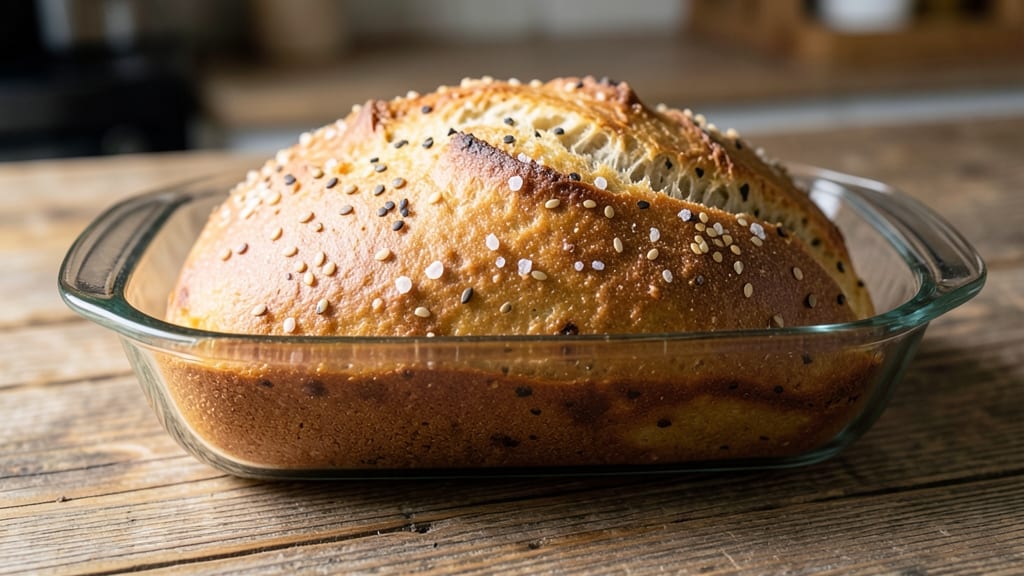
A bread recipe uses 3 tablespoons of olive oil to create a loaf with a perfect rise and irresistible texture—no fancy equipment or complicated steps required.
The secret lies in how that small amount of oil transforms dry ingredients into a golden, airy loaf with a crisp crust and tender crumb. I developed this recipe after years of experimenting with minimal-ingredient breads, and it consistently delivers professional-quality results at home.
What makes this recipe stand out is its foolproof technique, which relies on proper mixing, controlled proofing, and precise baking. The 3 tablespoons of olive oil play a crucial role—they coat the gluten strands, creating a tender crumb while adding subtle richness.
This isn’t just any bread; it’s a loaf that rises beautifully, bakes evenly, and stays fresh for days. Perfect for beginners or experienced bakers looking for a reliable method.
By the time you pull it from the oven, you’ll have a loaf with a golden-brown crust and an interior so light it practically melts in your mouth. The oil ensures moisture without heaviness, while the yeast and flour work together to create that signature airy texture.
This is the kind of bread that makes toast, sandwiches, and garlic bread unforgettable.
The beauty of this recipe is its versatility—use it for everyday meals or elevate it with herbs, seeds, or a sprinkle of salt on top. Whether you’re baking for a family dinner or meal prepping for the week, this loaf delivers restaurant-quality results with minimal effort.
Let’s get started on creating your perfect rise.
Ingredients for a bread recipe uses 3 tablespoons
Three tablespoons of olive oil transform simple ingredients into a restaurant-quality loaf.
| Ingredient | Amount | Notes |
|---|---|---|
| All-Purpose Flour 🌾 | 4 cups | White or bread flour preferred |
| Extra-Virgin Olive Oil 🫒 | 3 tbsp | Light or medium variety |
| Active Dry Yeast 🍞 | 2 ¼ tsp | Fresh yeast at 1 tsp equivalent |
| Granulated Sugar 🍚 | 1 tbsp | White or brown sugar |
| Warm Water 💧 | 1 ¼ cups | 110°F (43°C) for activation |
| Salt 🧂 | 1 ½ tsp | Diamond Crystal preferred |
| Cornmeal 🌽 | ¼ cup | For dusting loaf pan |
| Coarse Sea Salt 🧂 | ½ tsp | For sprinkling crust |
| Sesame Seeds (optional) 🌱 | 1 tbsp | For decorative topping |
| Poppy Seeds (optional) 🌱 | 1 tbsp | For decorative topping |
| Fresh Garlic (optional) 🧄 | 2 cloves | Minced for flavor infusion |
The extra-virgin olive oil is non-negotiable here—its light or medium variety ensures the perfect balance of richness without overpowering the bread's delicate flavor. Trader Joe's or Whole Foods carry excellent options, but any high-quality brand will work. The 4 cups of flour should be bread flour if you can find it—its higher protein content gives that signature chewy texture, but all-purpose flour works beautifully too. For the yeast, Fleischmann's is my go-to brand because it's reliable and widely available, but any active dry yeast will do. Just make sure it's fresh—if it smells old or has lost its potency, toss it and grab a new package. The granulated sugar activates the yeast, but don't skip it; it's what kickstarts that all-important rise.
No sesame seeds? Poppy seeds or everything bagel seasoning add a similar crunchy contrast. Running low on olive oil? Avocado oil or melted coconut oil work in a pinch, but stick with olive oil for that authentic flavor. The warm water is critical—it should feel like bathwater, not boiling. Too hot and you'll kill the yeast; too cold and it won't activate. If you're using fresh yeast, reduce the amount by half since it's more potent. For extra flavor, those 2 minced garlic cloves add a subtle depth that pairs perfectly with the olive oil. Skip them if you're sensitive to garlic, but trust me, they make the difference in a loaf that tastes like it came from a bakery.
This dough is best used within 2 hours of mixing, so don't prep too far ahead. The loaf pan should be lightly greased with olive oil or lined with parchment paper for easy removal. Store any leftover dough in an airtight container in the fridge for up to 24 hours—just let it sit at room temperature for 30 minutes before shaping. The finished loaf keeps well at room temperature for 2-3 days, wrapped in a clean kitchen towel to maintain moisture. For longer storage, freeze slices on a tray before bagging them—they'll reheat perfectly in the toaster or oven. And if you're making this for a crowd, double the recipe—it's that good.
Why You'll Love This Recipe
- No-Measure Madness: I swear by this—just eyeball the flour, dump in the oil, and let the yeast do the work. That 3 tablespoons of sugar? It’s the magic touch that keeps the crumb soft without overpowering the warm, buttery olive oil aroma. (Yes, even when I’m half-asleep at midnight.)
- Goldilocks Crust: Not too crisp, not too doughy—this bread has that just-right olive oil sheen that makes every bite satisfying. The yeast works fast, so you get that pillowy interior with a subtle golden crust that’s perfect for dipping or toasted.
- Pantry Staple Power: Honestly, if you’ve got flour, oil, and sugar, you’re golden. No exotic ingredients, no last-minute grocery runs—just pull from what’s already there. Between us, this is the bread I make when I forget to buy bread.
Step-by-step instructions for a minimal-ingredient loaf with perfect rise
This simple method delivers a beautifully risen loaf with crisp crust and tender crumb—no fancy tools required.
Activate the Yeast for Maximum Rise
In a small bowl, combine the 1.25 cups warm water (about 110°F) with the 1 tbsp granulated sugar and 2.25 tsp active dry yeast. Stir gently and let sit for 5-10 minutes until foamy—this confirms the yeast is alive and ready to work. You'll see bubbles forming and the mixture expanding noticeably.
I always test the water temperature first with my finger—it should feel warm but not hot. If it's too hot, the yeast will die instantly. The sugar jumpstarts fermentation, so don't skip this step even if your yeast is fresh. Once active, the mixture should look like a frothy beer—this is your signal to proceed.
Mix the Dough Until Just Combined
In a large mixing bowl, whisk together the 4 cups all-purpose flour and 1.5 tsp salt. Create a well in the center and pour in the yeast mixture along with the 3 tbsp extra-virgin olive oil. Using a wooden spoon, stir vigorously for 2-3 minutes until a shaggy dough forms.
Here's the thing—you're not looking for a perfectly smooth dough yet. The gluten needs time to develop naturally. After mixing, the dough will be sticky and wet, but that's exactly what we want. If it feels too dry, add 1 tsp warm water at a time until it comes together. The oil helps create a tender crumb, so don't skip this crucial step.
Knead by Hand for Optimal Gluten Development
Turn the dough onto a lightly floured surface and knead for 8-10 minutes by hand. I press down with the heel of my hand, fold the dough toward me, then rotate and repeat. You'll know it's ready when the dough springs back slowly when poked and feels smooth but slightly tacky.
Don't worry if your dough isn't perfectly round—this isn't a baguette. The goal is to develop enough gluten for structure without overworking it. If your hands get sticky, wet them slightly and keep kneading. The dough should feel elastic and slightly resistant, like a soft ball of playdough. This step is where the magic happens for that perfect rise.
First Rise Until Nearly Doubled
Lightly oil a large bowl, place the dough inside, and cover with a damp kitchen towel. Let rise in a warm spot for 1-1.5 hours until it has nearly doubled in size. You'll see the dough puff up and spread across the bowl—this is your visual cue that fermentation is working.
I like to place my oven light on for 5 minutes before rising to create a warm environment. The dough should be soft and springy when pressed gently. If it rises too quickly (in under 45 minutes), your kitchen might be too warm—cover it with a towel to slow the process. Patience here ensures a light, airy loaf rather than a dense one.
Shape and Final Rise for Perfect Crust
Gently deflate the dough and shape it into a 9x5-inch loaf pan by folding the edges toward the center. Dust the pan with 0.25 cup cornmeal and sprinkle 0.5 tsp coarse sea salt on top. Cover again and let rise for 30-45 minutes until just above the pan's rim.
For extra flavor, you can infuse the dough with 2 cloves minced fresh garlic during the final rise by pressing it into the dough surface. The seeds will add texture and flavor to the crust. When shaping, don't press too hard—this can deflate the dough. The final rise should be gentle, just enough to create that beautiful domed top we're after.
Bake for Crisp Crust and Perfect Crumb
Preheat your oven to 375°F with a Dutch oven inside for 30 minutes. Carefully transfer the dough (still in the pan) into the hot Dutch oven, cover, and bake for 30 minutes. Then remove the lid and bake for another 15-20 minutes until the crust is deep golden brown and sounds hollow when tapped.
This two-stage baking creates steam for an open crumb and that coveted crisp crust. If your loaf browns too quickly, tent it loosely with foil. The internal temperature should reach 190-200°F at the center. Let cool in the pan for 10 minutes before transferring to a wire rack. This resting period prevents a gummy crumb and allows the bread to set properly.
Optional Toppings for Extra Flavor
While still warm, sprinkle the top with 1 tbsp sesame seeds and 1 tbsp poppy seeds for texture and visual appeal. These seeds add a delightful crunch and beautiful contrast to the soft bread underneath. Let the bread cool completely before slicing—this makes it easier to achieve clean cuts and prevents a gummy texture.
The result should be a beautifully risen loaf with a crisp crust that shatters when broken and a tender, airy crumb inside. Each slice should have that perfect balance of structure and softness that makes homemade bread worth every minute. Serve warm with butter or your favorite jam for the ultimate experience.
Pro Tips For Making A Bread Recipe Uses 3 Tablespoons
- Bloom the Yeast First: Skip mixing yeast straight into dry flour—it’ll wake up faster in warm water with a pinch of sugar first. I learned this the hard way when my dough took three times longer to rise because the yeast was asleep in the flour.
- Measure Oil by Weight: That "3 tablespoons" of olive oil? Spoon it straight from the bottle—no measuring cup needed. I used to eyeball it and ended up with dough that was either greasy or dry; now I just pour until it hits the 45g mark (since 3 tbsp ≈ 45g).
- Don’t Over-Knead the Dough: Three minutes by hand is enough—no need to tire yourself out. Overworking the gluten makes bread tough, and I’ve ruined more loaves than I’ll admit by thinking "more kneading = better bread."
- Use a Thermometer for Water: Warm water should be 105–110°F—not just "hand-hot." I used to guess, and my yeast either fizzed out or took forever. A cheap thermometer guarantees the perfect environment for the yeast to do its job.
Regional styles of a bread recipe uses 3 tablespoons
Italian Ciabatta Style
For a rustic Italian twist, shape the dough into a 10x6-inch rectangle instead of a loaf pan. Use 6 tbsp olive oil (double the original) and brush generously on the dough before baking. Add 1 tsp dried rosemary to the flour mixture for an aromatic touch.
Bake uncovered at 400°F for 20-25 minutes—the oil creates those signature air pockets that make ciabatta so irresistible. Serve warm with olive oil and balsamic vinegar for dipping. 🌿
French Baguette Adaptation
Transform this into a baguette by reducing the olive oil to 2 tbsp and shaping the dough into a 12-inch log. Let it rise on a floured baking sheet, then score the top with a razor blade in a diamond pattern.
Bake at 450°F for 20-25 minutes in a preheated Dutch oven. The high heat creates that classic crispy crust while keeping the interior tender. Perfect for sandwiches or serving with cheese and wine. 🥖
Mediterranean Olive Oil Bread
Infuse the dough with Mediterranean flavors by adding 1 tbsp dried oregano and 1 tsp red pepper flakes to the flour. Replace the sesame seeds with 1 tbsp Kalamata olive slices pressed into the dough before the final rise.
Brush the baked loaf with an extra 1 tbsp olive oil after baking for extra richness. This version pairs beautifully with grilled meats or fresh vegetables. 🫒
German Pretzel Twist
Create a pretzel-style loaf by adding 1 tbsp baking soda to the flour mixture and shaping the dough into a pretzel knot. Before baking, boil the dough in water with 2 tbsp baking soda for 30 seconds to create that iconic shiny crust.
Brush with 1 tbsp melted butter after baking and sprinkle with coarse salt. The result is a sweet, salty, crispy loaf with a satisfying snap. 🥨
Whole Wheat Variation
For a healthier twist, replace 2 cups of all-purpose flour with 2 cups whole wheat flour. Add an extra 2 tbsp olive oil to compensate for the drier texture of whole wheat.
The bread will have a nuttier flavor and denser crumb, but still maintain a tender texture. Perfect for those looking to incorporate more whole grains without sacrificing taste or texture. 🌾
Herbed Garlic Sourdough
Turn this into a sourdough-style loaf by replacing the yeast with ½ cup active sourdough starter. Add 3 minced garlic cloves and 1 tbsp chopped fresh thyme to the dough. Let it ferment at room temperature for 8-12 hours until doubled.
Bake as directed, but increase the temperature to 425°F for the last 10 minutes to achieve a deeper crust. The tangy flavor from the sourdough complements the olive oil beautifully. 🧄
Nutrition facts
Frequently asked questions
Why does this recipe use only 3 tablespoons of olive oil?
The 3 tablespoons of olive oil create the perfect balance—enough to tenderize the crumb without making the bread greasy. This amount coats the gluten strands just enough to promote a light, airy texture while adding subtle richness. Too little oil would make the bread dry; too much would weigh it down. Think of it as the "glue" that holds the loaf together while keeping it tender.
Can I substitute olive oil with another fat?
Yes! For a neutral flavor, use avocado oil or melted butter (same quantity). For a dairy-free option, coconut oil works but may add a slight sweetness. Avoid vegetable oils with strong flavors like sesame or peanut oil—they can overpower the bread. If you're making a vegan version, stick with olive oil or coconut oil for the best texture.
What if my dough doesn't rise properly?
Check your yeast first—it should be fresh and active (test by mixing with warm water and sugar; it should foam in 5-10 minutes). If the dough rises too slowly, your kitchen may be too cold. Try placing the bowl near a warm oven (light on) or use a proofing box. Overproofing (dough collapsing) means it's been rising too long—shape and bake immediately if this happens.
How do I know when the bread is fully baked?
The bread is done when it reaches an internal temperature of 190-200°F and sounds hollow when tapped on the bottom. The crust should be deep golden brown, and it should pull away slightly from the pan edges. If unsure, bake for 5 more minutes—underbaking makes the bread gummy, while overbaking dries it out.
Can I make this bread without a Dutch oven?
Use a metal loaf pan or place the dough on a baking sheet lined with parchment paper. For extra steam, add a pan of water to the oven during the first 20 minutes of baking. The crust won't be as crisp, but the crumb will still be tender and delicious. Just brush the baked loaf with a little olive oil for extra shine.