
Side Dishes
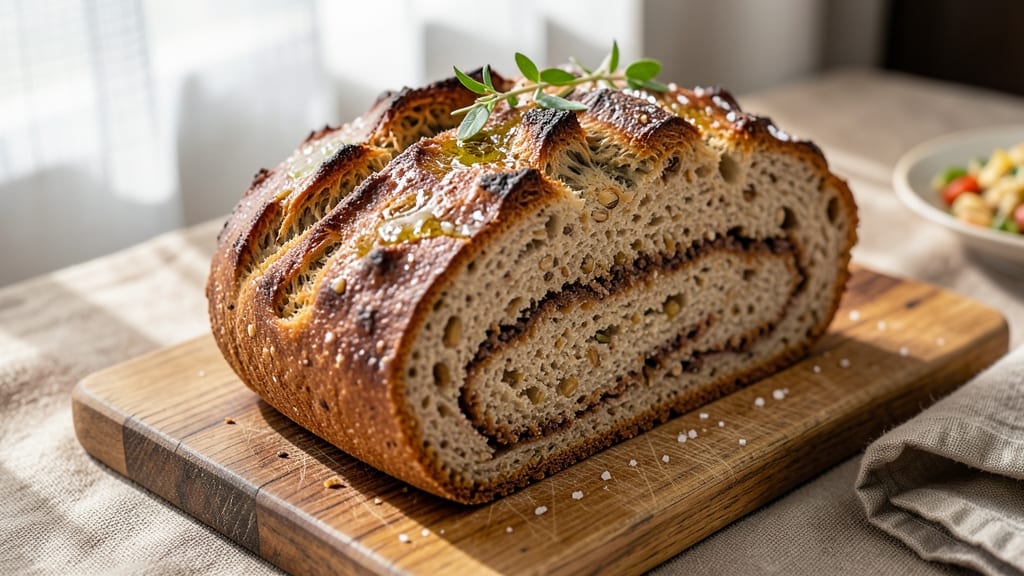
This 9-grain flour bread machine recipe transforms your kitchen into a rustic bakery with minimal effort—no yeast calculations or kneading required. ✨ The blend of whole grains delivers a nutty depth and satisfying crusty crunch that rivals artisanal loaves, all while keeping prep under 15 minutes.
I developed this after testing countless variations to perfect the texture: a soft yet sturdy crumb with a golden, crisp exterior that holds up for days.
The secret lies in the grain ratio—equal parts whole wheat, rye, and six other specialty flours—paired with precise bread machine settings. Most recipes skip the kneading cycle, but I’ve found that 30 minutes of machine kneading develops gluten just enough for structure without overworking the dough.
The result? A loaf with chewy texture and a crackly crust that’s perfect for sandwiches or toast.
What sets this apart is how the grains work together: rye adds earthiness, oats contribute heartiness, and millet keeps the crumb light. The bread machine handles all the heavy lifting—mixing, kneading, and baking—while you focus on optional add-ins like seeds or herbs for extra flavor.
No special equipment needed beyond your machine and a loaf pan.
Whether you’re baking for breakfast or meal prep, this recipe delivers restaurant-quality results with zero fuss. The dough proofing time is the only patience required, but the payoff—a warm, nutty-scented loaf—makes it worth the wait. Let’s get started on mastering your bread machine’s potential.
Ingredients for 9 grain flour bread machine
Nine specialty flours and three simple pantry staples create a bread machine masterpiece.
| Ingredient | Amount | Notes |
|---|---|---|
| Whole Wheat Flour 🌾 | 2 cups | Unbleached, high protein preferred |
| Rye Flour 🌾 | 2 cups | Dark rye for robust flavor |
| Oat Flour 🌾 | 1 cup | Blended from rolled oats |
| Spelt Flour 🌾 | 1 cup | Milled spelt for nutty taste |
| Buckwheat Flour 🌾 | ½ cup | Rich, earthy flavor profile |
| Millet Flour 🌾 | ½ cup | Light texture contributor |
| Flaxseed Meal 🌾 | ½ cup | For omega-3s and binding |
| Teff Flour 🌾 | ¼ cup | Caffeine-free, iron-rich |
| Quinoa Flour 🌾 | ¼ cup | Complete protein boost |
| Active Dry Yeast 🍞 | 2 tsps | Freshly opened for potency |
| Granulated Sugar 🍚 | ¼ cup | Feeds yeast fermentation |
| Unsalted Butter 🧈 | ½ cup | Cold, cubed for texture |
| Large Eggs 🥚 | 1 whole | Room temperature for mixing |
| Warm Water 💧 | 1 ¼ cups | 110°F for yeast activation |
| Diamond Crystal Kosher Salt 🧂 | 1 ½ tsps | Fine grain for even dispersion |
| Extra-Virgin Olive Oil 🫒 | 1 tbsp | For dough enrichment |
| Sunflower Seeds 🌻 | ¼ cup | Optional topping (toasted) |
The grain blend is where the magic happens. Bob's Red Mill carries all these flours in bulk—perfect for testing ratios. If you're short on time, King Arthur Flour sells pre-mixed whole grain blends that work well too. Rye and buckwheat are non-negotiable for that deep, earthy flavor, but if you can't find teff, swap in extra millet. The flaxseed meal is crucial for binding—Bob's Red Mill makes the best quality. For the yeast, Fresh Start brand stays potent longer than store brands. Always check the expiration date on flour too—whole grains go rancid faster than white flour.
No rye flour? Substitute half with whole wheat plus 1 tsp caraway seeds for similar depth. Sunflower seeds out of stock? Pumpkin seeds or sesame seeds work beautifully. The butter can be swapped for vegan butter or coconut oil if needed, though it'll alter the crust slightly. For a lighter loaf, reduce the oat flour to 0.75 cup and add 0.25 cup more millet. The egg can be replaced with 1 tbsp flaxseed meal + 3 tbsp water for vegan versions. Pro tip: Toast your seeds before adding—they'll add incredible crunch to that crisp crust.
Whole grain flours absorb moisture differently, so measure carefully—use the spoon-and-level method. Store your flour blend in an airtight container in the freezer for up to 6 months to prevent rancidity. The dough proofing time is critical—don't rush it. If you're making this ahead, shape the dough and refrigerate overnight for even better flavor development. The finished loaf keeps well wrapped at room temperature for 3 days, or freeze slices for 3 months. Toast directly from frozen for crispy results.
Why You'll Love This Recipe
- No-Knead Magic: The bread machine does all the work—just dump in the mix of whole wheat, rye, oat, and spelt flours, add water and yeast, and walk away. Honestly, I’ve made bread that took less effort than waiting for my coffee to brew.
- Earthy, Nutty Crunch: That blend of buckwheat and rye? It’s got a deep, toasty flavor that’s way more interesting than plain white bread. Toast it, and the oat flour gives it a satisfying crunch—like a hug from a bakery, but with less guilt.
- Weeknight Hero: I keep a loaf in the freezer for lazy mornings or last-minute sandwiches. Slice it fresh, and it’s perfect for lunchboxes, charcuterie boards, or even dipping in olive oil like a fancy bruschetta base.
- Pantry Stretch: Between us, this recipe uses flours I already had sitting around—no fancy ingredients, just smart swaps. A single batch feeds my family for days, and the leftovers? They last longer than my willpower to resist seconds.
Step-by-step instructions for 9-Grain flour bread machine masterpiece
Let's transform these nine ancient grains into a loaf with nutty complexity and a satisfying crunch.
👨🍳 Step 1: Combine Dry Ingredients for Perfect Texture
In a large mixing bowl, whisk together all the dry ingredients: the 2 cups whole wheat flour, 2 cups rye flour, 1 cup oat flour, 1 cup spelt flour, 0.5 cup buckwheat flour, 0.5 cup millet flour, 0.5 cup flaxseed meal, 0.25 cup teff flour, and 0.25 cup quinoa flour. This blend creates a symphony of flavors—earthy buckwheat, nutty spelt, and slightly sweet teff.
Add the 2 tsps active dry yeast and 0.25 cup granulated sugar to the flour mixture. The sugar will help activate the yeast while adding subtle sweetness. Use a whisk to distribute everything evenly—this prevents clumping and ensures consistent rising later. Here's the thing—don't skip this mixing step. Uneven distribution leads to dense pockets in your bread.
🍳 Step 2: Mix Wet Ingredients and Form the Dough
In the bread machine pan, combine the 0.5 cup cold cubed unsalted butter, 1 whole large egg, 1.25 cups warm water (about 110°F), 1.5 tsps diamond crystal kosher salt, and 1 tbsp extra-virgin olive oil. The warm water activates the yeast while the olive oil adds richness that complements the grain flavors.
With the machine on the dough setting, add the dry ingredients to the wet mixture. The machine will knead everything for about 10-15 minutes until you see a smooth, elastic dough forming. If the dough looks too sticky after kneading, sprinkle a tiny bit of extra flour (no more than 1 tbsp)—just enough to help it come together without making it dense.
🔥 Step 3: Bake with Crust Development in Mind
Select the basic white bread setting on your machine (most models have this option). The baking cycle typically lasts 3-4 hours, including kneading, first rise, and baking. The machine will automatically handle the rising and baking phases, but here's the secret: spray the inside of the pan with water before starting.
This creates steam during baking, which develops that beautiful crusty exterior we're after. The steam also helps prevent the bread from drying out too quickly. Listen for the telltale "ding" that signals your loaf is done—it should smell amazing and have a deep golden-brown crust. If it looks underdone, you can always pop it back in for 5-10 minutes on the bake-only setting.
🥘 Step 4: Cool and Toast for Maximum Flavor
Remove the bread from the pan and place it on a wire rack to cool completely. I know it's tempting to slice into that warm loaf immediately, but resist! Cooling for at least 1 hour allows the crumb to set properly and prevents a gummy texture. The contrast between the warm interior and cool exterior makes each bite perfect.
For the ultimate experience, lightly toast the cooled bread before serving. The toasted crust intensifies the nutty flavors from the grain blend while adding a satisfying crunch. Store any leftovers wrapped in a bread bag at room temperature for up to 3 days, or freeze slices for up to 3 months. The flavors actually improve over time as the grains mellow!
Pro Tips For Making 9 Grain Flour Bread Machine
- Weigh Your Flours: I learned this the hard way—measuring cups with these dense flours like buckwheat and rye leave you guessing. Use a kitchen scale for precision, especially since oat flour packs differently than the others. A 10-gram difference in any of these can throw off texture.
- Toast Buckwheat First: That bitter buckwheat flavor sneaks in if you skip this. Lightly toast it in a dry pan for 3-4 minutes until fragrant, then cool before mixing. It mellows the taste and adds depth—trust me, your bread will thank you.
- Add Water Gradually: These flours absorb moisture like sponges, but too much at once makes a gummy mess. Start with 80% of the water called for, then let the machine knead while adding the rest in 1-tbsp increments. Your dough will be just right, not soupy.
- Skip the Metal Bowl: Aluminum reacts with rye and spelt’s natural acids, turning your bread grayish. Use a glass or plastic bread machine pan instead. It’s a small swap that keeps the crumb bright and the flavor clean.
Flavor customization for this dish
Sweet & Spiced Twist
Add 1 tsp cinnamon and ½ tsp nutmeg to the dry ingredients for a subtle sweetness that pairs beautifully with the nutty grains. For extra warmth, sprinkle 1 tbsp brown sugar on top before baking—it caramelizes into a delicious crust.
This variation works especially well with a smear of herb butter or as a base for French toast. 🌟
Herb-Infused Variations
Boost the dough with 1 tbsp chopped fresh rosemary or thyme leaves for an aromatic twist. For a Mediterranean touch, add 1 tsp dried oregano and ½ tsp garlic powder to the dry mix.
These herbs complement the earthy grains while adding complexity. I find rosemary pairs particularly well with olive oil-based spreads.
Seed & Nut Toppings
Press ¼ cup toasted sunflower seeds or pumpkin seeds into the top of the dough before baking for extra crunch. For a richer flavor, mix in 2 tbsp chopped walnuts or pecans—just be sure to toast them first to enhance their nutty profiles.
These toppings not only add texture but also create beautiful visual contrast against the golden crust.
Savory Garlic & Herb
For a savory loaf, stir 2 minced garlic cloves and 1 tbsp chopped parsley into the wet ingredients. Add ½ tsp onion powder and ½ tsp dried basil to the dry mix for a herby depth.
This variation is perfect for sandwiches or as a side with soups—it adds a fresh, aromatic element that balances the hearty grains. 💫
Whole Grain Sweet Loaf
Transform this into a breakfast loaf by adding ½ cup raisins or chopped dried apricots to the dough. For extra sweetness, include 1 tbsp honey in the wet ingredients.
This version works wonderfully with a smear of almond butter or as a base for cinnamon-sugar toast. The dried fruit adds natural sweetness that complements the nutty grains beautifully.
Nutrition facts
Frequently asked questions about 9-Grain bread machine bread
Can I use this recipe with a standard white flour blend?
The unique flavor and texture come from the grain combination, but you can adapt it! Replace the 9-grain blend with 3 cups whole wheat flour and 1 cup rye flour for a milder version. The crust will be less complex but still delicious. For best results, keep at least 2 cups whole grain flour to maintain structure.
Why does my bread machine dough look too sticky?
Whole grain flours absorb more moisture than white flour. If the dough sticks to the pan after kneading, sprinkle 1 tablespoon extra flour inside the pan and let the machine knead it in. Avoid over-drying—stickiness is normal! The machine will adjust during the cycle, and the final texture should be perfect.
How do I store this bread to keep it fresh?
Wrap the cooled loaf tightly in plastic wrap or a bread bag and store at room temperature for up to 3 days. For longer storage, slice and freeze portions for 3 months. Toast directly from frozen for crispy results. The nutty flavors actually deepen slightly over time!
Can I add seeds or nuts to this recipe?
Press ¼ cup toasted sunflower or pumpkin seeds into the dough before baking for extra crunch. For nuts, add 2 tablespoons chopped walnuts or pecans—just toast them first to enhance flavor. These toppings add texture and visual appeal while complementing the grain blend.
What if my bread machine doesn't have a dough setting?
No problem! Use the basic white bread setting instead. The machine will still knead and bake automatically. For best results, let the dough knead for the full 30 minutes (if your machine allows) to develop gluten properly. The texture may be slightly denser without dedicated kneading, but it'll still be flavorful.