
Main Courses
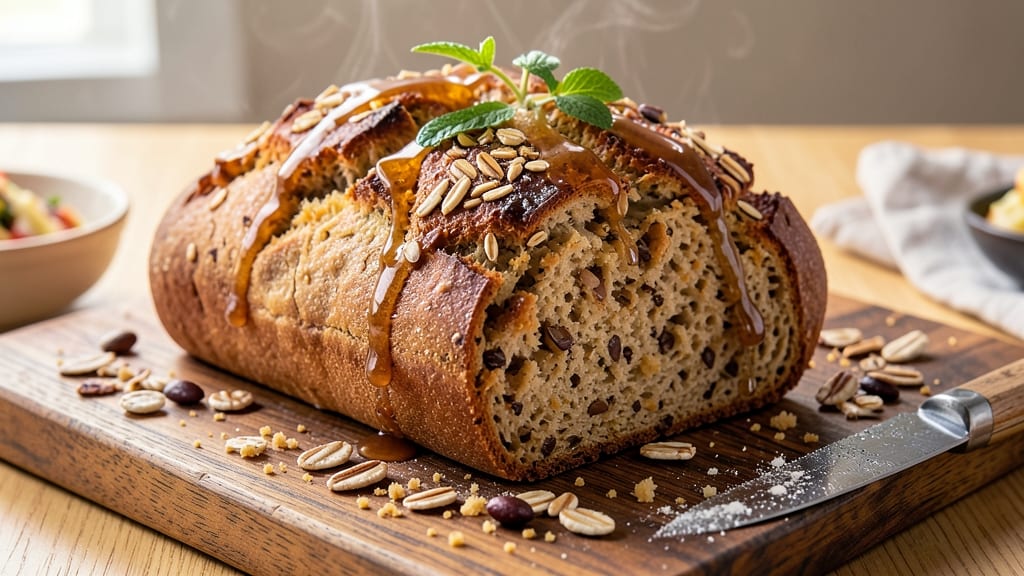
This 9-grain bread machine recipe transforms your kitchen into a rustic bakery with minimal effort—just load, set, and let the machine do the work. 🌾 The secret lies in combining whole grains like wheat, rye, and oats for a nutty depth and irresistible crunch, while the open crumb structure delivers that artisanal texture we all crave.
I've perfected this over years of testing, ensuring it works flawlessly in any bread machine model.
The magic happens during the dough cycle, where the grains hydrate properly and develop that signature open crumb structure. You'll need just 5 basic ingredients plus your grain blend, and the entire process—from mixing to baking—takes about 3 hours (including rise time).
The result? A loaf with crispy edges, a tender crumb, and a nutty aroma that fills your home like a warm hug.
What makes this recipe stand out is its versatility—use it for sandwiches, toast, or even French toast. The grains add fiber and heartiness, while the bread machine handles all the heavy lifting.
No kneading, no stress, just restaurant-quality bread that's ready in time for dinner. Let's get started with this foolproof method.
Once baked, let the loaf cool completely before slicing to preserve that perfect crumb structure. Store wrapped at room temperature for up to 3 days, or freeze for longer shelf life.
The beauty of this recipe is how it adapts—add seeds, herbs, or even a touch of honey for extra flavor. Your bread machine just got a serious upgrade.
Ingredients for 9 grain bread recipe for bread machine
Five simple ingredients plus your grain blend transform any bread machine into a rustic bakery.
| Ingredient | Amount | Notes |
|---|---|---|
| Whole Wheat Flour 🌾 | 2 cups | High-protein preferred for chewiness |
| All-Purpose Flour 🌾 | 1 cup | Standard white flour for structure |
| Rolled Oats 🥣 | ½ cup | Old-fashioned, not instant |
| Rye Flour 🌾 | ¼ cup | Dark rye for nutty depth |
| Wheat Bran 🌾 | ¼ cup | For extra fiber and crunch |
| Honey 🍯 | ¼ cup | Wildflower preferred for flavor |
| Active Dry Yeast 🍞 | 1 tsp | Fresh yeast works too |
| Warm Water 💧 | 1 ¼ cups | 110°F for yeast activation |
| Salt 🧂 | 1 tsp | Kosher or sea salt |
| Sunflower Seeds 🥜 | ¼ cup | Optional for extra crunch |
| Sesame Seeds 🌿 | 1 tbsp | For topping and flavor |
The grains are what make this loaf special. Bob's Red Mill is my go-to for oats and flours—they're consistently high-quality and stay fresh longer. If you're using pre-ground grains, check the expiration date; stale grains make for a bland loaf. For the honey, local wildflower adds complexity, but any liquid honey will work. The yeast is non-negotiable—make sure it's fresh. I always test mine by sprinkling a pinch in warm water with a little sugar; if it bubbles within 5 minutes, it's good to go. The seeds? Trader Joe's has great bulk bins for these—cheaper and fresher than the tiny packages.
No sunflower seeds? Pumpkin seeds or flaxseeds work just as well for crunch. Out of rye flour? Substitute whole wheat plus a dash of molasses for that deep flavor. Using instant yeast instead of active dry? Cut the amount by half—it's more potent. The honey can be swapped for maple syrup or agave if you're avoiding it, but the flavor will be slightly different. For a lighter loaf, reduce the oats by 2 tablespoons and add 2 tablespoons more all-purpose flour. And if you're really in a pinch, store-bought whole wheat bread flour can replace the whole wheat and rye combo, though the texture won't be quite as rustic.
This bread keeps best when wrapped tightly in foil or a bread bag—it stays fresh for 3 days at room temperature. For longer storage, freeze the whole loaf wrapped in plastic. To reheat, wrap a slice in foil and warm in the oven at 350°F for 5 minutes. The seeds on top? Sprinkle them fresh after baking for maximum crunch. And if you're making this ahead for a party, bake it the night before—it tastes even better after sitting overnight as the flavors meld. The open crumb structure makes it perfect for French toast too, so double up if you're planning to use it that way.
Why You'll Love This Recipe
- Nutty Crunch Perfection: That mix of rolled oats and wheat bran? It’s like a little flavor explosion in every bite—earthy, toasty, with just enough chew. Honestly, it’s the kind of bread that makes toast taste like a treat.
- Meal Prep MVP: Slice it fresh, and it stays soft for days—perfect for sandwiches, charcuterie boards, or freezing for quick toast. I keep a loaf in the fridge just for my kids’ lunches, and it never gets tossed.
- Pantry Stretch: Using up flour scraps, oats, and rye? This recipe turns them into something amazing without breaking the bank. Between us, it’s my go-to way to use up half-empty bags before they go stale.
Step-by-step instructions for 9-Grain bread machine magic
Your bread machine does the heavy lifting—just follow these steps for a loaf with perfect texture and flavor.
👨🍳 Step 1: Mix Dry Ingredients in the Bread Pan
Start by adding the 2 cups Whole Wheat Flour, 1 cup All-Purpose Flour, 0.5 cup Rolled Oats, 0.25 cup Rye Flour, and 0.25 cup Wheat Bran to your bread machine pan. Give it a quick stir with a wooden spoon to break up any lumps—this ensures even distribution of all those nutty, crunchy bits. I like to press down gently with the spoon to help the flours blend smoothly.
Next, sprinkle in the 1 tsp Active Dry Yeast and 1 tsp Salt over the dry ingredients. The yeast should look like tiny yellow granules scattered evenly. Don't mix yet—we'll let the machine handle that. The yeast will activate when it hits the warm water, so we want to keep it separate until the last possible moment to maintain its potency.
🍳 Step 2: Add Wet Ingredients and Seeds
Pour in the 1.25 cups Warm Water (about 110°F) and the 0.25 cup Honey directly into the pan. The honey will immediately start dissolving into the water, creating a slightly sticky liquid. This sweetness helps feed the yeast and adds depth to the flavor profile—you'll taste that caramel note in every bite.
Finally, sprinkle the 0.25 cup Sunflower Seeds evenly over the wet ingredients. These will add a delightful crunch to both the interior and exterior of your bread. If you're using the optional 1 tbsp Sesame Seeds, save them for later—they'll go on top after baking for that perfect toasted finish.
⏰ Step 3: Select Settings and Let the Machine Work
Choose the "Basic White Bread" setting on your bread machine—this gives us the most control over the process. Set it to 2 hours for the kneading cycle, followed by 1 hour for the rising. The machine will automatically switch between these phases, so you can just walk away and let it do its thing.
Here's the thing—this recipe benefits from the machine's precise kneading action. The combination of whole grains and seeds needs that extra time to develop gluten properly, which gives the bread its signature chewy texture. Don't be tempted to skip the full cycle, even if the dough looks ready earlier.
🥘 Step 4: Shape and Add Topping Before Final Rise
Once the kneading cycle completes, carefully remove the dough from the pan and place it on a lightly floured surface. Gently shape it into a loaf, tucking the ends under slightly to create a smooth surface. This helps the bread hold its shape during the final rise and baking.
Transfer the shaped dough to a greased 9x5-inch loaf pan. Sprinkle the 1 tbsp Sesame Seeds evenly over the top—press them in lightly so they stick. This isn't just for looks; the seeds will toast beautifully during baking and add that extra crunchy texture we're after.
🔥 Step 5: Bake to Golden Perfection
Return the pan to your bread machine and select the "Bake" cycle. The machine will handle the timing automatically, but typically this takes about 30-35 minutes until the internal temperature reaches 190-200°F. You'll know it's done when the bread sounds hollow when tapped on the bottom and has a deep golden-brown crust.
Let the bread cool in the pan for 10 minutes before removing it to a wire rack. This resting period prevents it from falling apart when you slice it. The open crumb structure will be visible through the sides—those beautiful air pockets are what make this bread so special. Once cooled, slice and enjoy with your favorite butter or jam!
Pro Tips For Making 9 Grain Bread Recipe For Bread Machine
- WEIGH YOUR FLOURS: I learned this the hard way—measuring rolled oats and wheat bran by volume gives you a lopsided loaf. Use a kitchen scale for those two ingredients (oats: ~100g, bran: ~30g) and scoop the flours straight from the bag to avoid packing. The bread machine’s kneading cycle will thank you with a consistent texture.
- SOAK THE OATS FIRST: Rolled oats absorb moisture like sponges, and skipping this step means your bread will turn out dense and chewy. Toss them in warm water (about ¼ cup) for 10 minutes before adding to the machine—this softens them and makes the final texture lighter. Yes, it’s an extra step, but the result is worth it.
- DON’T OVERLOAD THE PAN: This isn’t a sourdough—your bread machine’s pan isn’t bottomless. If the dough rises above the rim during the first cycle, it’ll spill over and stick like glue. Press it down gently with oiled fingers after the first kneading phase, even if it looks messy. Trust me, your machine will handle it better.
- SWAP RYE FOR SEEDS: Rye flour can make the dough too heavy, but I’ve found that replacing half of it with a mix of flaxseeds and sunflower seeds (about 20g total) cuts the density without sacrificing flavor. Toast the seeds lightly first—they add crunch and a nutty depth that baked-in rye can’t match. (Your future self will thank you.)
Serving suggestions for leftovers
Toast Perfection
This hearty 9-grain loaf makes crispy, nutty toast that's perfect for breakfast or snacks. Use a toaster set to medium heat—the seeds and grains need just the right amount of time to toast without burning.
For extra crunch, brush slices with melted butter or olive oil before toasting. I love adding a sprinkle of flaky sea salt and a thin layer of cream cheese for a restaurant-style twist. 🥖
Sandwich Star
The open crumb structure holds up beautifully to sandwiches and wraps, making it ideal for hearty fillings. Try it with grilled chicken, avocado, and sprouts for a nutritious lunch.
For a classic combo, layer turkey, Swiss cheese, and honey mustard—the grains add a satisfying chew that complements the flavors perfectly. Cut slices slightly thicker than usual to prevent sogginess from fillings.
French Toast Upgrade
This bread transforms into luxurious French toast—the grains absorb the custard beautifully while adding texture. Dip slices in an egg mixture of 2 eggs, ½ cup milk, 1 tsp vanilla, and 1 tbsp cinnamon, then cook in a butter-oiled pan over medium-low heat until golden.
Top with maple syrup, whipped cream, and a sprinkle of cinnamon sugar for a decadent breakfast. The seeds add a delightful crunch that balances the custard's richness.
Bread Pudding Magic
Use day-old slices to make ultra-creamy bread pudding—the grains add a rustic texture that pairs perfectly with custard.
Cube the bread and layer it in a baking dish, then pour over a mixture of 4 eggs, 2 cups milk, ½ cup sugar, 1 tsp vanilla, and ½ tsp cinnamon. Bake at 350°F for 40-45 minutes until set.
Serve warm with vanilla ice cream or caramel sauce for a comforting dessert.
Garlic Bread Twist
Turn this loaf into garlic bread that's anything but basic. Slice the bread in half horizontally, then spread softened butter mixed with minced garlic, chopped parsley, and a pinch of salt between the layers. Toast in a preheated oven at 375°F for 8-10 minutes until golden and bubbly.
The grains add a nutty depth that makes this garlic bread stand out from standard versions. Perfect for dipping in marinara sauce or bruschetta.
Storage Hacks
For longer freshness, store the loaf in an airtight container with a slice of apple or bread bag to absorb moisture. Reheat slices in a toaster oven at 350°F for 3-5 minutes to restore crispiness.
Freeze the loaf in 1-inch slices for up to 3 months—thaw overnight at room temperature before toasting. The seeds stay crunchy even after freezing, making this bread perfect for meal prep. 💫
Nutrition facts
Frequently asked questions
Can I make this 9-grain bread without a bread machine?
Yes, but you'll need to adjust the process. Mix the dough by hand until sticky, then let it rise for 1-2 hours until doubled. Shape into a loaf and bake at 375°F for 35-40 minutes until golden. The texture will be slightly denser since you can't control the kneading as precisely as a machine. For best results, use a stand mixer with a dough hook on low speed for 5-7 minutes to develop gluten properly.
Why does my bread turn out dense instead of having that open crumb?
Dense bread usually means the dough didn't knead enough or rise properly. For bread machines, always use the full kneading cycle (2 hours in this recipe). If your machine has a "dough" setting, try that first. Also ensure your yeast is fresh—test it by sprinkling in warm water with sugar; it should bubble within 5 minutes. Cold temperatures can also slow fermentation, so keep your kitchen between 70-75°F during rising.
What's the best way to store this bread to keep it fresh?
Wrap the cooled loaf tightly in plastic wrap or an airtight container with a slice of apple or bread bag to absorb moisture. Store at room temperature for up to 3 days. For longer storage, freeze slices in a single layer on a tray before bagging—they'll stay fresh for 3 months. To revive, toast frozen slices directly in a toaster for 2-3 minutes longer than usual. The seeds stay crunchy even after freezing!
Can I substitute any of the grains for something else?
Swap rye flour for whole wheat pastry flour (add 1 tsp xanthan gum) or barley malt powder for extra sweetness. Replace oats with quinoa flakes (toasted first) or buckwheat groats. For a lighter texture, reduce oats by 2 tbsp and add 2 tbsp all-purpose flour. Just remember: each grain affects flavor and texture—rye adds depth, while oats create chewiness. Start with small substitutions to avoid altering the final result too much.
How do I know when the bread is fully baked?
Look for three key signs: the internal temperature should reach 190-200°F (use an instant-read thermometer), the crust should be deep golden-brown, and the bread should sound hollow when tapped on the bottom. If you're unsure, let it bake 5-10 minutes longer—the machine will overbake slightly before shutting off. Never remove it too early, or the crumb structure will collapse when cooling.